Walking gear should make the dog safer and the handler clearer. It should not be chosen because it looks serious or promises instant control. Fit, comfort, identification, and training matter more than labels.
Collars
A flat collar with ID tags is useful for identification and light everyday wear when it fits safely. You should be able to fit a couple of fingers under it, but it should not slide over the head. Check fit often for puppies and growing dogs.
Do not rely on a collar alone for a dog who pulls hard, slips gear, has neck sensitivity, or is learning busy sidewalks.
Harnesses
A well-fit harness can spread pressure across the body and give you more secure handling. Look for adjustable points, room behind the front legs, and no rubbing in the armpits. A front-clip harness may help some dogs learn to turn back toward the handler, but it is not a substitute for training.
Check movement. The dog should be able to walk normally without the straps pinching, twisting, or restricting shoulder motion.
Leashes
For most beginner training, a standard 4 to 6 foot leash is clearer than a retractable leash. It gives consistent distance and fewer surprises near cars, doors, other dogs, and children.
Long lines can be useful for recall practice in safe open areas, but they require attention and handling skill. Do not use a long line near roads or tangled spaces.
Puppies and small dogs
Puppies grow quickly, so fit checks are part of the routine. Small dogs still need secure gear, not just delicate-looking gear. The leash clip, stitching, and adjustment points should match the dog’s strength and movement.
The walking setup
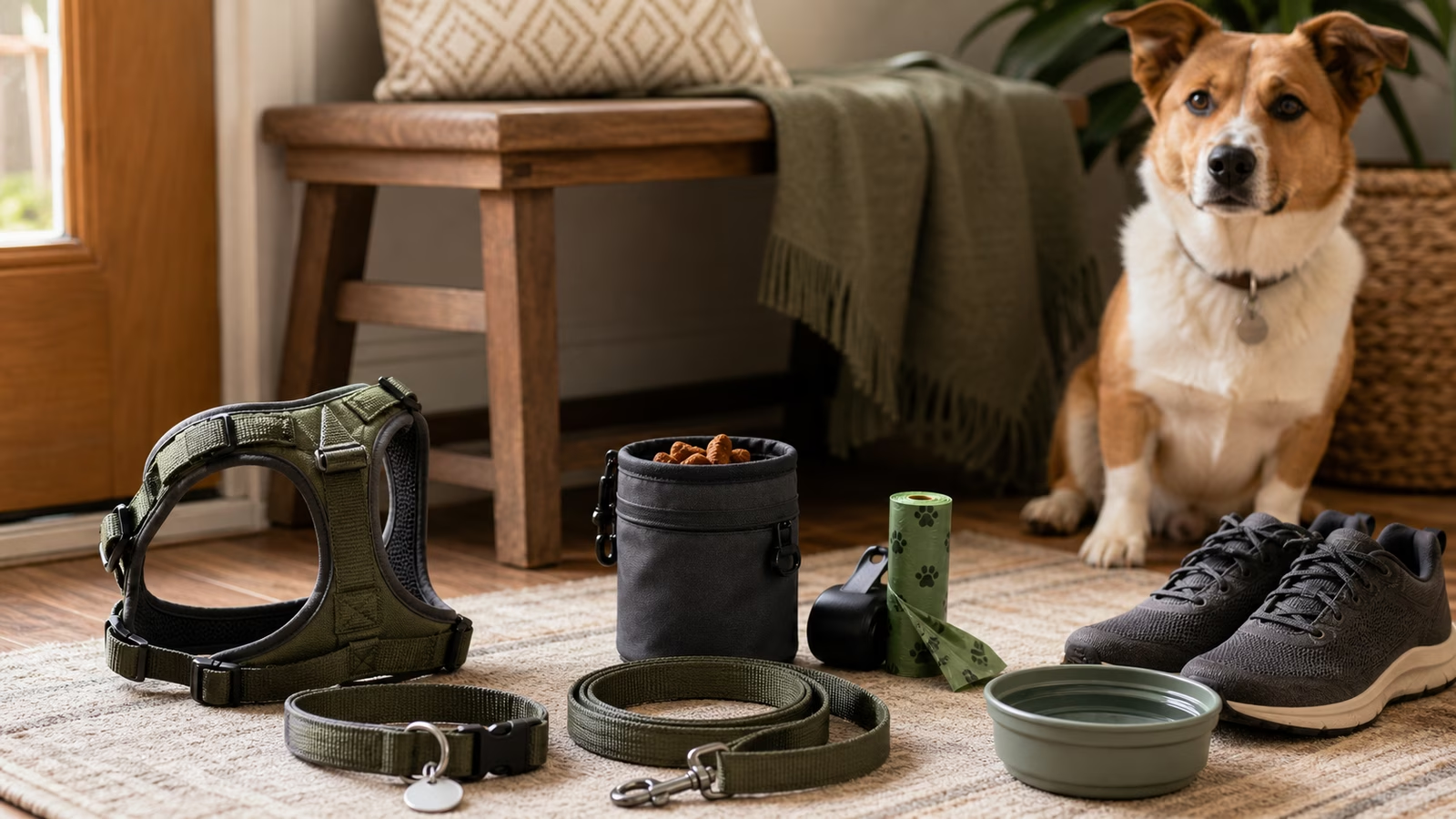
A practical walking kit includes harness or collar, leash, ID, waste bags, treats, and a plan. The plan matters: where you will walk, what distance is realistic, how you will reward check-ins, and what you will do if the dog gets overwhelmed.
Walking gear checklist
- Collar fits securely and carries ID, but is not the only control point for a strong puller or escape risk.
- Harness clears the front legs, does not rub, and allows normal shoulder movement.
- Leash is a clear everyday length for the environment, usually 4 to 6 feet near streets and doors.
- Treats, waste bags, and a backup plan are ready before the door opens.
- Gear is introduced indoors before it is tested in a distracting place.
Gear decision table
| Situation | Better beginner choice | Professional boundary |
|---|---|---|
| Puppy learning gear | Adjustable harness or flat collar practice indoors. | Stop if panic escalates. |
| Dog pulls near traffic | Secure harness plus short clear leash and training plan. | Get trainer help for unsafe lunging or inability to recover. |
| Travel or vet visit | Carrier, crate, harness, or restraint that fits the trip. | Call the vet for pain, breathing, or medical travel concerns. |
| Escape risk | Double-check fit and use barriers before doors open. | Call a trainer for repeated slipping, bolting, or panic. |
Common beginner mistakes
- Choosing gear because it looks powerful instead of because it fits and communicates clearly.
- Using a retractable leash near roads, doors, elevators, or other dogs.
- Expecting equipment to replace reward-based training and distance management.
- Forgetting that puppies outgrow gear quickly.
Buy only after you know the dog
Wait on specialty no-pull designs, long lines, hiking systems, car restraints, and stylish collars until you know the dog’s size, pulling pattern, sensitivity, and escape risk. Start with secure fit, a standard leash, visible ID, and a treat plan.
When this is no longer a home setup issue
Dangerous lunging, biting, panic, repeated escaping, severe fear, or walks that feel unsafe are not solved by another product category alone. Work with a qualified positive-reinforcement trainer, and call your veterinarian if pain or medical concerns may be involved. Pair this with Loose-Leash Walks and Visitors and Doorway Routines .
What to do next
Fit the gear indoors first. Reward the dog for putting their head through the harness, standing still for clips, and walking a few steps near you. Then read Traveling With Pets if the same gear will be used around cars, carriers, hotels, or visits.
Make the home easier to live in
Pet care guides work best when they honor the real household. For Harnesses, Collars, and Leashes Explained, the question is not only what would be ideal in a quiet diagram. It is what a person can repeat while doors open, meals happen, guests arrive, weather changes, and the animal has its own preferences.
Start by watching the pattern before changing the setup. Where does the pet hesitate, rush, hide, scratch, chew, bark, spill, or settle? Which part of the day makes the issue worse? A good observation names the place, trigger, and response instead of turning the animal into a problem to fix.
Then make one environmental change. Move the bowl, add a mat, create a calmer resting spot, adjust the walk routine, protect a threshold, or simplify the storage. Small changes are easier to maintain and easier for the pet to understand.
Keep safety and welfare boundaries visible. If the issue involves injury, ingestion, aggression, severe anxiety, poisoning, heat stress, or sudden behavior change, bring in the appropriate professional. Home setup can support care, but it should not pretend to replace medical or behavioral expertise.
Harnesses, Collars, and Leashes Explained should leave the household feeling more legible. The best pet spaces are not showrooms. They are routines the animal can trust and humans can keep.