A guest pet changes the room faster than a guest person does. A familiar dog steps through the door and suddenly the water bowl, sofa, toy basket, hallway, yard, cat tree, crate, and human attention all have new meaning. A friend’s cat stays for a few hours and the resident cat reads the closed door, the scent under it, and the changed routine. Even animals who are friendly elsewhere can struggle when the meeting happens inside one animal’s home.
This is not the same as adopting a new animal, which is why Dog and Cat Introductions at Home and Resource Zones for Multi-Pet Homes are useful but not identical. A guest-pet plan is often shorter, less ambitious, and more conservative. The goal may be a peaceful visit, not a new friendship.
Start with the purpose of the visit
Before the pet arrives, decide what the visit is meant to be. A quick drop-off while a friend runs an errand is different from a planned dog playdate, a holiday meal with a visiting dog, an emergency overnight stay, or a cat temporarily housed in a spare room. If the purpose is unclear, people tend to drift toward more contact than the animals actually need.
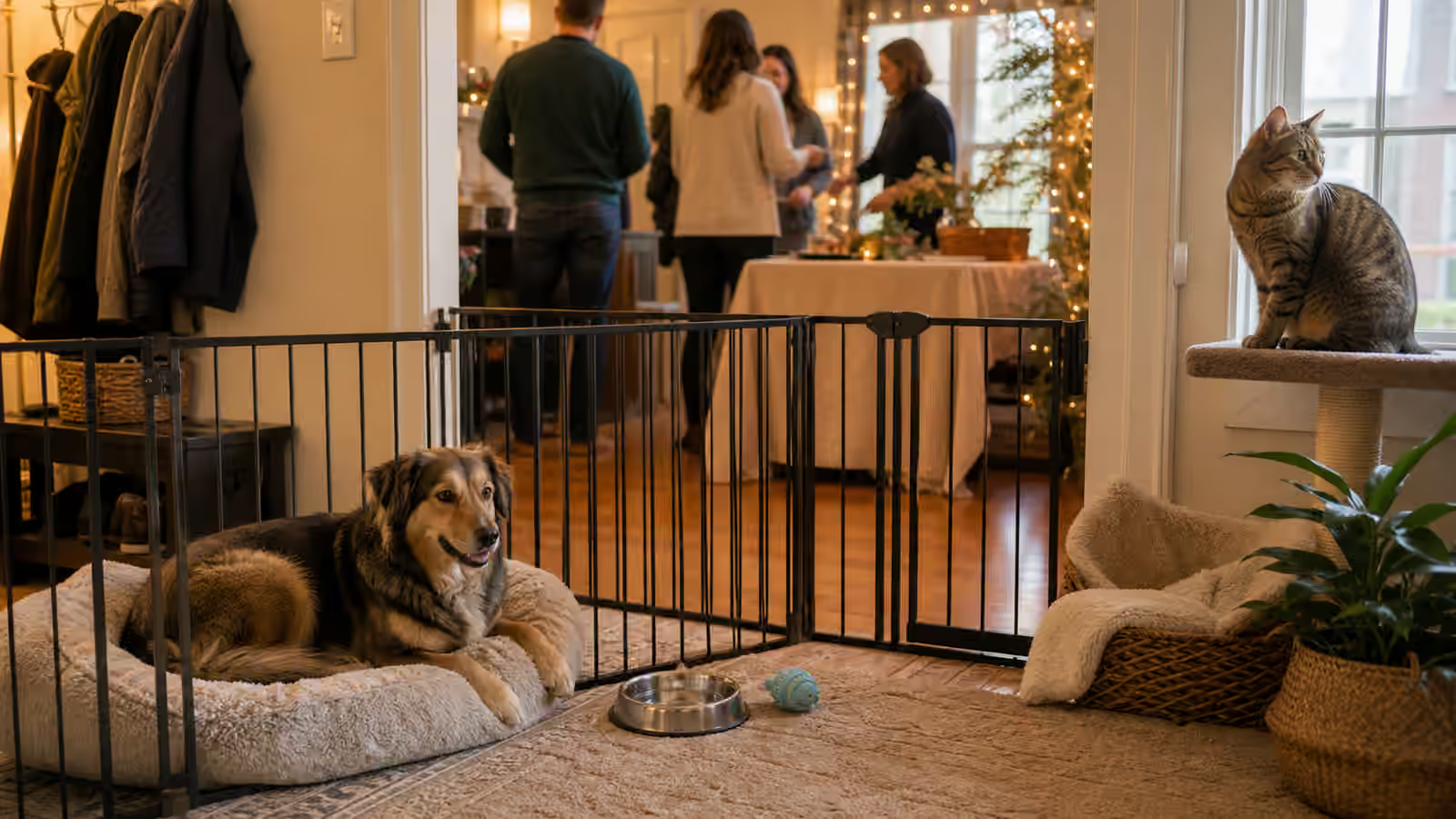
Some visits do not require pet-to-pet interaction at all. The guest dog can rest behind a gate with water while the resident dog stays in another room. A visiting cat can have a closed-door room and never meet the resident cat. A senior pet can avoid a bouncy younger visitor. A fearful animal can be spared the social experiment. Separate but calm is a successful outcome when it matches the visit.
Name the exit plan before the greeting. If arousal rises, where does each animal go? Who handles which leash or gate? Are toys put away? Is food already stored? Can the guest pet leave early if needed? The plan should be simple enough to use while people are distracted.
Protect resources before anyone enters
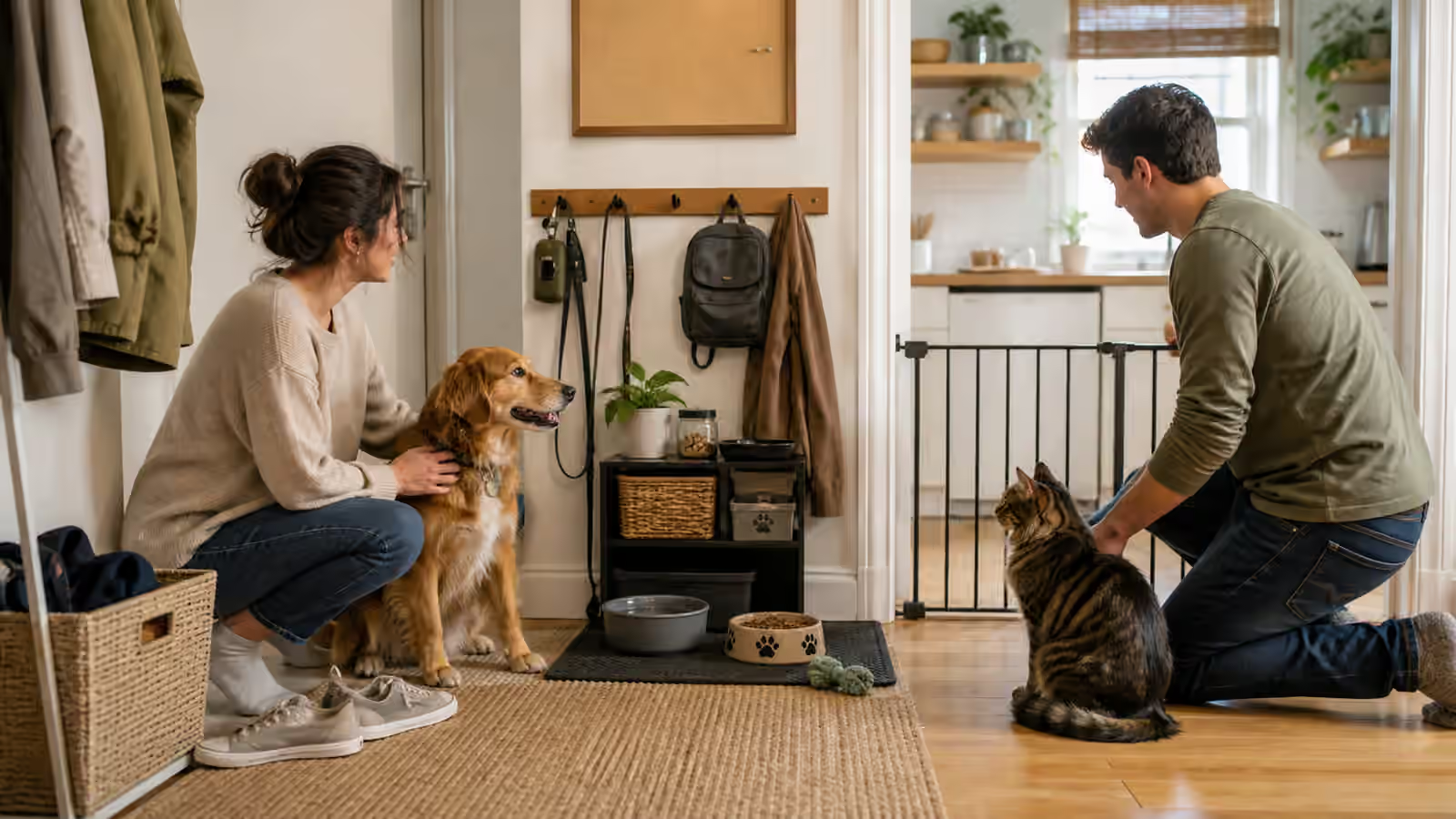
Many guest-pet problems are resource problems wearing a social costume. Bowls, chews, beds, toys, litter boxes, sunny perches, doorways, laps, and favorite rugs can all matter. Put away high-value toys and chews before the visit. Feed animals separately. Keep litter boxes private and reachable for resident cats. Give the guest pet a water station that does not require crossing the resident pet’s resting place.
Feeding Stations and Mealtime Routines for Pets is helpful because meals are not the time to test generosity. Even animals who play well may eat poorly together. A guest visit is already a change. Do not add bowl pressure, hovering, stealing, or children carrying snacks through the middle of the room.
Beds deserve the same respect. A resident dog who usually sleeps on the sofa may feel crowded when a guest dog jumps up. A cat who owns a high perch may feel cornered if a visiting dog stares from below. Create duplicate rest options or close access to contested spaces. The room should not ask animals to negotiate every comfort in real time.
Use gates and leashes as information, not punishment
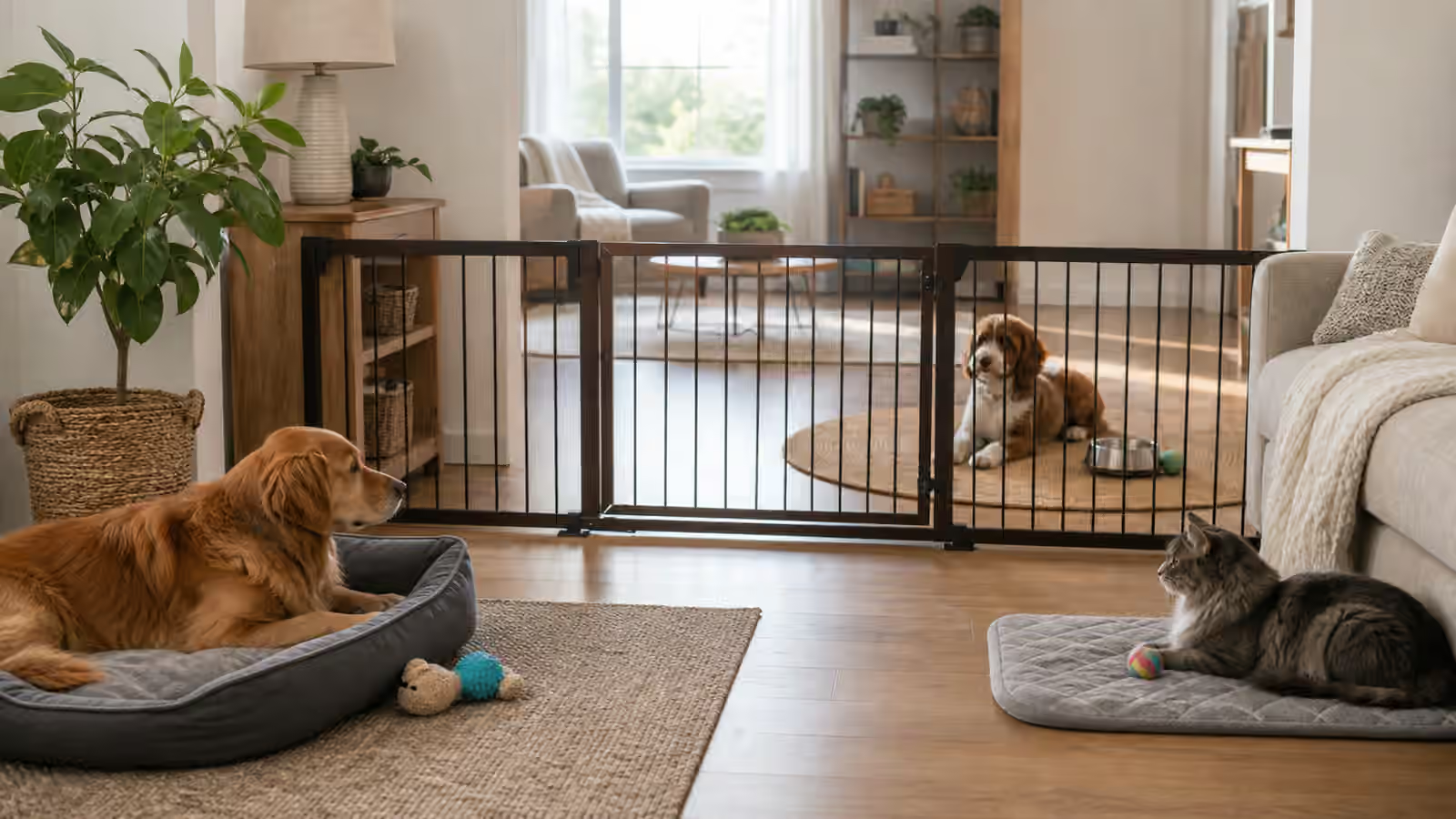
Gates, leashes, crates, closed doors, and tethers can be useful when they are introduced calmly and used to create space. They should not be the frantic tools that appear only after the animals are already overloaded. Set the room before the guest arrives. A gate across a wide doorway can let animals see and smell without full access. A leash can prevent a rushing entry. A closed door can give a visiting cat a defensible room.
The barrier is not a verdict on friendliness. It is a way to gather information. Can both animals eat treats if treats are appropriate? Can they look away? Can they sniff the floor? Can they rest? Does one animal freeze while the other stares? Does excitement climb every time a person moves? The answers tell you whether to continue, pause, add distance, or end the visit.
Pet Gates and Room Transitions fits naturally here because transitions are often harder than shared space. The doorway, not the living room, may be the real flash point.
Keep greetings short and optional
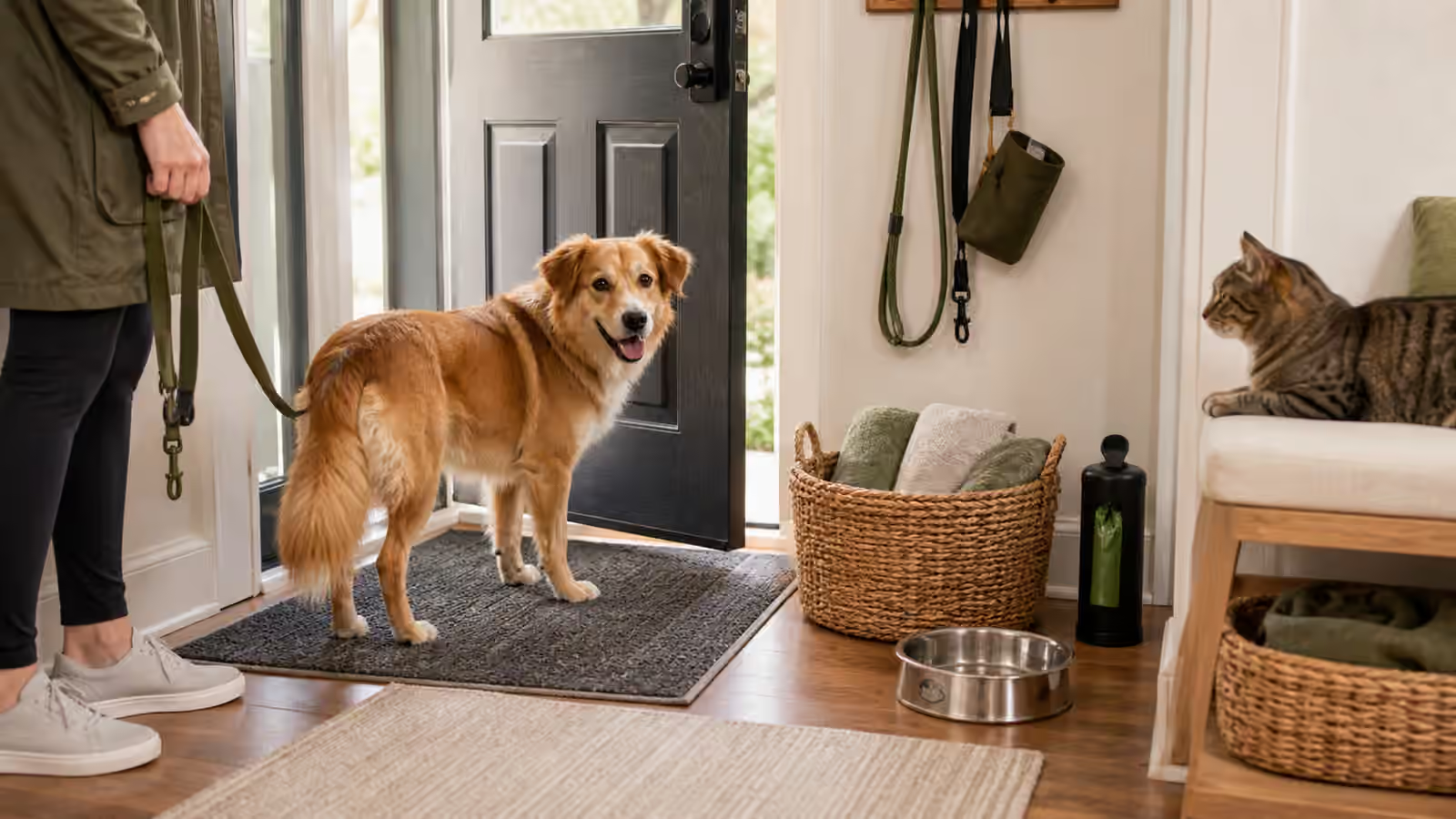
If a greeting is appropriate, begin with movement and space rather than a dramatic face-to-face moment in the entry. Dogs often do better with a parallel walk outside or a brief sniff in a neutral-feeling area before entering the home. Inside, keep leashes loose enough to avoid pressure but managed enough to prevent rushing. Cats usually need more distance and more time; many cat visits should remain separated entirely.
Do not force animals to say hello because the people are excited. A pet who turns away, hides, stiffens, licks lips, yawns, freezes, growls, pins ears, flicks a tail, or tries to leave is giving useful information. Reading Pet Body Language at Home is worth reading before hosting animals because the quiet signs matter more than the Instagram version of friendliness.
End early. A pleasant five-minute shared room followed by rest is better than an hour that deteriorates. People often keep going because the first moments looked fine. Animals get tired, aroused, possessive, or overwhelmed as the visit continues. Build breaks into the plan even when things are going well.
Remember the resident pet’s home still has to work tomorrow
A guest leaves, but the resident pet stays with the consequences. If the visit turns the sofa into a conflict zone, the toy basket into a guarding trigger, or the doorway into a rehearsal of rushing, tomorrow’s routine may be harder. Protect the ordinary home. Keep the resident pet’s safe spaces safe. Do not let a guest animal raid the cat’s litter area, corner a dog in a crate, or turn a sleeping spot into a wrestling mat.
Human guests need boundaries too. Visitors and Doorway Routines for Pets covers the people side, and the lesson carries over: arrivals are intense. Ask the guest pet’s person to follow the plan rather than narrating that their animal is friendly. Friendly animals still need structure in someone else’s home.
Children should not manage guest-pet meetings. They can be present only when adults are actively controlling distance, resources, and exits. Children and Pet Boundaries at Home applies even more strongly when an unfamiliar animal joins the room.
Let some visits stay separate
The most practical guest-pet plan is sometimes a closed door, a baby gate, a separate walk, or a different care arrangement. That is not failure. It is accurate matching. A dog who loves play outside may not enjoy sharing a living room. A cat who tolerates the family dog may not need to meet a visiting dog. A senior animal may deserve quiet. A newly adopted pet may need routine more than novelty.
After the visit, reset the house. Pick up extra bowls, wash mats, return toys slowly, check litter access, let resident animals sniff and decompress, and watch for lingering tension. If the visit revealed serious fear, guarding, or aggression, do not repeat the setup and hope familiarity fixes it. Use professional help or choose separate arrangements.
Good hosting is not measured by how much access the animals had. It is measured by whether the room stayed readable, resources stayed protected, people acted early, and each animal could leave pressure behind. A calm guest-pet routine respects friendship without making the animals prove it at the door.