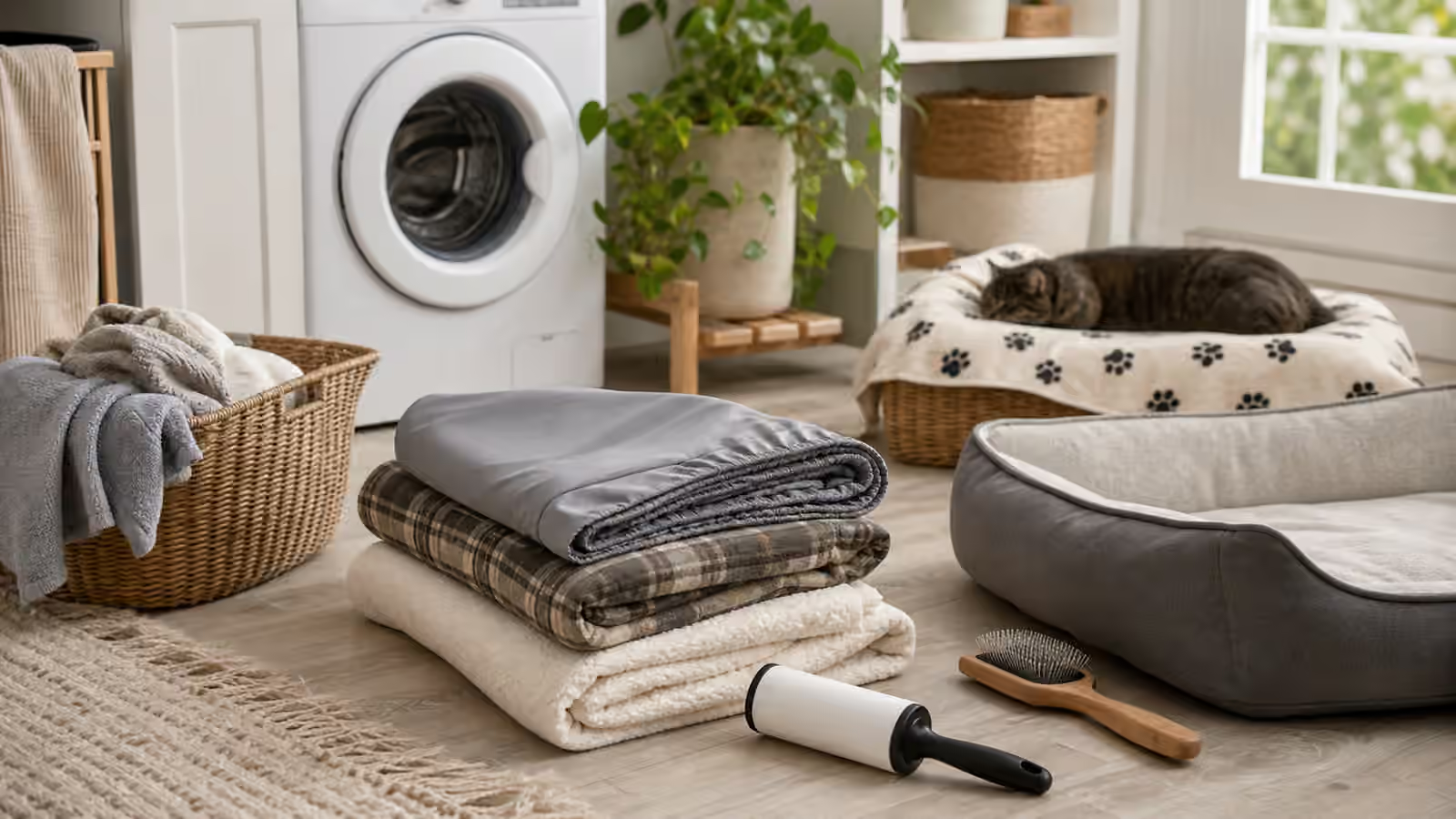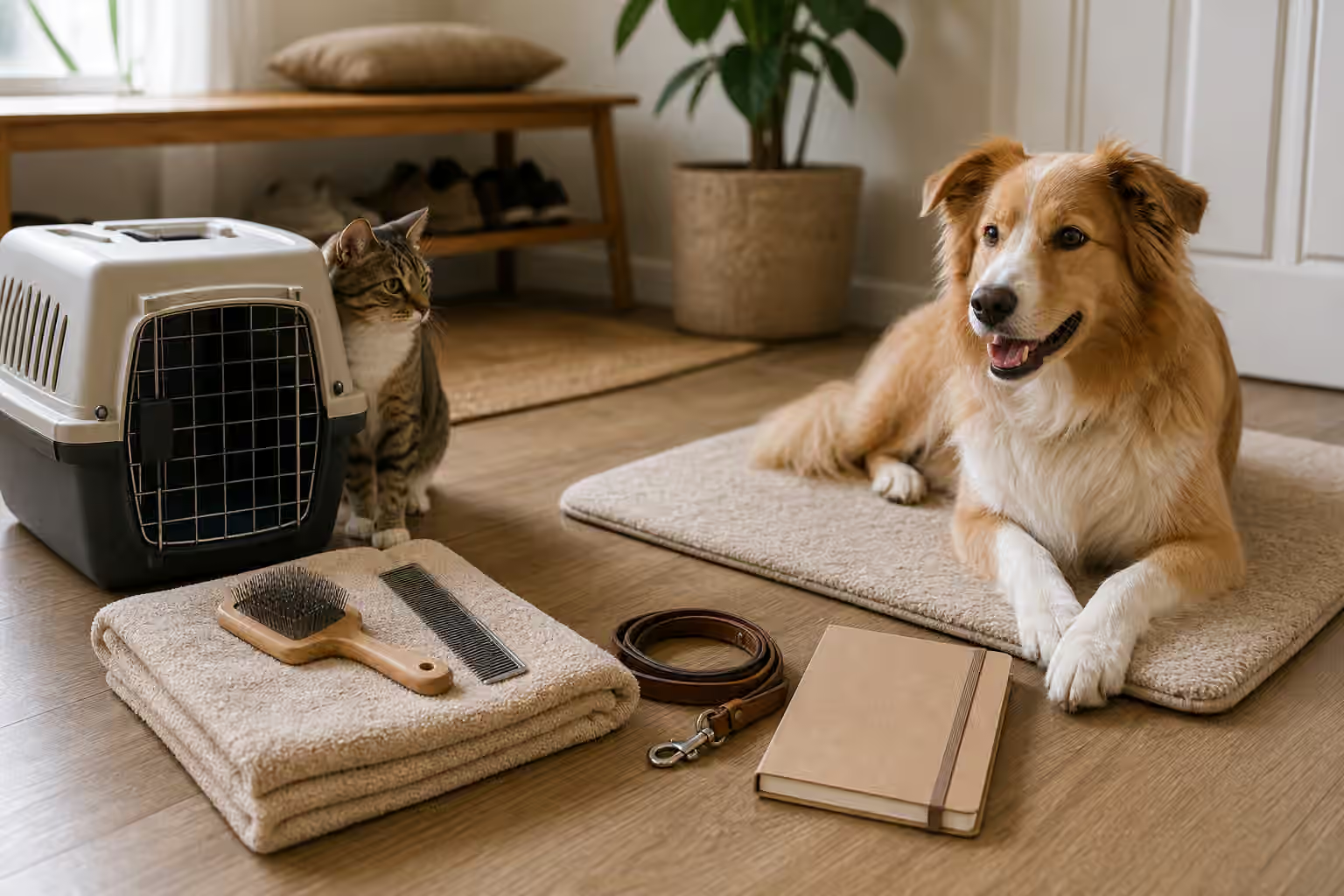
A grooming appointment goes better when it is not treated as a magic reset. The groomer receives the coat, the pet’s handling history, the transport routine, the owner’s expectations, and whatever tangles, fear, mud, nails, or missed brushing have built up before the appointment. A good handoff helps the professional do the right job and helps the pet experience fewer surprises.
Cooperative Grooming and Handling at Home covers the daily foundation. This guide is about the appointment edge: what to prepare before leaving home, what information matters, how to think about mats and coat condition, and how to make the return home calmer. It is not a substitute for a groomer’s judgment or veterinary care. It is a way to make the handoff more honest.
Practice the parts the groomer will touch
Home practice does not need to copy a full grooming appointment. It should make ordinary touch less surprising. A dog who has practiced standing on a mat, hearing a brush move through easy coat, having paws touched briefly, and accepting a towel is better prepared than a dog whose first real handling happens under time pressure. A cat who can enter a carrier calmly and tolerate a few gentle brush strokes is better prepared than a cat chased from under a bed on appointment morning.
Keep practice short and easy. Touch the brush to the shoulder, reward if the pet enjoys food, and stop. Pick up the paw for one second, release, and let the pet reset. Bring the carrier out days before the appointment rather than treating it as an alarm. Carrier Comfort for Dogs and Cats is especially useful for cats and small dogs because the appointment begins long before the grooming table.
Do not turn the week before an appointment into a crash course. If the pet is already fearful, intense practice can make the tools more suspicious. The aim is familiarity, not finishing every skill at once.
Describe the coat as it is, not as you wish it were
Groomers need accurate information. If the coat has mats, say where they are. If the pet dislikes tail handling, nail trimming, face touch, dryer sound, or being lifted, say so. If the pet has had a stressful appointment before, mention what happened without blaming the animal or the previous professional. If a veterinarian has given instructions about skin, ears, stitches, or activity, bring that information clearly.
Owners sometimes feel embarrassed about mats, odor, shedding, or overdue nails, so they minimize the condition. That does not help the pet. A mat close to the skin may be painful. A coat that looks brushable on top may be packed underneath. A pet who cannot tolerate certain handling may need a slower plan, a different service, a veterinary groom, or a training step before the full appointment is realistic.
Shedding and Brushing Routines for Dogs and Cats is useful between appointments because coat handoff is built over weeks, not repaired in the lobby. Regular small care gives the groomer a better starting point and gives the pet a better history with touch.
Make transport part of the grooming plan
A pet who arrives already flooded by travel has less capacity for grooming. For dogs, that may mean a calm leash routine, a familiar car setup, and enough time to arrive without rushing. For cats, the carrier and car may be the hardest part of the day. Put familiar bedding in the carrier if appropriate, keep the carrier secure, and avoid opening it in unsecured places. Traveling With Pets: Carriers, Cars, and Calm Routines covers the broader travel setup.
Plan the departure from home. Do not chase the cat after the appointment time has already passed. Do not hype the dog with a long excited farewell. Keep the routine plain: gear, carrier or leash, car, arrival. If the pet is prone to motion sickness, panic, or medical issues, talk with a veterinarian before the appointment rather than improvising in the parking lot.
At the grooming location, keep greetings modest. Another dog in the lobby, a barking sound behind a door, or a stranger reaching toward the pet may change the whole handoff. Give the pet space, communicate with the staff, and avoid letting social pressure push the pet into a greeting they do not need.
Set expectations around comfort and finish
There is often a gap between the haircut a person imagined and the grooming plan the pet can safely tolerate. A severely matted coat may need to be clipped shorter than expected. A fearful pet may need a shorter appointment that accomplishes the most important care instead of the prettiest finish. A senior pet may need breaks, a simpler trim, or veterinary input. A cat may need a professional who specializes in cats or a clinic setting rather than a busy salon.
Comfort should guide the plan. A beautiful finish is not worth forcing a pet through unsafe handling. That does not mean appearance never matters; coat maintenance is part of welfare for many pets. It means the path to appearance has to respect skin, joints, fear, and the pet’s ability to recover.
When to Call a Vet, Trainer, or Groomer can help sort the lane. Some problems are grooming problems. Some are training and handling problems. Some are medical problems wearing a grooming costume. A good handoff is honest about which lane the appointment is actually in.
Ask for notes you can use at home
After the appointment, ask what the groomer noticed in practical terms. Which areas were tangled? Which handling was easy? Which part was hard? Did the pet tolerate the dryer, paws, ears, tail, belly, or face? Was the coat packed in a way that suggests brushing needs to change? The goal is not to interrogate the groomer. It is to turn professional observation into a better home routine.
Use those notes to make one change. Move the brush near the resting area. Practice paw touch twice a week. Book before the coat is overdue. Use a different carrier setup. Add a towel station near the entry. If the pet was stressed by lobby noise, ask about quieter appointment times or drop-off procedures. Small adjustments between appointments matter more than one ambitious grooming weekend.
Keep records if the pet has recurring coat issues, skin sensitivities, or handling concerns. Pet Care Records and Routine Notes is useful because memory becomes vague by the next appointment. A plain note about what worked can prevent repeating the hardest version of the day.
Let the pet recover after the appointment
Coming home from grooming can be tiring. The pet may smell different, feel different, or move differently after nails, coat removal, bathing, drying, or close handling. Give water, a quiet place, bathroom access, and time to rest. In multi-pet homes, supervise re-entry because other animals may react to the changed scent or appearance. Resource Zones for Multi-Pet Homes helps when one pet returns from an appointment and the home needs a calmer reintroduction.
Watch for concerning signs without assuming every tired pet is in trouble. Mild fatigue after a busy appointment can be ordinary. Pain, skin irritation, limping, repeated vomiting, breathing trouble, collapse, intense distress, or sudden behavior changes need professional attention.
A strong groomer handoff is built from small honest pieces: a pet who has practiced touch, a coat described accurately, transport that does not start in panic, expectations that fit the animal, and notes that improve the next visit. Grooming becomes more humane when the household treats the appointment as part of the routine instead of a rescue mission for overdue care.