Mealtime looks simple from a distance: bowl, food, pet. Inside a real home, it is also traffic flow, storage, cleanup, water access, competition, training history, and the household’s ability to repeat the same routine when everyone is tired.
The goal is not to make meals ceremonial. The goal is to make them predictable enough that the pet can relax and the household can see when something changes. A feeding station should tell the pet where meals happen, tell people where supplies belong, and make messes easy to handle before they spread into the rest of the room.
Give food a real place
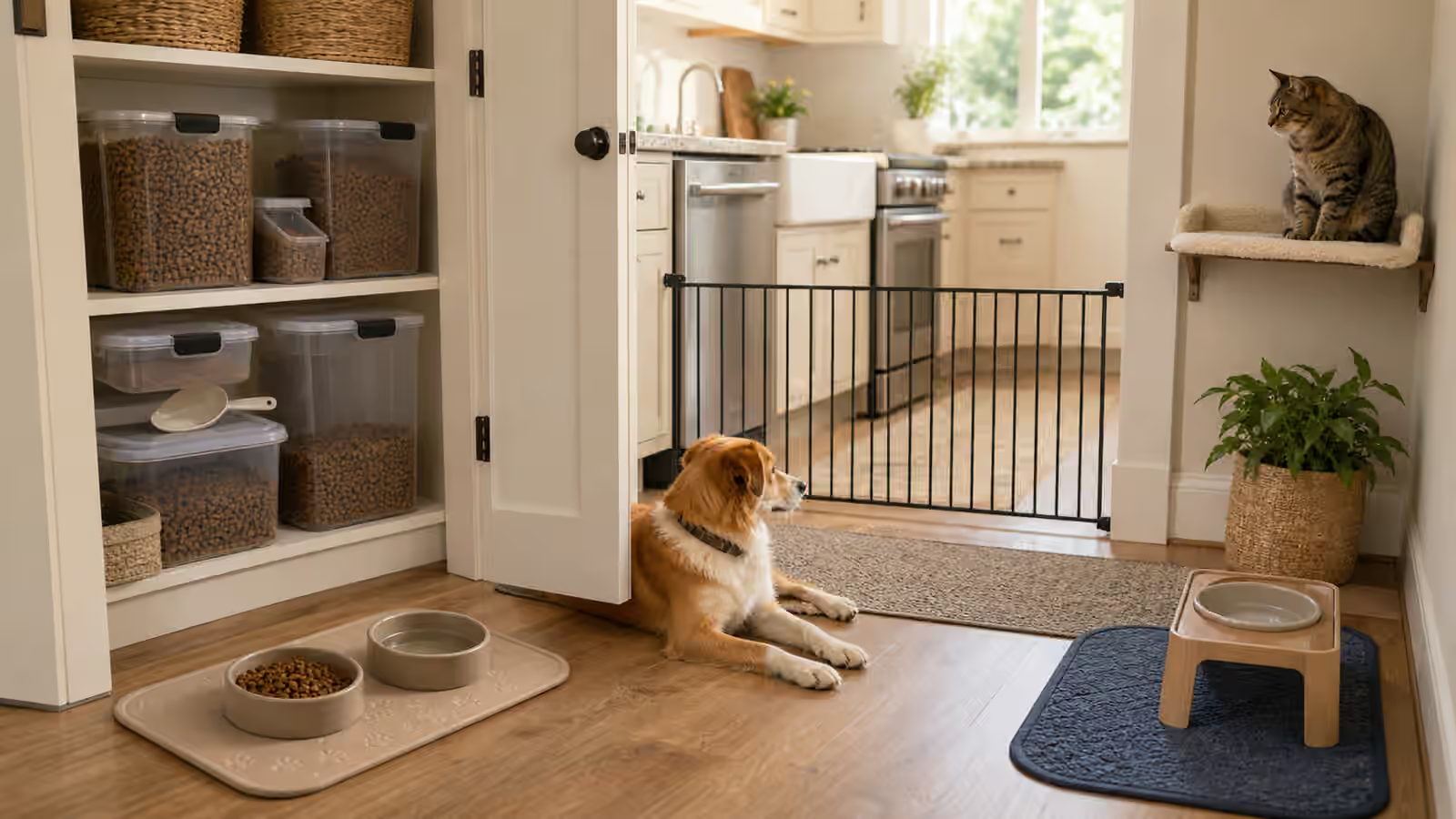
A good feeding station starts with placement. Put bowls where the pet can eat without being stepped over, crowded by doors, or cornered by another animal. Many dogs eat best in a quiet kitchen edge, laundry room, mudroom, crate-adjacent area, or gated space. Many cats prefer food away from litter, heavy foot traffic, and noisy appliances. The station does not need to be fancy, but it does need to be consistent.
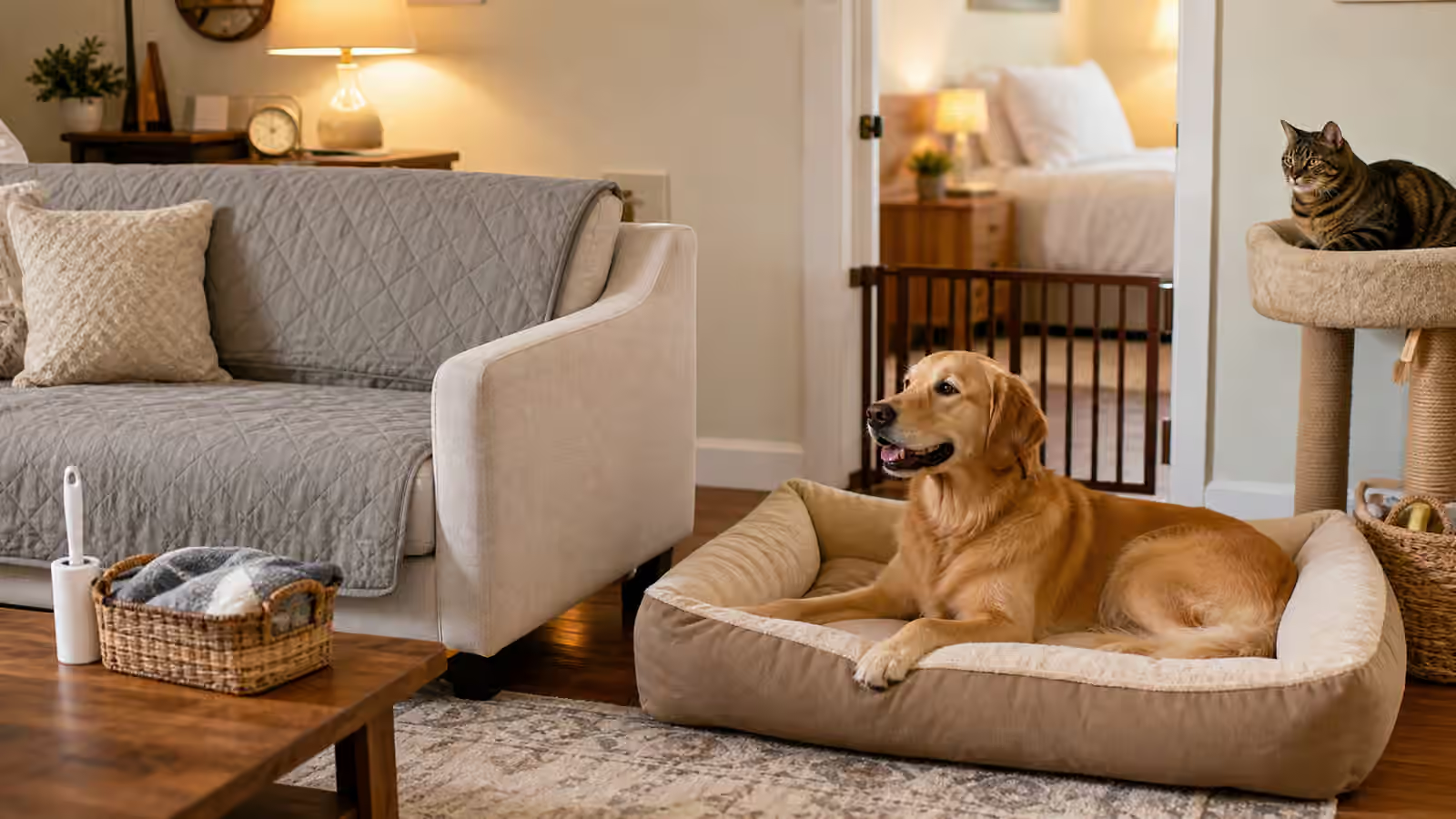
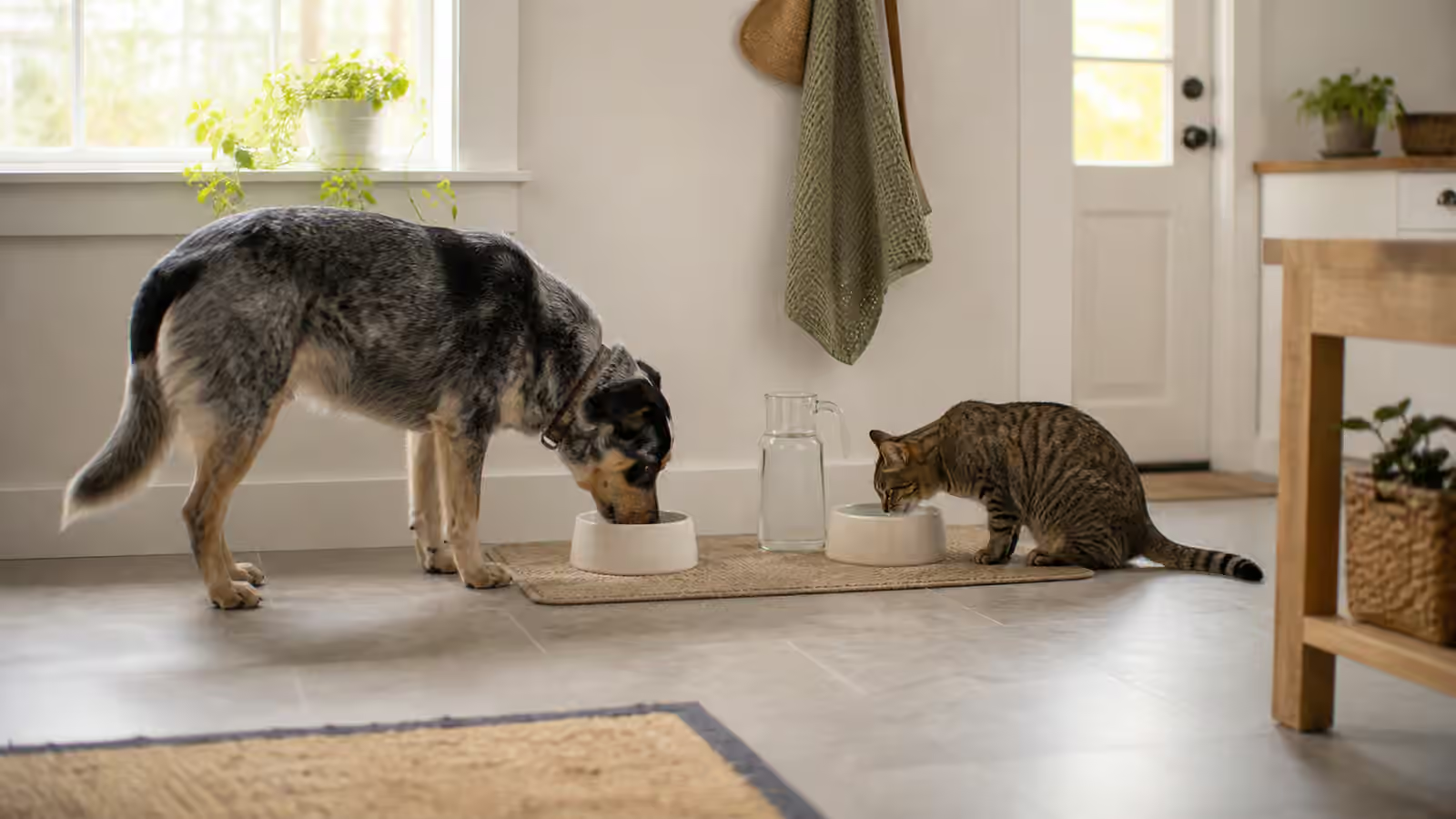
If a dog and cat share the home, do not assume side-by-side bowls are friendly. Eating near another species can feel vulnerable even when the animals tolerate each other elsewhere. A cat may need a raised perch, separate room, or counter-height station where the dog cannot hover. A dog may need a gate or closed door so the cat does not stroll through the bowl at the wrong moment. The calmest setup is often the least dramatic one: a little distance, a visible routine, and no audience during meals.
Food placement also affects cleanup. A washable mat under bowls catches water drips and crumbs. A station near hard flooring is easier to maintain than one on carpet. If the current spot leaves kibble in a hallway, water under a cabinet, or people dodging bowls all day, the problem is probably not the pet’s manners. It is the station asking too much from the room.
Make the routine boring in a useful way
Pets learn mealtime rhythms quickly. If breakfast sometimes happens in one room, sometimes from a hand, sometimes while people are rushing out the door, the pet has to guess. Guessing can show up as barking, weaving between feet, pawing at cabinets, or following every person who enters the kitchen. A more predictable routine gives the pet fewer questions to ask.
The routine can be simple. The bowl comes out. The pet waits behind a gate, on a mat, in a crate, or at a small distance. Food goes down. People step back. The pet eats. The bowl is picked up when the household is ready, and the station is wiped before residue becomes part of the floor. Nothing in that sequence requires advanced obedience. It is mostly environmental clarity.
For puppies, mealtime can support the wider first-week plan in New Puppy First Week Checklist . Food timing connects to potty rhythm, crate practice, naps, and short training sessions. For new cats, meals help the home base feel safe, especially when paired with the room setup in New Cat Setup . In both cases, changing everything every day makes settling harder.
Use slow feeders and puzzles thoughtfully
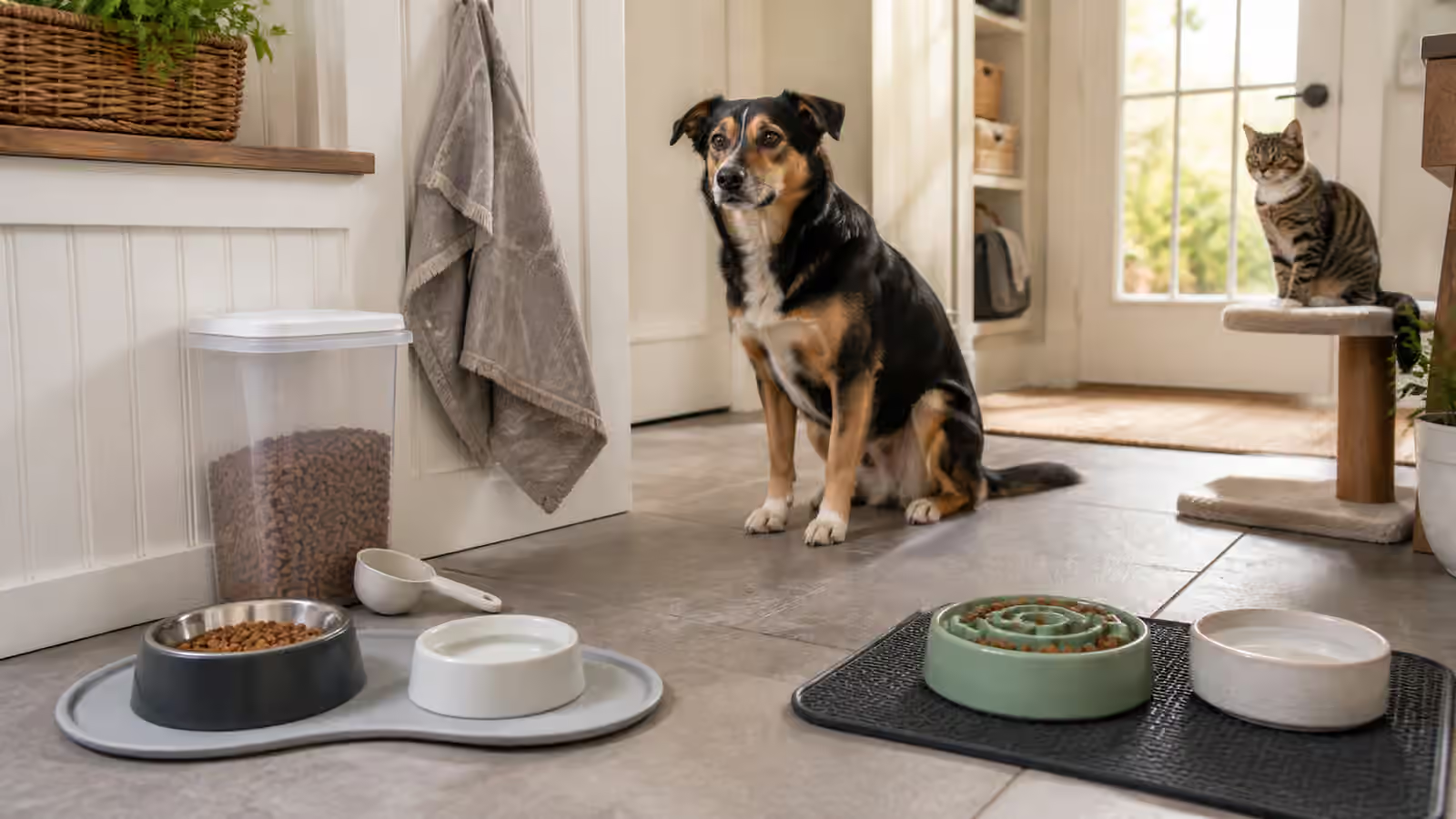
Slow feeders, puzzle bowls, lick mats, snuffle mats, and food toys can be useful, but they are not automatically better than a plain bowl. A slow feeder bowl may help a dog who gulps meals, and a puzzle feeder may give a cat a more natural foraging rhythm. The tool should fit the pet’s size, chewing style, frustration level, and cleanup reality.
Start easier than you think. If the pet barks at the feeder, flips it violently, chews the plastic, walks away, or becomes frantic, the difficulty is too high or the tool is wrong for that pet. Food enrichment should make the animal engaged, not tense. Pet Enrichment for Bored Dogs and Cats covers that broader idea, but the mealtime version is straightforward: let the pet succeed, then increase complexity slowly if there is a real reason.
Some pets do better when puzzle feeding happens separately from main meals. A small portion in a food toy during a quiet block may be more helpful than turning breakfast into a long challenge. Other pets need the comfort of a normal bowl and can get enrichment through sniff walks, play, or training rewards instead.
Treat water as part of setup
Water placement often gets less thought than food, yet it shapes the home every day. A bowl jammed beside a busy doorway will be kicked. A bowl beside litter may discourage some cats. A bowl under a cabinet edge may collect dust and be hard to notice. Put water where it is easy to refill, easy to clean, and easy for the pet to approach without conflict.
Cats often benefit from water separated from food, and some drink better from wider bowls or fountains if the household can clean them properly. Dogs may need water near the main rest zone and another source near an entry during hot weather or after walks. Avoid making water a resource the pet has to compete for. In multi-pet homes, more than one water station can reduce hovering and blocking.
A water station also needs a floor plan. Use a washable mat, check underneath it, and choose bowls that do not tip easily. If water creates a daily puddle, solve it as a setup issue before it becomes a cleaning complaint.
Store food like a household supply
Food storage should keep the food fresh enough for normal use, keep pets from helping themselves, and keep people from guessing measurements. A sealed container can be useful, especially when the original bag is hard to close, but it should be cleaned between fills and kept away from heat and moisture. If you keep food in the original bag inside a container, you also keep product details available if you need them.
The station should include the everyday tools that make consistency easier: a scoop, a place for bowls to dry, treats used for training, and a cleaning cloth or caddy nearby. If those items live in three different cabinets, the household will improvise. If the pet can raid the container, the setup is not finished.
Keep mealtime peaceful
Do not test pets by touching bowls, reaching into mouths, or taking food away to prove a point. That kind of pressure can create conflict. If you need the pet to move away, trade calmly with something valuable and improve the setup so people do not have to crowd the bowl. If there is growling, freezing, guarding, biting, stalking, or repeated conflict around food, read When to Call a Vet, Trainer, or Groomer and work with a qualified professional.
For everyday manners, reward calm waiting before food appears, then let the pet eat. Keep children away from feeding pets unless an adult is actively managing the situation. Give cats escape routes and dogs enough room that nobody has to step over them.
Connect meals to the rest of the home
Mealtime is one of the strongest daily anchors in a pet home. It can support crate comfort, carrier practice, quiet settling, gentle handling, and training, but only when the basics are stable. Start by making the station clean, predictable, and low-conflict. Then decide which small habit belongs beside it.
A practical station will not make every pet problem disappear. It will make the ordinary day easier to read. When the bowl, water, storage, and cleanup all have a place, changes stand out sooner and the household spends less energy negotiating the same meal again.