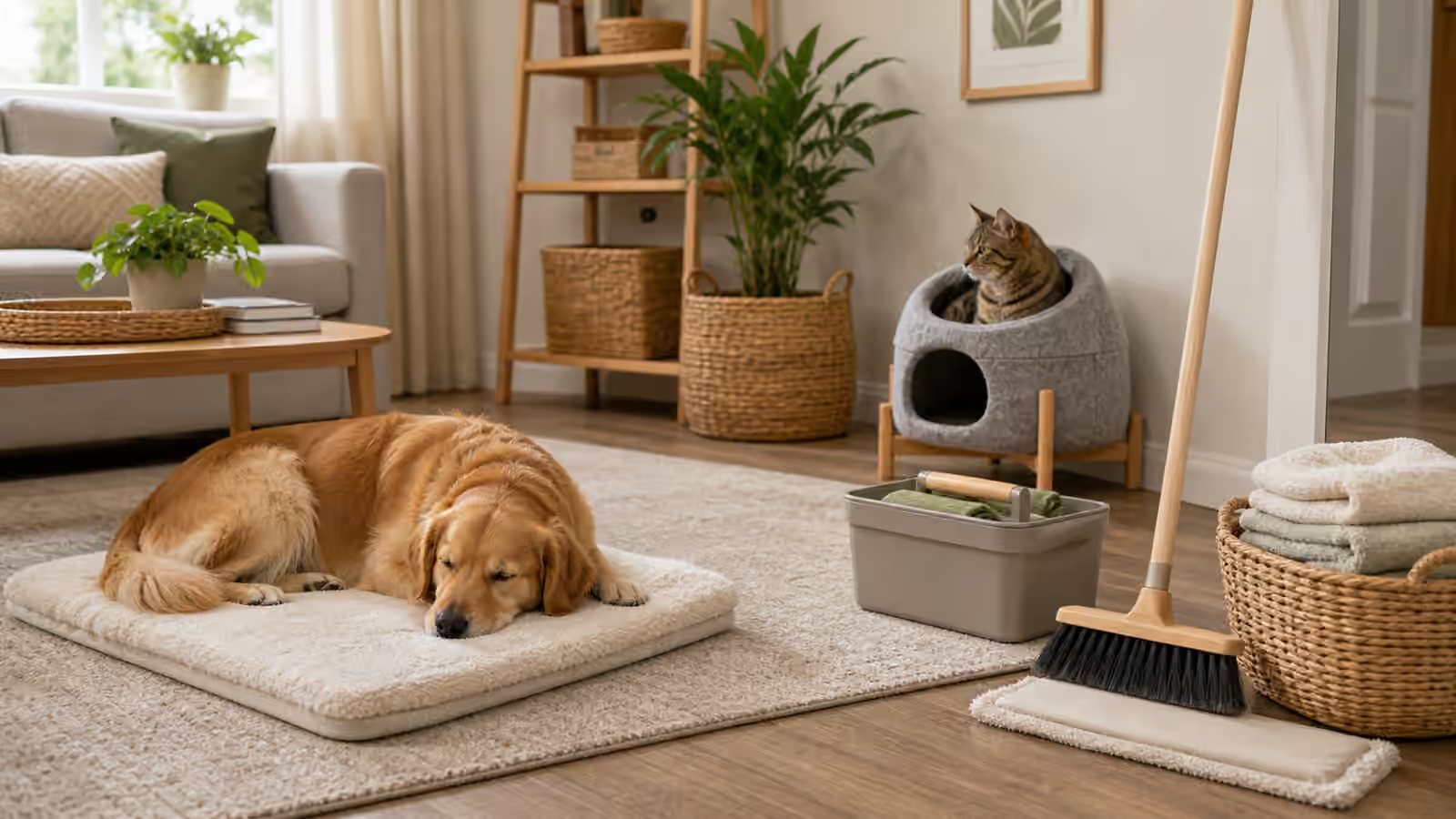
The walk does not end at the front door. For many homes, the hardest minute is the one after returning: the dog is full of outdoor smells, the leash is tangled, paws are wet or dusty, the cat is watching from the hall, the person needs to remove shoes, and the door may still be open. If the entryway has no reset routine, the walk spills into the whole house.
This article sits between Loose-Leash Walks Without Turning Every Walk Into Training and Pet Cleaning Setup for a Fresher Home . A calm walk can still end poorly if the threshold is chaotic. A good cleaning station can still fail if the dog rushes past it before anyone reaches the towel.
Give The Doorway A Landing Place
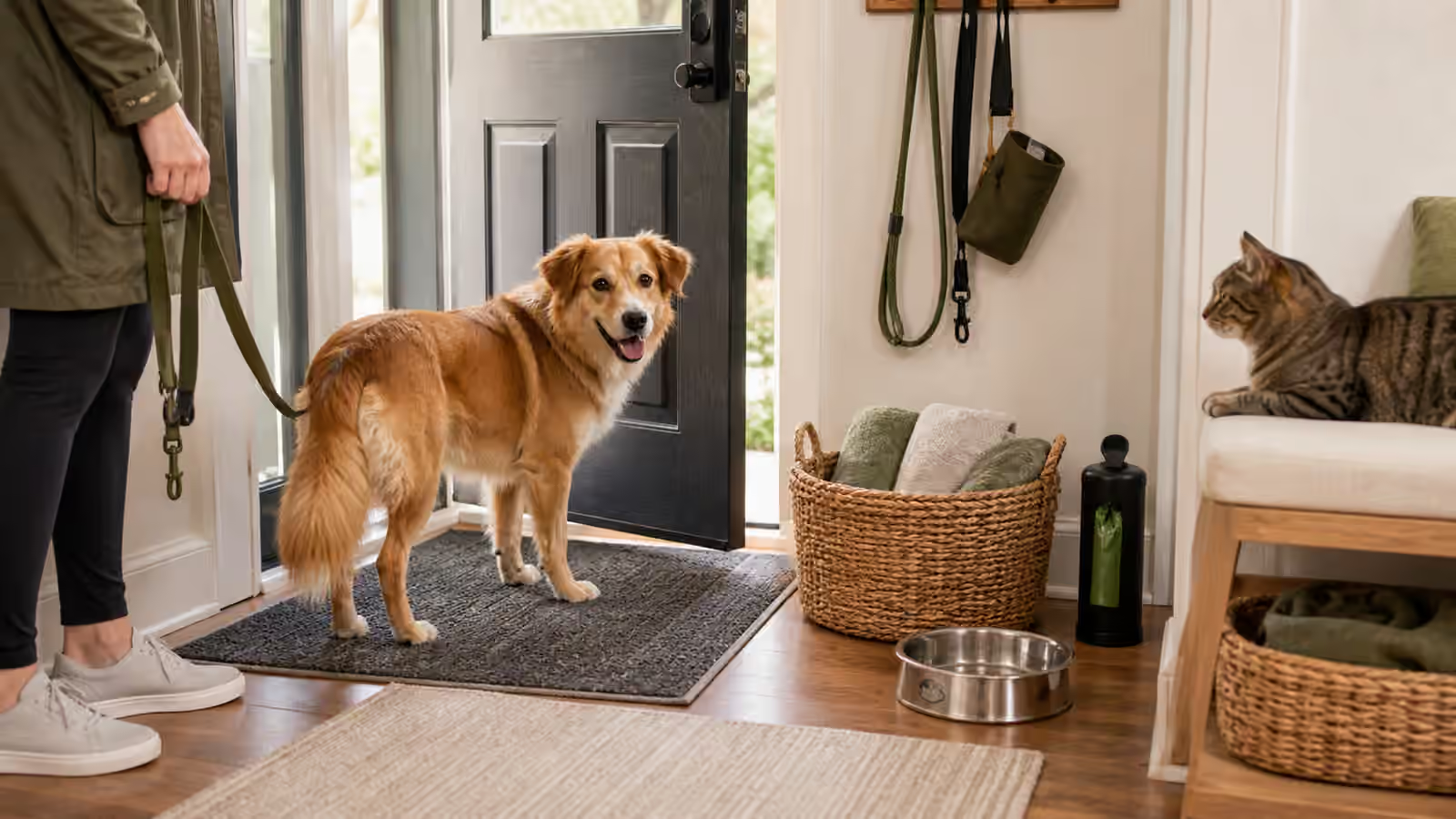
An entryway reset starts with a specific landing place. It can be a washable mat, a small rug with grip, a towel zone, or a spot just inside the door where the dog learns to pause. The landing place should not block the door swing or force people to step over the pet. It should be close enough to use before the dog tracks through the home, but not so tight that everyone crowds together.
Door-Dash Prevention for Dogs and Cats matters because the open door is still part of the risk. Do not unclip, drop bags, or start wiping paws while the door is unsecured. The first job is closing the outside world. The second job is helping the animal downshift.
For apartments, the reset may begin before the unit door. Elevators, hallways, neighbor dogs, and lobby smells can leave a dog more excited at the end of the walk than at the beginning. Apartment Pet Setup for Dogs and Cats helps because small shared spaces need predictable traffic rules. Inside the unit, make the landing place obvious enough that tired people use it.
Slow The Leash-Off Moment
Many dogs surge forward as soon as the leash comes off. The release becomes a cue to explode into the room, chase the cat, drink frantically, grab a toy, or bark at the window they just passed outside. The answer is not necessarily a long training session. It is a slower sequence.
Close the door, pause on the mat, handle the leash calmly, and release the dog only when the room is ready. If the dog cannot pause yet, keep the leash on for a few extra seconds while the person breathes, sets down keys, and checks the path. This should not become a power struggle. It is a transition cue.
Calm Mat Routines for Dogs and Cats can give the dog a familiar station. A mat after the walk does not mean the dog must lie still for ten minutes. It may simply mean all four paws stay in one predictable place while the leash is removed and the next step becomes clear.
Handle Paws Before They Become A Chase
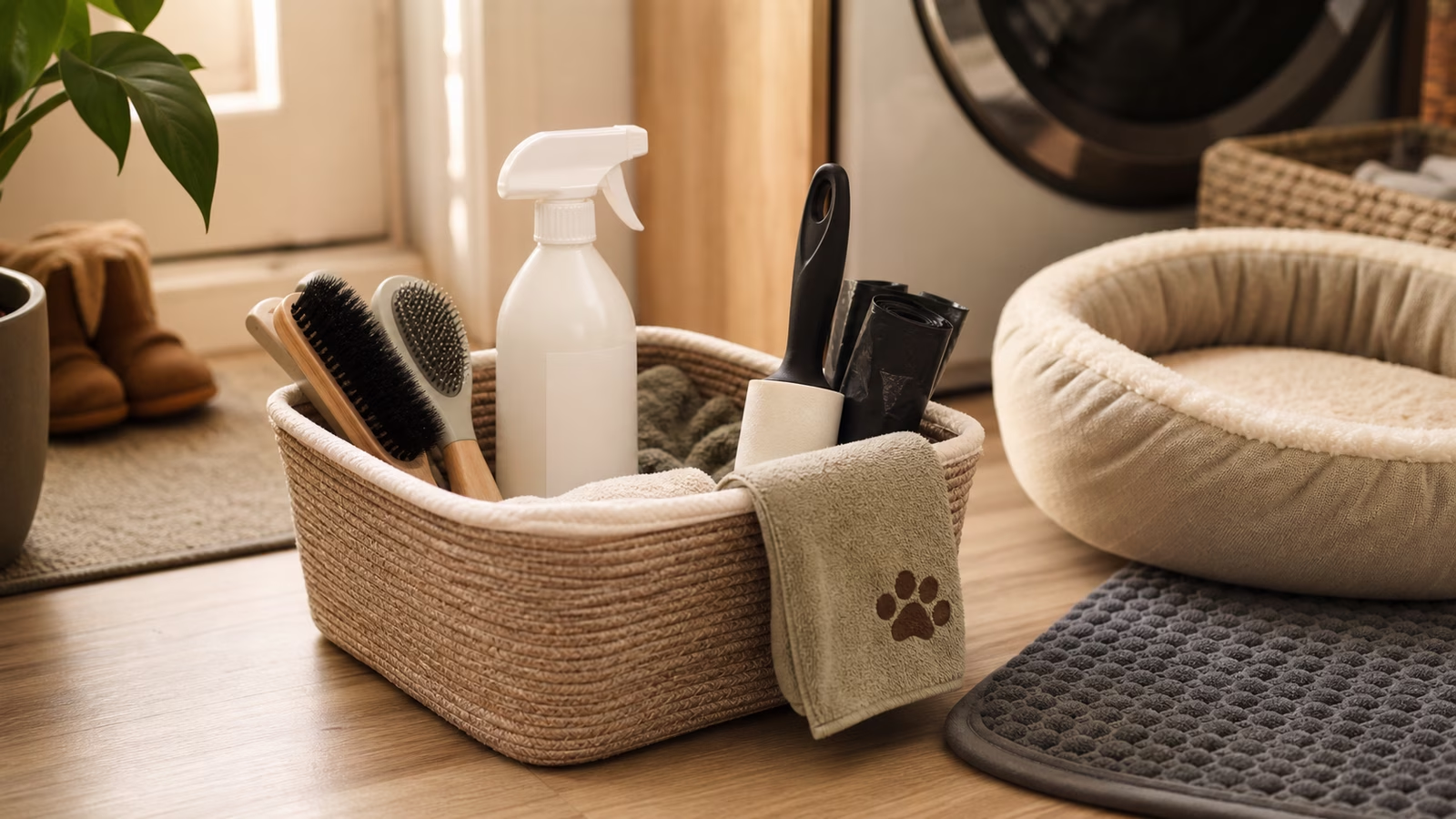
Paw care after walks should be small, prepared, and realistic. A towel by the door beats a perfect towel in a closet. A shallow basket for used towels beats a damp pile on the floor. If the dog dislikes paw handling, wipe less, reward more, and build skill away from the most exciting walk returns. Nail Trimming and Paw Handling at Home gives the gentler foundation.
Not every walk needs the same paw routine. Dry pavement may require only a quick visual check. Mud, salt, burrs, rain, or dusty trails may require more. The pet’s comfort matters too. A dog who freezes, mouths the towel, pulls away, growls, or hides after walks is telling you the routine is too hard or too abrupt.
Rainy-Day Pet Routines for Dogs and Cats covers the wet version, but the daily version is just as important. Repetition teaches the dog that the entry mat is not where freedom ends. It is where the walk becomes home again.
Protect Cats And Indoor Pets From The Return
In mixed homes, the returning dog can change the room for everyone. The dog smells like outdoors, moves faster, and may be more aroused. A cat near the entry may be curious one day and annoyed the next. A small dog, senior pet, or resting animal may be startled by the burst through the door.
Give indoor pets a route away from the threshold. That may mean a perch, a gate, a closed door during high-energy returns, or a feeding station away from entry traffic. Cat Vertical Space and Safe Routes is useful because the cat’s route should not depend on guessing whether the dog will be calm today.
If the dog tends to chase the cat after walks, treat that as a routine problem, not a joke. Use a leash, gate, mat, or closed door until the dog can re-enter without turning the cat into part of the walk. Dog and Cat Introductions at Home applies even to animals who already know each other when arousal changes the picture.
Add Water And Decompression Without Creating A Pileup
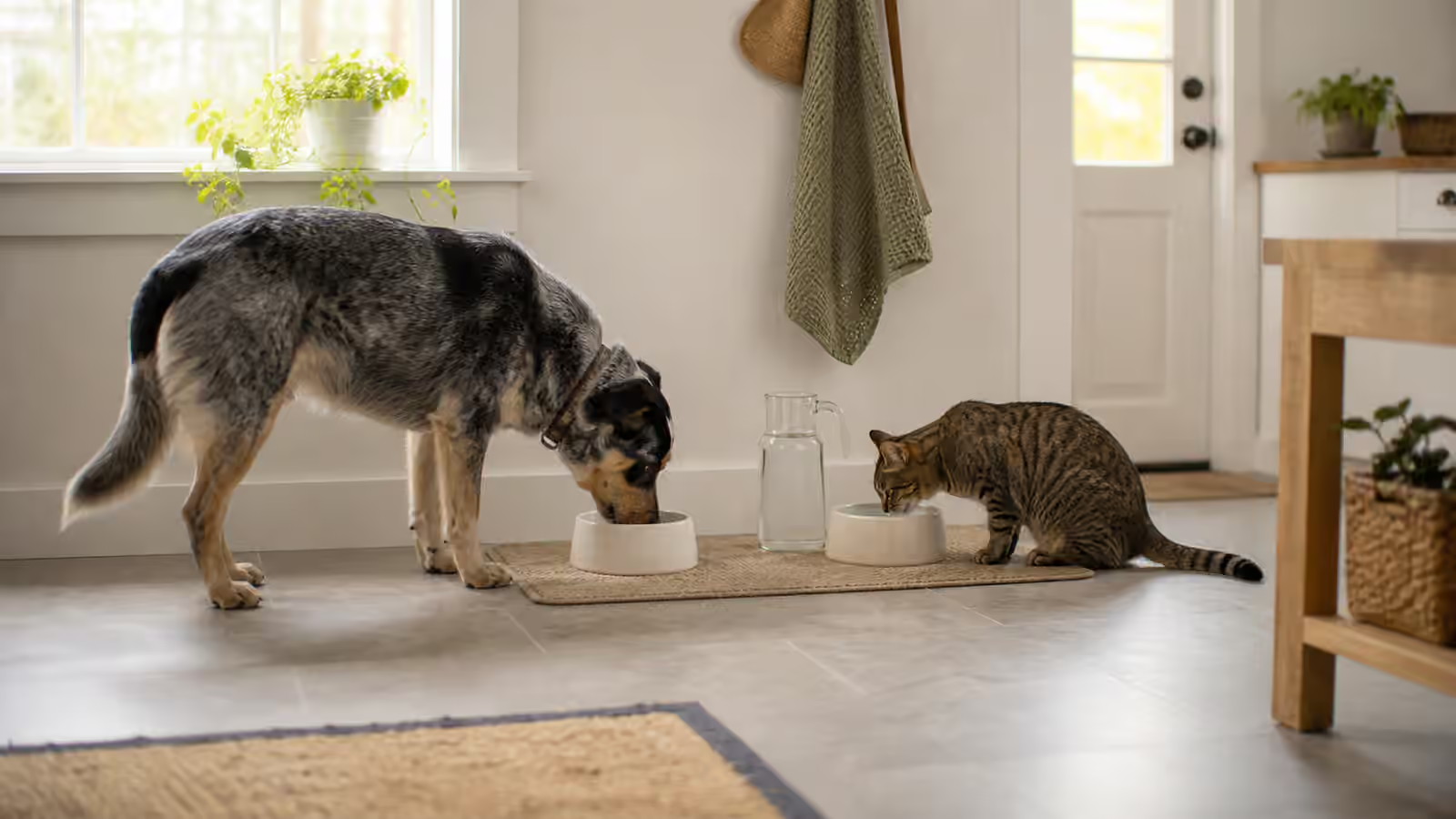
Some dogs drink after every walk. Some need a few minutes before drinking. Some cats avoid water if the dog blocks the station after returning. Water Stations and Hydration Routines for Pets helps because water placement should survive the busiest moments of the day, not only quiet ones.
Place water where the dog can reach it without standing in the main doorway. If the dog splashes or drips, put the bowl on a washable surface. If the dog drinks heavily after exertion or weather exposure, watch for changes without pretending to diagnose them. Health questions belong with a veterinarian.
Decompression can be simple. After leash, paws, and water, give the dog a predictable next option: rest on a bed, chew an appropriate item under supervision, settle near the person, or move to a quiet room. Pet Enrichment for Bored Dogs and Cats offers ideas, but the post-walk moment often needs less excitement, not more.
Reset The Gear So The Next Walk Starts Calmly
The entryway is also where future walks are made easier or harder. Hang the leash. Refill waste bags if needed. Move wet towels to the laundry basket. Check harness fit if something rubbed. Put treats or keys back where they belong. If gear scatters after every walk, the next walk begins with searching, frustration, and a dog who is already escalating.
Harnesses, Collars, and Leashes Explained is the deeper guide for fit and use, but storage is part of gear success. A harness that lives in a pile is more likely to be clipped in a hurry. A leash that always returns to the same hook makes the walk cue clearer.
An entryway reset should feel short. It is not a punishment after outdoor time, and it is not a performance for guests. It is a few ordinary steps that close the door, slow the body, protect the floor, respect indoor animals, and return the household to a readable state. When those two minutes work, the walk ends cleanly instead of following everyone into the kitchen.