Apartment dogs do not begin their walks at the sidewalk. They begin at the door, the hallway, the elevator, the lobby, the stairwell, the mail area, and the narrow place where another person may appear without warning. A dog who seems difficult outside may be carrying pressure that started three transitions earlier. The building is part of the walk, and it deserves its own routine.
This guide fits beside Apartment Pet Setup for Dogs and Cats and Sidewalk Greetings and Passing Dogs Calmly . Apartment setup covers the home. Sidewalk greetings cover outside movement. The shared building routine connects the two. It asks how the dog leaves the apartment, waits near doors, passes neighbors, rides an elevator, and returns home without each threshold becoming a burst of speed.
Start before the apartment door opens
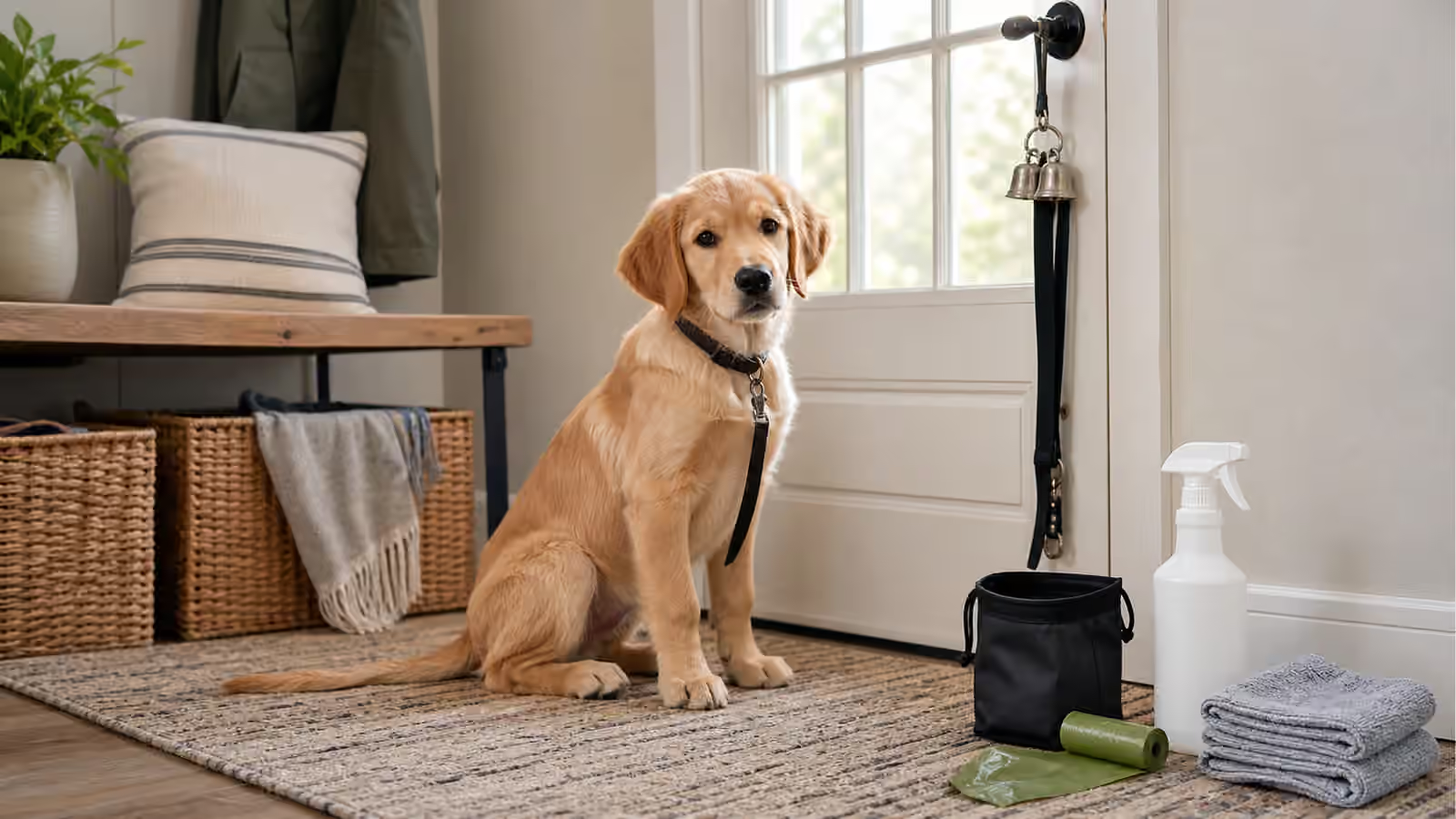
The hallway routine starts inside the home. If the dog reaches the door already pulling, barking, or spinning, the building has to absorb that energy. Create a short pause before the door opens. The dog does not need a perfect formal stay. They need a repeatable picture: gear goes on, the person checks the hallway, the dog waits several steps back, and the door opens only when the handler has room to move.
Door-Dash Prevention for Dogs and Cats covers this threshold in detail. For apartment dogs, the reason is not only escape. It is the fact that the door may open into another dog, a delivery cart, a neighbor carrying food, or a child running past. A few feet of space inside the apartment gives the person time to listen, look, and step out with control.
Keep the leash routine boring. Clip the leash before the dog reaches the door. Check the harness or collar in the same place each time. Keep waste bags and treats where they can be reached without searching. A dog waiting while the person hunts for keys is often rehearsing frustration before the walk begins.
Treat hallways as narrow trails
Shared hallways are hard because they remove options. Dogs cannot curve widely around each other. People may feel social pressure to keep moving or to apologize while the dog is already over threshold. Corners hide surprises. Doors open directly into the path. Smells collect along baseboards and thresholds. A hallway is not a neutral empty tube to a dog. It is a dense trail of information.
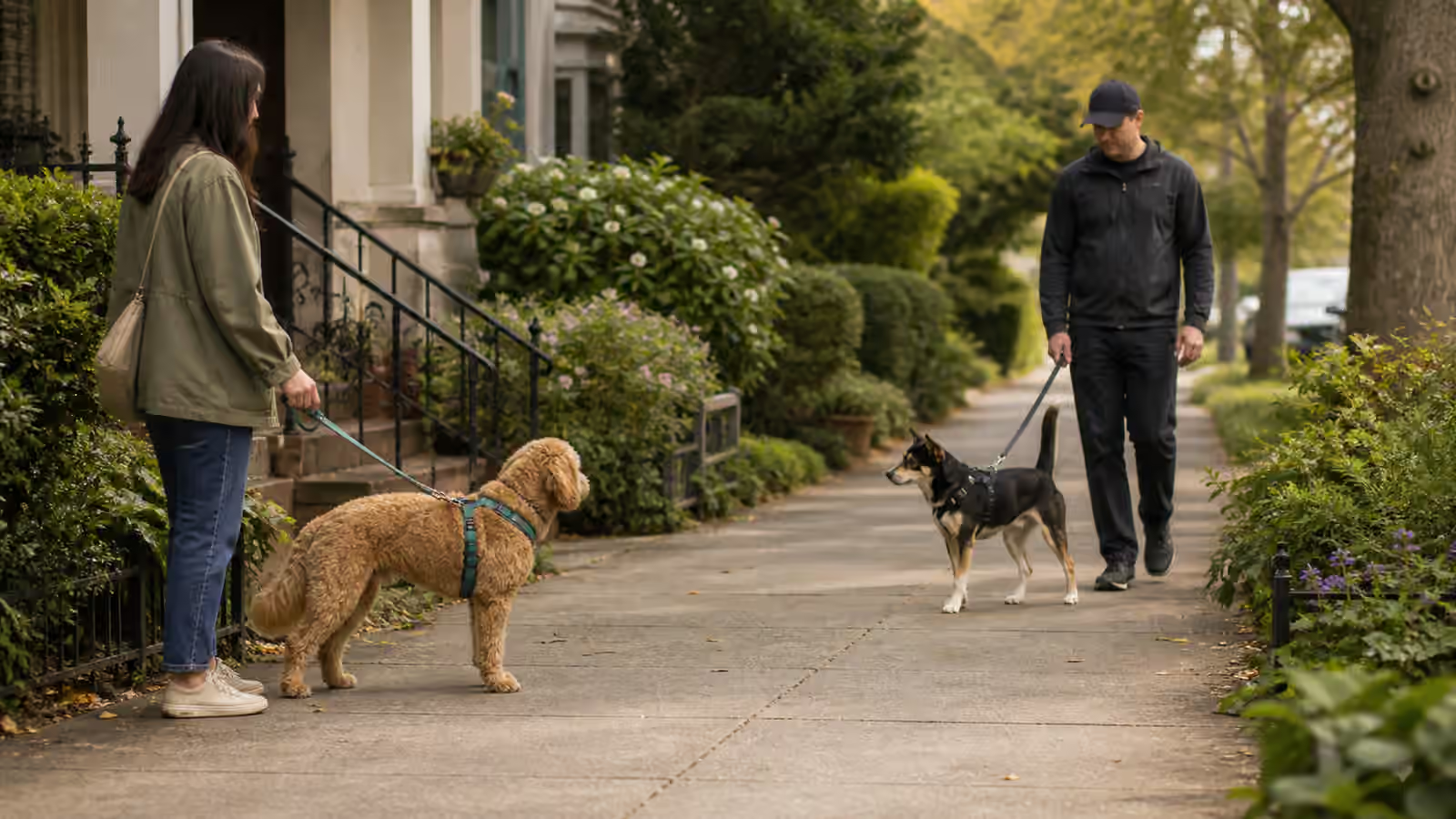
Use distance wherever the building allows it. Pause at your own door and listen before stepping out. If another dog appears, return inside if that is the easiest clean option. If there is a wider spot near a stairwell, alcove, or end of hall, use it as a waiting area. If the hallway is too narrow for greetings, do not make greetings the default. A polite nod to a neighbor is enough. Your dog does not need to meet every dog who shares the floor.
Body language matters here because reactions build quickly in tight spaces. A dog who closes the mouth, stares, rises onto toes, sniffs frantically, leans forward, or slows down may already need more room. Reading Pet Body Language at Home applies outside the living room too. The earlier you notice the shift, the more likely you can pause, turn, feed, or move away without a scene.
Make elevator waiting a separate skill
Elevators combine several difficult pieces: a small moving room, opening doors, surprise passengers, mirrors or shiny surfaces, tight quarters, and a pause that invites staring. Many dogs struggle less with the ride itself than with the moment before the doors open. They learn that the elevator predicts sudden appearances.
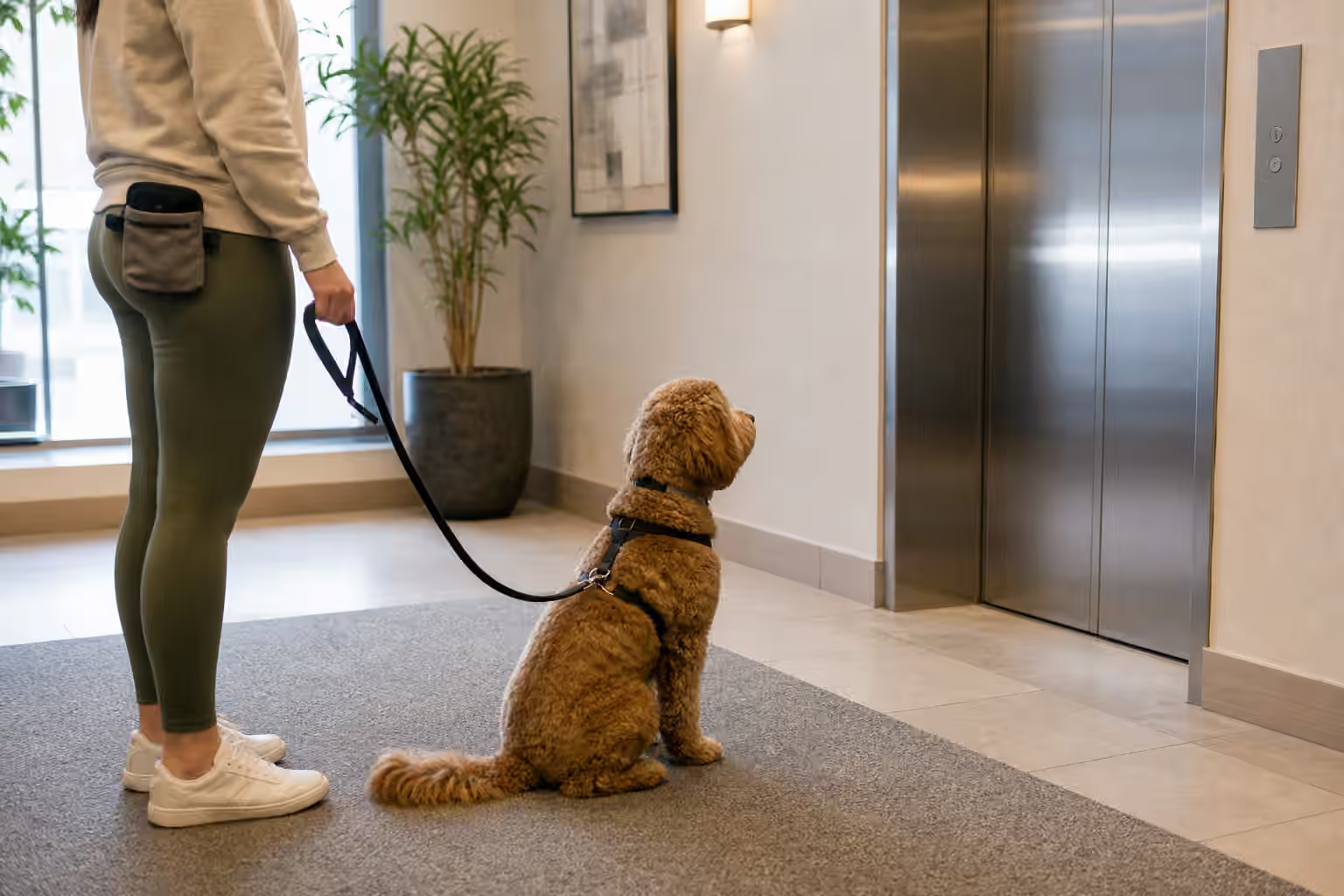
Wait several feet back from the doors when possible. Stand to the side rather than directly in front of the opening. Keep the leash short enough for safety but not tight enough to load the dog forward. When the doors open, look before entering. If another dog, crowded group, stroller, or maintenance cart is inside, skip that car and wait for the next one when that is the safer choice.
Inside the elevator, choose a position that gives the dog a clear job. Some dogs do best beside the person’s leg facing away from the doors. Others settle better in a corner with the person between them and incoming passengers. Reward quiet orientation toward you if food is appropriate and the dog can eat calmly. Do not lure the dog into another dog’s face or let strangers reach into the dog’s space because the ride is short. A short ride is still long enough for a bad rehearsal.
Give neighbors a simple script
Shared buildings are social, and dogs often become part of hallway conversation. The challenge is that friendly people may create hard dog moments by bending down, talking in a high voice, reaching over the dog’s head, or stopping in a tight path. Decide your script before you need it. A calm “We are going to pass today” or “He needs space in the hallway” is clearer than a nervous explanation delivered while the dog is pulling.
The script should match the dog’s actual capacity. Some dogs can greet selected people in the lobby after a pause. Some should not greet in shared spaces at all. Some can pass dogs outside but not in the elevator. The handler’s job is to make the easy version available, not to prove the dog can handle the hardest version because a neighbor is waiting.
This connects to Visitors and Doorway Routines for Pets because the same social pressure appears at the apartment door. People often reward the most excited moment because they want to be friendly. A good routine protects the dog from needing to decide what politeness means.
Use stairs and lobbies thoughtfully
Stairs can be easier than elevators for some dogs and harder for others. They may offer more space, or they may create echoing sounds, blind corners, slippery treads, and sudden meetings on landings. If stairs are part of the plan, keep speed controlled and watch traction. Stairs, Slippery Floors, and Traction for Pets is relevant because a dog rushing down polished stairs is not only a manners problem.
Lobbies add a different kind of difficulty. They may include automatic doors, mailboxes, delivery carts, people waiting, other dogs entering from outside, and smells from the street. Do not treat the lobby as the place to fix everything. If the lobby is busy, move through with a practical plan: create space, keep the dog near you, avoid greetings when the path is tight, and continue to the calmer outdoor area where choices are easier.
For dogs who get excited at the return home, the lobby and hallway routine matters on the way back too. A dog who pulls hard toward the apartment may be tired, overstimulated, thirsty, or simply rehearsing the fastest path. Use the same calm pieces in reverse. Pause where there is room, enter the apartment with space, and let the dog decompress before adding grooming, feeding, or play.
Practice during quiet building moments
Do not save all practice for peak elevator traffic. Use quiet times to rehearse the pieces without needing a full walk. Open the apartment door, step into the hall, return. Walk to the elevator, reward calm waiting, and go back home. Ride one floor during a quiet period if the dog is ready. Stand in the lobby for ten seconds and leave before the dog scans for trouble. Small sessions teach the dog that shared spaces are not always the start of a high-pressure event.
Keep the practice honest. If the dog cannot eat, look away, or recover, the step is too hard. Increase distance, shorten duration, or practice inside the apartment with hallway sounds first. Noise-Sensitive Pets at Home can help when the problem is partly elevator dings, hallway voices, carts, or doors rather than other dogs.
Apartment transitions improve when the building stops being a surprise course. The dog learns where to wait, how the person handles doors, what happens when an elevator opens, and why not every neighbor is a greeting. The person learns to choose space before tension rises. A calmer sidewalk often begins with a calmer hallway.