Dog potty routines work best when the household stops treating bathroom trips as a surprise. Dogs are not born understanding which door matters, which patch of grass is acceptable, how long people expect them to wait, or why an indoor rug is different from the outdoor ground. Puppies need frequent repetition because their bodies and habits are still developing. Newly adopted adult dogs may have old skills that do not transfer cleanly to a different door, schedule, surface, or apartment building.
The practical goal is simple: make the right bathroom choice easy to predict, easy to reach, and easy to reward. That does not require drama. It requires a visible route, close supervision during risky moments, quick cleanup when mistakes happen, and enough patience to let the routine become ordinary.
Start With The Route
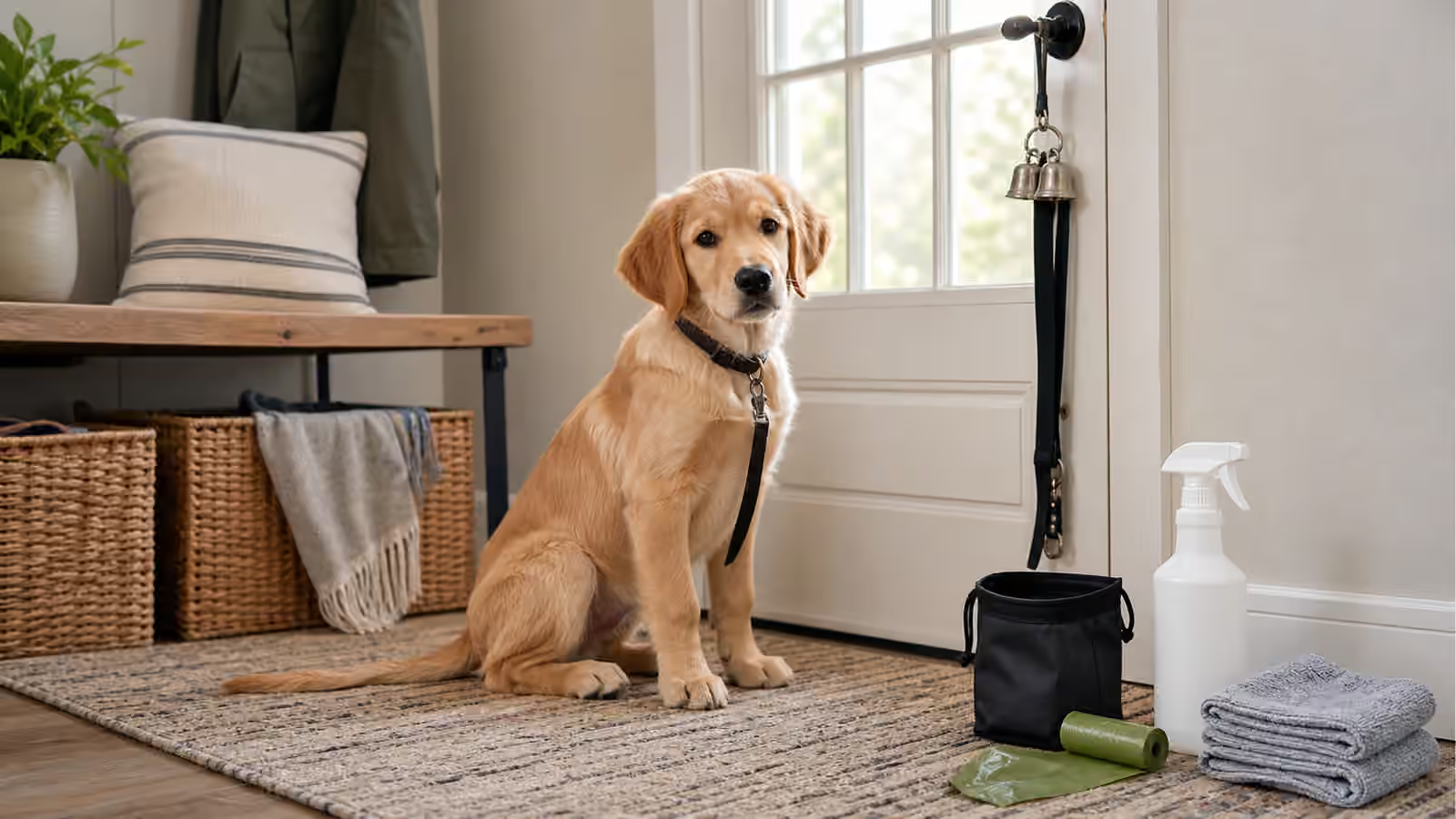
A dog learns faster when the bathroom route stays boring. Use the same door when possible, keep the leash in the same place, and walk to the same general outdoor area at first. The route itself becomes part of the cue. If every trip begins from a different room, with different gear, after a different amount of household noise, the dog has more pieces to decode before the actual bathroom behavior even starts.
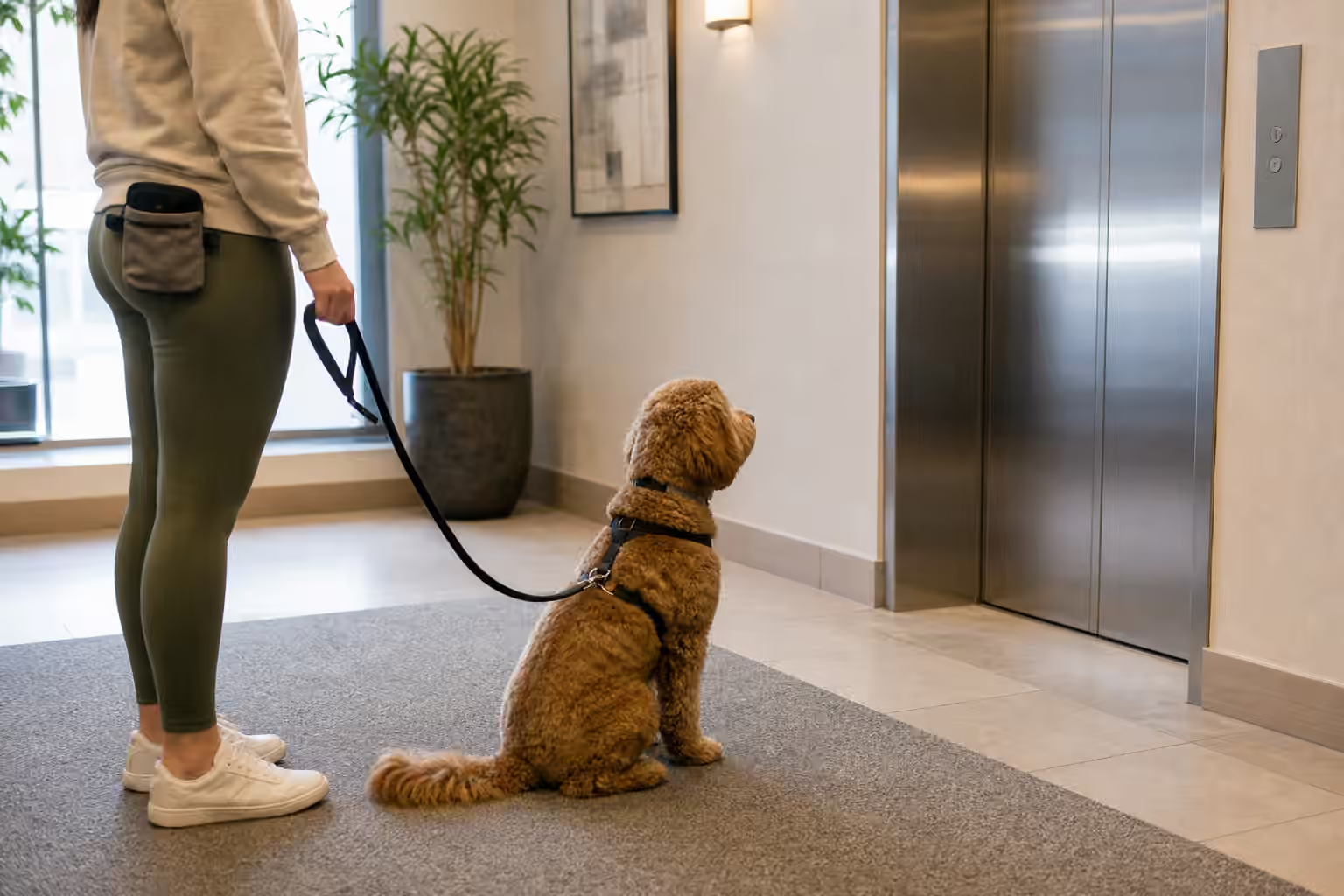
For puppies, this route should be short and easy enough to use while the puppy is still sleepy. For adult dogs, it should be calm enough that the dog can think. A newly adopted dog who has to pass an elevator, a lobby, and several barking dogs before finding a patch of grass may not be failing at house training. The trip may simply be too stimulating. The First Month With an Adopted Adult Dog is useful here because decompression and bathroom routines often develop together.
Apartments add another layer. The dog may need to hold it while waiting for an elevator, passing neighbors, or reaching a shared outdoor area. That makes timing more important, not less. If the dog is already frantic by the time the leash appears, the household is starting too late. Use the setup ideas from Apartment Pet Setup for Dogs and Cats to make the entry predictable before the hallway becomes part of the problem.
Learn The Timing Before Blaming The Dog
Most accidents have a pattern. Puppies often need to go after waking, after meals, after active play, after drinking, before confinement, and after any exciting transition. Adult dogs may need a trip after a long nap, after visitors leave, after a stressful walk, or after a schedule change. Senior dogs may need shorter intervals than they used to need, and that change deserves both a setup response and a veterinary conversation when it is new or persistent.
The household should observe before it argues. If the dog sniffs corners, circles, leaves the room, moves toward the door, becomes restless, or suddenly disengages from play, take the dog out instead of waiting for proof. Reward outside immediately after the dog finishes, while the connection is clear. A treat after returning indoors may be pleasant, but it does not mark the outdoor choice as precisely.
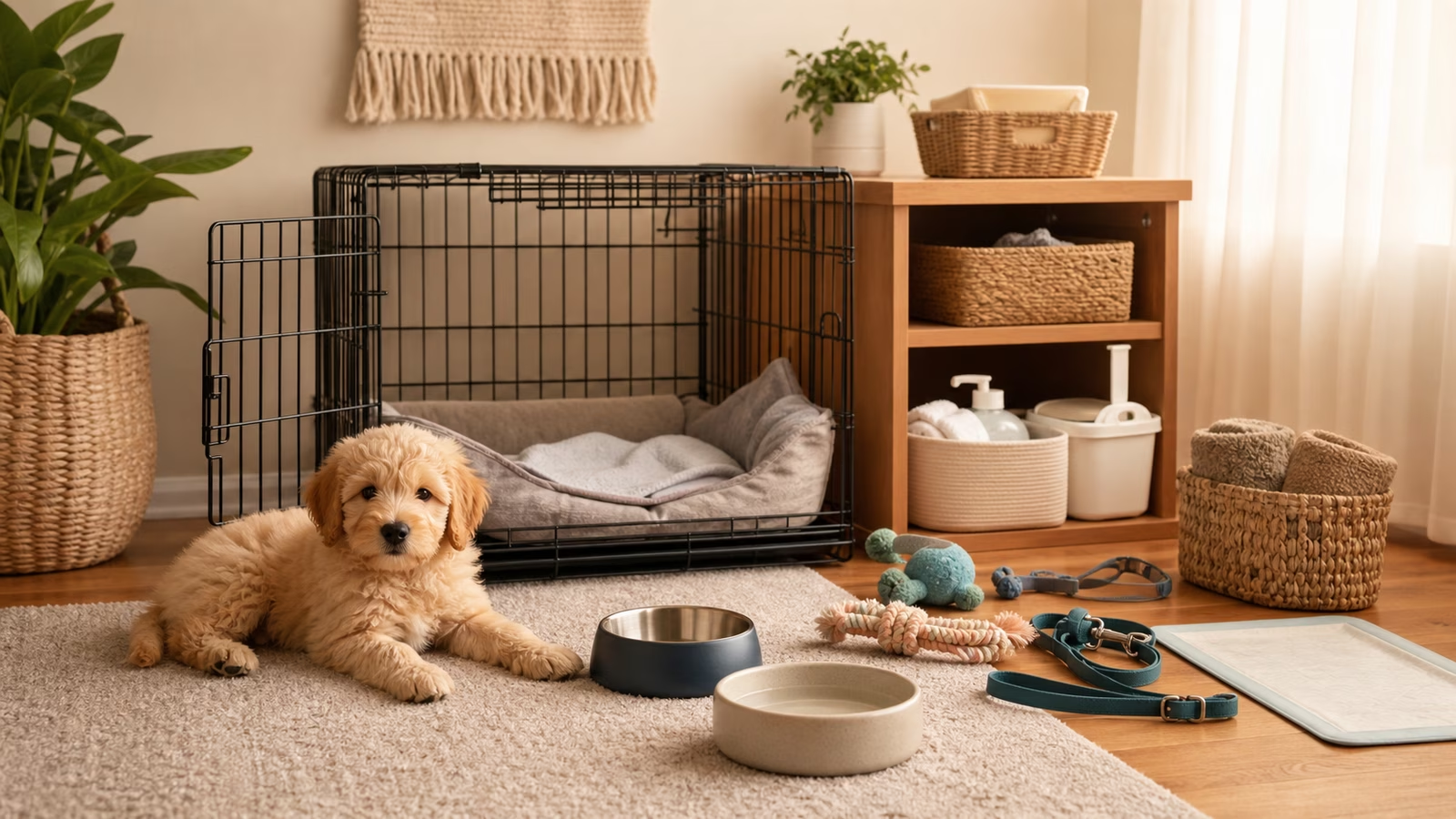
Do not turn the outdoor trip into a long social event every time. If the dog learns that bathroom trips always become a full walk, they may spend the first ten minutes scanning, sniffing, and delaying. It can help to keep some trips focused and quiet. Bathroom first, then a little sniffing or a walk if that is part of the plan. This is especially important for puppies, who may forget the original purpose once the world becomes interesting. The first-week rhythm in New Puppy First Week Checklist fits naturally with this approach.
Supervision Is A Layout Decision
House training is not only a dog training issue. It is a room management issue. A dog who has full access to several rooms can disappear behind a couch, choose a hallway rug, or make a mistake in a room no one checks. A smaller supervised area gives people a better chance to notice signals and interrupt gently before an accident happens.
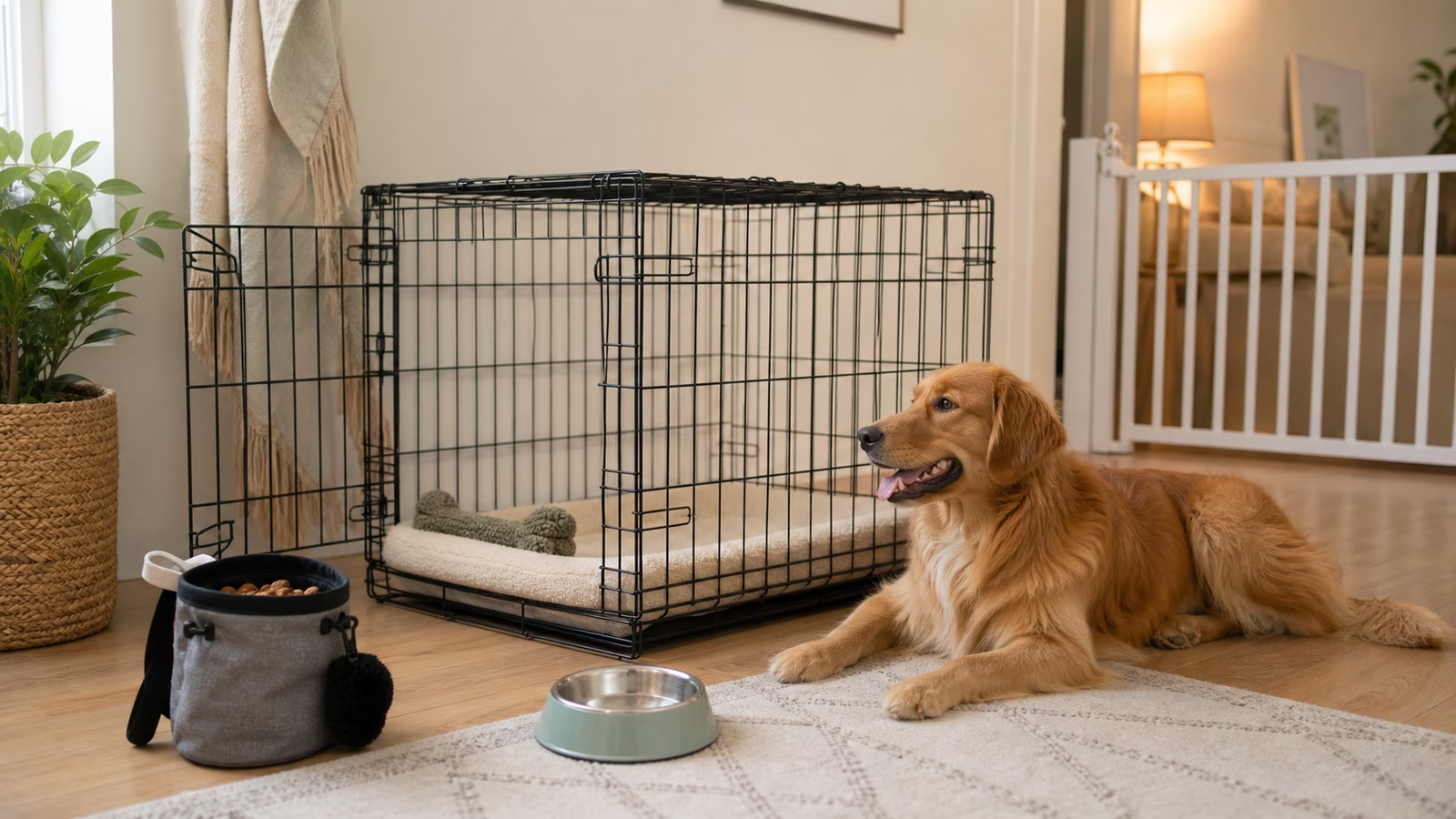
Use gates, closed doors, crates that are introduced kindly, leashes, or a nearby bed to keep the dog in the part of the home where supervision is real. This should not feel like punishment. It is how the dog gets enough repetitions of the right pattern before freedom expands. Pet-Proofing Rooms Before Giving More Freedom covers the same principle for chewing, plants, cords, and household hazards. Bathroom routines use that principle for timing and visibility.
The mistake is expanding freedom after one good day and then acting shocked when the dog cannot manage a larger map. Add space slowly. A dog who is reliable in the kitchen and living room may not yet understand the spare bedroom, basement, guest room, or upstairs hallway. Every new area needs supervision at first because the dog has not practiced the bathroom rule there.
Cleanup Should Be Calm And Thorough
An accident is information. It tells you that timing, supervision, access, health, stress, or cleaning needs attention. It is not a useful moment for scolding. If you find the accident after the fact, the dog cannot connect your frustration to the bathroom choice in a clear way. If you interrupt the dog in the act, keep your voice plain, move outside if possible, and reward if the dog finishes outdoors.
Clean with an enzymatic cleaner made for pet accidents and follow the product directions. The point is not perfume. The point is removing odor cues that may keep the spot meaningful to the dog. Blot and clean the full area, including rug pads or seams when needed. If the accident happened on washable bedding, wash it promptly and check whether the bedding location is too far from the bathroom route or too large for a puppy’s current skills.
Pet Cleaning Setup for a Fresher Home pairs well with potty routines because supplies should live where they are used. If cleaner, towels, bags, and laundry steps are scattered around the house, people delay cleanup. Delayed cleanup makes the home harder to read and turns a training problem into an odor problem.
Handle Door Cues Carefully
Some households teach a dog to ring a bell, sit by the door, scratch a mat, or come find a person. Door cues can help, but they are not magic. A bell can become a request to go outside for any reason. Scratching can damage a door. Standing silently at the door only works if someone is watching. Choose a cue the household can notice and maintain.
Before teaching a cue, make sure the timing is already fair. A puppy who needs to go every thirty minutes cannot be expected to negotiate a complex signal. An adult dog who has not learned which door matters needs repeated escorted trips first. Once the route is clear, mark the door moment softly. Pause at the door, use the same phrase if you use one, go out, and reward the outdoor bathroom choice. The cue should be part of a reliable sequence, not a trick isolated from the body need.
Adjust For Weather, Stress, And Change
Rain, heat, cold, fireworks, construction, visitors, travel, and moving can all disrupt bathroom routines. A dog who normally goes quickly may hesitate on wet grass. A dog who is worried by thunder may refuse the yard. A dog staying with a sitter may not understand the new door. These are not moral failures. They are transition problems.
When conditions change, make the routine smaller again. Use a familiar route, choose a quieter time if possible, and reward success generously. After a move, treat the first days as a new map. Moving Homes With Pets Without Losing the Routine is useful because bathroom habits often wobble when the rest of the environment changes. For rain and mud, connect the trip to Rainy-Day Pet Routines for Dogs and Cats so paw cleaning and floor protection do not become separate battles.
Fade Help Slowly
A good potty routine should eventually feel unremarkable. The dog wakes, goes out on a fair schedule, uses the right area, returns, and continues the day. To reach that point, fade support gradually. Lengthen intervals only when success is steady. Open new rooms only when supervision remains realistic. Reduce treats slowly after the behavior is fluent, but keep praise and the routine clear.
If accidents return, do not assume the dog is being defiant. Tighten the schedule, shrink the map, improve cleanup, and look for changes in health, stress, food, water, medication, weather, or household rhythm. The answer is often in the pattern. A calmer bathroom routine comes from reading that pattern early, then changing the setup before the rug becomes the dog’s best guess.