A crate is not a magic obedience box. Used well, it is a safe rest spot, travel skill, and management tool. Used badly, it becomes a place the dog fears. The difference is pacing.
Choose the right setup
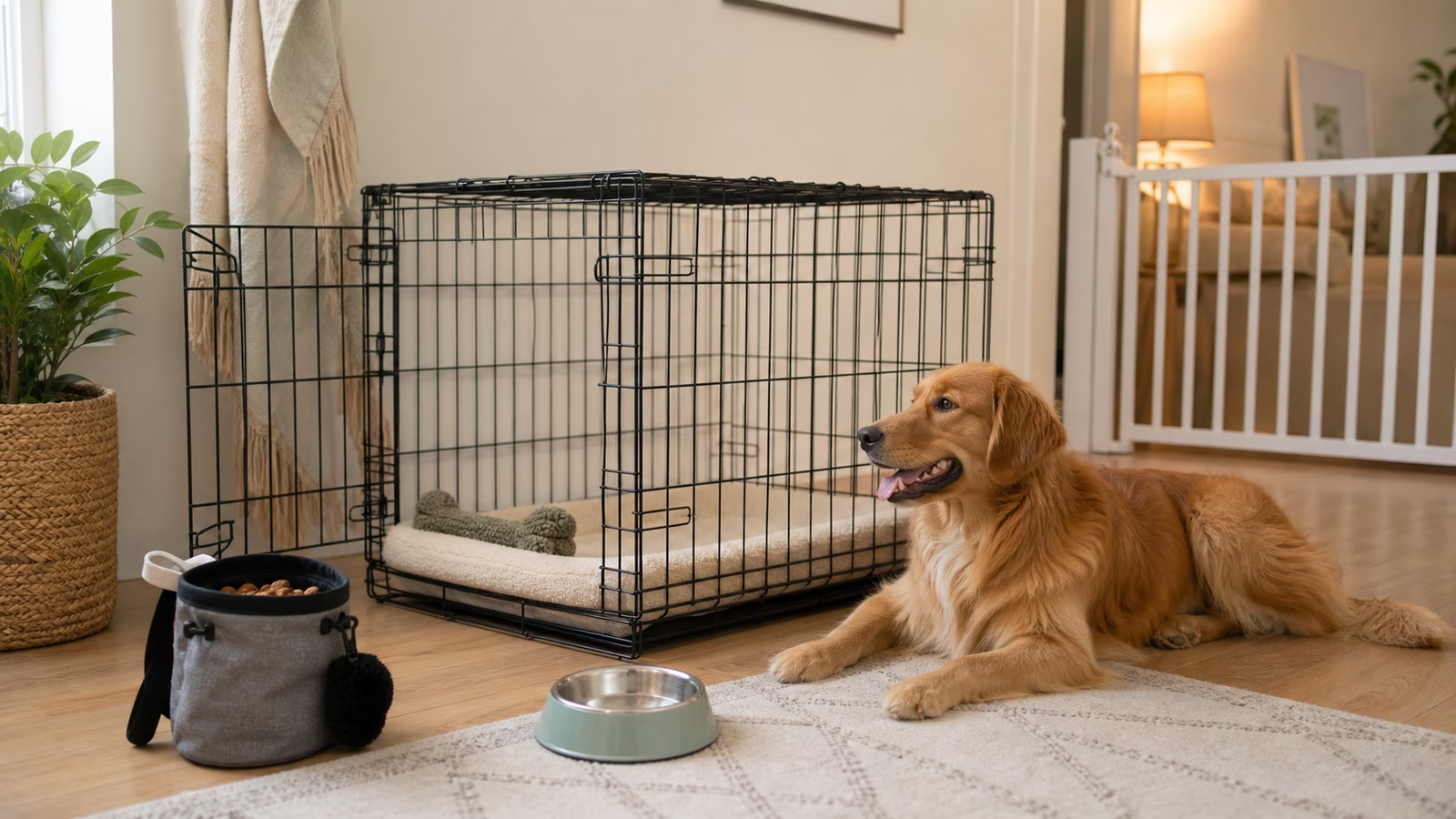
The crate should fit the dog, the room, and the purpose. A puppy crate usually needs a divider so the space stays cozy rather than huge. An adult dog needs enough room to stand, turn, and lie down comfortably. Put the crate near household life for daytime practice and somewhere you can hear the dog at night.
Add a washable mat if the dog does not chew bedding, and keep collars, dangling tags, and unsafe toys out of the crate. For some dogs, a breathable crate cover helps reduce visual stimulation. For others, it makes the space feel too closed in. Watch the dog, not the product photo.
Start with open-door value
For the first sessions, the door does not need to close. Toss treats in. Feed part of a meal near the crate, then inside the crate. Let the dog walk in, turn around, and leave. When they choose to hang out, quietly reward.
Then close the door for one second, open it before worry appears, and repeat. Build from seconds to minutes. If the dog gets noisy, do not treat noise as the starting point for every release, but also do not wait for a meltdown. Make the next repetition easier.
Build a simple schedule
Crate practice works best around natural rest. A puppy may potty, play, chew, train for a minute, then nap. An adult dog may settle after a walk or enrichment game. Place crate time after needs are met, not when the dog is bursting with energy or bathroom urgency.
Use the same cue, the same calm reward, and the same release word. Predictability lowers confusion.
Nighttime routines
Nighttime is not the time to test toughness. Put the crate where you can hear the dog. Puppies may need bathroom breaks. Keep breaks boring: out, potty, quiet reward, back to sleep. Avoid turning every wakeup into play.
If the dog is genuinely afraid, move the crate closer first. Distance can be added later.
Common mistakes
The biggest mistakes are going too long too soon, using the crate after scolding, ignoring bathroom needs, giving unsafe chews, and expecting the crate to replace exercise, training, or companionship. Crate training should make the household calmer. If it is increasing panic, the plan needs to change.
Crate fit checklist
- The dog can stand, turn around, stretch into a normal lying position, and enter without ducking painfully.
- The crate is placed where the dog can rest but is not isolated from all household life.
- Collars, tags, and unsafe toys are removed before unsupervised crate time.
- Bedding is washable and safe for this dog; skip soft bedding if the dog shreds or eats fabric.
- The door closes only after open-door value is already familiar.
Crate decision table
| Dog response | What it usually means | Next step |
|---|---|---|
| Walks in for treats and leaves calmly | The crate is becoming familiar. | Add one-second door closes. |
| Whines briefly but settles | The step may be slightly hard but recoverable. | Shorten the next round and release during calm. |
| Drools, panics, soils, or claws hard | This is beyond normal beginner crate practice. | Stop and call a qualified professional. |
| Chews bedding | The crate contents do not fit the dog yet. | Remove unsafe bedding and reassess chew needs. |
Common beginner mistakes to avoid
- Buying the crate for the adult size only, then leaving a puppy too much bathroom space.
- Covering the crate because it looks cozy without checking whether the dog feels trapped.
- Using crate time to compensate for not enough exercise, potty breaks, or enrichment.
- Waiting for a meltdown before opening the door, which can turn every session into a stress contest.
Buy only after you know the dog
Wait on decorative crate furniture, thick beds, complicated covers, and mounted accessories until you know whether the dog chews, overheats, spills water, or relaxes better with partial visibility. Start with fit, ventilation, secure doors, washable surfaces, and a location that supports rest.
When this is no longer a home setup issue
Crate training needs professional help when the dog injures themselves trying to escape, panics repeatedly, soils from distress, guards the crate, or cannot recover from short easy sessions. If pain, illness, or medication questions are involved, call the veterinarian. For daily routine support, connect this guide with Alone-Time Routines for Pets and Calm Mat Routines for Pets .
What to do next
Practice two or three tiny sessions today, then stop while the dog is still successful. Puppy households should pair this with New Puppy First Week Checklist . For safer out-of-crate management, add Pet Enrichment for Bored Dogs and Cats .
Make the home easier to live in
Pet care guides work best when they honor the real household. For Crate Training Without Confusion, the question is not only what would be ideal in a quiet diagram. It is what a person can repeat while doors open, meals happen, guests arrive, weather changes, and the animal has its own preferences.
Start by watching the pattern before changing the setup. Where does the pet hesitate, rush, hide, scratch, chew, bark, spill, or settle? Which part of the day makes the issue worse? A good observation names the place, trigger, and response instead of turning the animal into a problem to fix.
Then make one environmental change. Move the bowl, add a mat, create a calmer resting spot, adjust the walk routine, protect a threshold, or simplify the storage. Small changes are easier to maintain and easier for the pet to understand.
Keep safety and welfare boundaries visible. If the issue involves injury, ingestion, aggression, severe anxiety, poisoning, heat stress, or sudden behavior change, bring in the appropriate professional. Home setup can support care, but it should not pretend to replace medical or behavioral expertise.
Crate Training Without Confusion should leave the household feeling more legible. The best pet spaces are not showrooms. They are routines the animal can trust and humans can keep.