Furniture rules are easy to postpone because they feel personal. Some households love a dog on the couch. Some want a pet-free bed. Some allow a cat on one chair but not the dining table. The problem is not which reasonable rule you choose. The problem is changing the rule every day, arguing after the pet has already settled, or expecting guests and children to enforce a boundary that the home has never made clear.
A couch, bed, or favorite chair is not just furniture to a pet. It may be soft, warm, high, close to people, full of scent, and located near the best view of the room. If the approved alternative is a thin mat in a drafty corner, the household is not offering an equivalent choice. Good boundaries work because the pet understands where rest belongs and the alternative is comfortable enough to use.
Decide the Rule Before the Pet Is Tired
Furniture arguments often happen at the worst possible moment. The dog is sleepy on the couch, the person wants the seat, the cat is kneading a pillow, or the household is going to bed. A tired pet is not in the best place to learn a new rule, and a tired person is more likely to push, lift, scold, or negotiate inconsistently.
Decide the first rule during the day. Is the couch always allowed, never allowed, or allowed only on a covered spot by invitation? Is the bed open to pets, closed at night, or available only after the morning alarm? Are kitchen chairs, desks, and dining surfaces different from sofas and window perches? The clearer the human answer, the less the pet has to test.
The rule should fit the real household. If one person wants a dog-free couch and another invites the dog up every evening, the dog is not confused by accident. The people have created a rule with two meanings. If a cat is allowed on the office chair but pushed off every time the person returns, the chair may become a contest. A boundary that humans cannot repeat is not yet a training plan.
Make the Legal Spot Worth Choosing
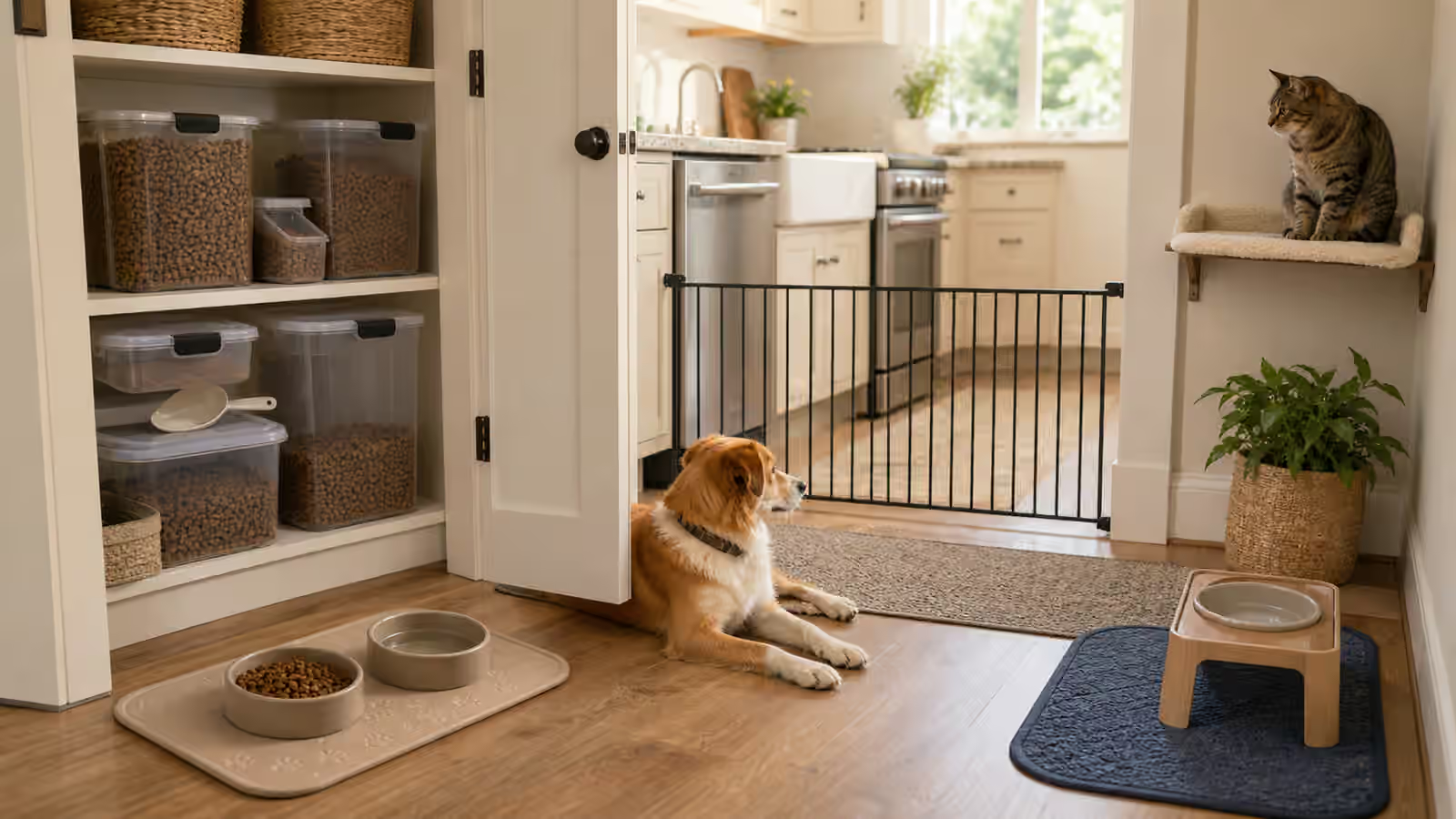
The approved resting place should solve the same problem the furniture solved. If the dog wants proximity, put the dog bed near people rather than across the room. If the cat wants height, offer a perch, shelf, or chair that is legal. If the pet wants warmth, use bedding that feels inviting and can be washed. The broader setup in Pawstead for Beginners applies here: every item needs a job, and rest is one of the biggest jobs in the house.
For dogs, a floor bed beside the couch can work well when the household rewards the dog for choosing it before the dog jumps up. For cats, a perch near the room’s activity may be more successful than a bed hidden in a low corner. Cat Vertical Space and Safe Routes is useful when the furniture problem is really a height problem. The cat may not care about the sofa itself as much as the route, view, or safety it provides.
If furniture access is sometimes allowed, make the allowed version visible. A washable throw can mark the pet spot. A cue can invite the dog up. A separate release can ask the dog to step down for a treat or another resting place. The pet does not need legal language. They need repeated pictures: this cover means yes, this cue means up, this mat means rest, this dining chair is never part of the pet map.
Teach Getting Down Without Conflict
Moving a pet off furniture should not become a physical argument. Pushing, dragging, collar grabbing, or looming over a resting animal can create fear or guarding. Teach an off routine when stakes are low. Toss a treat to the floor, praise the pet for stepping down, and then redirect to the legal bed or perch. Practice when the pet is awake and relaxed, not when everyone is irritated.
Dogs can learn that stepping off leads to something good and does not always mean losing comfort forever. Cats may need a more environmental answer: block access when unsupervised, make the legal perch better, or change the room so the cat is not repeatedly rehearsing the forbidden surface. A cat who jumps on a table for food crumbs needs a food and cleanup plan. A cat who jumps on a desk for attention needs a nearby legal station, especially in a work area like Working From Home With Dogs and Cats .
If a pet freezes, growls, curls a lip, swats, snaps, or guards the furniture, stop practicing casual removals. The problem has moved beyond ordinary boundaries. Use management, avoid confrontation, and work with a qualified professional. Furniture guarding can involve fear, pain, resource value, or a history of rough handling, and it should not be escalated at home.
Connect Bed Rules to Sleep
Bed rules affect nights more than people expect. A dog who is invited up for cuddling at 9 p.m. and pushed off at midnight may keep trying because the bed was already part of the evening. A cat who learns that scratching the bedroom door earns entry may repeat the routine earlier and earlier. Pet Sleep and Overnight Routines is the deeper sleep plan, but the furniture piece is straightforward: choose the nighttime picture before bedtime.
If pets sleep on the bed, plan for space, hygiene, and safe movement. Washable covers, stairs or ramps for pets who need them, and a clear place for each animal can reduce conflict. If pets do not sleep on the bed, make the floor bed or cat perch comfortable before lights out. Do not wait until the pet has been removed five times to make the alternative appealing.
Senior pets deserve special care. A dog who used to jump onto the couch may hesitate because the floor is slippery or the joint movement is harder. A cat who misses a jump may need lower steps or a different perch. Senior Pet Home Setup for Dogs and Cats can help you separate rule problems from access problems. A pet who suddenly struggles with furniture may need a veterinary conversation, not just a stricter command.
Make Guest and Child Rules Simple
Furniture boundaries change when visitors arrive. A guest may invite the dog onto the couch, roughhouse on the floor, or pick up a cat who was resting. Children may crowd a pet on a bed or use the couch as a play zone while the pet is trapped between bodies. The safest rule is often the simplest one: resting pets are not bothered, and pets have an exit.
Children and Pet Boundaries at Home pairs closely with furniture rules because couches and beds make animals easier to corner. A dog on a couch cannot always move away if people sit on both sides. A cat under a blanket may be startled by a hand or a jumping child. If the home includes children, guests, or multiple pets, protected rest matters more than whether the furniture policy feels relaxed.
For visitors, prepare before the door opens. If the dog will guard the couch, the dog should not be loose around guests on that couch. If the cat needs a quiet room, set it up before the social noise starts. Visitors and Doorway Routines for Pets keeps the greeting from spilling directly into furniture conflict.
Keep Cleaning Part of the Rule
Furniture rules are easier to keep when cleaning is not a daily resentment. If pets are allowed on upholstered furniture, use washable throws, rotate covers, keep grooming tools nearby, and clean before odor or fur becomes the reason people suddenly change the policy. If pets are not allowed, still provide legal beds that can be washed. A clean pet bed is more inviting than a flat mat covered in old hair.
Pet Cleaning Setup for a Fresher Home helps because furniture boundaries are not only training. They are laundry, fabric, fur, mud, litter dust, and food residue. The household is more likely to stay consistent when the rule makes daily life easier rather than creating one more fight.
Furniture can be part of a warm pet home without becoming the center of every disagreement. Choose the rule, make the legal resting place meaningful, teach movement without conflict, and protect rest during nights, visits, and busy family moments. The pet should not have to guess which version of the couch exists today. A clear rule, kindly repeated, is easier for everyone to live with.