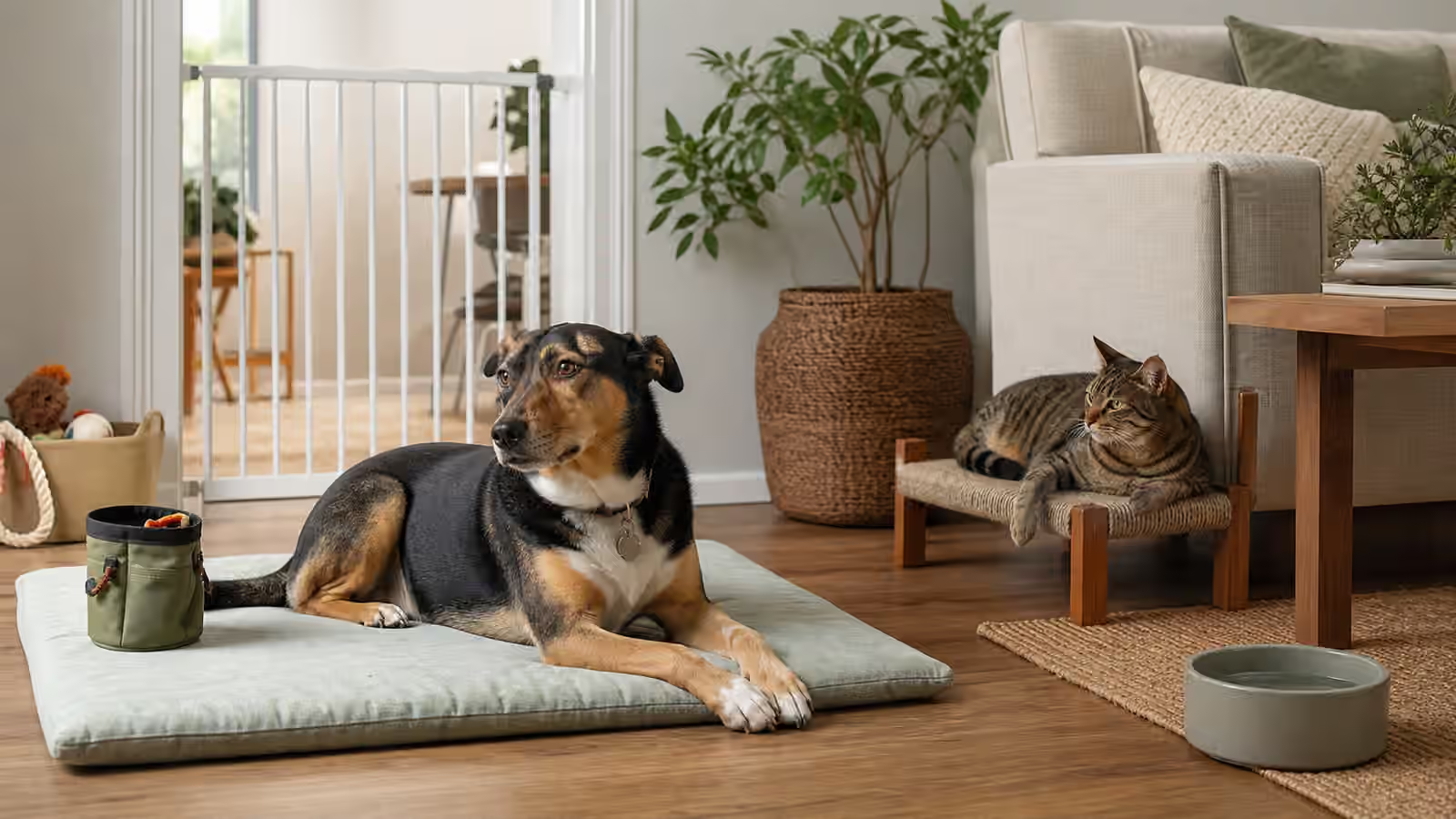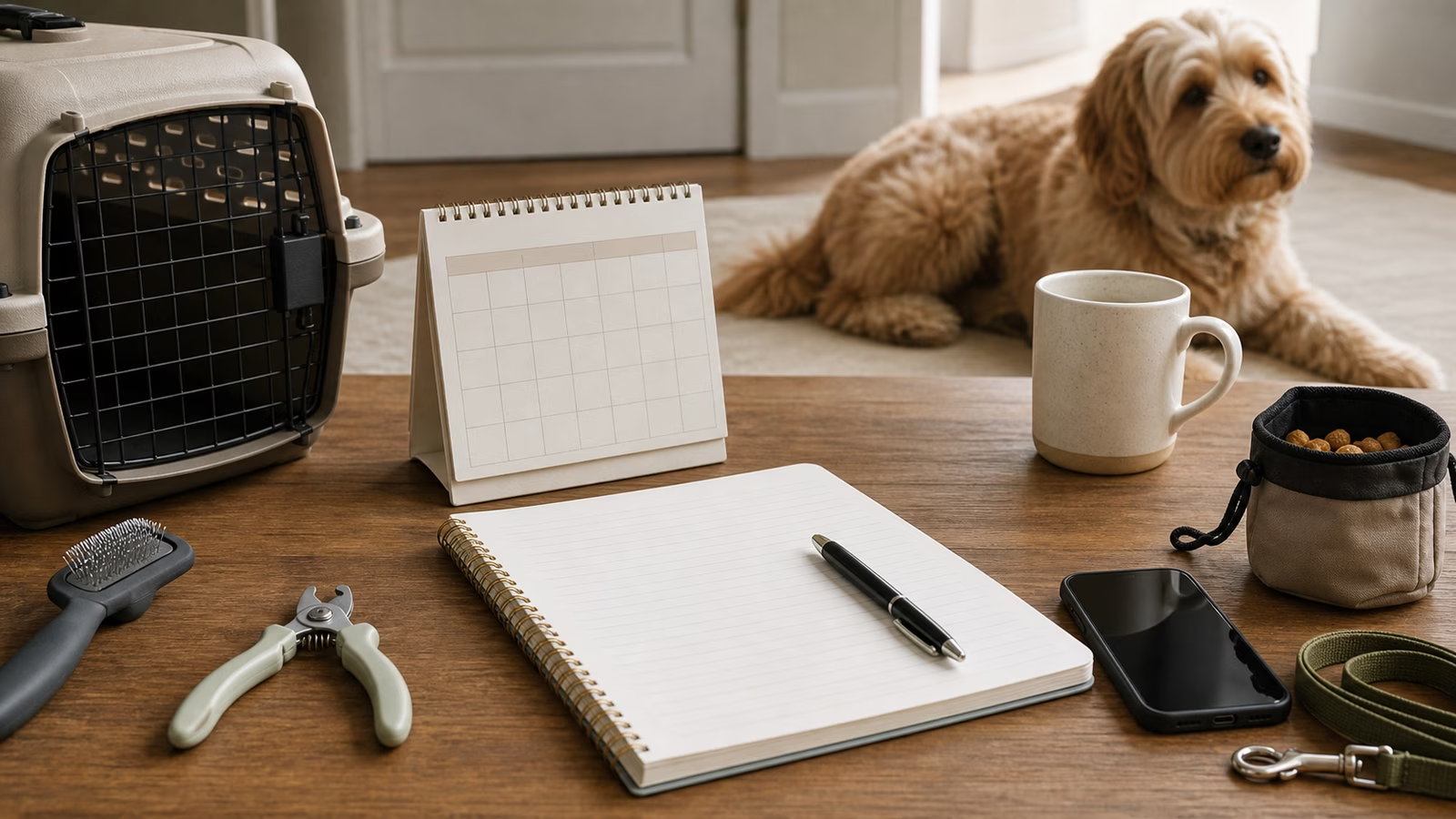
Grooming is easier when it is not saved for the day the coat is tangled, the nails are long, the paws are muddy, or the pet already expects a struggle. Cooperative handling turns grooming into a set of small familiar moments rather than a surprise event.
The word cooperative matters. It does not mean the pet gets to make every household decision. It means the setup gives the pet enough clarity, pauses, and reward history that normal care can happen without force becoming the main tool.
Build a grooming station before you need it
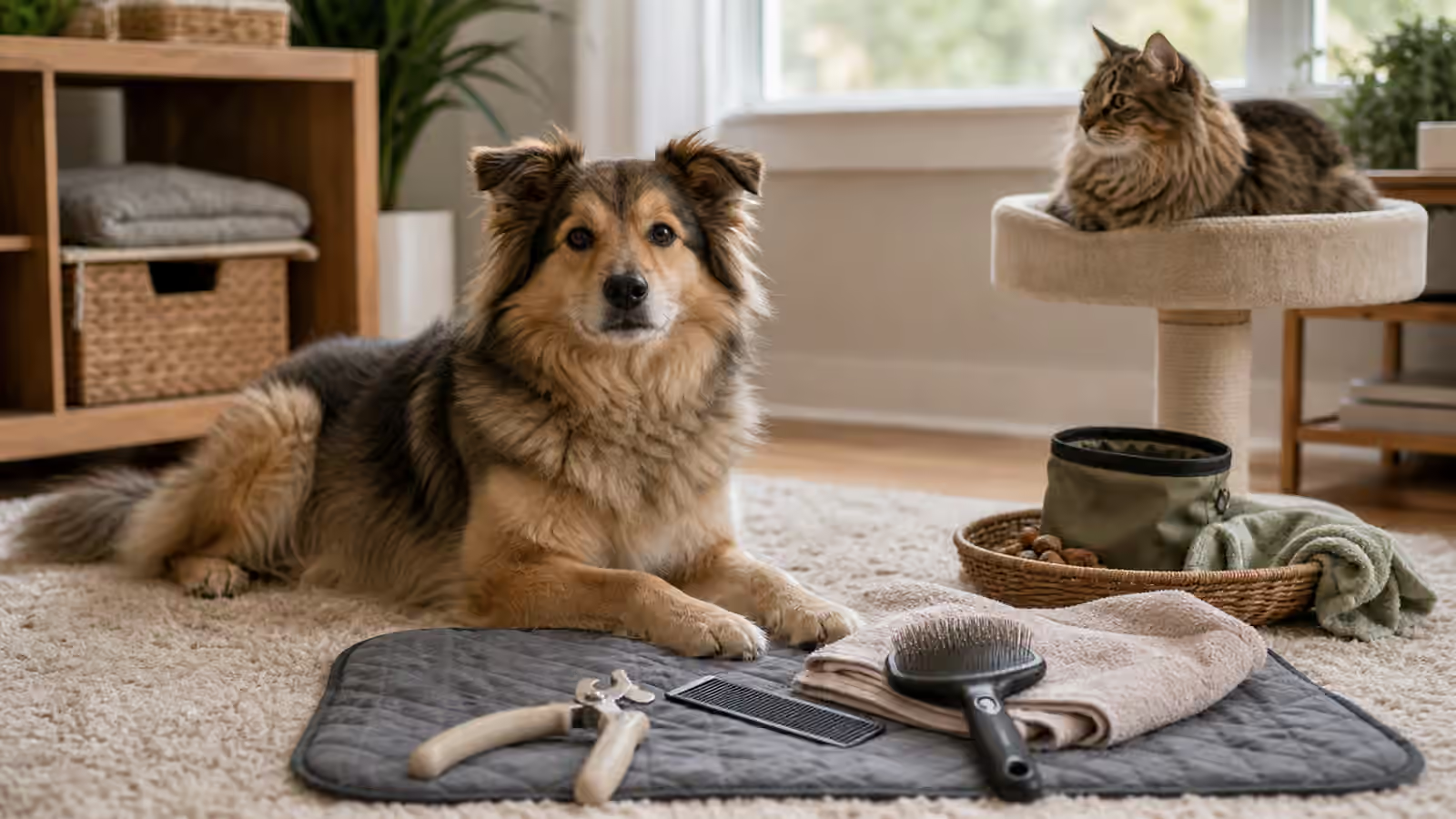
Choose a place where the pet can stand, sit, or lie comfortably without sliding. A washable mat, towel, or low grooming surface can help, but the location should be calm and easy to reset. Keep the tools nearby: brush, comb if needed, towel, treats, nail clippers or grinder if you use them, and a small container for cleanup. A grooming brush is useful only if it matches the coat and appears before the coat is already a problem.
The station should not appear only when unpleasant things happen. Let the pet investigate it. Feed a treat on the mat. Touch the brush, reward, and put it away. Pick up a paw for one second, reward, and stop. These tiny rehearsals may feel too easy, which is exactly why they work. They create a history that says grooming predicts manageable moments, not a long argument.
For puppies, add grooming practice to the routines in New Puppy First Week Checklist . For cats, place the station near a familiar safe area rather than dragging the cat into the center of the room. A cat who can leave calmly is often easier to invite back later than a cat who feels trapped.
Brush for tolerance before appearance
Many people brush until the pet gets annoyed, then stop when the pet protests. The pet learns that stronger protest ends brushing. A better beginner plan is to stop while the pet is still succeeding. Two calm strokes can be more valuable than a full session that ends in twisting, mouthing, swatting, or hiding.
Start where the pet already accepts touch. For many dogs, that is the chest, shoulder, or side. For many cats, it may be the cheek, neck, or back, but preferences vary. Keep the first sessions short and pair the brush with food or gentle praise if the pet enjoys it. Watch the body language. Turning away, lip licking, tail lashing, pinned ears, skin twitching, paw lifting, freezing, or sudden mouthing can all mean the session is too much.
Brush type matters, but pressure and duration matter too. A tool that is technically correct can still feel unpleasant if it scrapes the skin or catches knots. If you find mats close to the skin, do not yank through them. That is when a groomer may be kinder and safer.
Make paw and nail handling ordinary
Nail care becomes difficult when paws are touched only for trimming. Practice away from the clippers first. Touch the shoulder, then leg, then paw, then release. Reward each easy step. Later, hold the paw for a brief moment. Later still, touch a nail with the closed clipper or silent grinder. The trim itself should not arrive until the pet can handle the earlier pieces.
Some pets need many sessions before a single nail is clipped. That is not failure. It is better to trim one nail calmly than fight through all four paws and make the next month harder. If you are unsure where to cut, if the nails are overgrown, if the pet panics, or if anyone might be bitten, use a groomer, vet clinic, or qualified trainer. When to Call a Vet, Trainer, or Groomer is the right next read when the job feels bigger than home practice.
Paw handling also helps with real life. Mud, snow, burrs, grass seeds, and minor debris are easier to address when the pet has practiced giving a paw calmly. Pair this with the entry setup in Pet Cleaning Setup for a Fresher Home so wiping paws is part of the walk routine, not a chase through the hallway.
Practice ears, mouth, and body checks gently
Everyday handling can include brief looks at ears, teeth, collar fit, harness areas, and skin under the coat. This is not a home diagnosis session. It is familiarity. A pet who is used to gentle handling may be less startled when a vet, groomer, or owner needs to check something.
Keep these checks small. Lift an ear for a second, reward, and release. Touch the collar, reward, and release. Look at teeth only if the pet is comfortable and safe. Do not pry, pin, or force inspection. The point is to make normal touch predictable, not to win a contest.
If a pet suddenly resists a type of touch they used to accept, assume pain or discomfort could be part of the picture. A dog who snaps when a hip is touched or a cat who panics when brushed along the back may need medical evaluation, not firmer handling.
Make bathing a setup problem
Bathing is often too slippery, too loud, too rushed, and too surprising. Prepare before water is involved. Put down a non-slip surface. Bring towels into the room. Use lukewarm water if bathing is appropriate for the pet. Keep the session short and avoid spraying the face unless you have professional guidance for a specific need.
Not every pet needs frequent baths, and some coats are better maintained through brushing and professional grooming. The home goal is not to turn every owner into a groomer. It is to make ordinary handling less stressful and to know when the job belongs to someone with better equipment and skill.
End before the pet has to escalate
Cooperative grooming improves through exits as much as starts. If the pet can take a break, return, and be rewarded, the process stays negotiable. If the only way out is to bite, scratch, flee, or thrash, the pet learns to escalate sooner next time.
Keep a record in plain language. The dog allowed three brush strokes on the shoulder. The cat stayed for thirty seconds on the mat. The puppy let two paws be touched. That is useful progress. Next session begins near that success, not at the fantasy version where the whole job is finished.
Grooming is part of pet setup because coats, nails, paws, and touch are part of daily life. Make the practice small enough to repeat, calm enough to trust, and honest enough to hand off when home care is not the right tool.