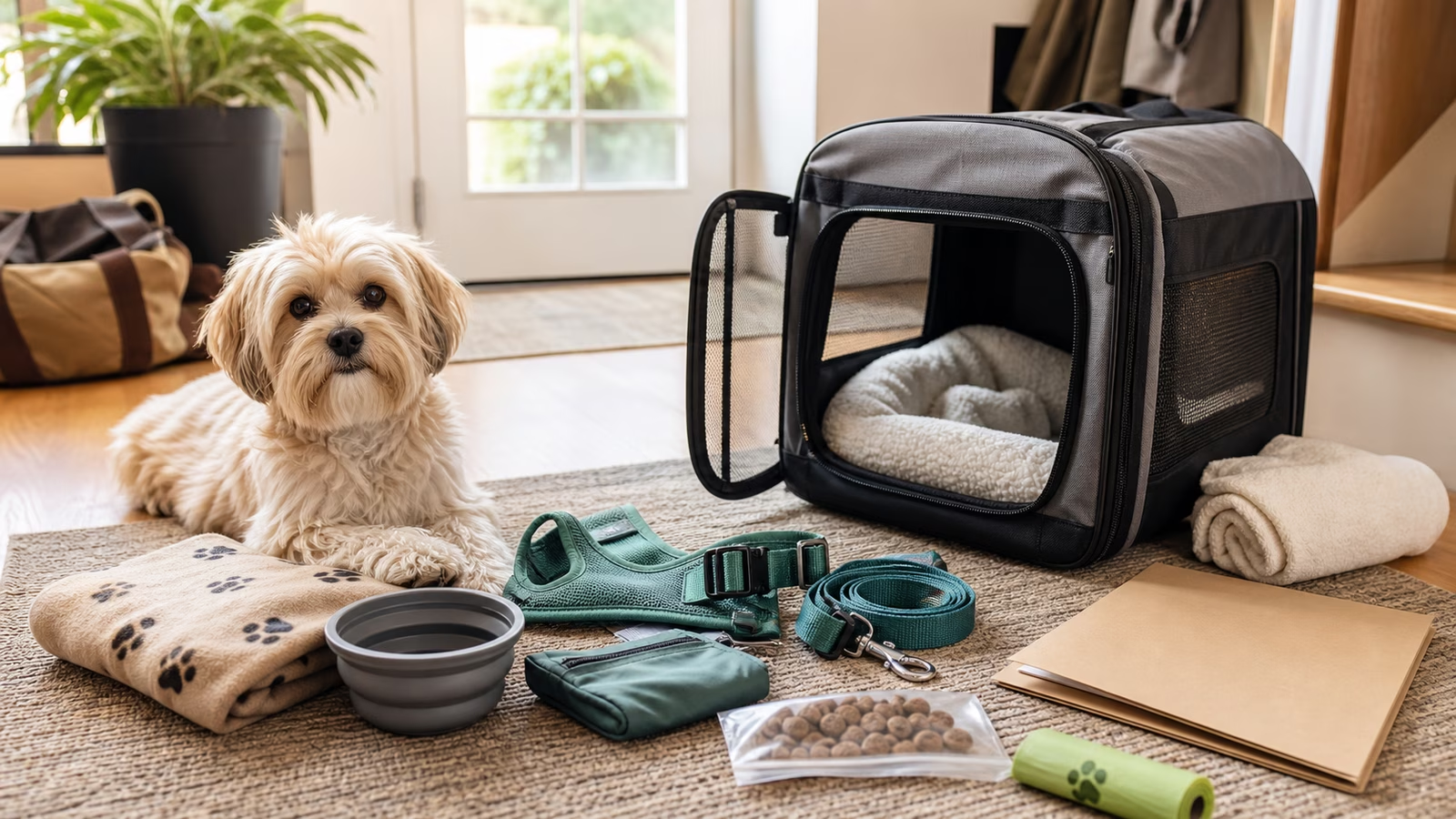
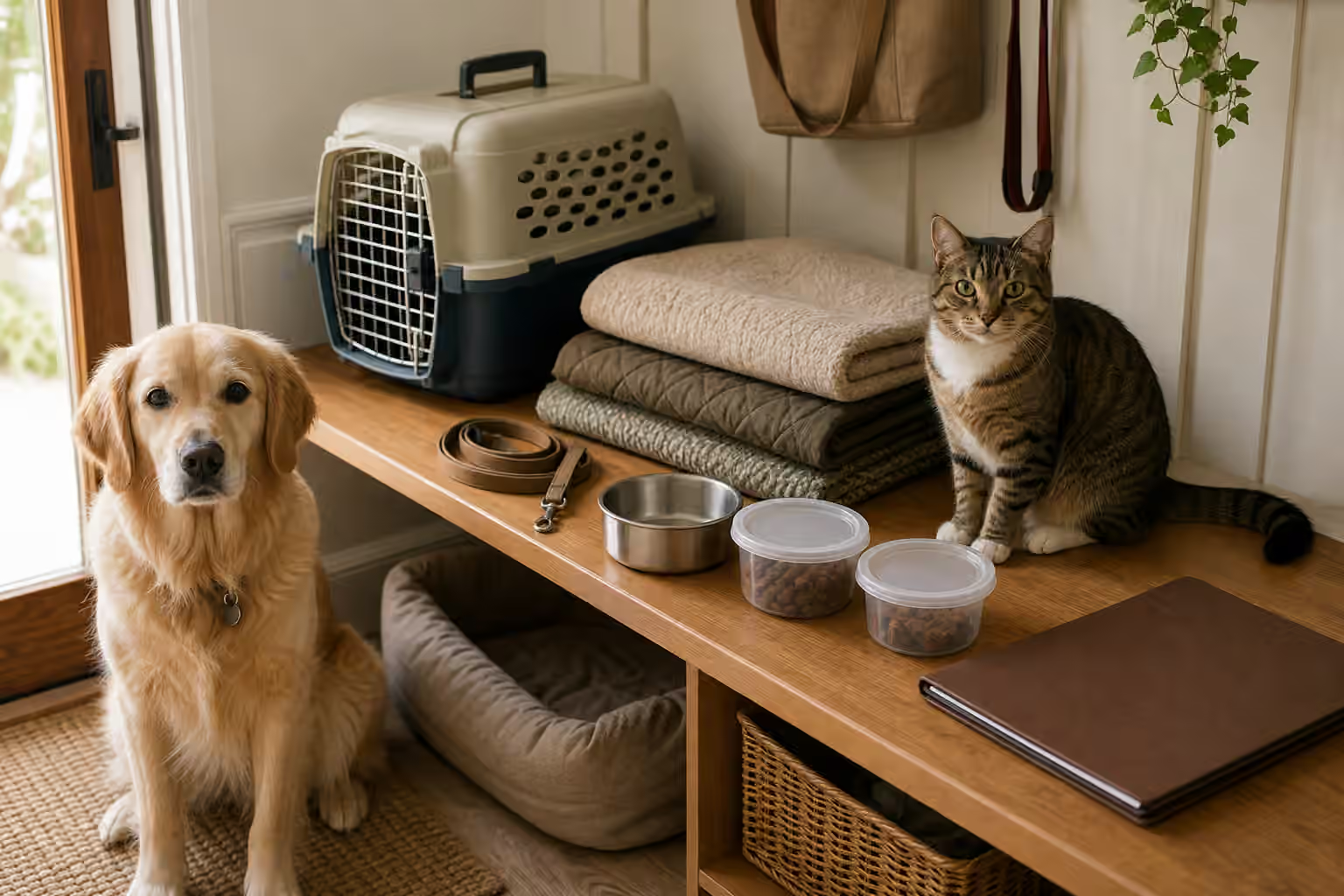
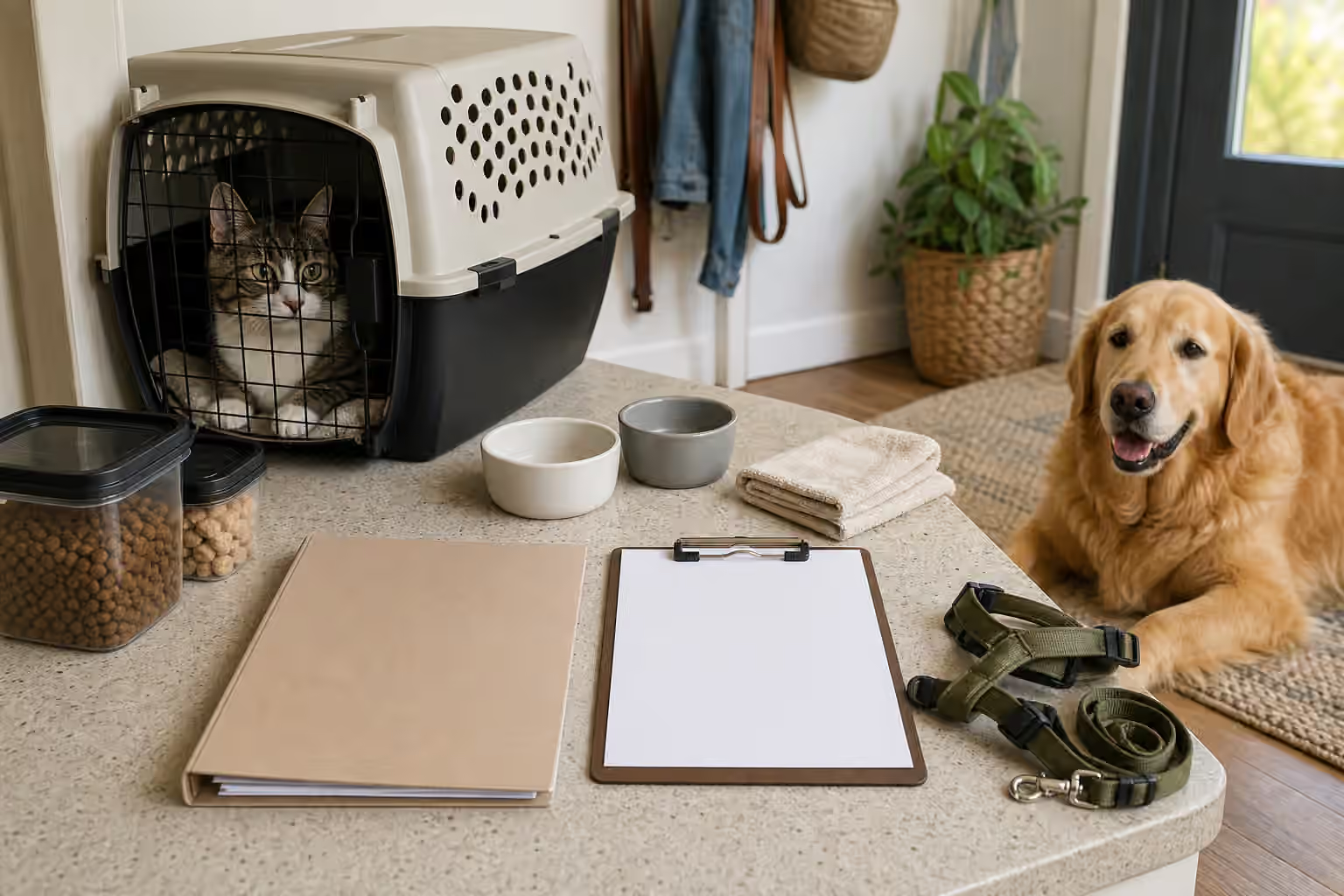
A carrier should not be an object that appears only when the day is already stressful. For many cats and small dogs, the carrier predicts a chase, a car ride, a clinic, a move, or an unfamiliar room. That history makes the carrier seem like a warning instead of a tool. Carrier comfort starts by changing what the carrier means during ordinary days.
This topic overlaps with Traveling With Pets: Carriers, Cars, and Calm Routines and Vet Visit Prep Starts at Home , but the focus here is narrower. Before the car, clinic, hotel, sitter, or moving truck enters the story, the pet needs a carrier that can sit in the home without changing the mood of the room.
Let The Carrier Become Furniture
The easiest first step is often the one people skip: leave the carrier out. Open the door, remove any rattling parts if the design allows, add familiar bedding, and place it near a quiet part of normal life. Not in the middle of a walkway. Not beside a loud appliance. Not hidden in a closet until appointment morning. The carrier should become something the pet can investigate without consequence.
For cats, this can take time. A cat who has been chased into a carrier before may not trust the open door for days or weeks. That is fine. Put treats near the carrier, then closer, then just inside. Feed a small portion of a meal beside it. Let the cat walk away. The carrier becomes less suspicious when nothing grabs the cat after one brave sniff.
Small dogs may move faster, but they still need choice. A dog who is lifted into a carrier without warning may tolerate it until the day they do not. Let the dog step toward the carrier, place paws inside, turn around, and exit. If the carrier is part of apartment life, keep it near the entry or gear station described in Apartment Pet Setup for Dogs and Cats so it fits the existing routine.
Separate Entering From Being Shut In
Many pets do not fear the carrier interior as much as the door closing. Separate those pieces. Reward looking at the carrier. Reward stepping in. Reward eating inside with the door open. Reward turning around. Reward resting near the opening. The door should stay open long enough that the pet stops expecting every entry to become confinement.
When the pet is comfortable entering, touch the door and open it again. Later, move it an inch. Later, close it for one second and open it before the pet worries. The timing matters. You are teaching that the door can close and reopen calmly, not that the pet must protest until released. If the animal paws hard, panics, freezes, or refuses food afterward, the session went too far.
Some carriers have top openings, removable lids, or side doors. Use the design to reduce pressure. A removable top can help a cat learn the bottom half first. A wide side door may help a dog turn around more naturally. The best carrier is not only the one that looks sturdy. It is the one the household can load, clean, carry, and secure without turning every use into a struggle.
Practice Small Movements
A pet may accept sitting in a carrier on the floor and still object when it lifts. Movement changes the experience. Practice in tiny steps. Close the door briefly, lift the carrier one inch, set it down, open the door, and let the pet exit if they want. Later, carry it a few feet. Later, walk to the door and back. Later, place it in a parked car for a calm moment if car practice is part of the plan.
Keep the carrier level and stable. A swinging carrier can make even a calm pet feel unsafe. Use both hands. Avoid bumping doorframes. Put a towel or familiar bedding inside if it does not make the surface slippery. Check ventilation and temperature. The practice should feel uneventful because uneventful is the point.
For cats, avoid opening the carrier in unsecured spaces during practice. A cat who bolts in a hallway, parking lot, or clinic entrance can be in real danger. At home, practice in a closed room if there is any chance the cat will dart. For dogs, pair carrier work with calm leash and door routines when the carrier is part of travel. Harnesses, Collars, and Leashes Explained can help if the dog also needs secure gear before and after carrier time.
Make The Inside Worth Choosing
The carrier interior should be comfortable enough for the pet you have. Some cats like a towel that smells like home. Others prefer a thin washable mat that does not bunch. Some dogs like a soft bed. Others chew bedding and need a safer setup. The carrier should allow the pet to turn around and rest in a normal position, while still being secure enough for the intended use.
Do not overfill it. A carrier packed with bulky blankets, toys, bowls, and extra objects may leave less room for the animal. A simple washable surface, a few treats during practice, and a familiar scent are often enough. For longer transport, the needs may change, which belongs in the travel guide. For everyday carrier comfort, clarity matters more than decoration.
Keep the carrier clean. Old urine, clinic smells, spilled food, or damp bedding can make the carrier unpleasant before training begins. If a stressful trip happened, reset the carrier afterward. Wash what can be washed, air it out safely, and reintroduce it during easy days rather than putting it back in the closet like a bad memory.
Use Carrier Practice For More Than Emergencies
Carrier comfort is practical because life changes. Vet visits happen. Fire alarms happen. Building maintenance happens. Sitters arrive. Moves happen. A pet who can enter a carrier calmly has more options when the household needs to act. That does not mean the carrier should be used casually as a punishment or storage spot for an inconvenient pet. It means the pet has learned a useful routine before pressure rises.
New cats often benefit from carrier comfort as part of the home base. New Cat Setup: Litter, Scratching, Hiding, and Play focuses on making the first room readable. An open carrier can be one of those readable hiding places if it is introduced gently. During Moving Homes With Pets Without Losing the Routine , the same carrier familiarity can make containment less frightening while doors are open and furniture is shifting.
For sitter handoffs, a carrier that the pet already understands is useful even if no trip is planned. The sitter can see where it is, how it opens, what bedding belongs inside, and how the pet usually responds. Pet Sitter Handoff Without Confusion is easier when emergency gear is visible and familiar instead of theoretical.
Avoid The Last-Minute Chase
The classic carrier failure begins with a deadline. The appointment is in twenty minutes, the carrier comes out of storage, the cat hides under the bed, the dog backs away, and the person becomes louder. The pet learns that the carrier predicts urgency and loss of control. The person learns that loading is awful. The next appointment starts with even more tension.
Preventing that cycle is the whole point of carrier comfort. Store the carrier where it can be part of normal life. Practice small entries when no one is leaving. Close the door briefly on ordinary days. Carry the carrier gently before the first necessary trip. Put records, towels, and cleanup supplies nearby so the human side of the routine is calmer too.
Some pets will still need professional support. Fear histories, pain, motion sickness, escape risk, and aggression do not vanish because the carrier looks inviting. Use home practice honestly. If the pet can sniff the carrier today, that is progress. If they can rest inside next month, that is progress too. A carrier that becomes ordinary slowly is still far better than a carrier that appears only when the household is already out of time.