A calm mat is not a magic square that makes a pet behave. It is a familiar landing place. In a busy home, that can be enough to change the whole texture of an ordinary day. The dog has somewhere to go while dinner is carried to the table. The cat has a known perch during a short handling practice. The household has a place to reward quiet choices before barking, chasing, jumping, or weaving underfoot becomes the main event.
Pawstead uses mat work as a setup habit, not as a performance trick. The point is not to demand stillness when the pet is already overwhelmed. The point is to teach a small, repeatable pattern during easy moments so the pet recognizes it later during visitors, meals, grooming practice, noise, car departures, and other household transitions. A good settle station makes calm easier to find because it has already been rehearsed when nothing dramatic was happening.
Choose a station the pet can actually use
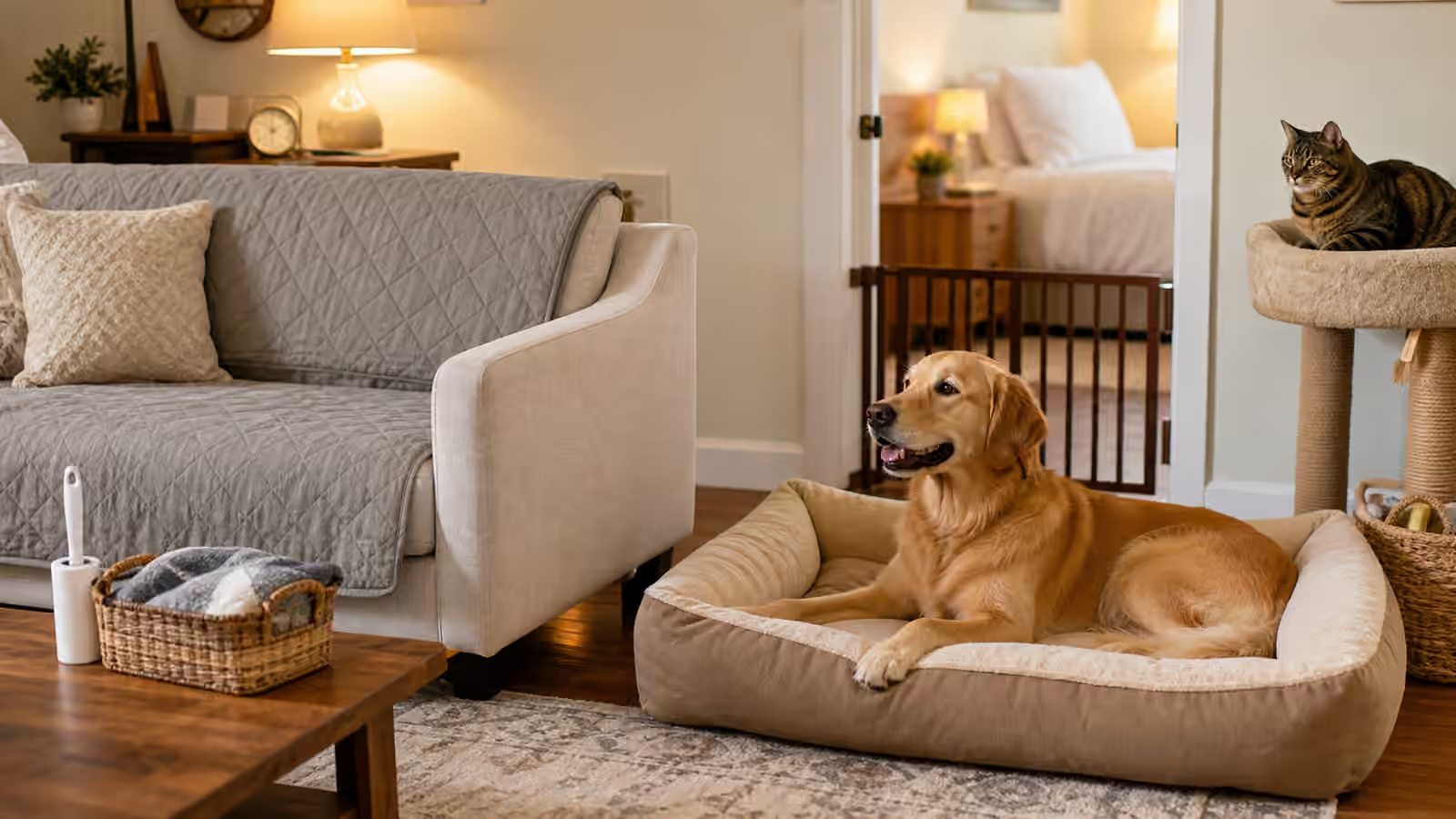
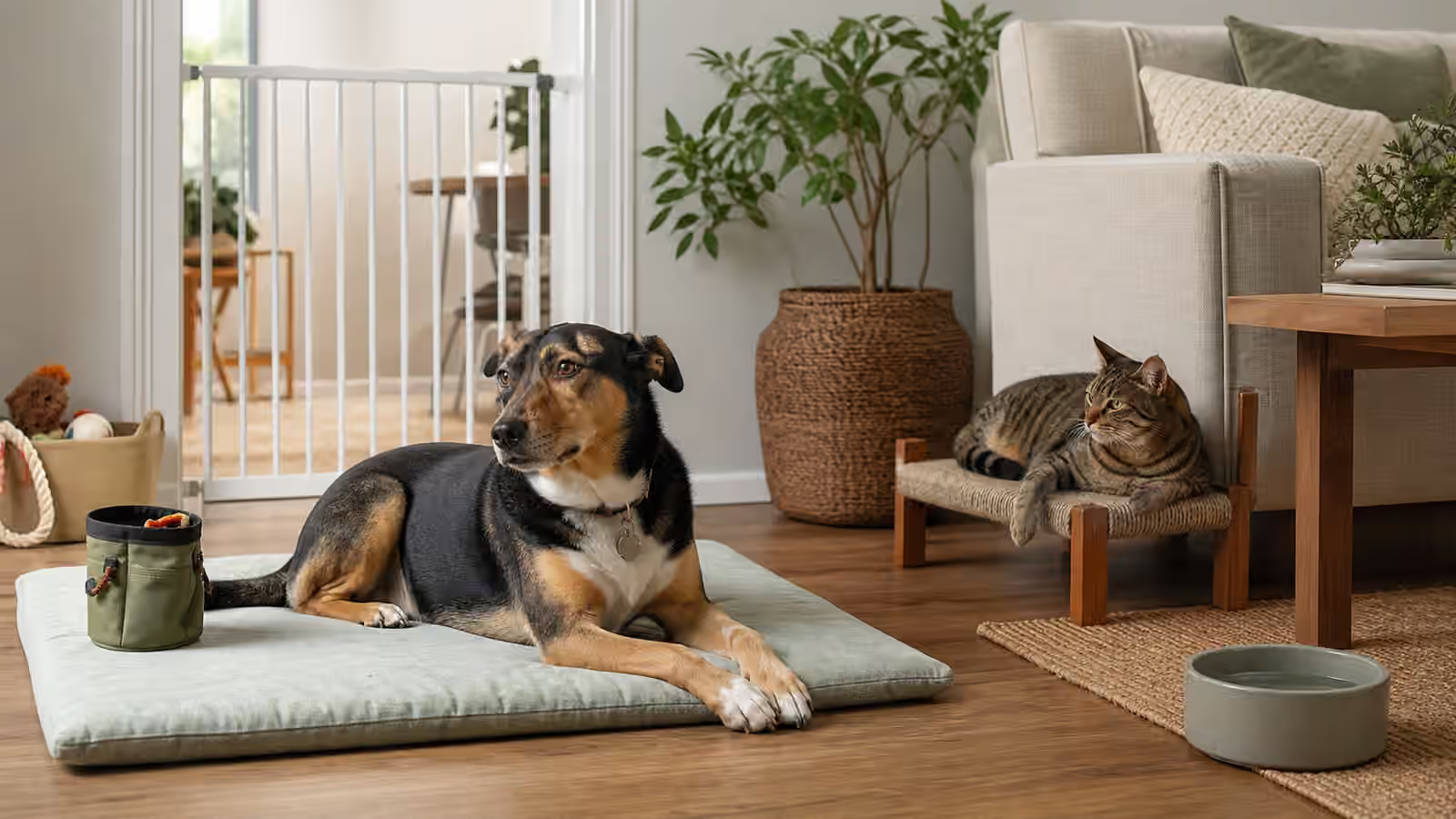
The best mat is boring in the right ways. It should be easy to see, easy to wash, stable under the pet’s feet, and large enough that the animal can rest without sliding halfway off. For a dog, that may be a flat bed, bath mat, crate mat, or washable training mat placed near the family without sitting in the path of every footstep. For a cat, the station may not be a floor mat at all. Many cats prefer a low perch, small bed, folded blanket, scratcher platform, or chair that gives them height and a clear exit.
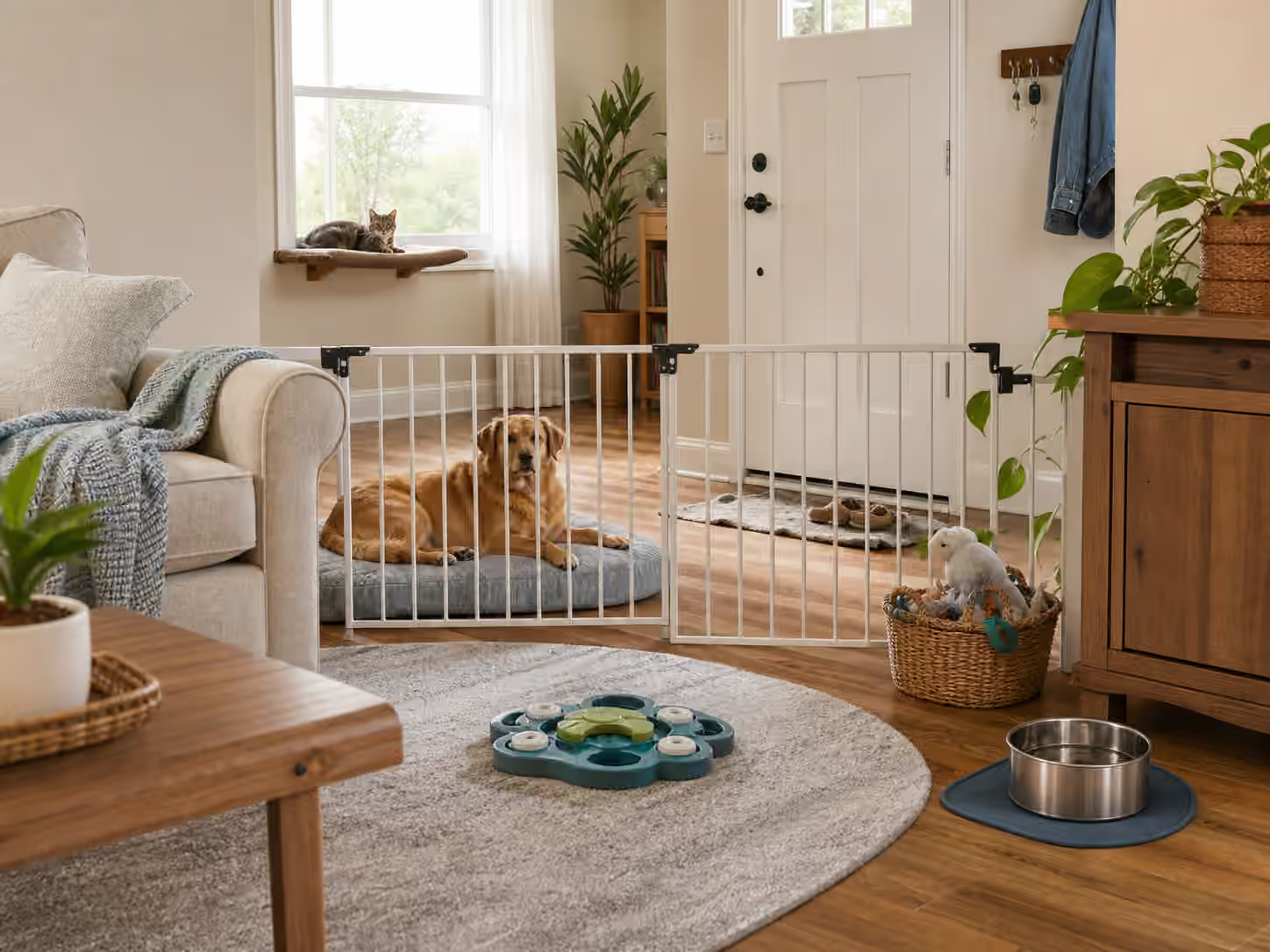
Placement matters more than appearance. A mat beside the front door may be too exciting for a dog who lives for arrivals. A cat perch in a corner with no escape route may feel like a trap. A dog bed in the middle of a tight kitchen can turn into an obstacle instead of a resting place. Start where the pet already has a chance to succeed: near the room where people spend time, far enough from doorways and food bowls that the station does not become a conflict point.
The station should fit the home’s existing zones. In a multi-pet household, read the room through Resource Zones for Multi-Pet Homes before asking animals to settle near one another. A dog resting on a mat should not block the cat’s route to litter. A cat station should not hover over a dog’s bowl if that dog becomes tense around food. Calm is easier when the layout is already fair.
Teach the mat before you need the mat
The most common mistake is introducing the mat during the hardest moment of the day. A visitor knocks, the dog is barking, the cat has vanished, and someone points at a brand-new bed while repeating a cue the pet has never learned. That is not training. It is wishful thinking under pressure.
Start during a quiet block. Place the mat down and let the pet notice it. If the dog steps on it, quietly drop a treat on the mat. If the cat sniffs the perch, offer food or gentle play nearby, then let the cat leave. Do not hold the animal on the station, push them back, or turn the first session into a test. You are building an association: this place is safe, clear, and worth returning to.
At first, reward small choices. A glance toward the mat can be useful. One paw on the surface can be enough. Sitting, lying down, or curling up may come later. If the pet leaves, let them leave. The station becomes more valuable when it does not feel like a trap. After a few easy repetitions, you can add a simple cue if you want one, but the cue should describe a behavior the pet is already starting to understand. The mat itself should do much of the explaining.
Short sessions are better than heroic ones. A puppy may succeed for ten seconds. A newly adopted adult dog may need several days before the mat feels ordinary. A cat may use the station only after the room gets quieter. That is still progress. The habit grows because the household repeats an easy version, not because one long session proves a point.
Reward settling, not just arriving
Stepping onto the mat is the doorway. Settling is the room. Once the pet is comfortable approaching the station, begin rewarding softer behavior: weight shifting down, a relaxed hip, a chin lowering, slower breathing, a glance away from the exciting thing, or a choice to remain while people move gently nearby. This is where Reading Pet Body Language at Home becomes useful. Calm is not just a body placed on fabric. It is the pet’s recovery, softness, and ability to disengage.
The reward should match the goal. If every treat arrives with excited praise and fast hands, the mat may become a launch pad. Use quiet delivery. Place food on the mat instead of waving it above the pet’s head. For some dogs, a safe chew can help after the first few repetitions. For some cats, a brief wand-toy catch followed by rest on a perch may work better than repeated food drops. The activity should lower the temperature, not start a new party.
Do not rush duration. A pet who can rest for thirty calm seconds is learning more than a pet who stays for five tense minutes while staring, trembling, whining, or waiting to spring. Add time in small pieces. Stand up and sit down. Take one step away and return. Pick up a cup, then reward calm recovery. The station should teach the pet that small household movements do not always require participation.
Use gates and distance without making the mat punitive
A mat routine pairs well with gates, crates, leashes, and closed doors, but those tools should protect the learning rather than replace it. A dog behind a gate with a mat, water, and a chew can practice being near household life without rehearsing jumping on guests. A cat in a quiet room with a perch, litter, water, and hiding options can observe a busy evening without being chased through the hall. The station gives the animal a job inside the boundary.
The tone matters. Sending a dog to the mat only after scolding can turn the mat into bad news. Scooping up a cat and depositing them on a perch whenever people are annoyed can do the same. Build most of the station’s history during neutral or pleasant moments. Then, when a boundary is needed, the station already has a calm meaning.
This is closely related to Crate Training Without Confusion , but it is not the same skill. A crate may be a resting enclosure, travel preparation, or management tool. A mat is more portable and more open. Some dogs benefit from both. Some cats prefer a station that is never enclosed. Choose the tool that lowers confusion for the pet in front of you.
Bring the station into real routines slowly
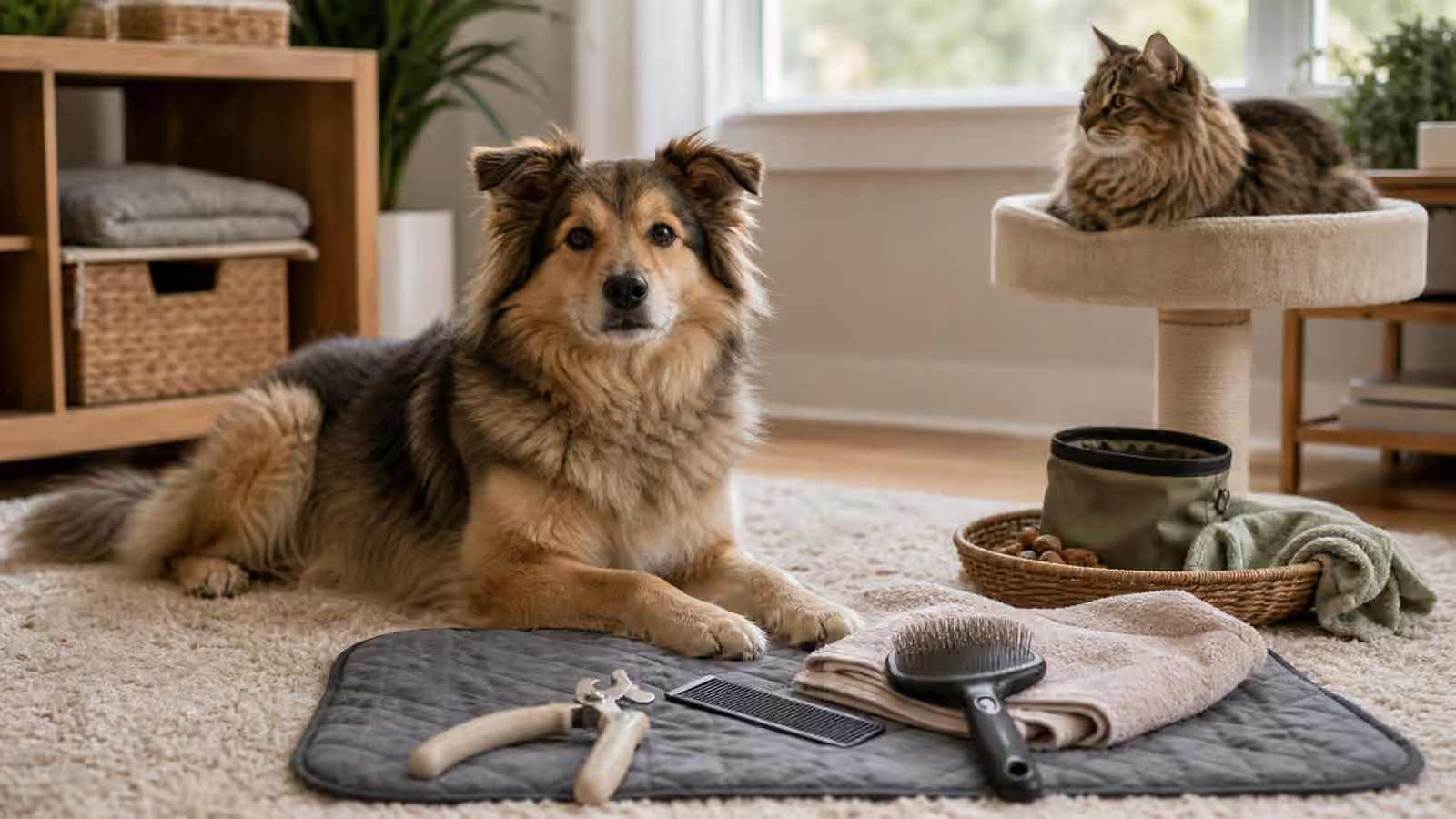
Once the easy version works, connect the station to ordinary pressure points. During mealtime, the dog can settle on a mat while bowls are prepared, then be released to eat when the routine reaches that point. During grooming practice, the mat can mark the place where a brush appears for one gentle stroke and then disappears. Before a vet visit, the station can support the low-pressure handling described in Vet Visit Prep Starts at Home . During dog-cat introductions, a known mat can help the dog practice looking away from the cat at a safe distance.
Visitor routines are another natural use, but they need careful pacing. If the dog cannot settle when a person silently stands across the room, do not begin with a full dinner party. Practice with one familiar person, distance, and a gate if needed. Reward the dog for noticing and returning to the mat. Let the cat choose a perch or safe room instead of forcing social contact. Visitors and Doorway Routines for Pets gives the broader doorway plan; the mat is one piece of that plan.
Noise-sensitive pets need the easiest version. A mat near a running vacuum may be far too much. A mat in a back room with the vacuum off in another room may be a better first step. The goal is not to prove that the pet can tolerate the sound. It is to give the pet a familiar recovery place while the household manages distance and intensity. For that fuller setup, use Noise-Sensitive Pets at Home .
Keep the station clean, flexible, and honest
A mat that smells like old chews, mud, spilled food, or stress accidents may stop feeling restful. Wash it often enough that the station stays pleasant, and place it on flooring that can handle real use. If food rewards leave crumbs, fold the cleanup into the same rhythm you use for feeding stations and pet cleaning. A calm station should not become another household mess people resent.
Flexibility helps too. The pet may need one mat near the living room and another portable version for travel, class, or a relative’s house. A cat may use a perch during the day and a different bed at night. Keep the cue and reward pattern familiar, but do not demand that every room look identical. Pets learn the concept faster when the household changes one variable at a time.
Be honest about what the mat can do. It can give a pet a predictable place to return to. It can help people reward quiet choices earlier. It can reduce traffic at doorways, kitchens, and grooming stations. It cannot replace exercise, litter access, pain care, safe introductions, or professional help when behavior is unsafe. If the pet pops off the mat repeatedly, ask what the room is teaching. The answer may be that the session is too long, the reward is too exciting, the door is too close, the cat is too near, the floor is slippery, or the animal simply needs a break.
A good mat routine feels modest from the outside. The pet moves to a familiar spot. The person rewards without drama. The room stays readable. Over time, that modest habit becomes useful in exactly the moments that used to feel improvised. The household does not have to invent calm at the doorway, in the kitchen, beside the brush, or during a small household sound. It can point the pet toward a place where calm has already happened many times before.