Boarding, daycare, and overnight care ask a pet to live inside someone else’s routine for a while. The space may be professional and well run, but it is still different: different smells, doors, feeding times, sounds, animals, people, rest patterns, and handling. A careful handoff does not try to make every pet fit every service. It makes the match more honest and the transition easier to read.
This topic is related to Pet Sitter Handoff Without Confusion , but the environment changes the job. A sitter usually enters the pet’s home. Boarding, daycare, and overnight care move the pet into another system. The pet may need to rest in a kennel, join a group, walk with unfamiliar handlers, eat on a facility schedule, or sleep away from familiar household sounds. The handoff has to respect that difference.
Choose the service by the pet’s actual needs
The right care option depends on the pet, not on the most convenient label. A social dog who rests well after play may enjoy a carefully managed daycare. A dog who becomes frantic around groups may do better with individual walks or in-home care. A cat who hides from visitors may find boarding stressful unless the facility is quiet, cat-focused, and able to provide hiding and predictable handling. A senior pet may need more rest, traction, medication support, or veterinary oversight than a standard service can provide.
Ask practical questions before booking. How are animals separated? How are meals handled? What happens if a pet refuses food? How are rest periods protected? How are dogs introduced to groups? Where do cats hide, perch, and use litter? Who notices medical or behavior changes? The answers should help you picture your actual pet in the actual routine.
When to Call a Vet, Trainer, or Groomer is useful when you are unsure whether the issue belongs with a boarding facility, trainer, sitter, groomer, or veterinarian. A service can be kind and still not be the right match for a particular animal.
Run a smaller version before the important stay
Do not make the first boarding night the longest trip of the year if you can avoid it. A shorter trial visit gives everyone better information. For a dog, that may mean a brief daycare evaluation, a half-day stay, or a single overnight before a longer absence. For a cat, it may mean carrier practice, a short visit when appropriate, or choosing in-home care instead if the cat’s stress signals are clear.
The trial is not a pass-fail exam. It is an observation. Did the dog eat, rest, eliminate, and recover? Did the cat hide constantly or begin to explore? Did the pet return home exhausted in a normal way or distressed for days? Did staff report specific behavior or only vague praise? Useful feedback should mention rest, appetite, handling, bathroom habits, social comfort, and any concerns.
Use Pet Care Records and Routine Notes to keep those observations plain. A note from one trial can prevent a bad repeat later. It can also show progress when a pet slowly becomes more comfortable with a well-matched care routine.
Pack for clarity, not for a whole household move
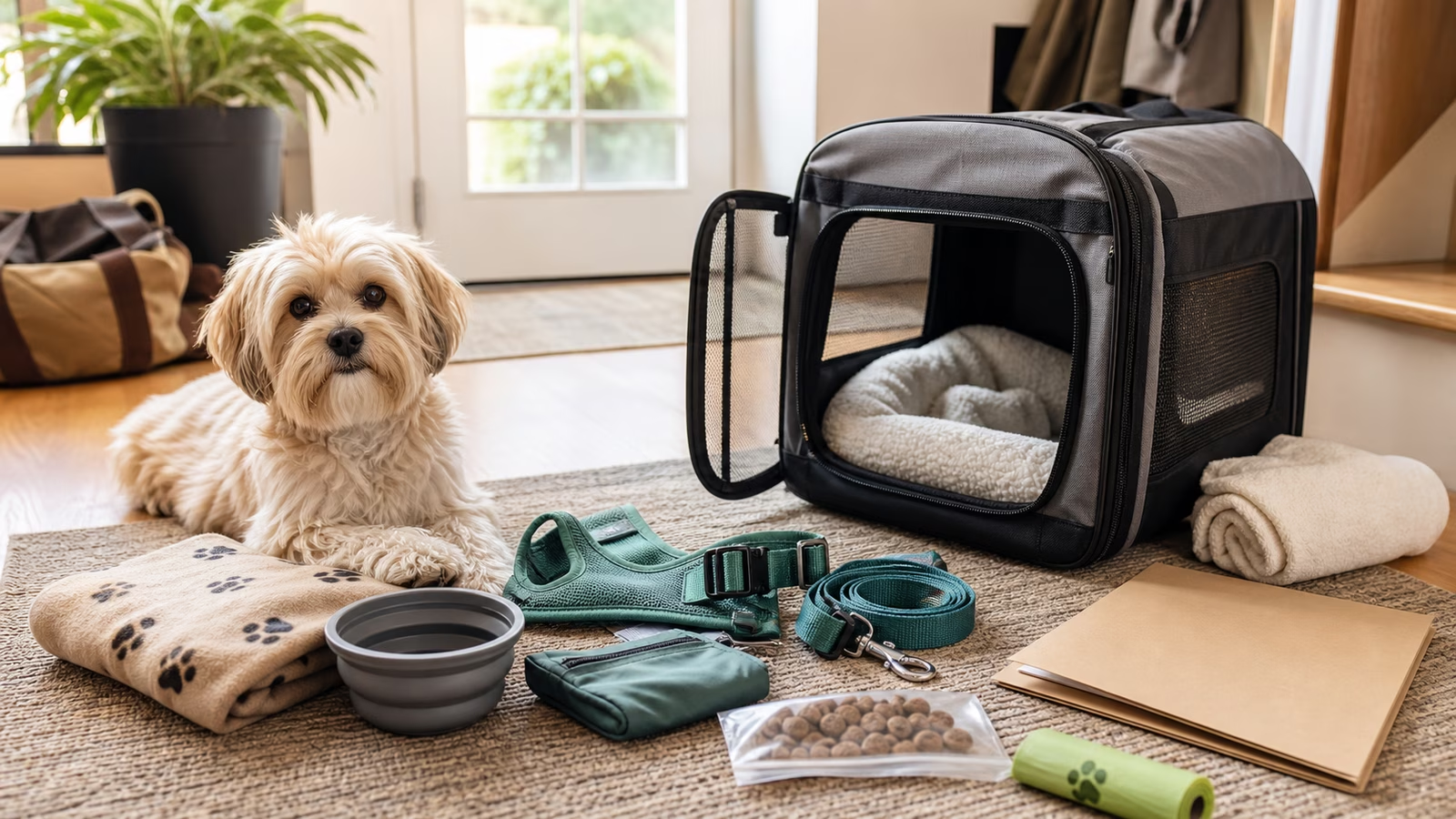
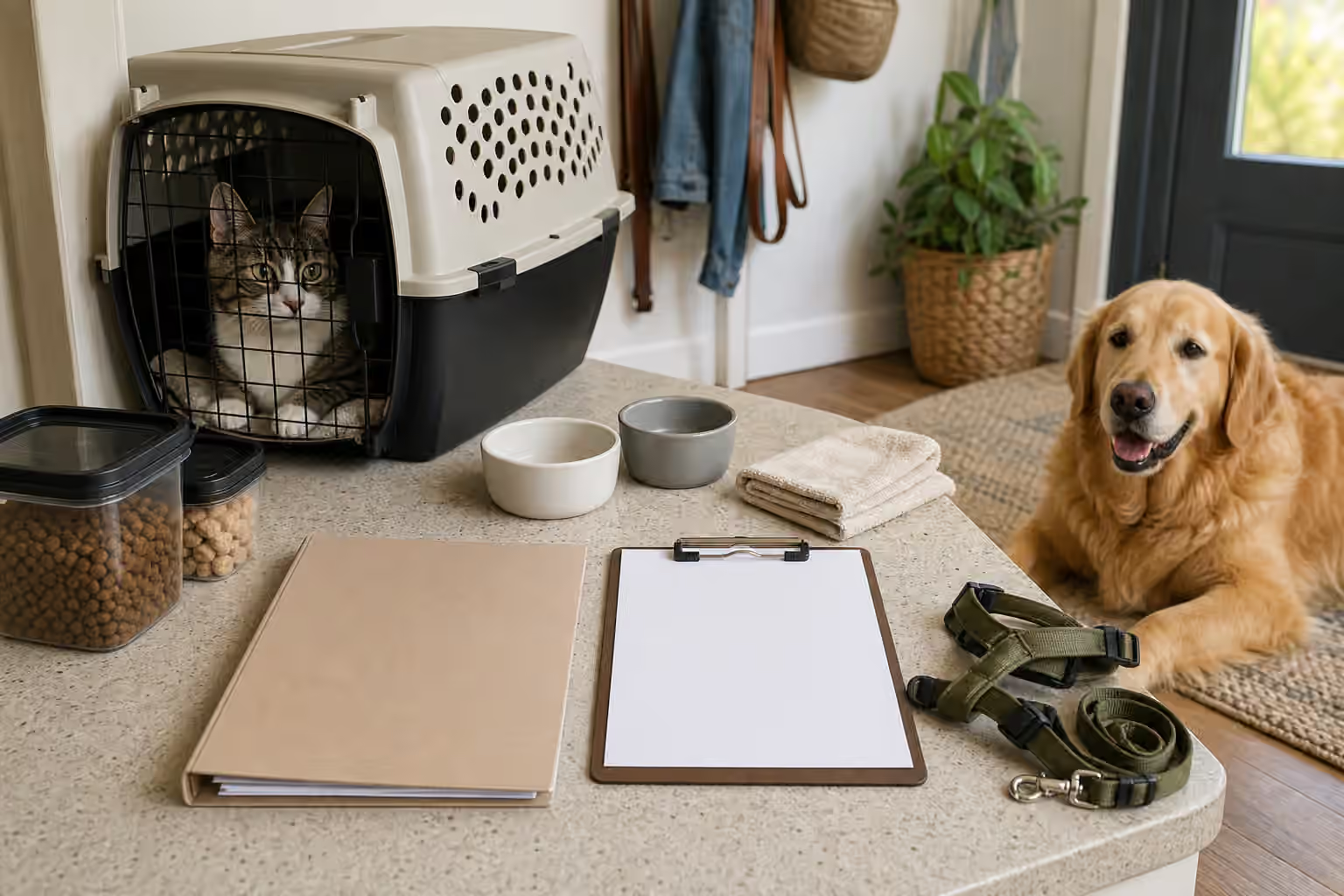
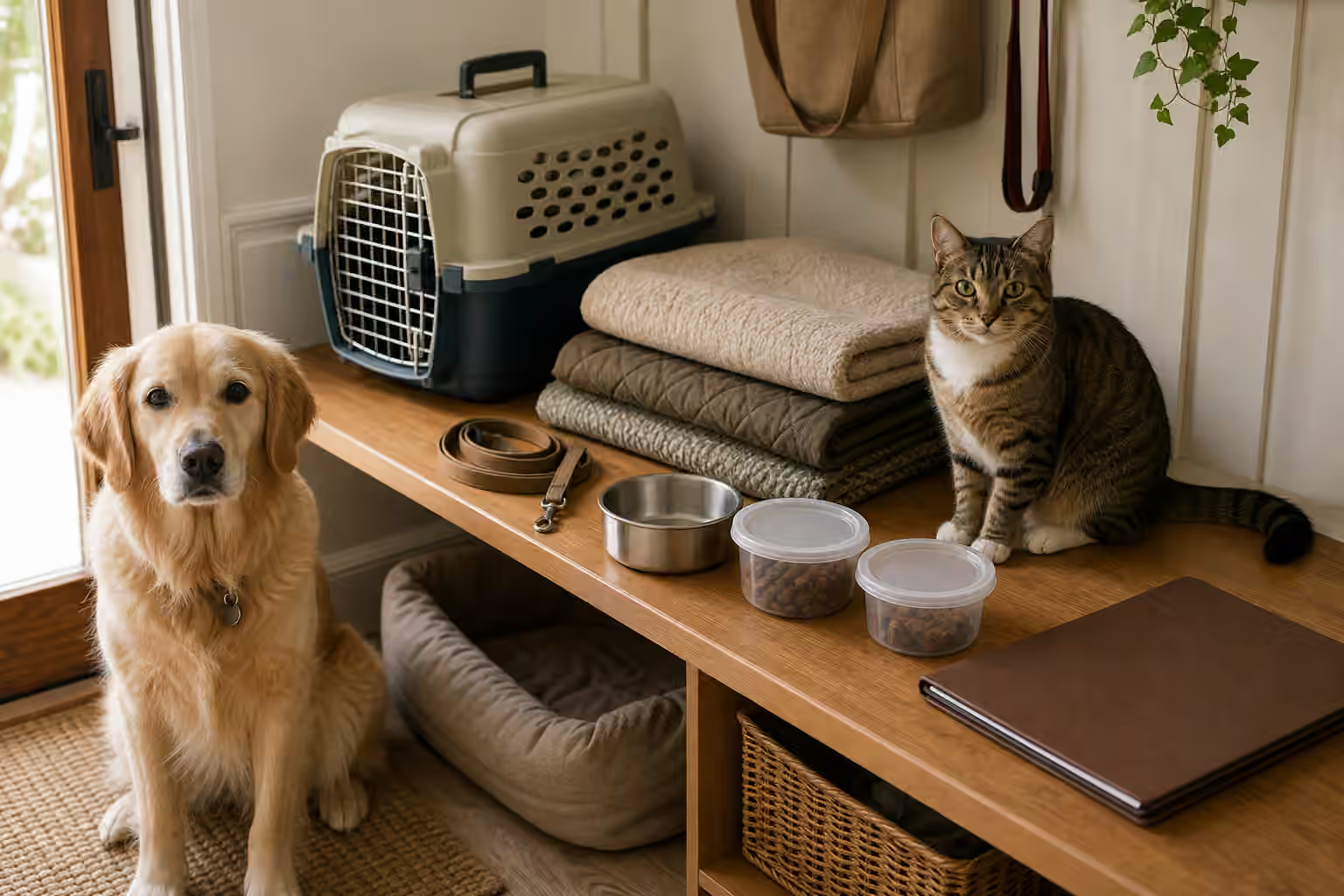
Packing should make the caregiver’s job easier. Food should be measured or clearly portioned according to the service’s instructions. Medication, if any, should follow veterinary directions and facility policy. Bedding should be familiar if allowed, but not irreplaceable. Leashes, harnesses, carriers, records, and emergency contacts should be organized enough that nobody has to guess.
Do not pack every toy the pet owns. Too many items can create confusion, loss, or conflict. Choose a few allowed items that support rest or routine. For dogs, a familiar blanket or washable mat may matter more than a pile of exciting toys. For cats, a familiar bed or towel may carry scent, while the facility’s own hiding setup may provide the needed structure.
Traveling With Pets: Carriers, Cars, and Calm Routines is relevant because the handoff begins at home. A pet who is loaded into a carrier or car in panic arrives with less capacity. Keep the departure plain, secure, and early enough that the person is not rushing.
Write behavior notes that help staff make decisions
A useful behavior note is specific. “Nervous at first but warms up” is less helpful than “Avoids direct reaching for the first few minutes, takes treats tossed on the floor, and rests faster if given a covered bed.” “Friendly with dogs” is less helpful than “Plays well with calm medium dogs after a slow introduction but becomes overwhelmed by body slamming.” “Fine with cats” is not enough if the cat hides from strangers and needs litter placed away from the door.
Include the hard information without shame. If the dog guards chews, say so. If the cat may not eat the first meal, say what usually helps and when staff should call. If the pet dislikes paw handling, being lifted, face touch, or other animals near food, say it plainly. Caregivers can manage known patterns more safely than surprises.
This is the same honesty used in Groomer Visit Prep and Coat Handoff . A professional handoff works when the owner describes the pet in front of them, not the ideal version they wish the pet were.
Protect rest as much as activity
Daycare is often marketed around play, but rest is part of care. A dog who plays for hours without quiet breaks may come home overstimulated rather than satisfied. A boarding pet who cannot sleep because the environment is too loud may struggle even if every staff member is kind. Cats especially need protected quiet, hiding, and predictable litter access.
Ask how rest happens. Are dogs rotated out of play groups? Are shy animals given space? Are cats housed away from constant dog noise when possible? Are lights, cleaning schedules, and nighttime checks handled in a way that lets animals recover? The details matter because behavior often worsens when rest disappears.
For pets who are already sensitive to sound, Noise-Sensitive Pets at Home can help you describe triggers and recovery. A facility may not be able to recreate your home, but it can make better choices when it understands what helps your pet settle.
Plan the return-home decompression
The stay is not finished at pickup. Some pets come home tired, thirsty, clingy, quiet, excited, or temporarily out of rhythm. Keep the first evening simple. Offer water, a bathroom or litter opportunity, normal food if appropriate, and a familiar resting place. Avoid scheduling a busy visitor night, a grooming session, or a hard training plan immediately after return.
In multi-pet homes, supervise reunions. A pet returning from boarding or daycare may smell different, move differently, or carry more arousal than usual. Other pets may react to that change. Use gates, separate feeding, and calm re-entry if needed. Resource Zones for Multi-Pet Homes gives the household a way to prevent the return from becoming a resource or greeting conflict.
Watch for signs that need professional attention: injury, persistent vomiting or diarrhea, coughing, extreme lethargy, refusal to eat beyond the expected adjustment window, limping, severe distress, or behavior that feels sharply different. Facilities should tell owners about concerns, but the owner still needs to observe the pet after coming home.
Let each stay improve the next handoff
After the pet has recovered, review what the care provider reported and what you saw at home. Did the pet rest? Eat? Play appropriately? Avoid the litter box? Bark at kennel sounds? Need more individual time? Come home calm enough to sleep? Those answers help you decide whether to repeat the same plan, adjust the instructions, choose a different service, or return to in-home care.
Boarding, daycare, and overnight care are not automatically good or bad. They are matches. A strong handoff makes the match visible: the service knows the pet’s real needs, the owner understands the environment, and the pet is given a transition that can be observed rather than guessed. That is how temporary care becomes part of a stable pet routine instead of a mystery the household only evaluates after stress has already happened.