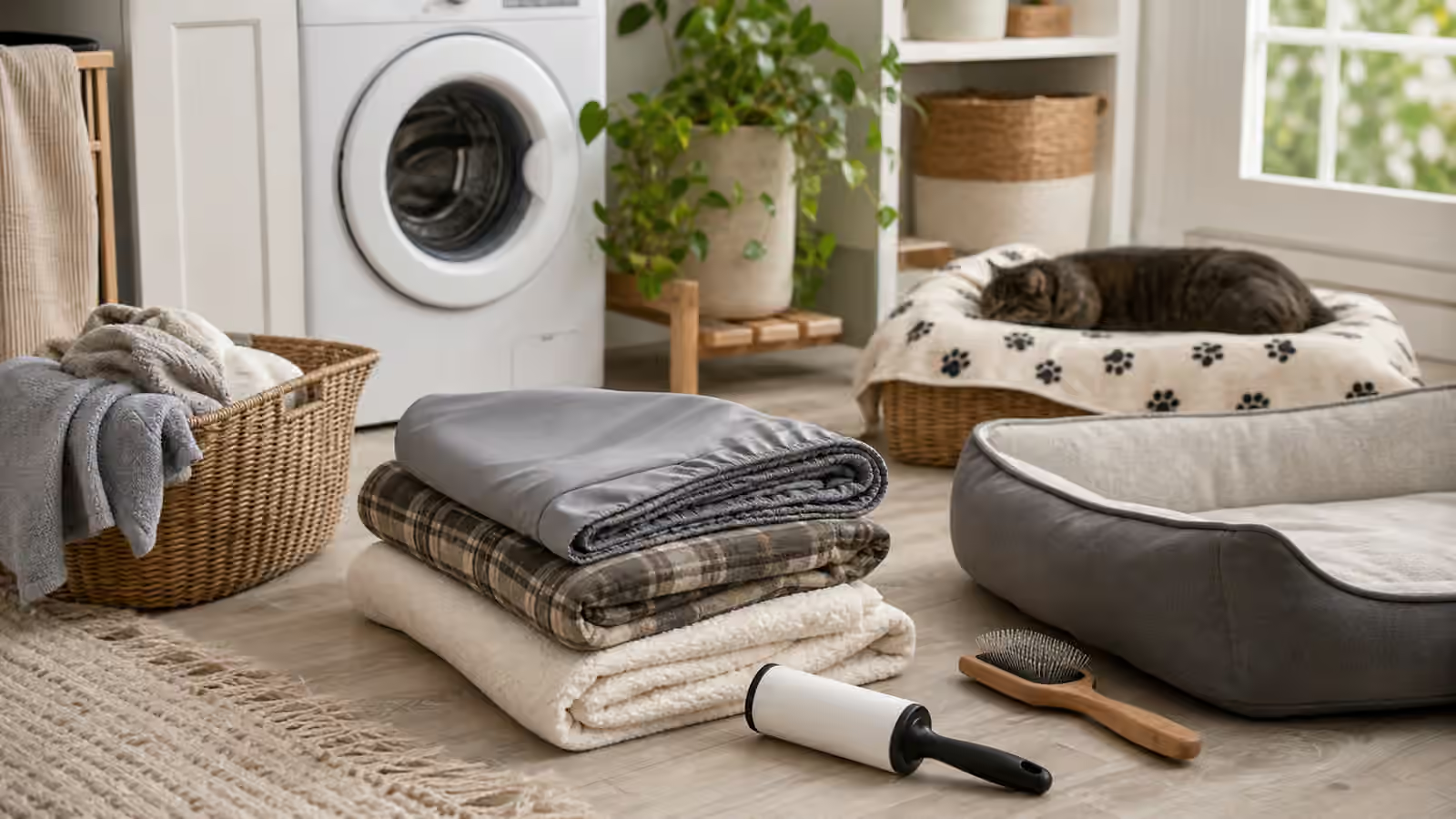
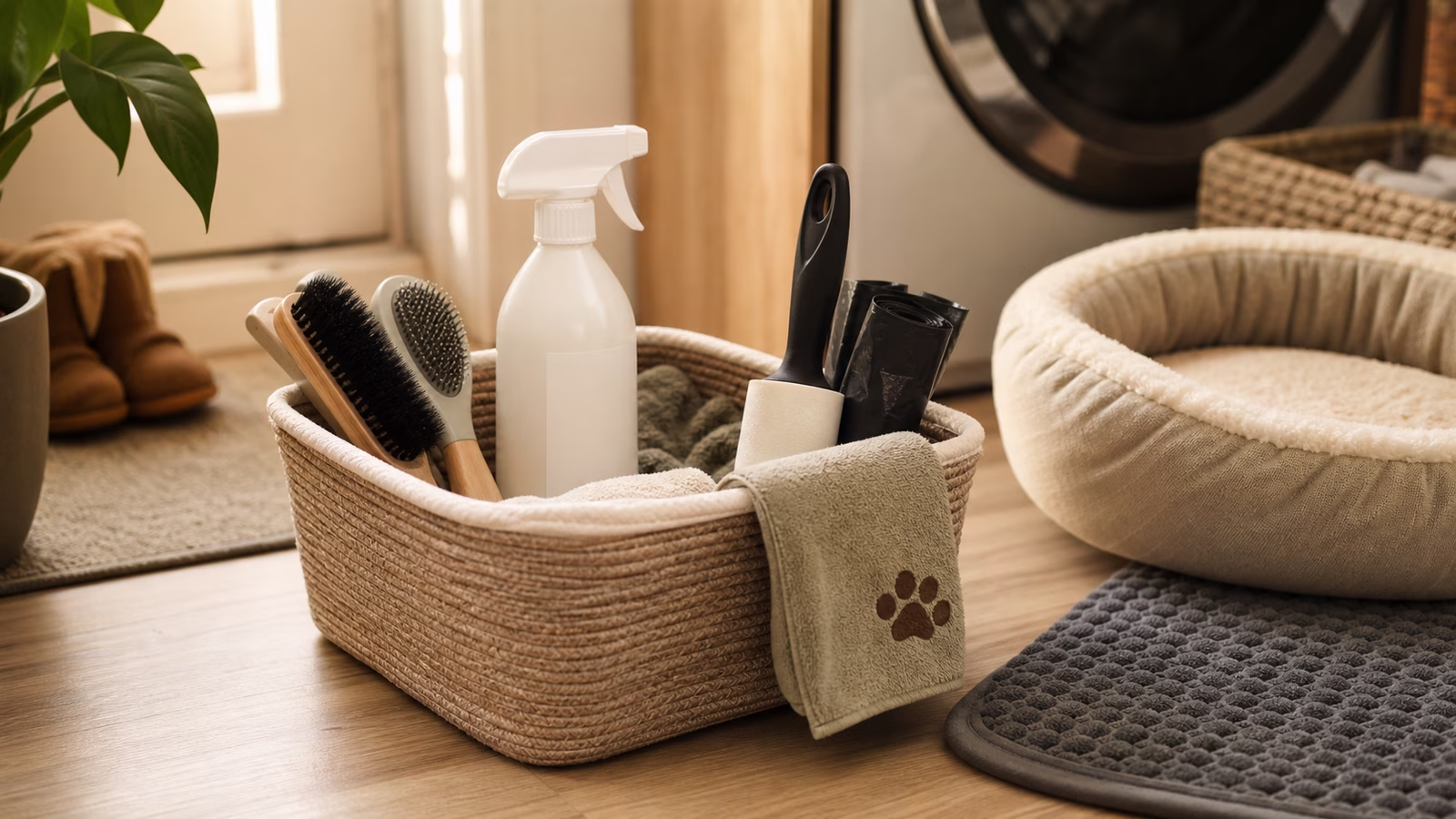
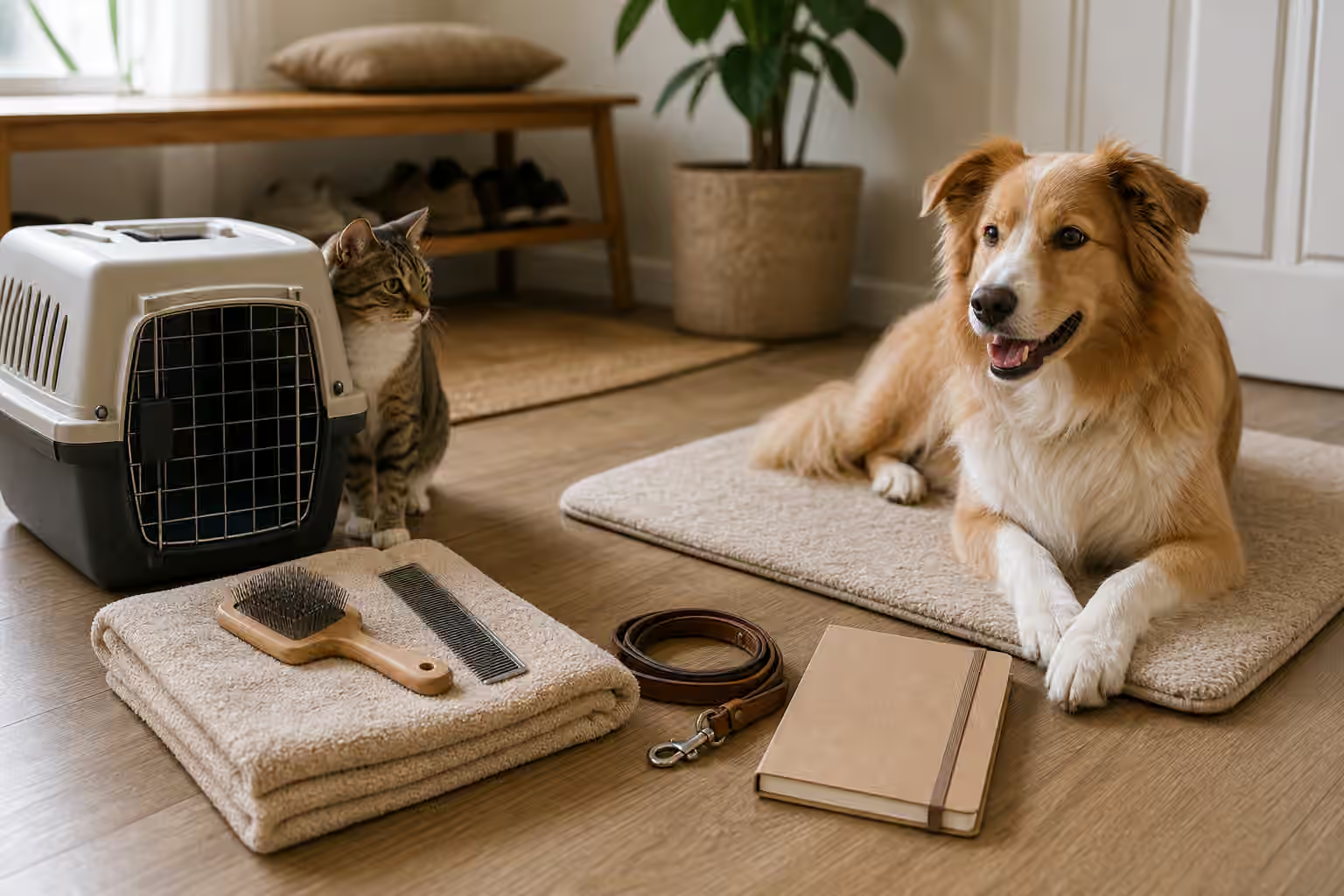
Bath day starts before water turns on. It starts with the floor, towels, drain, brush, temperature, exit path, and the pet’s ability to understand what is about to happen. A rushed bath can turn an ordinary cleaning task into slipping, scrambling, loud voices, soaked hallways, and a pet who avoids the room next time. A better routine makes the event smaller and more predictable.
Pawstead treats bathing as one part of home handling, not as a dramatic reset. Some dogs need occasional baths because of mud, odor, coat type, or lifestyle. Many cats do not need routine bathing because they groom themselves, though a bath or professional grooming may be needed for sticky substances, mobility limits, coat problems, or a specific instruction from a veterinarian. The household’s first job is to decide whether a bath is actually appropriate, then make the setup calm enough that the pet is not asked to solve every problem at once.
Decide whether bathing belongs at home
Not every dirty pet needs a full bath. A towel, brush, paw wipe, spot rinse, or bedding change may solve the real issue with less stress. A dog who rolled in mud after a walk may need a rinse and towel dry. A cat with a little litter dust on paws may need cleaner litter access, not a sink bath. A senior pet with a coat problem may need professional grooming or veterinary input rather than a household wrestling match.
The decision should be based on the pet in front of you, not on a fixed calendar. Coat type, skin condition, lifestyle, age, mobility, fear level, and medical instructions all matter. Avoid turning bathing into a default answer for every odor. Strong new smells, skin changes, ear smells, excessive licking, diarrhea, vomiting, urine accidents, and sudden coat changes can be health signals. Pet Cleaning Setup for a Fresher Home separates ordinary household cleaning from changes that deserve professional attention.
For cats, be especially conservative. Many cats find water handling intensely stressful, and their normal grooming already does much of the daily coat work. If a cat truly needs bathing, the safest path may be a veterinarian or groomer, especially when the cat is fearful, matted, elderly, ill, or likely to scratch and panic. A home guide can help with setup, but it cannot make every bath a home job.
Prepare the room before bringing the pet in
The bath area should look finished before the animal enters. Put a non-slip mat in the tub, shower, sink, or wash area. Place towels within reach. Check that the door can close if needed without trapping the pet in a frightening way. Move bottles, razors, cords, laundry, and small objects out of the path. Set an absorbent mat or runner outside the bath so wet paws do not hit a slick floor.
Water sound can matter as much as water temperature. Some pets startle at a loud sprayer, echoing bathroom, or sudden drain noise. Test the water before the pet arrives, keep pressure gentle, and avoid aiming spray at the face. Use lukewarm water unless a veterinarian or groomer has given different instructions. If shampoo is needed, use a product appropriate for the species and purpose, and follow the directions rather than improvising with household soaps.
Preparation also includes the route out. A wet dog launching from a tub onto a hard floor is not disobedient. The room made slipping and running likely. A cat carried dripping through a hallway may panic because the path feels exposed. Think through where the pet will stand after the rinse, where the first towel goes, and how you will keep the rest of the home from becoming the drying zone.
Make handling smaller than the bath
Bathing is easier when the pet already understands small pieces of handling. Standing on a mat, accepting a towel near the body, having paws touched, hearing water in the room, and stepping into the wash area can all be practiced separately. Cooperative Grooming and Handling at Home is the deeper foundation because baths are rarely only about water. They are about touch, restraint, sound, surface, and trust.
Start with the easiest piece. Let the dog stand on the bath mat while nothing happens. Feed or reward calm choices if food is appropriate for that pet. Bring the towel out on a normal day and let it mean gentle contact, not only the end of a stressful wash. For cats, the useful practice may be stepping onto a towel, accepting a brush stroke, or spending calm time in the bathroom while no bath occurs. The point is not to trick the animal. The point is to remove surprise.
During the actual bath, keep the session shorter than your ambition. Wet the necessary areas, avoid the face unless you have specific guidance, rinse thoroughly, and stop before the pet is fully exhausted if the task allows. If the pet freezes, thrashes, bites, scratches, vocalizes intensely, or cannot recover, the routine is too much. That is information, not a challenge to push through.
Protect paws, ears, eyes, and exits
The floor often decides whether bath day is manageable. Slick tubs, tile, and wet paws create fear quickly. A dog who cannot stand securely may lean, scramble, or grab with nails. A cat who feels unstable may climb the nearest person. Use traction before you need it. A rubber mat, towel on a stable surface, or textured wash area can change the animal’s confidence more than any speech.
Paws need gentle sequencing. If the main issue is muddy feet, a full bath may be unnecessary. The paw handling ideas in Nail Trimming and Paw Handling at Home apply here too: touch briefly, reward calm if rewards are appropriate, and stop before the pet has to yank away. A dog who dislikes paw handling will not become more relaxed because the paws are wet.
Avoid flooding ears or spraying faces casually. Many pets dislike face water, and some have medical reasons to avoid certain handling. Use a damp cloth only when appropriate and tolerated, and ask a veterinarian or groomer for pet-specific needs. Protect exits as choices, not escape routes through danger. A closed bathroom door can prevent a wet sprint, but a cornered pet may panic. A gate, helper, leash, or smaller wash space can help only when used calmly and with attention to body language.
Drying is part of the routine, not the aftermath
Drying deserves its own plan. A towel placed over the back may be fine for one dog and alarming for another. Some pets tolerate gentle blotting better than rubbing. Long coats may need careful separation and brushing after the bath, while short coats may dry quickly with towels and a warm room. Keep the pet away from cold drafts, slick floors, and furniture you are not prepared to clean.
Dryers need caution. The sound, heat, air pressure, and restraint can overwhelm pets quickly. If a dryer is used, it should be appropriate for animals, kept at a comfortable setting, moved carefully, and stopped if the pet cannot cope. Many households are better served by towels, time, and a warm protected room. Severe matting, thick coats, heavy shedding, or grooming needs beyond the household’s skill belong with a groomer or veterinarian.
For cats, drying may be the hardest part. A wet cat may want to hide, and a hiding place that is cold, dusty, or unreachable can create a second problem. If a cat bath is truly necessary, set up a warm quiet recovery room before starting. Include familiar bedding, litter access, water, and no pressure to socialize. The bath is not finished when the water stops. It is finished when the animal has recovered enough to rest normally.
Clean the room while the lesson is still fresh
After the pet is dry enough to leave the wash area, reset the room. Hang towels, rinse mats, clear hair from drains, wipe floors, and put supplies back where the next bath can start calmly. If every bath ends with a wet pile of laundry, slippery tile, and missing tools, the next bath begins with stress already built in.
Use the cleanup to learn. Did the pet slip at the same moment twice? Did the sprayer scare them more than touch? Did the hallway become the problem? Did the cat recover faster when the bedroom was ready? Those observations are more useful than deciding the pet is stubborn. They tell you which part of the setup needs to change.
A steady bath routine is not glamorous. It is a prepared room, a pet who has practiced small pieces, water used only as much as needed, and a drying plan that respects recovery. When bathing is too stressful, too risky, or tied to a health concern, the best home decision is to bring in the right professional instead of forcing the scene to work.