Outdoor edges are some of the most tempting places in a pet home. A balcony holds smells and birds. A porch has visitors and delivery sounds. A yard offers sun, grass, and motion beyond the fence. Those spaces can enrich a pet’s day, but they also expose gaps in the household routine. A door left open for one second matters more at an outdoor edge than it does between two rooms.
The Pawstead approach is not to treat outdoor access as all or nothing. It is to make boundaries visible and boring. Gates close. Screens hold. Leashes have places to live. Cats have indoor perches when outdoor access is not appropriate. Dogs learn that yard time still has rules. People stop assuming that a familiar pet will make the safe choice every time.
Treat every outdoor edge as a threshold
A threshold is a place where the rules change. Front doors, balcony sliders, porch gates, garage doors, and yard gates all deserve routines. If the dog blasts through the doorway, the yard is not the real problem. The threshold is. If the cat waits near the balcony slider every time it opens, the slider needs a plan before a guest or child opens it casually.
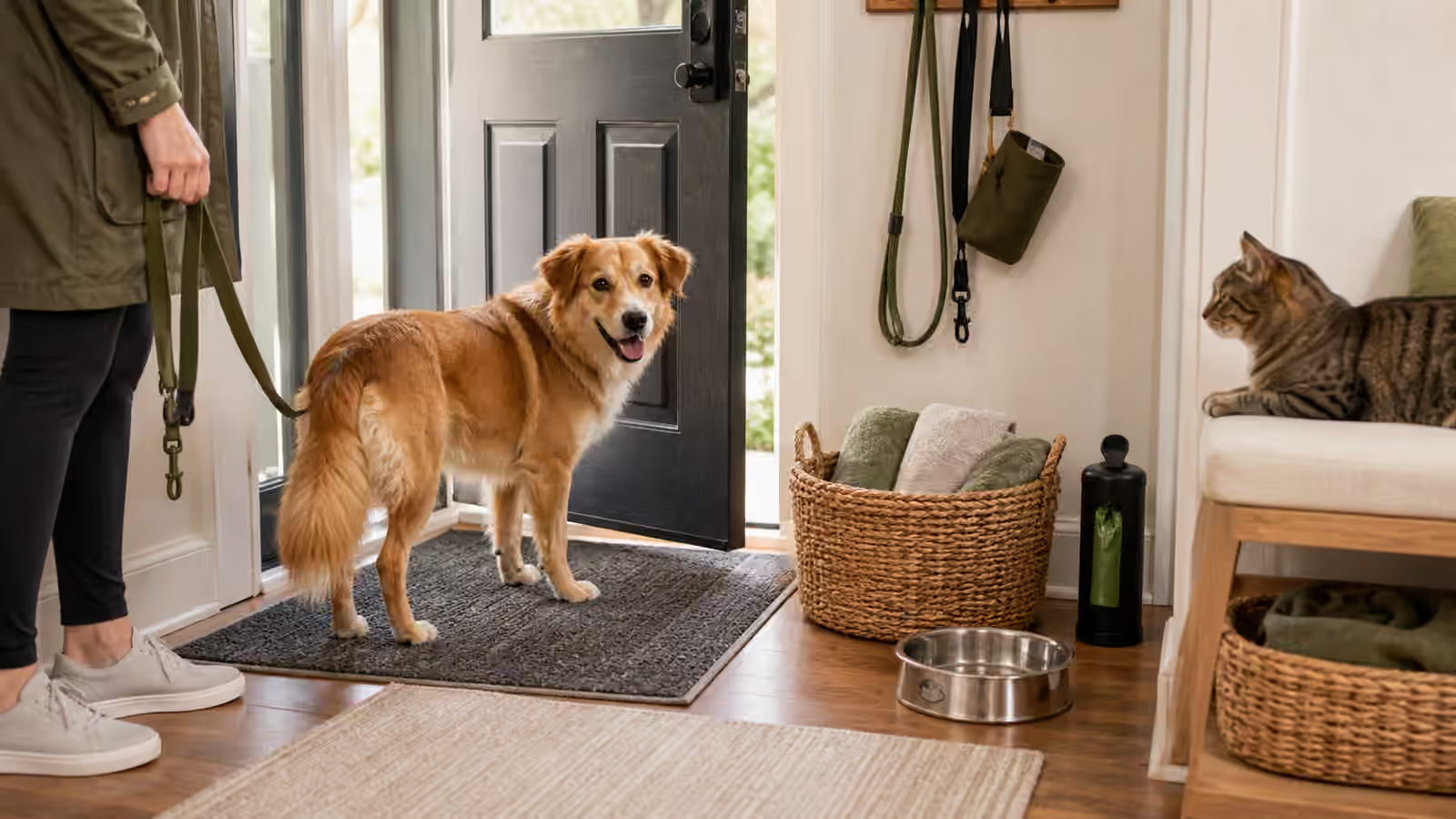
Build a pause into the doorway. For dogs, that may mean clipping a leash before the door opens, asking for a simple wait, or using a gate that creates a second layer. For cats, it may mean opening the balcony only when the cat is in another room, using a secure screen, or creating an indoor perch that satisfies watching without access. The exact rule depends on the animal and the space. The important part is that the household repeats it.
Visitors and Doorway Routines for Pets covers the same idea at the front door. Outdoor spaces simply raise the stakes because the other side may include traffic, wildlife, stairs, railings, neighbors, and unfamiliar dogs.
Inspect the physical boundary, not the idea of it
A fence is not a boundary because it is called a fence. It is a boundary if it contains the animal in front of you. Small dogs can slip through gaps that seem irrelevant to people. Large dogs can push weak gates. Cats can climb or squeeze. Puppies chew. Senior pets may stumble near steps or uneven ground. Balcony rail spacing, loose screens, broken latches, stacked furniture, and planter boxes can all change what access means.
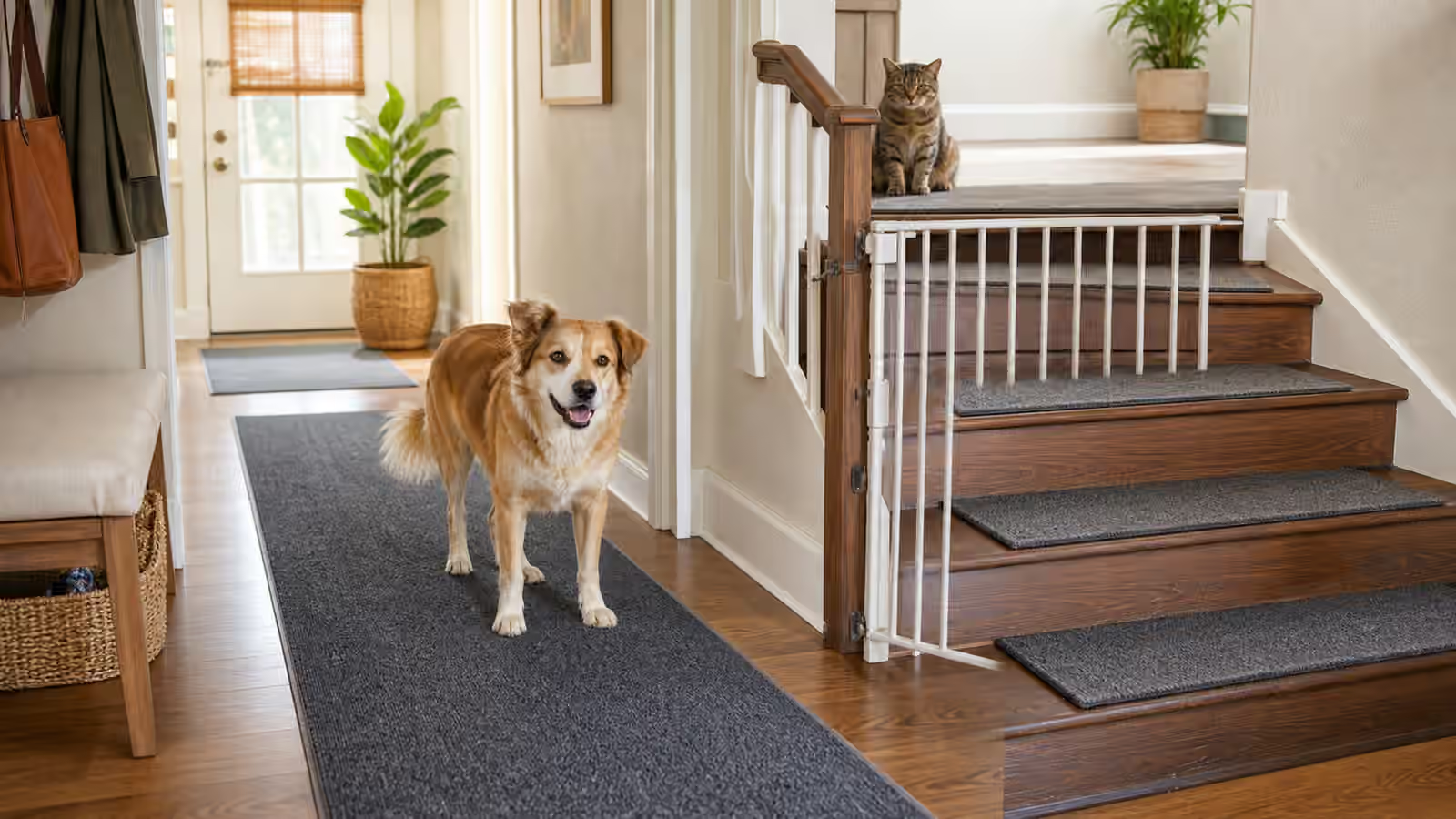
Walk the edge at pet height. Look at gaps under gates, spaces beside posts, loose boards, climbable furniture, low balcony rails, and doors that do not latch fully. Check where a delivery person, gardener, neighbor, or child might open something from the other side. A pet gate can help inside, but it is only useful if people close it and if the pet cannot defeat it.
Do not use memory as your inspection method. Weather, repairs, and daily use change boundaries. A gate that latched well last month may drag today. A screen that looked fine in winter may be brittle by summer. Recheck before expanding freedom.
Supervision means attention, not presence
Many pets get into trouble while a person is technically outside with them. The person is on a phone, carrying laundry, talking to a neighbor, or grilling. The pet is investigating a plant, barking through a fence, digging under a gate, chewing mulch, or stalking the balcony edge. Supervision means the human can interrupt early and calmly because they are actually watching.
For dogs, a long line can create freedom without pretending recall is finished. Use equipment that fits well, avoid tangles, and keep the line away from furniture or people who could trip. Yard time can include sniffing, quiet play, grooming practice, or just lying in the sun. It does not need to become a chase game every time. If the dog practices barking at every passerby from the fence, the yard is teaching a habit you may not want.
For cats, supervised outdoor access is more complicated and should be approached conservatively. Some cats may enjoy a secure catio, screened porch, harness practice, or window perch. Many cats are better served by indoor enrichment and safe views. New Cat Setup and Pet Enrichment for Bored Dogs and Cats offer indoor options that do not depend on risky access.
Give indoor alternatives real value
Outdoor access often becomes a problem when it is the only interesting part of the day. If the balcony is the cat’s only good viewing spot, the cat will patrol the door. If the yard is the dog’s only sniffing opportunity, the dog may treat every exit as urgent. Indoor alternatives lower the pressure.
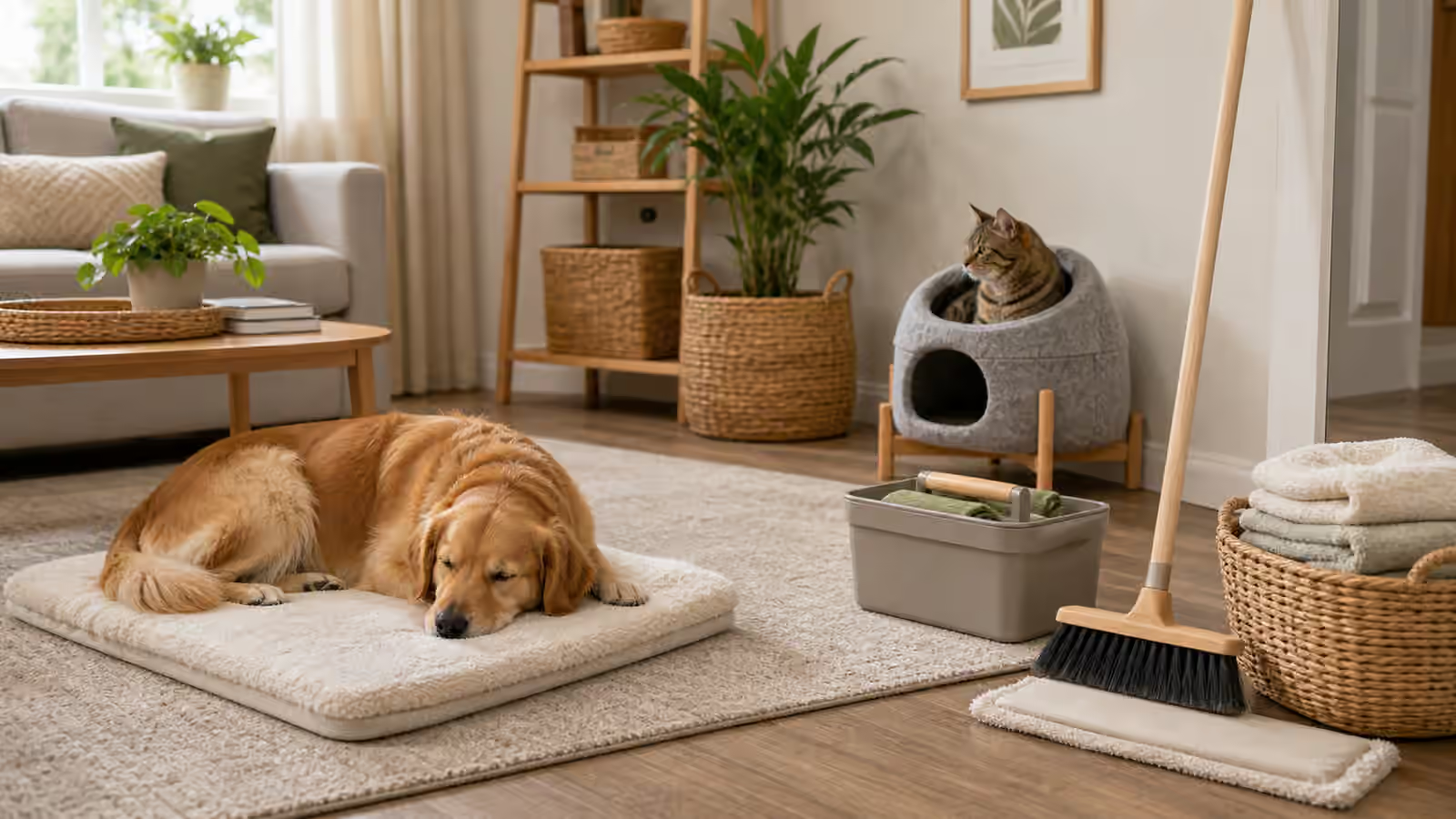
For cats, place a stable perch near a secure window, add scratching options, rotate toys, and use food puzzles or play routines when appropriate. For dogs, build sniffing into walks, use calm foraging games, and create a resting spot near household activity. Indoor enrichment does not replace fresh air for every animal, but it makes outdoor access less desperate.
This matters during bad weather, repairs, smoke, extreme heat or cold, neighborhood events, or illness. A pet who already has indoor routines can handle a closed yard or balcony day more easily. Alone-Time Routines for Dogs and Cats can help when outdoor access changes around work hours.
Watch weather and surfaces
Outdoor surfaces can be hotter, colder, slicker, or rougher than they look. Paw comfort, shade, water access, and traction matter. Avoid making promises based on your own comfort; pets are closer to the ground and may experience surfaces differently. If the ground, deck, or balcony surface seems questionable, shorten access and choose a safer time or location.
Weather awareness is also about behavior. Wind can slam doors. Thunder can startle a dog into running. Fireworks can turn a normal yard break into an escape risk. Heat can make a pet seek shade poorly or overdo activity. Cold can make steps slippery. The setup should let you end outdoor time quickly without a chase.
Keep water available where appropriate, but do not rely on an outdoor bowl as the only water source. Keep leashes, towels, and cleanup supplies near the exit so the return indoors is part of the routine. Pet Cleaning Setup for a Fresher Home is useful because muddy paws and wet coats are easier when the entry has a plan.
Protect the boundary from social pressure
People often weaken outdoor rules because they feel awkward. A guest says the dog looks fine off leash. A neighbor wants to greet through the fence. A child opens the porch door to show the cat the view. A delivery arrives while the gate is open. Decide the rule before the social moment.
Use simple household language. The gate stays closed before the dog enters the yard. The cat does not go onto the balcony. The leash is clipped before the porch door opens. The dog comes inside before the driveway gate opens. These are not personality judgments about the pet. They are operating rules for a shared home.
If you have a pet sitter, write the outdoor routine plainly. Pet Sitter Handoff Without Confusion matters here because outdoor mistakes can happen quickly when someone assumes the pet has more freedom than they actually do.
Expand freedom only when the boring version works
A pet earns more outdoor freedom by being boring in the best sense. The dog checks in, moves away from the gate when called, does not rehearse fence conflict, and can come inside without a chase. The cat uses the secure perch or catio without testing every gap. The household closes gates and doors automatically. The routine works when people are tired, not only during a training session.
If the boring version does not work, shrink the setup. Use a leash, close a second gate, block a visual trigger, supervise more actively, or move enrichment indoors. Outdoor edges do not forgive wishful thinking. They reward routines that are visible, repeated, and easy for everyone in the house to follow.