Apartment pet setup is not just house setup with fewer square feet. In an apartment, the entry door, elevator, hallway, shared walls, litter area, walking gear, and quiet resting places all press closer together. A dog hears neighbors through the door before a walk begins. A cat may have fewer rooms to avoid people, noise, or another pet. Storage is tighter, so every item that lands on the floor has to earn its place.
The good news is that small spaces often make routines easier to see. If the household builds clear stations, an apartment can feel very readable to a pet. The aim is not to create a miniature pet store inside the living room. The aim is to decide where arrivals happen, where rest happens, where food and water belong, where the cat can be high or hidden, and how walks start without turning the hallway into the most exciting room in the building.
Make the entryway do more work
The apartment entry is usually the narrowest, busiest, most important pet zone. It is where keys drop, shoes come off, leashes hang, visitors knock, deliveries appear, and dogs launch toward outside smells. If the entry is chaotic, the rest of the routine starts behind.
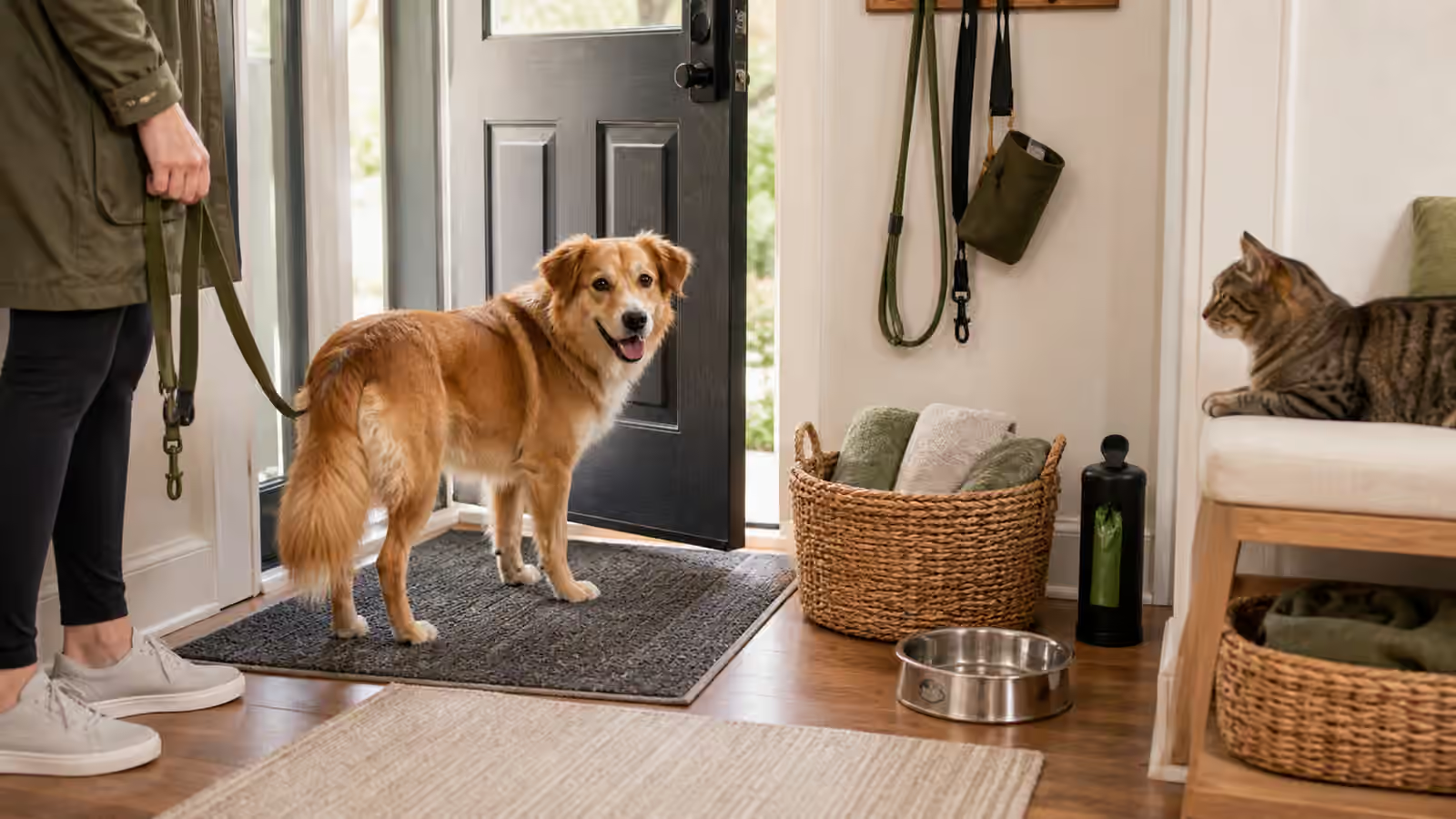
Give the entry one simple job: transition. A washable runner protects the floor and gives paws traction. A leash hook keeps gear from disappearing into a closet. A small basket can hold waste bags, a towel, and treats. A gate can create a buffer between the door and the pet, which matters for dogs who surge forward and cats who are curious about hallways. The same idea appears in Pet-Proofing Rooms Before Giving More Freedom , but apartments make it more urgent because a single door may open directly into a shared corridor.
Do not let the hallway become the first training arena of the day. Clip the leash before opening the door. Pause long enough that the dog is oriented to you. If the dog is already barking, spinning, or scanning under the door, step back into the apartment routine instead of rushing outside and rewarding the surge with movement. A calm exit is easier to teach than a dramatic recovery in front of the elevator.
Give dogs an inside reset before outside
Apartment dogs often move from quiet home to hallway, elevator, lobby, sidewalk, traffic, and other dogs in a few minutes. That stack can be hard even for a friendly dog. The answer is not necessarily longer walks. Sometimes the better first step is a predictable pre-walk reset inside.
Use the same small sequence each time. The leash appears. The dog stands or sits near the door. The person clips the gear. The door opens only when everyone has a little space. The first outdoor route is familiar enough that the dog can sniff and settle. This connects naturally to Loose-Leash Walks Without Turning Every Walk Into Training , because loose-leash work begins before the leash is tight.
If the dog struggles with elevators, stairs, or lobby traffic, treat those as separate skills. A dog who can walk nicely on a quiet sidewalk may still need practice standing at a distance from the elevator door while people pass. Keep sessions short and boring. Reward noticing sounds without charging toward them. When a neighbor appears, create distance when you can and move with practical courtesy instead of asking the dog to greet every person in a confined space.
Build height and hiding for cats
Cats in apartments need more than a litter box and a window. They need choices. A cat who cannot leave the room still needs to leave the situation. Height, covered rest, and quiet paths help a small home feel larger.
Place a perch where the cat can watch light, birds, or household movement without being in a walkway. Add a hiding bed or open carrier in a low-traffic area. Put scratchers where stretching naturally happens, not only where the scratcher looks tidy. If the apartment has a dog, make sure the cat has routes that do not require crossing directly in front of the dog bed, food bowl, or entry door.
Litter placement deserves more thought in a small home. The box should be easy for the cat to reach, easy for people to clean, and not jammed beside noisy appliances or food bowls. A box hidden so well that people forget it will usually become a smell problem. A box placed in the middle of household traffic can become a cat problem. Litter Box Setup That Actually Works is the deeper read, but the apartment version is simple: choose the best compromise you can actually maintain.
Control sound without making sound the enemy
Apartment pets hear more life through walls and doors. Footsteps overhead, elevators, hallway voices, trash rooms, delivery carts, and nearby dogs may become part of the daily soundscape. You cannot silence a building, and trying to treat every noise as an emergency teaches the pet that every noise deserves a reaction.
Instead, make background sound ordinary. Keep the pet’s resting place away from the front door if the door triggers constant scanning. Use curtains, rugs, and soft furnishings to dampen echoes. Close visual access to hallway gaps if watching the door keeps the dog on duty. For cats, offer hiding that is available before noise starts, not only after the cat is already under the bed.
There is a difference between ordinary alerting and distress. A brief bark when someone passes may be a setup problem. Hours of panic, frantic scratching, injury risk, or inability to settle should move the issue toward qualified help. Pawstead can help with routines, but it should not turn serious distress into a decor project.
Store less and rotate better
Small homes punish gear sprawl. Every duplicate bowl, unused toy, wrong-sized bed, and abandoned grooming tool takes space from the things that do matter. This is where apartment living can improve pet care: it forces the household to decide what is used every day.
Keep daily tools close to the job. Leash supplies near the door. Litter tools near the box, but contained. Cleaning supplies where accidents or muddy paws actually happen. Food storage close enough to the feeding station that meals do not require a scavenger hunt. Enrichment toys can live in a bin and rotate out slowly, which prevents the floor from becoming cluttered while still giving the pet variety. Pet Enrichment for Bored Dogs and Cats works especially well in apartments because sniffing, foraging, play, and chewing can make a small room more interesting without adding more rooms.
The best apartment setup is often plain. One good bed in the right place beats three beds that block paths. One stable scratcher near the cat’s real route beats a decorative tower no one uses. A gate installed where pressure happens beats a closet full of hopeful products.
Protect shared routines
Apartments bring people and pets into closer contact with neighbors, but the pet’s emotional life still happens inside the home. Build routines that protect rest after walks, quiet after meals, and recovery after visitors. If a dog comes back from a stimulating sidewalk and immediately has to dodge a cat, a laundry basket, and a person cooking in the kitchen, the home is not helping the dog come down. If a cat uses the litter box while a dog watches from two feet away, the box is not truly accessible.
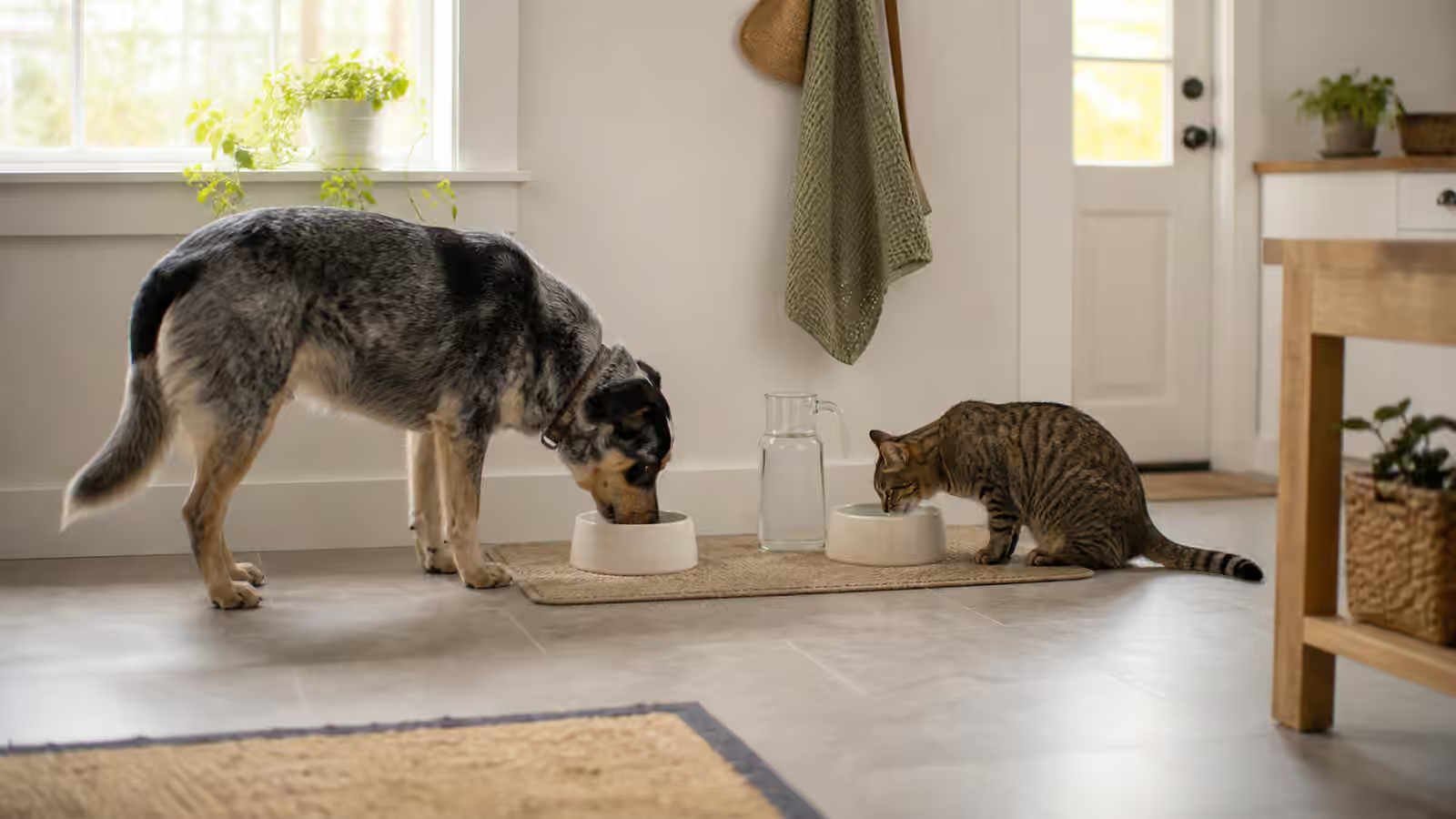
Use furniture, gates, and timing to create separation without making the apartment feel divided forever. Feed pets apart if meals create tension. Put the cat’s water away from the dog’s main path. Let the dog rest after walks before asking for grooming, play, or handling. Link cleaning to the entry so the apartment does not slowly collect the outside world. Pet Cleaning Setup for a Fresher Home pairs well with apartment life because small messes have nowhere to hide.
Apartment pet setup is really an exercise in clarity. When the home is small, the pet can learn the map quickly if the map makes sense. Give the entry a routine, the dog a calm transition, the cat height and privacy, and the household fewer objects with better jobs. A small home that is predictable will usually feel larger to a pet than a bigger home with no rules at all.