Alone time is not one skill. It is the sum of the place the pet waits, the way people leave, the sounds that happen around the door, the activities available during the absence, and the first few minutes after everyone returns. A dog or cat who seems calm while people are home may still find departures confusing if the routine only appears when the household is already late.
The practical goal is not to make the pet stop caring when you leave. Most social animals notice patterns. They hear keys, shoes, bags, kitchen cleanup, garage doors, and the sudden quiet that follows. The goal is to make those patterns understandable and boring enough that the pet can settle, use safe resources, and recover when the household changes shape for a while.
Start before the real departure
The hardest time to teach alone time is the morning when everyone has to leave. The pet is awake, the people are moving quickly, and every cue points toward a long absence. If the first practice session is a full workday, the household has skipped the part where the pet learns what the smaller pieces mean.
Begin with ordinary micro-separations while nothing important is happening. Step through a gate and return. Close a bathroom door for a moment and come back before the dog is worried. Let a cat stay in a comfortable room while you carry laundry down the hall. Pick up keys, set them down, and continue making coffee. Put on shoes, sit down, and read for a few minutes. The point is not to trick the pet. It is to uncouple departure cues from one dramatic outcome.
These tiny repetitions should feel almost dull. If the dog is barking, clawing, drooling, or throwing their body at the barrier, the version is too hard. If the cat is hiding for hours after a door closes, the setup may be too abrupt. Make the separation shorter, easier, and more predictable. The useful practice is the version the pet can survive without rehearsing panic.
Build a waiting place, not a trap
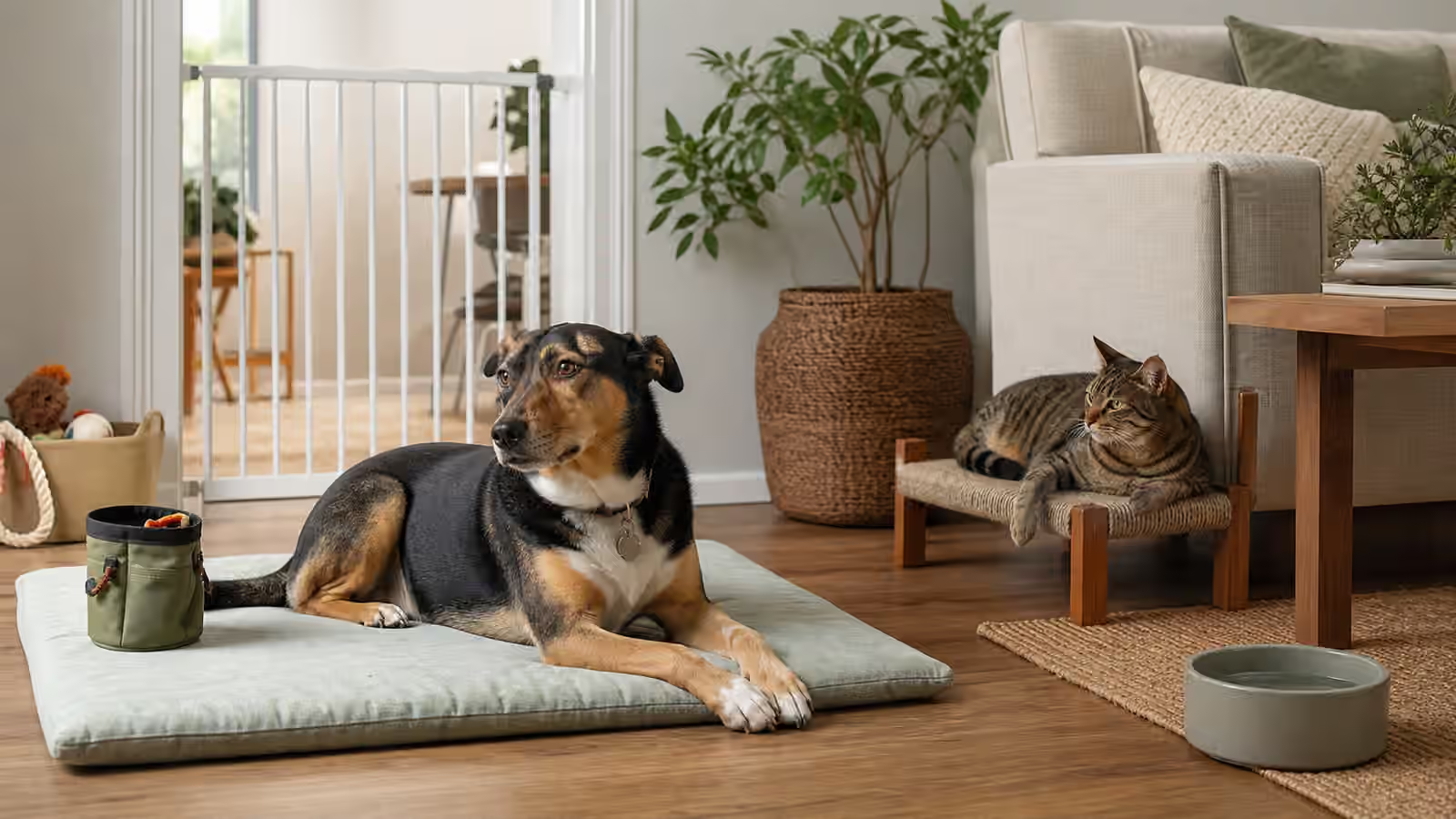
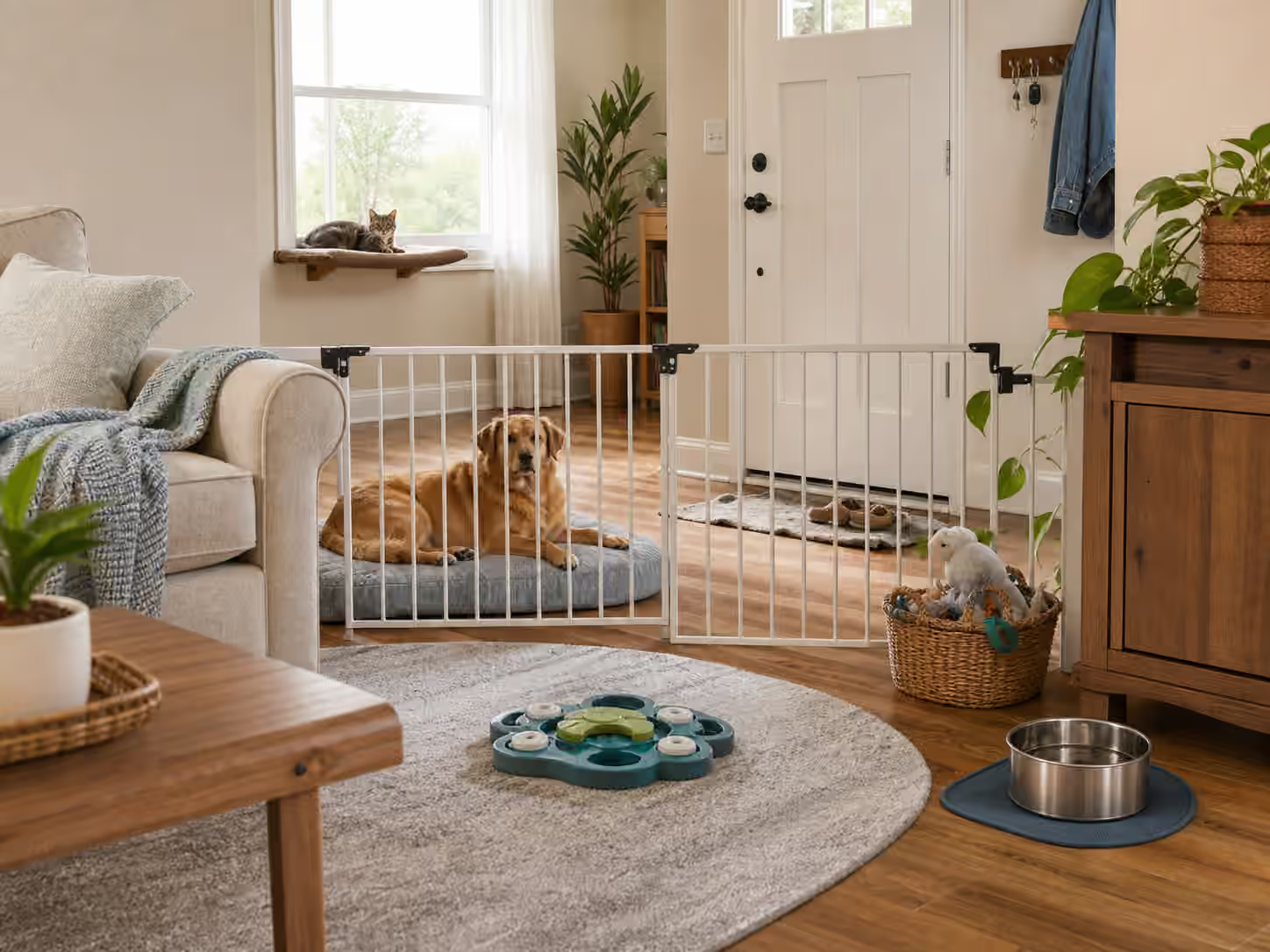
Alone time goes better when the pet has a clear waiting place. For some dogs, that place is a crate they already understand from Crate Training Without Confusion . For others, it is a gated room, a pen, or a section of the house with a bed, water, safe flooring, and no tempting objects. For cats, it may be the normal home base from New Cat Setup , with litter, scratching, water, hiding, and a resting spot that does not depend on human attention.
The waiting place should be prepared before the pet is left there. A puppy in a room with cords, shoes, and a full trash can is not getting freedom. They are being given a list of mistakes to discover. A cat shut in a room without litter or a hiding place is not being settled. They are being trapped away from needed resources. Pet-Proofing Rooms Before Giving More Freedom is the better frame: remove problems, add legal choices, and expand only when the pet shows they can handle the space.
Comfort matters, but comfort is not the same as luxury. A washable mat, a stable water bowl, a resting spot away from direct drafts, and a safe chew or puzzle can do more than an overfilled room. Too many options may create motion instead of rest. You are trying to make the waiting place easy to understand: this is where calm happens while people are out of reach.
Keep departures plain
People often make departures strange by adding emotion to every cue. They apologize, repeat the pet’s name, offer a last-minute treat, return for another goodbye, and then become tense when the pet becomes tense. Other people do the opposite and try to sneak out, which can make the pet scan harder for missing people and closed doors.
A better departure is plain and consistent. Prepare the pet’s space, offer the planned settling activity if one is part of the routine, say a simple phrase if you use one, and leave without turning the doorway into a scene. The phrase should not be a magic command. It is just a predictable marker that the next part of the day is beginning. If the pet is already worried by that phrase, stop using it for real departures for a while and rebuild it during easy practice.
Door sound deserves attention. Some pets react less to absence than to the burst around the exit: jangling keys, a heavy door, hallway voices, an elevator, a garage opener, or another dog barking outside. Practice those sounds at low stakes. Open and close the door while staying home. Step into the hallway and return after a few seconds. Let the pet hear the boring version many times before the door always predicts a long gap.
Use enrichment that lowers the temperature
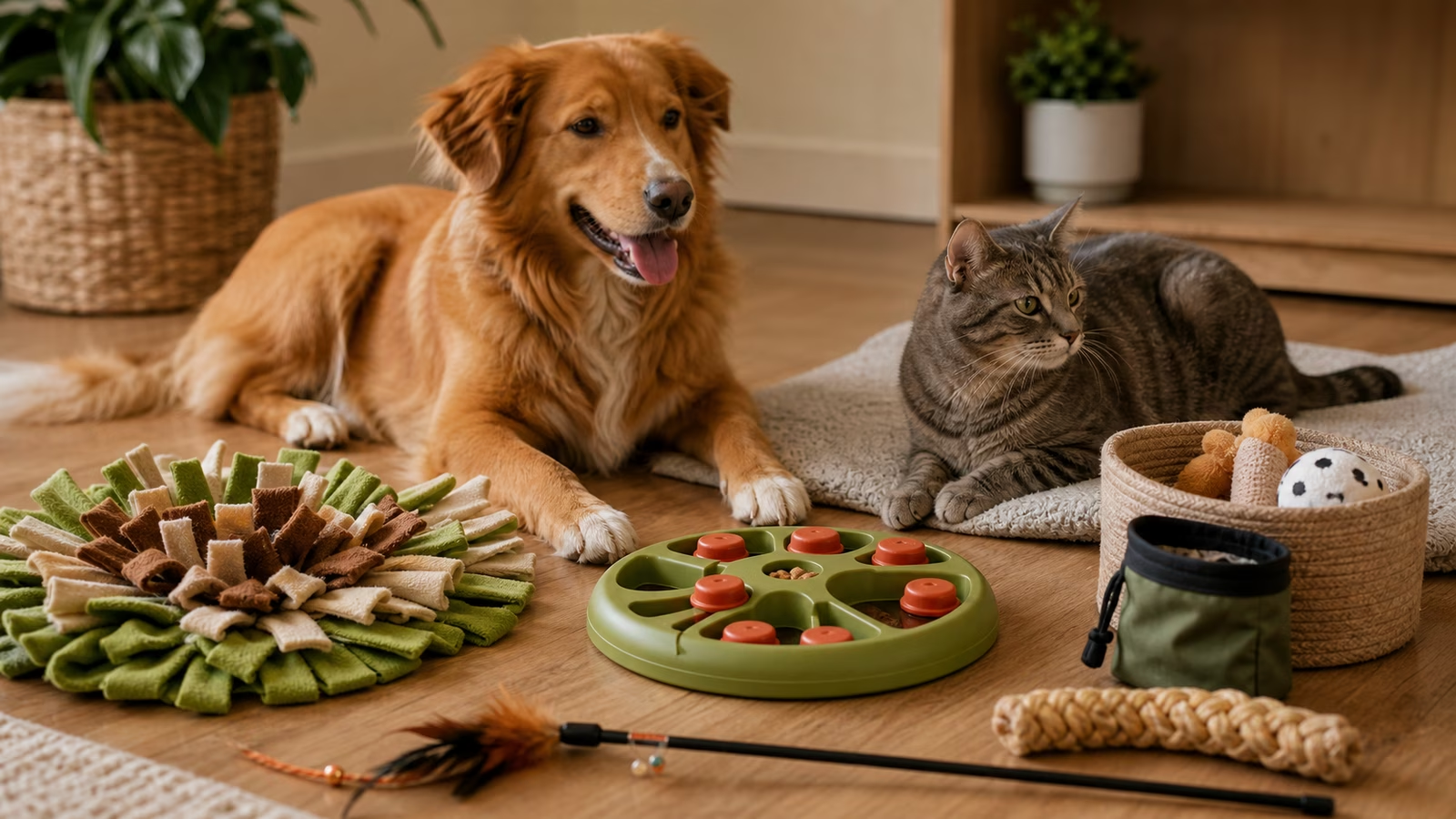
Enrichment can help alone time when it is chosen carefully. A simple food puzzle, a snuffle mat used before departure, or a safe chew for a dog who can handle it may give the pet a predictable job. A cat may do better after a short play cycle that ends with food, a sunny perch, and a scratcher close to the resting area. Pet Enrichment for Bored Dogs and Cats is useful here because enrichment is about normal behavior, not distraction theater.
Do not make the activity too difficult. A puzzle that frustrates the pet can raise arousal right before the household disappears. A chew that the dog guards, splinters, swallows, or destroys is not an alone-time tool. A cat toy with strings, loose parts, or anything that requires supervision should not be left out as a substitute for human judgment. The best alone-time activities are boringly appropriate for that individual animal.
It also helps to separate enrichment from the exact second of leaving. If the only time the dog sees a stuffed food toy is when everyone disappears, the toy may become part of the alarm. Offer the same kind of activity sometimes while people are home and calm. Let it mean settling, not abandonment.
Practice returns as carefully as exits
Returns teach too. If the first five minutes after coming home are loud, frantic, and physically chaotic, the pet may spend the absence waiting for that explosion. A dog who jumps, mouths, grabs sleeves, or races through the room is not just being happy. They may be over threshold. A cat who yowls, swats, or bolts between legs may also be showing that the transition has become too intense.
Come in plainly. Put down bags where they do not block the pet. Let the dog have a short bathroom trip if needed, but avoid making the first contact a wrestling match at the door. Let the cat approach or observe without being scooped up as proof that they missed you. Calm returns do not mean cold returns. They mean the reunion helps the pet come down rather than climb higher.
The doorway routines in Visitors and Doorway Routines for Pets apply to household members too. The door is a pressure point because it combines movement, sound, excitement, and access to the outside world. A pet who rushes the door when people return may need a gate, leash, mat, or closed interior door so the first greeting is managed rather than improvised.
Match the plan to the pet’s season of life
Puppies need a different alone-time plan from adult dogs. Their bathroom needs, chewing, sleep, and confidence are still changing. The routine in New Puppy First Week Checklist should come before long absences because a puppy who is overtired, under-supervised, or expected to hold it too long is being set up to fail. Short separations, planned potty breaks, safe containment, and boring returns matter more than proving independence quickly.
Newly adopted adult dogs also need patience. Some follow people constantly for the first week because the home is new, not because they have a permanent problem. Others seem quiet at first and show distress only after they begin to attach. The decompression approach in The First Month With an Adopted Adult Dog pairs well with tiny alone-time practice: observe, keep the world simple, and do not use a full workday as the test of whether the dog is fine.
Senior pets may need practical adjustments more than training. A dog who used to sleep through absences may now need easier water access, traction, a closer bathroom routine, or a more comfortable resting spot. A cat who used to nap anywhere may prefer a lower perch, warmer bed, or litter box on the same level of the home. If alone-time changes arrive with pain signs, confusion, house-soiling, appetite changes, or other health concerns, the setup is not the only question.
Notice the difference between protest and panic
Some pets complain briefly when a fun interaction ends. A few seconds of mild whining, a cat meowing once at a closed door, or a dog watching from a gate can be ordinary frustration. Panic looks different. It tends to escalate, repeat, and leave the pet unable to settle. The animal may injure themselves trying to escape, destroy door frames, drool heavily, vocalize for long stretches, eliminate from distress, refuse food they normally like, or remain agitated after people return.
Do not treat panic as stubbornness. Adding more confinement, scolding after the fact, or letting the pet exhaust themselves can make the pattern worse. Use the decision frame in When to Call a Vet, Trainer, or Groomer when the signs are beyond everyday setup. The sooner the household separates normal routine-building from serious distress, the less time the pet spends practicing fear.
Alone time improves when it becomes part of daily life instead of a crisis event. Practice the easy pieces before you need them. Prepare a waiting place that is genuinely safe. Keep departures and returns quiet enough to understand. Use enrichment that helps the pet settle rather than spin up. A pet does not need to love every absence, but they should be able to recognize the pattern and find their way back to calm.