An adopted adult dog may arrive with house skills, leash history, favorite comforts, and strong opinions you have not seen yet. They may also arrive tired, overstimulated, shut down, restless, or unusually polite because they are still learning what this new place means.
The first month is not a test of how quickly the dog can become your idea of normal. It is a transition period. Your job is to make the home readable, keep the dog safe, collect information, and avoid creating problems through too much freedom too soon.
Give decompression a real setup
Decompression is not a mystical waiting period. It is the practical idea that a dog needs time and space to recover from change. The dog may have moved through a shelter, foster home, transport, previous household, or several unfamiliar cars before reaching your door. Even a friendly, confident dog has had a lot to process.
Start with a home base. Choose a quiet area with a bed, water, safe chew options, and a barrier if needed. The dog should be able to rest without being touched every time someone walks by. A crate can help some dogs if they already find crates comfortable, but it should not be forced as proof of obedience. If crate training is part of your plan, read Crate Training Without Confusion and move slowly.
Do not invite everyone over to meet the dog in the first few days. Do not tour every park, pet store, cafe patio, and friend’s house to celebrate the adoption. A dog can be social later. At the start, ordinary quiet is the gift.
Keep the routine narrow and repeatable
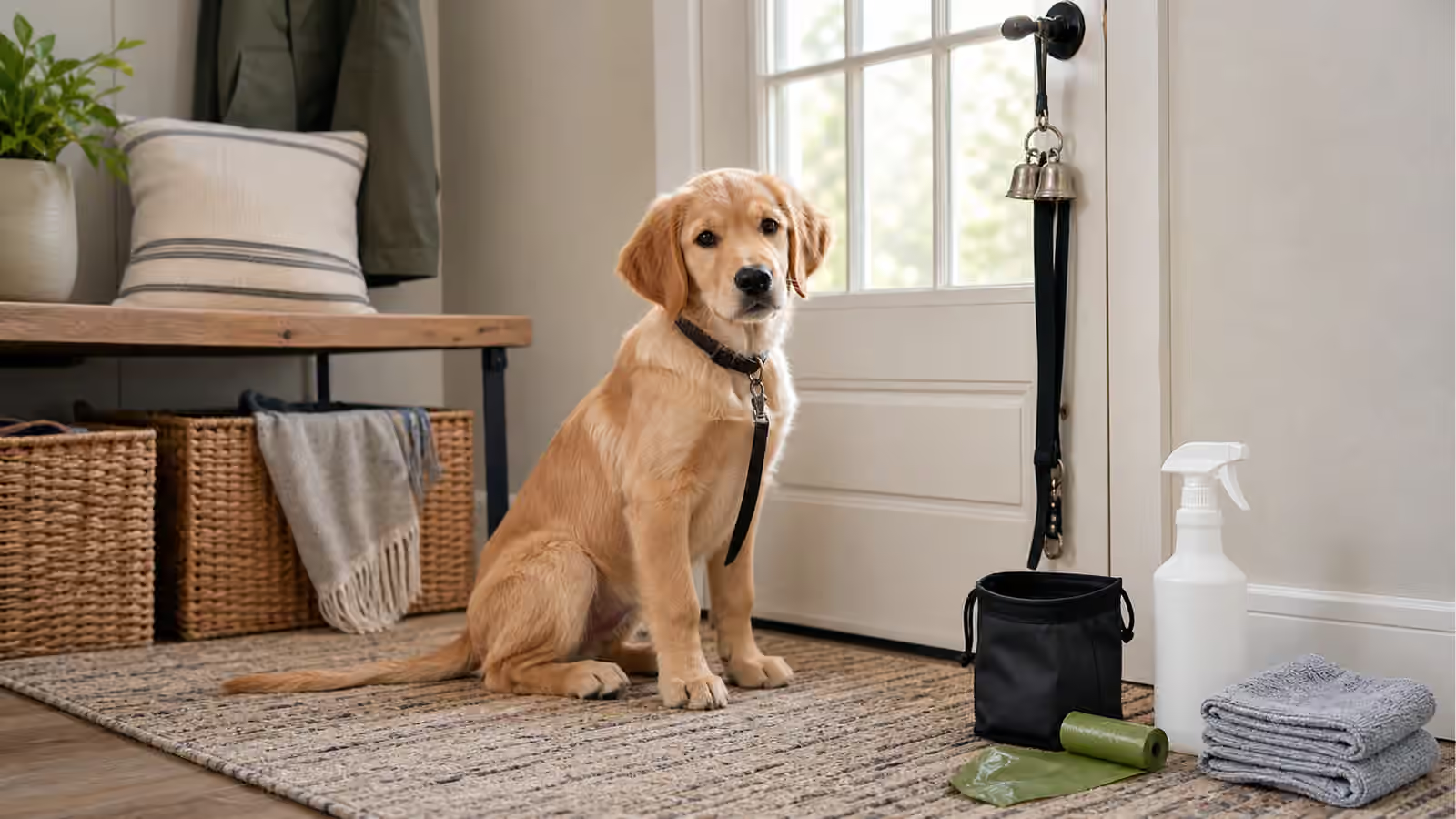
Adult dogs can still be confused by a new household map. Show them where doors, water, sleeping spots, feeding stations, and bathroom breaks fit into the day. Use the same exit for potty walks if possible. Feed in the same place. Put the leash in the same location. Keep bedtime boring.
A narrow routine does not mean a joyless month. It means the dog does not have to solve every rule at once. Wake up, go outside, eat, rest, take a calm walk, rest again, practice one tiny skill, and settle for the evening. That rhythm teaches more than a dozen scattered commands.
If the household includes cats or other dogs, slow the introduction process. Dog and Cat Introductions at Home is especially relevant because a new adult dog may behave differently around cats after the first week than they did during the first tired meeting. Barriers, scent, distance, and short sessions protect everyone while you learn the dog.
Watch the dog you have, not the story you were told
Adoption descriptions are useful, but they are incomplete. A dog who was calm in a foster home may bark at noises in an apartment hallway. A dog who loved a previous yard may be nervous on city sidewalks. A dog who seemed fine with handling may tense when a new person reaches over them. This does not mean anyone lied. Context changes behavior.
Take notes without turning the month into surveillance. Notice where the dog sleeps deeply, which sounds interrupt rest, how they react to food preparation, whether they follow people from room to room, what happens when a visitor arrives, and how quickly they recover from surprises. Recovery matters. A dog who startles and returns to sniffing is in a different place from a dog who startles and cannot settle for hours.
Use those observations to adjust the setup. If the dog patrols the front window and barks, block the view for now. If the dog hovers in the kitchen, use a gate during meals. If the dog steals laundry, close the bedroom door and improve Pet-Proofing Rooms Before Giving More Freedom . Management is not cheating. It is how new habits get room to grow.
Make walks smaller than your ambition
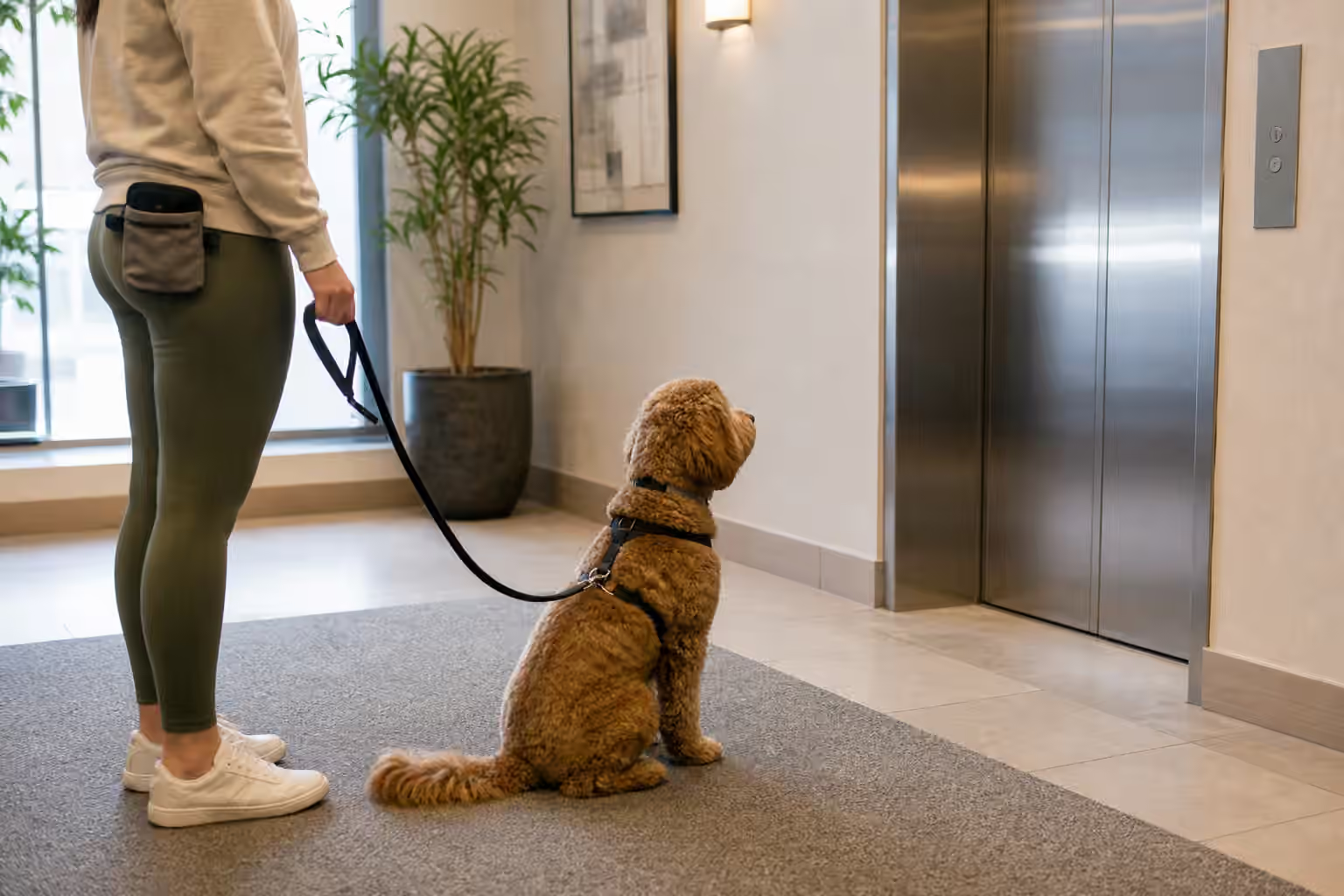
Many adopters want walks to build a bond immediately. Walks can help, but they can also flood a new dog with pressure. Keep early routes short, quiet, and repetitive. Let the dog sniff. Avoid tight greetings with unknown dogs. Cross the street when you need space. Choose boring success over impressive distance.
Gear fit matters because a scared dog can slip equipment. Review Harnesses, Collars, and Leashes Explained before assuming the shelter leash setup is enough for your neighborhood. A martingale collar, well-fit harness, or double-clip arrangement may be appropriate for some dogs, but the principle is always the same: secure, comfortable, and handled calmly.
If leash manners are messy, do not treat every walk as a correction session. Start the foundation in Loose-Leash Walks Without Turning Every Walk Into Training . A new dog needs orientation first. Precision can come later.
Handle visitors and affection with restraint
People often show affection by reaching, hugging, leaning over, talking loudly, or crowding the dog. Many dogs tolerate this from familiar people and dislike it from strangers. In the first month, protect the dog from being treated like public property.
Visitors can ignore the dog at first. Let the dog approach if they choose. Use a gate, leash, or separate room if arrivals create too much excitement. Give the dog a bed or mat away from the doorway. Children should be coached to give space and should not climb into the dog’s resting area.
Affection should be a conversation. Pet for a few seconds, pause, and see whether the dog asks for more. If the dog looks away, moves away, yawns, licks lips, freezes, ducks, or becomes mouthy, stop. Consent-based handling is not indulgent. It is practical safety.
Practice alone time before it becomes urgent
Some adopted dogs follow every step for the first week. That may fade as they settle, or it may become distress when left alone. Practice tiny separations early, but keep them easy. Step behind a gate, return before the dog panics, and keep departures plain. Give safe settling activities only when you can supervise or when you know the item is appropriate for that dog.
Do not start with a full workday and hope the dog adapts. If you see drooling, escape attempts, destruction near exits, frantic vocalizing, or panic when alone, get professional help. This is not solved by letting the dog cry until exhausted.
Expand freedom when the dog is showing readiness
More rooms, longer walks, visitors, dog friends, daycare, and travel can wait until the dog is giving you useful information. Readiness looks like eating normally, resting deeply, recovering from normal noises, using bathroom routines reliably, moving through the home without frantic scanning, and responding to simple cues in easy settings. Even then, expand one variable at a time.
The first month with an adult dog is built from restraint and attention. Keep the world small enough that the dog can understand it, then let the world grow as the dog shows you they are ready.