Adolescence can make a dog look as if they forgot the whole household agreement. The puppy who came when called now stares across the yard. The young dog who slept after dinner now patrols the hallway. The dog who walked politely for three blocks begins bouncing at other dogs, grabbing the leash, stealing socks, or testing furniture rules that seemed settled months ago.
This stage is not a reason to throw away earlier training. It is a reason to make support visible again. Adolescent dogs are bigger, faster, stronger, and more easily interested in the wider world than they were as small puppies. They may also have uneven impulse control, changing energy needs, and a growing history of what works. A home routine should assume that old skills still exist, but may need easier versions, better timing, and fewer chances to practice the wrong thing.
Expect old skills to need new context
Many adolescent problems begin because people expect puppy lessons to work under harder conditions without any rebuilding. The dog learned to sit in the kitchen, so the household expects the same response at the door while a guest knocks. The dog learned to come indoors, so the person assumes the same cue will work near a squirrel, another dog, or a pile of neighborhood smells. The dog learned to rest in a crate as a puppy, so a full evening of adult-level stimulation is followed by a demand for instant quiet.
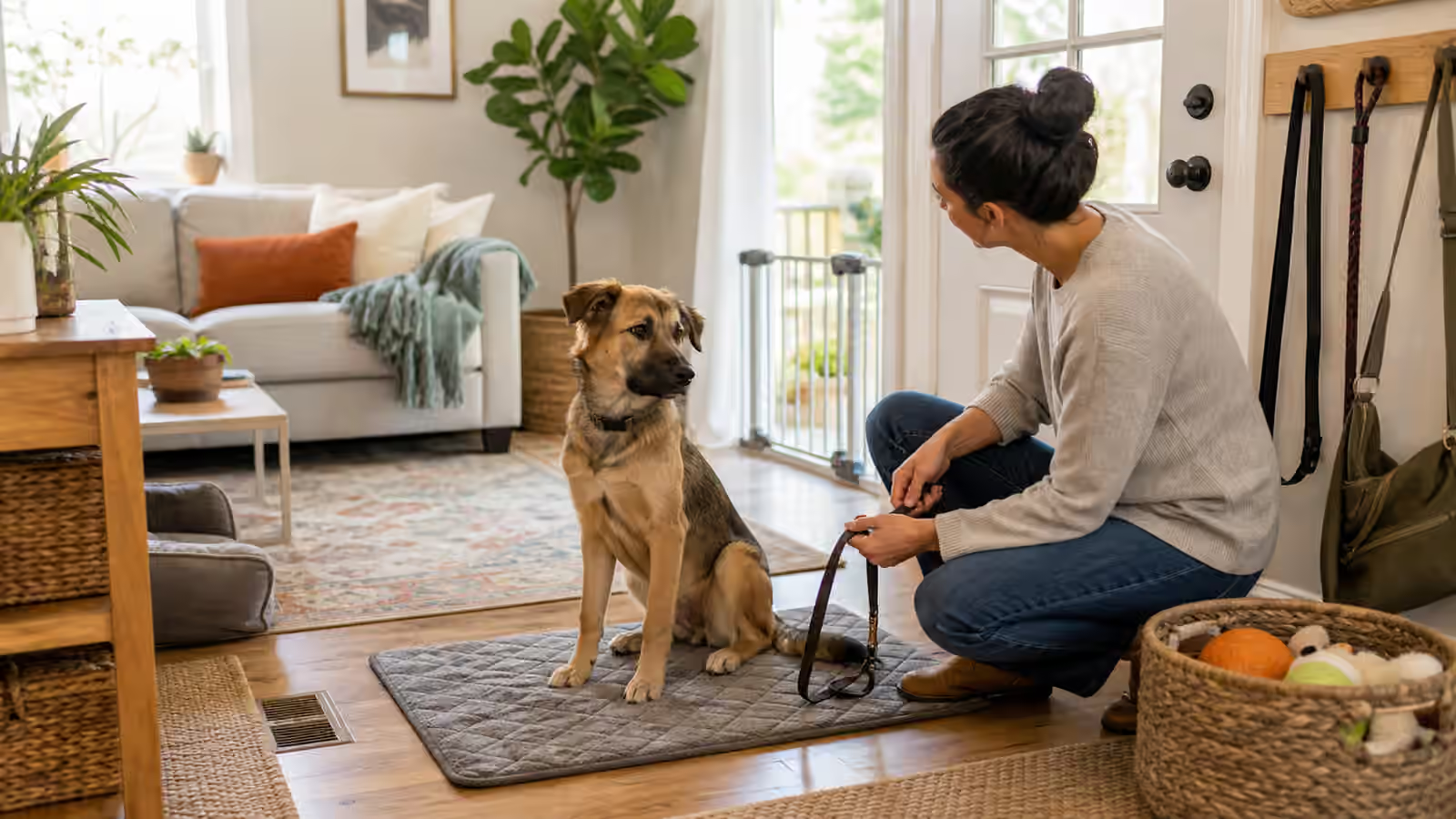
Skills do not fail only because the dog is stubborn. Context changes the difficulty. Distance, movement, smells, visitors, hunger, fatigue, hormones, weather, and the dog’s recent history all matter. Rebuild with easier versions. Practice name response in the hallway before relying on it at the park. Reward calm leash pickup before expecting calm sidewalk passes. Use Indoor Recall and Name Response for Dogs as a reset point when the dog has started treating their name like background noise.
Short, successful repetitions are more useful than long arguments. If the dog cannot respond in the current version, make the version easier. Move farther from the door, shorten the walk, put the dog behind a gate before the visitor arrives, or practice after a nap instead of at the loudest moment of the day. Adolescent dogs need boundaries, but boundaries work better when the household also manages the difficulty honestly.
Make freedom earned again without resentment
Puppy proofing often fades as the dog grows. Then adolescence arrives and the bigger dog finds counters, laundry baskets, open doors, window views, and rooms that were never tested with a stronger body and a faster brain. Taking back some freedom can feel discouraging, but it is often the kindest move. The dog is not losing rights forever. The household is reducing rehearsals while better habits catch up.
Return to gates, closed doors, leashes inside the home if needed, and supervised room access. A dog who steals objects from bedrooms should not have unsupervised bedroom access while people are trying to teach trades. A dog who charges the window should not spend the afternoon practicing from the best barking seat. A dog who rushes the entry should be behind a barrier before deliveries. Pet Gates and Room Transitions and Door-Dash Prevention for Dogs and Cats both become relevant again during this stage.
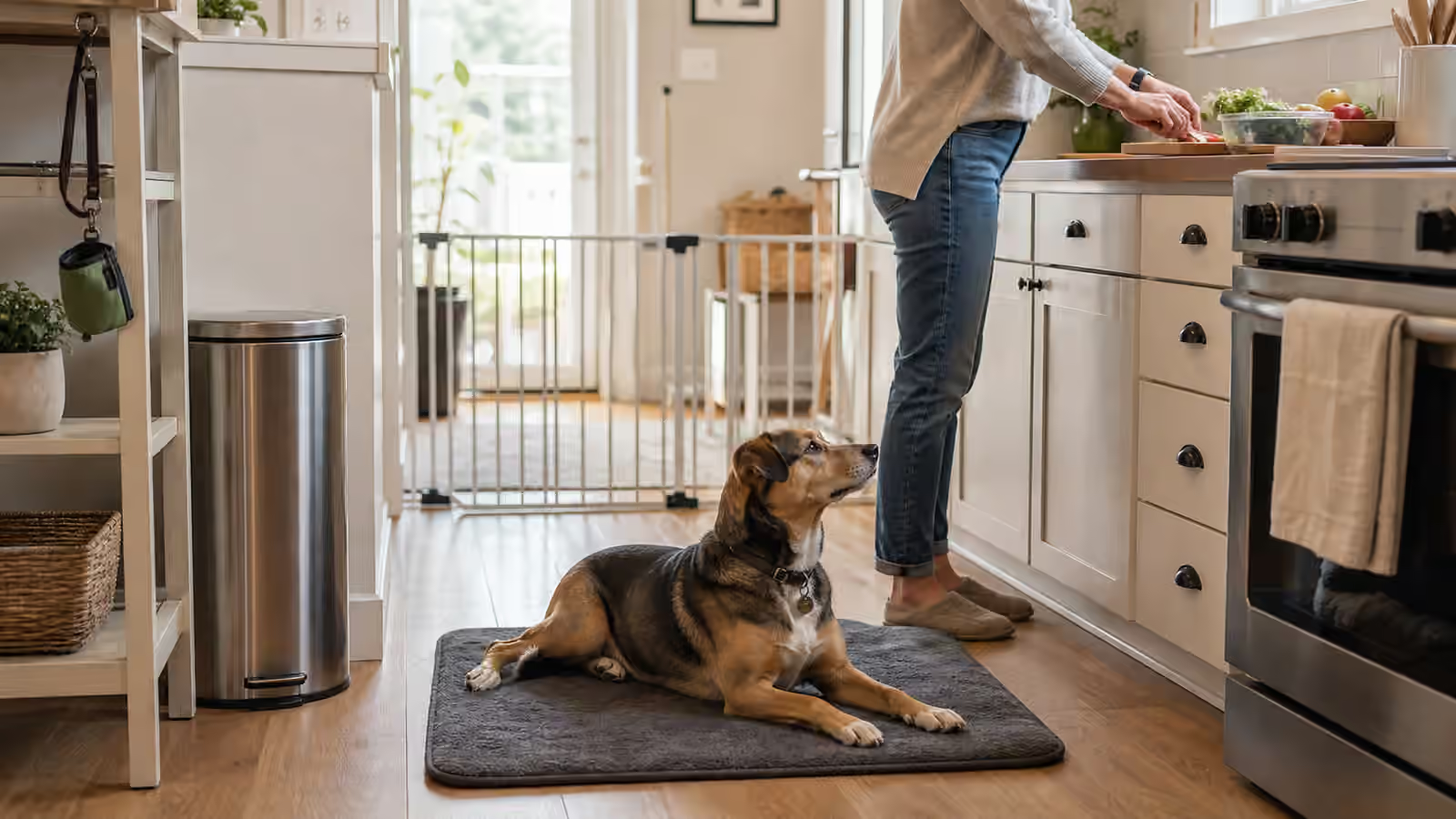
Freedom should return through evidence, not hope. If the dog can settle in the kitchen while dinner is prepared, expand the time by a few minutes. If the dog chooses the mat during a quiet visitor practice, repeat that version before adding a busier guest. If the dog sleeps instead of chewing the couch blanket, note the conditions that made that possible. Adolescence rewards households that notice patterns instead of waiting for a single dramatic breakthrough.
Rebuild walks around recovery
Walks often reveal adolescence first. The dog is stronger. The neighborhood is more interesting. Other dogs, children, bikes, birds, and trash carry new weight. A walk that used to drain energy may now fill the dog with more arousal than the home can handle afterward. The goal is not to cancel walks, but to make them easier to recover from.
Choose routes with purpose. Some walks are bathroom walks. Some are sniffing walks. Some are short training loops. Some are quiet decompression walks in a lower-pressure place. If every walk tries to be exercise, social practice, obedience, and enrichment at once, the dog may come home louder than they left. Loose-Leash Walks Without Turning Every Walk Into Training offers a useful middle path because leash skills need repetition without making every outing a correction session.
Watch recovery after the walk. A dog who comes home, drinks, rests, and returns to normal is handling the outing differently from a dog who races through the house, grabs sleeves, barks at windows, and cannot settle for an hour. Recovery tells you whether the walk supported the day or overloaded it. Shorter routes, more sniffing, fewer greetings, better gear, or a calmer entryway reset may change the whole afternoon.
Use enrichment to lower pressure
Adolescent dogs need things to do, but not every activity is calming. A frantic fetch session may build stamina and arousal without teaching rest. A difficult food puzzle may create frustration instead of satisfaction. A rough play session with another dog may leave the dog too excited to listen later. Enrichment should fit the dog in front of you, not the idea that more activity automatically solves young-dog behavior.
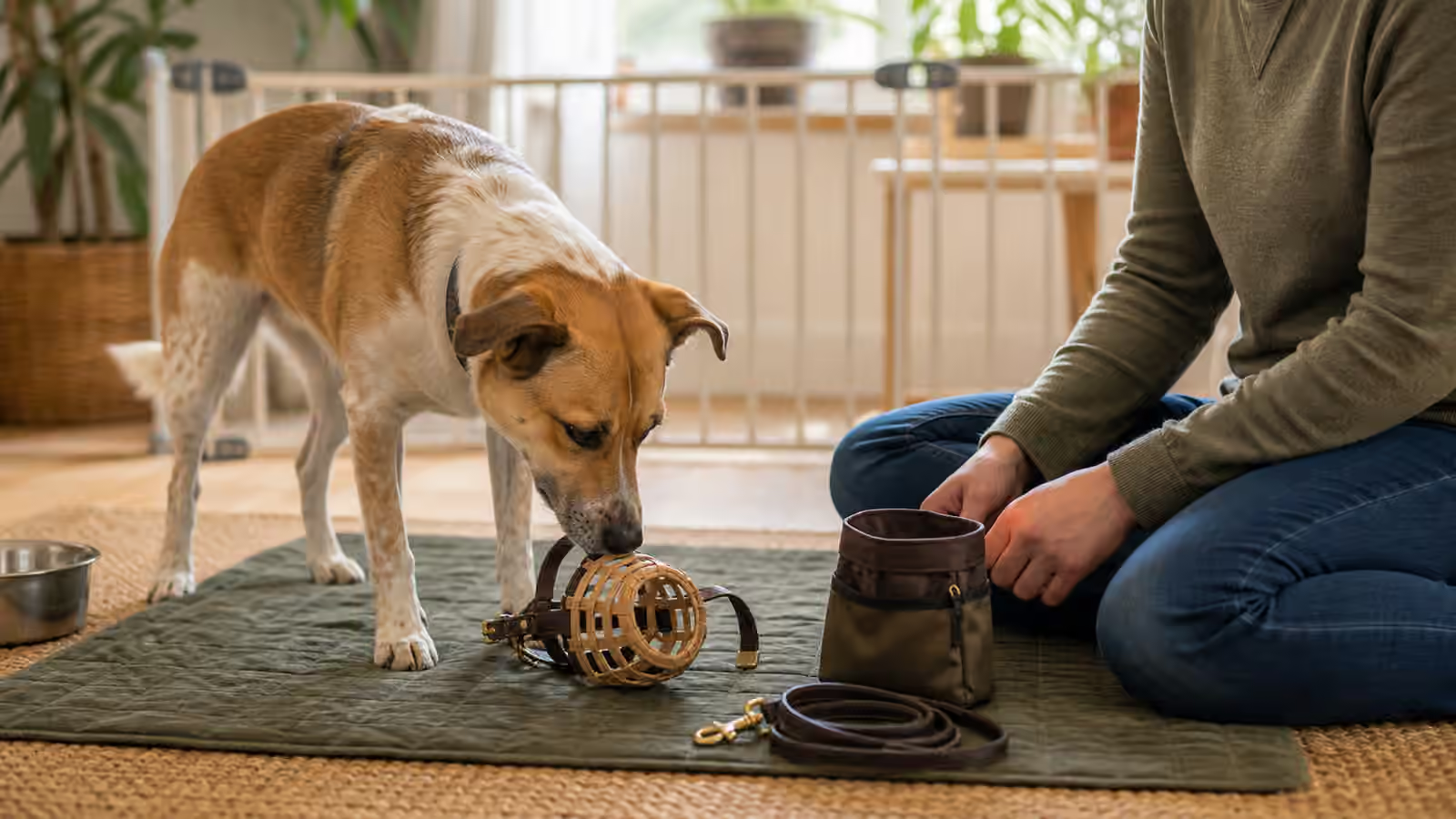
Use simple scent work, chewing, scattered food in appropriate areas, calm toy rotation, and short training games that end before the dog is wild. Pet Enrichment for Bored Dogs and Cats is the broader resource, but adolescence needs a particular filter: did the activity help the dog come down afterward? If not, adjust the intensity, length, location, or timing.
Rest is part of enrichment because a young dog who never stops moving can become worse at stopping. Build predictable quiet periods after meals, walks, and play. A bed, crate, pen, or calm mat can help when it already has a good history. The point is not to force a tired dog into stillness through pressure. It is to give the body and brain a place to finish processing the day.
Keep people consistent through the awkward months
Adolescent dogs learn from inconsistency quickly. If jumping works on one person, counter sniffing works on another, and barking at the window brings attention from everyone, the dog is not confused for long. They are learning the household map. People may need to agree on fewer rules rather than arguing about many rules no one maintains.
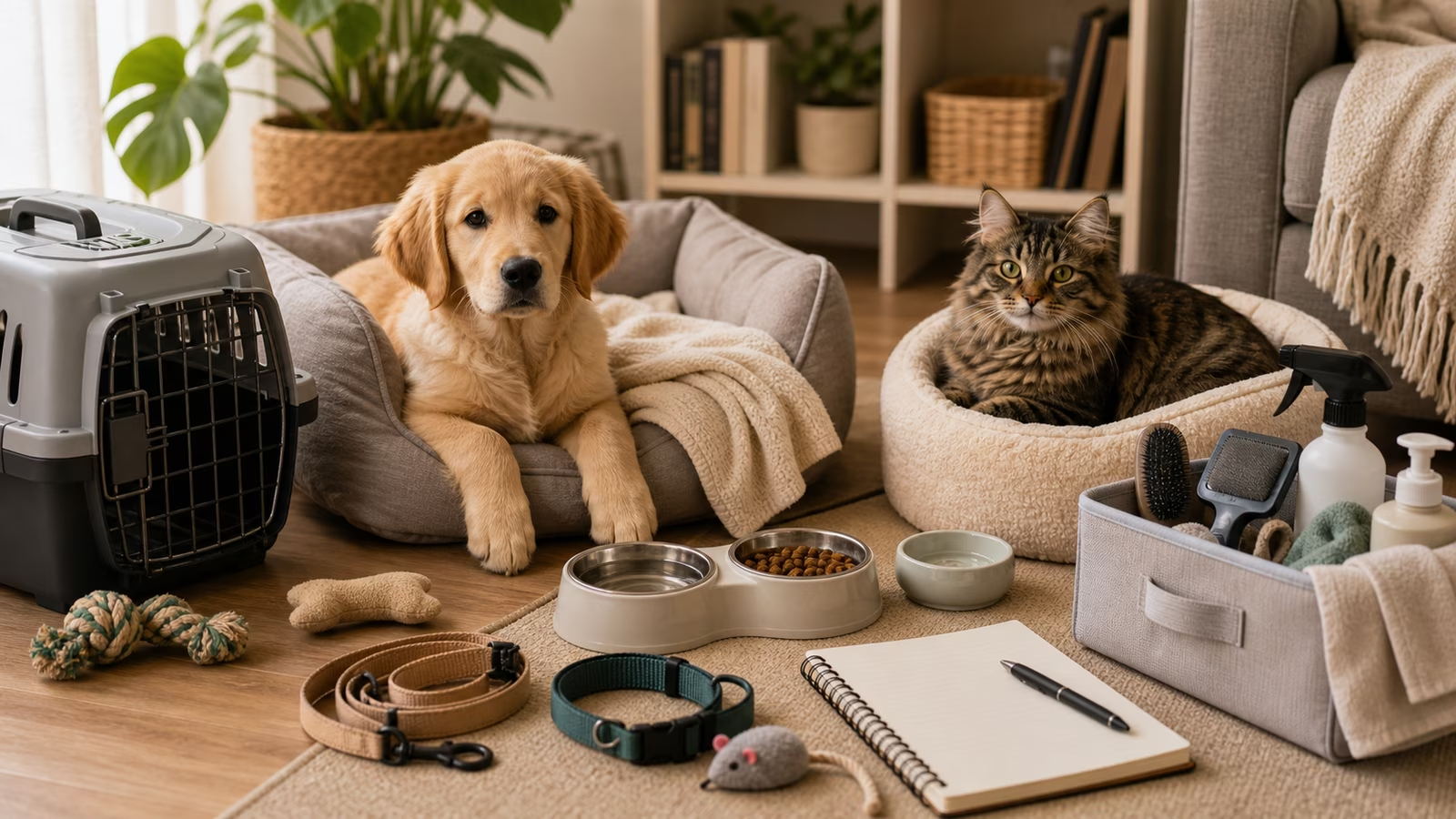
Pick the routines that matter most. Entry behavior, kitchen boundaries, leash pickup, sleep, and object trades are common candidates. Decide what the dog should do, where the tools live, and how people will respond when the dog makes the predictable mistake. Pet Care Records and Routine Notes can help even when no sitter is involved because a short note by the leash hook can keep the household from improvising five versions of the same walk.
The tone should stay practical. Adolescence can be irritating, but the dog is still learning how a bigger body fits into a human home. The household does not need to become permissive, and it does not need to become harsh. It needs to become boringly consistent. Manage the room, reward the better choice, interrupt early, reduce difficulty when needed, and keep track of the version that works.
Call for help before rehearsals harden
Some adolescent behavior is normal and still needs help. Repeated lunging, hard mouthing, guarding, escape attempts, panic, intense barking, or inability to settle can become rehearsed patterns. Waiting until the dog is fully adult may make the problem harder for everyone. A veterinarian, trainer, or behavior professional can help sort pain, fear, frustration, arousal, and household setup.
The encouraging part is that adolescence is a stage, not a verdict. A dog who needs gates again is not ruined. A dog who needs shorter walks is not failing. A dog who needs a trainer is not bad. The household is simply updating the support system for the dog who exists now, with the goal of building an adult routine that is calmer, safer, and easier to live with.