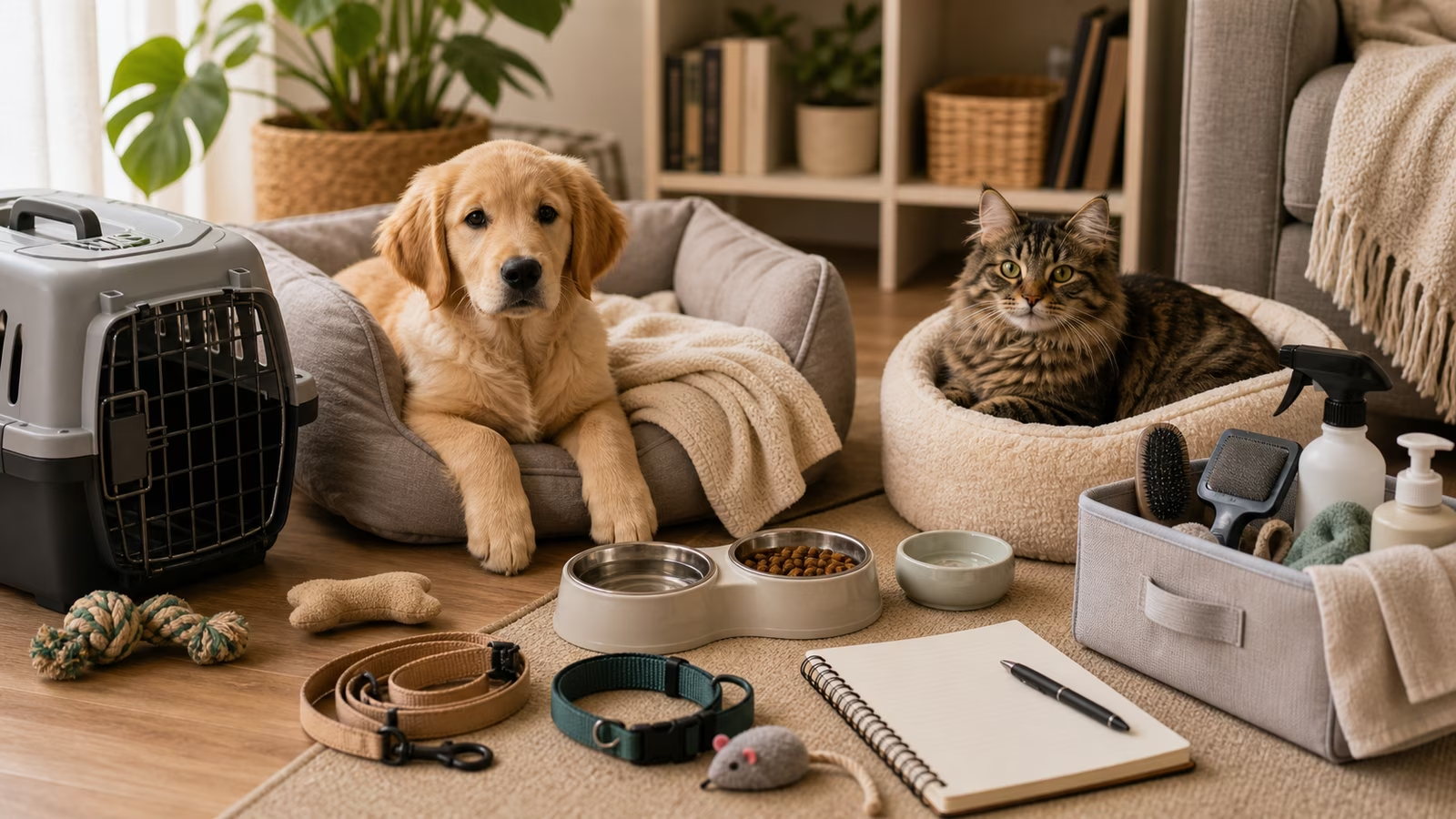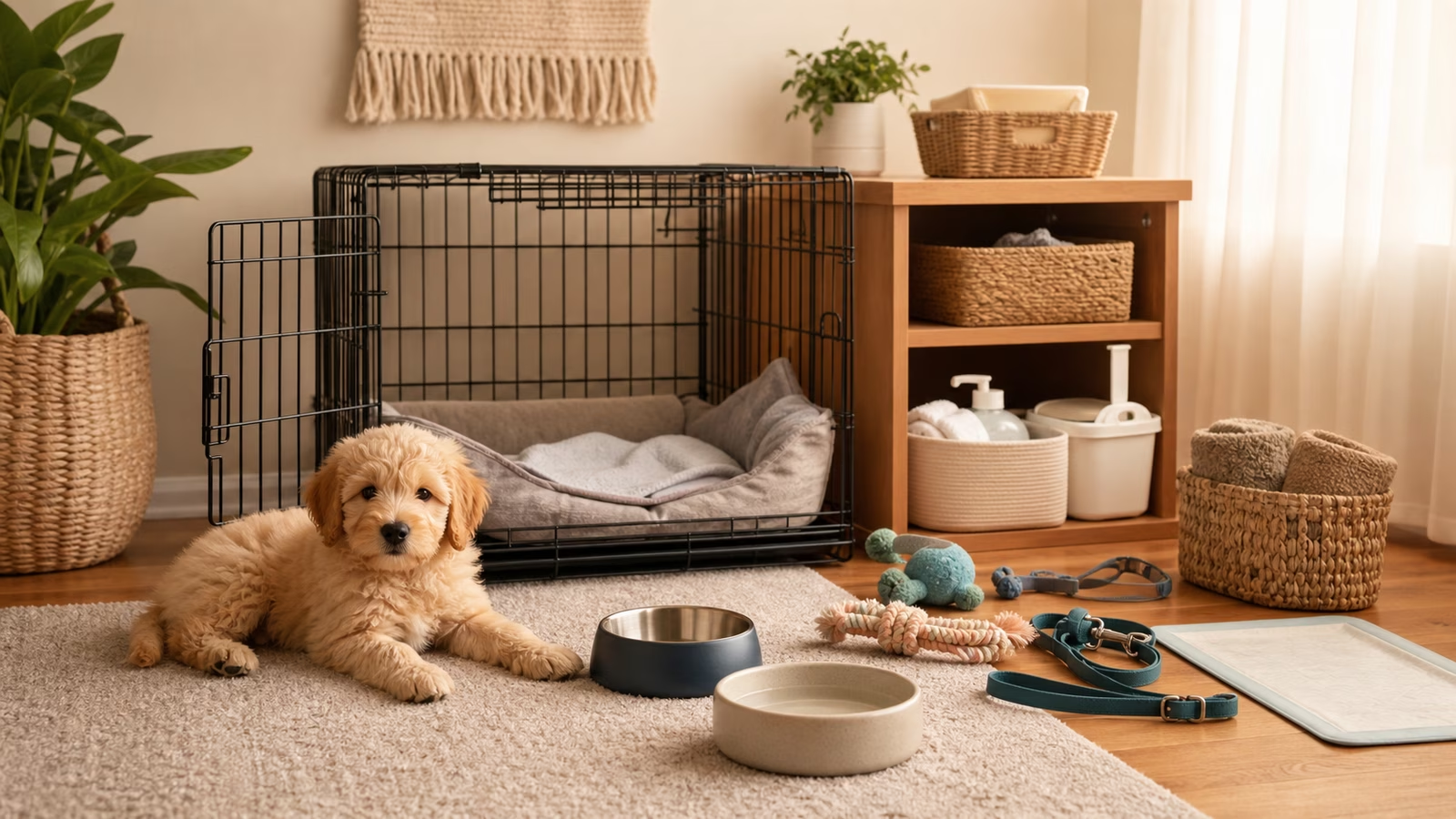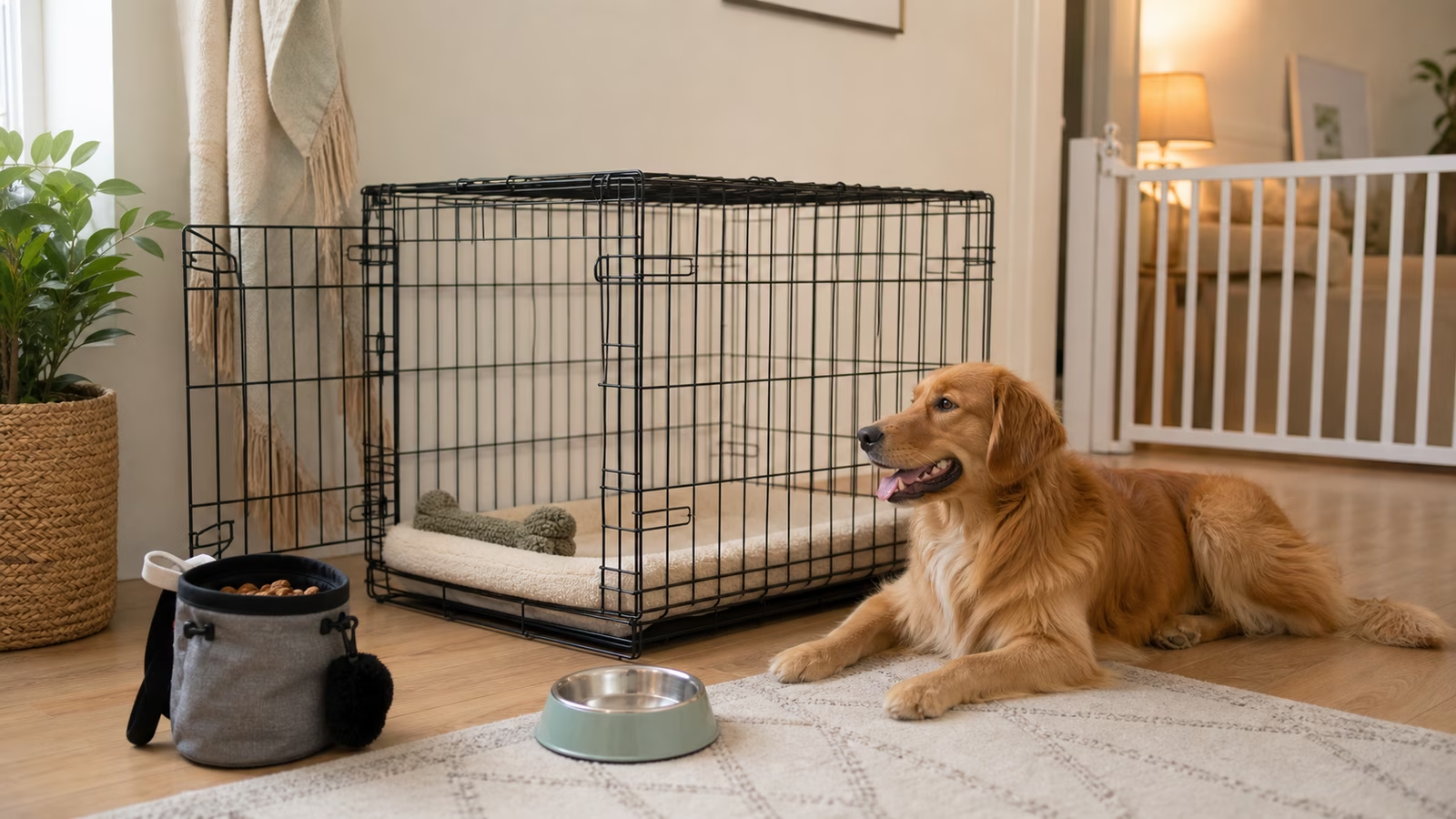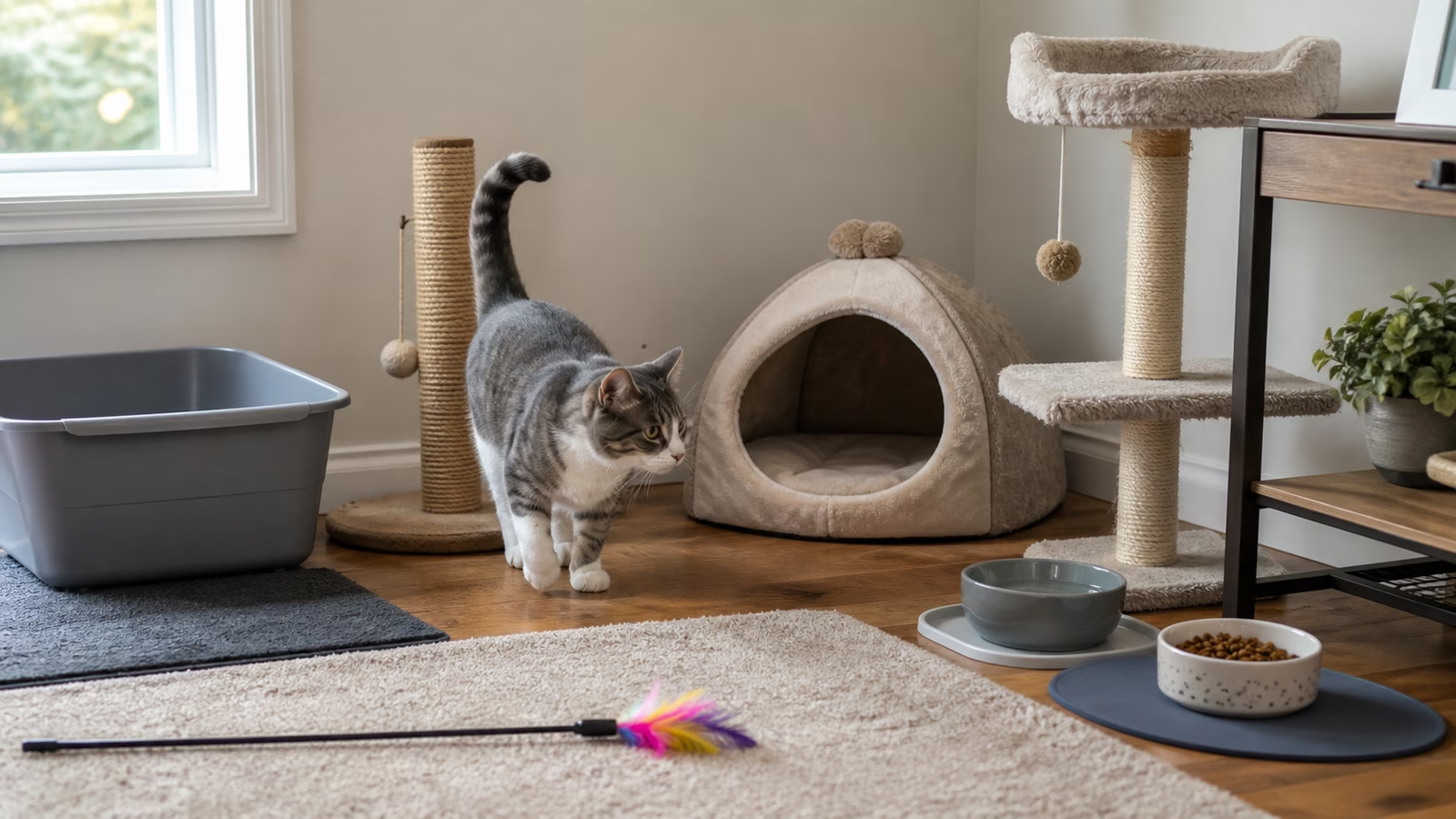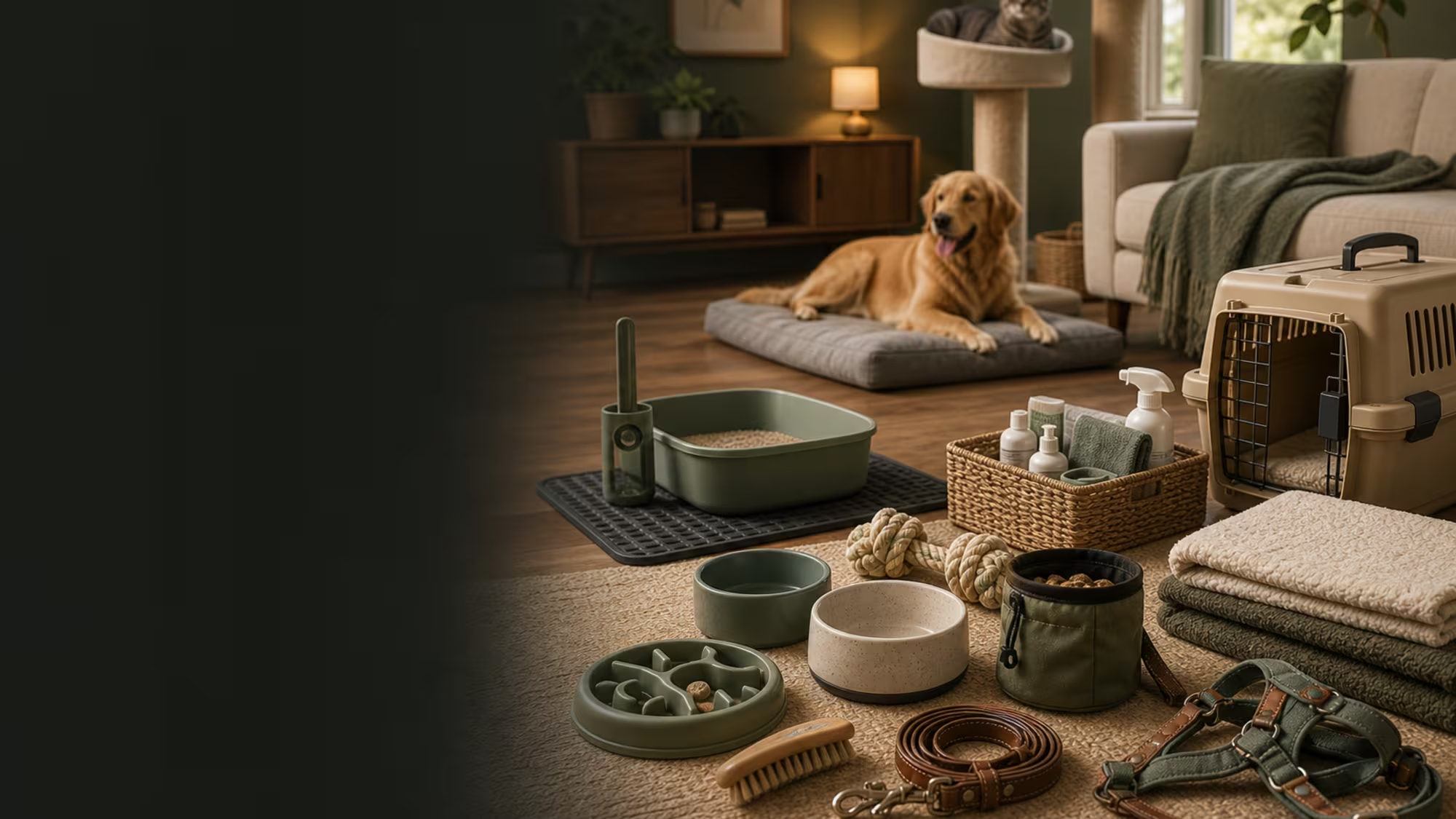
Pawstead is a practical, warm guide to the first pet-home decisions that shape daily life: safe zones, puppy checklists, crate training, cat setup, litter box setup, enrichment, grooming, pet cleaning, travel routines, and everyday gear.
Marker is timing practice with a dog that learns from what you actually reinforced rather than what you meant to. Charge the marker, catch a sit, shape a nose touch, and watch a late click teach the animal something you did not intend.
Good Company is the other side of the same coin: not training but living together. Adopt a puppy or a kitten, keep the bowls filled and the routine steady, and let the bond climb at its own pace — a small life sim about the first weeks with a new animal.
The goal is not to turn a new owner into a veterinarian or a professional trainer. It is to help a beginner build a calmer home, notice what needs expert help, and choose routines that are humane, repeatable, and easy to maintain.
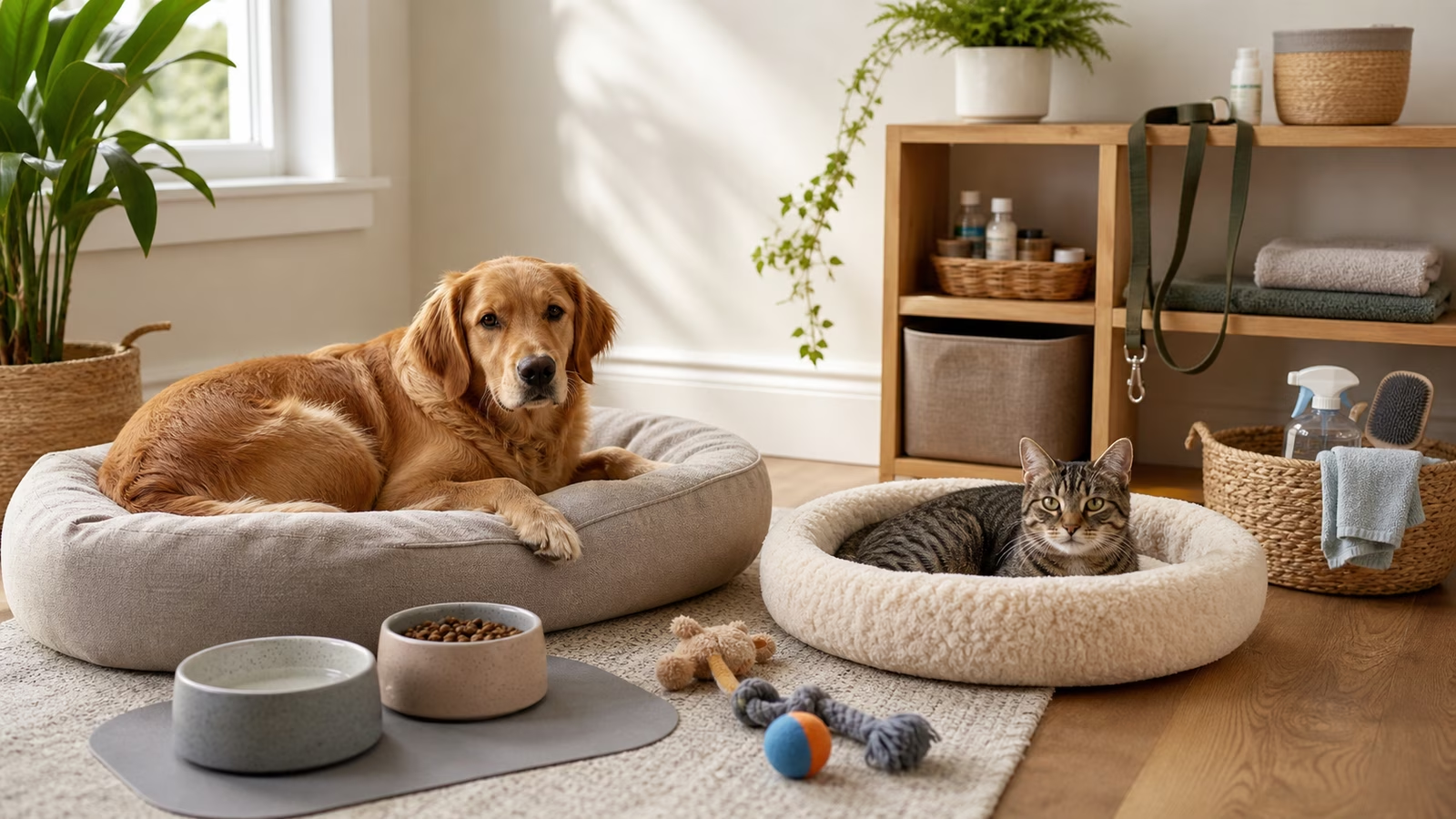
Start here
If you are new to pet setup, begin with Pawstead for Beginners . Puppy households should add New Puppy First Week Checklist and Crate Training Without Confusion . Cat households should start with New Cat Setup and Litter Box Setup That Actually Works .
When the basics are in place, move to Pet Enrichment for Bored Dogs and Cats , Harnesses, Collars, and Leashes Explained , Pet Cleaning Setup for a Fresher Home , and Traveling With Pets .
For judgment calls, keep When to Call a Vet, Trainer, or Groomer close.
Choose by task
First week sleep, potty rhythm, crate setup, chewing, and gentle handling.
Home base, litter, hiding, scratching, food, water, and gradual expansion.
Decompression, household map, walking setup, routines, and first-month expectations.
Noise, shared entrances, washable zones, neighbor pressure, and landlord limits.
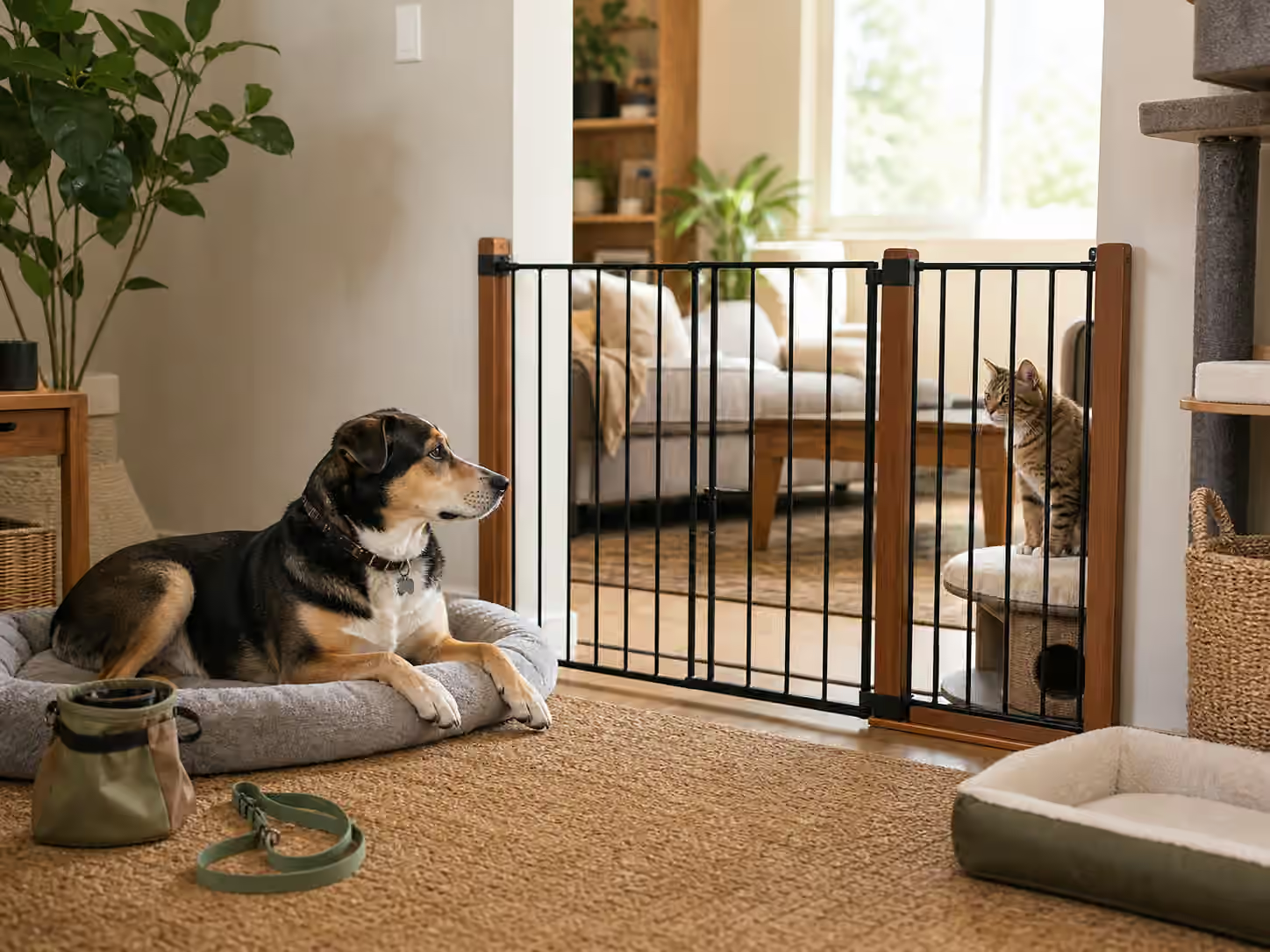
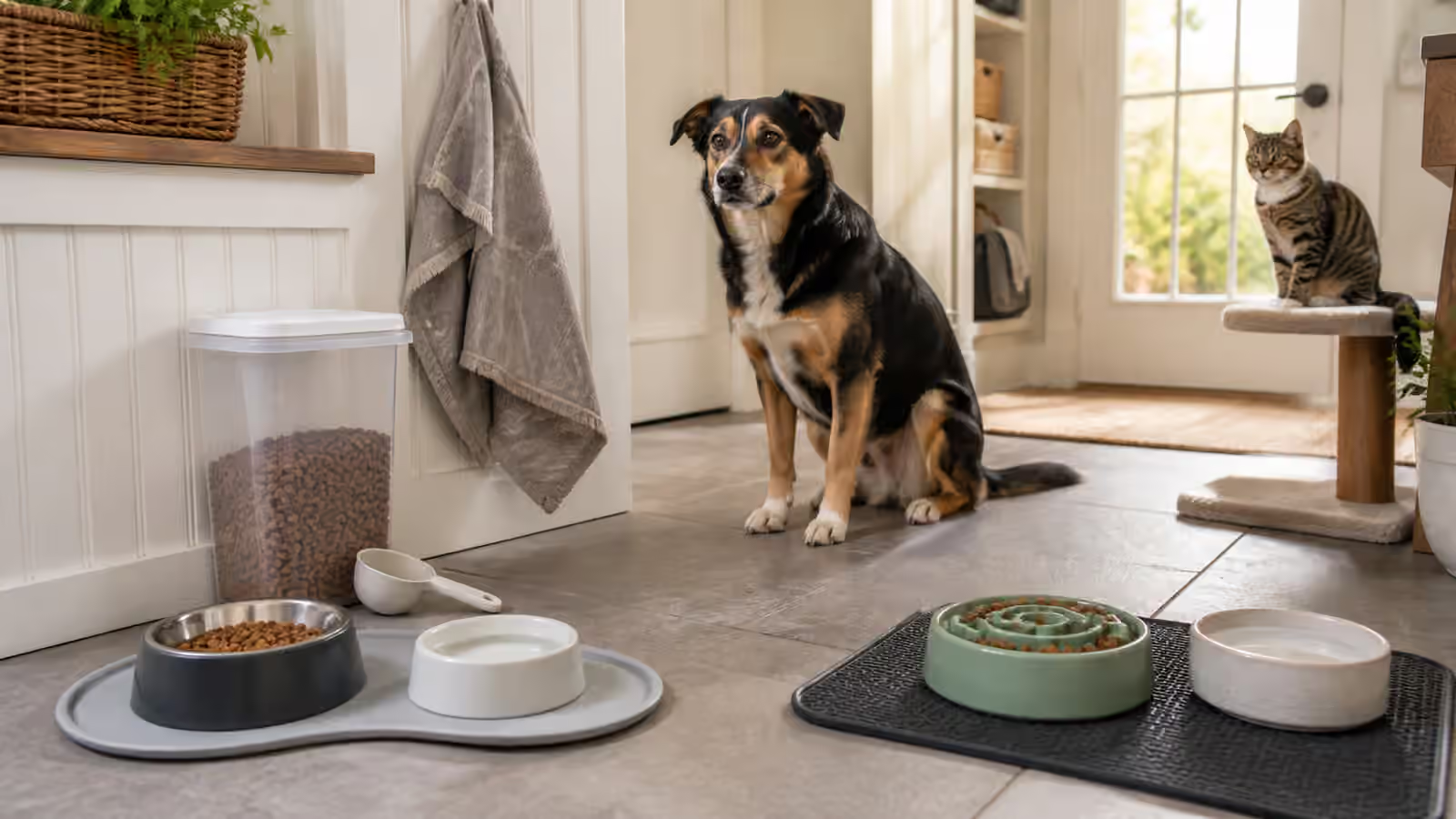
Food, water, litter, rest, vertical space, escape routes, and conflict prevention.
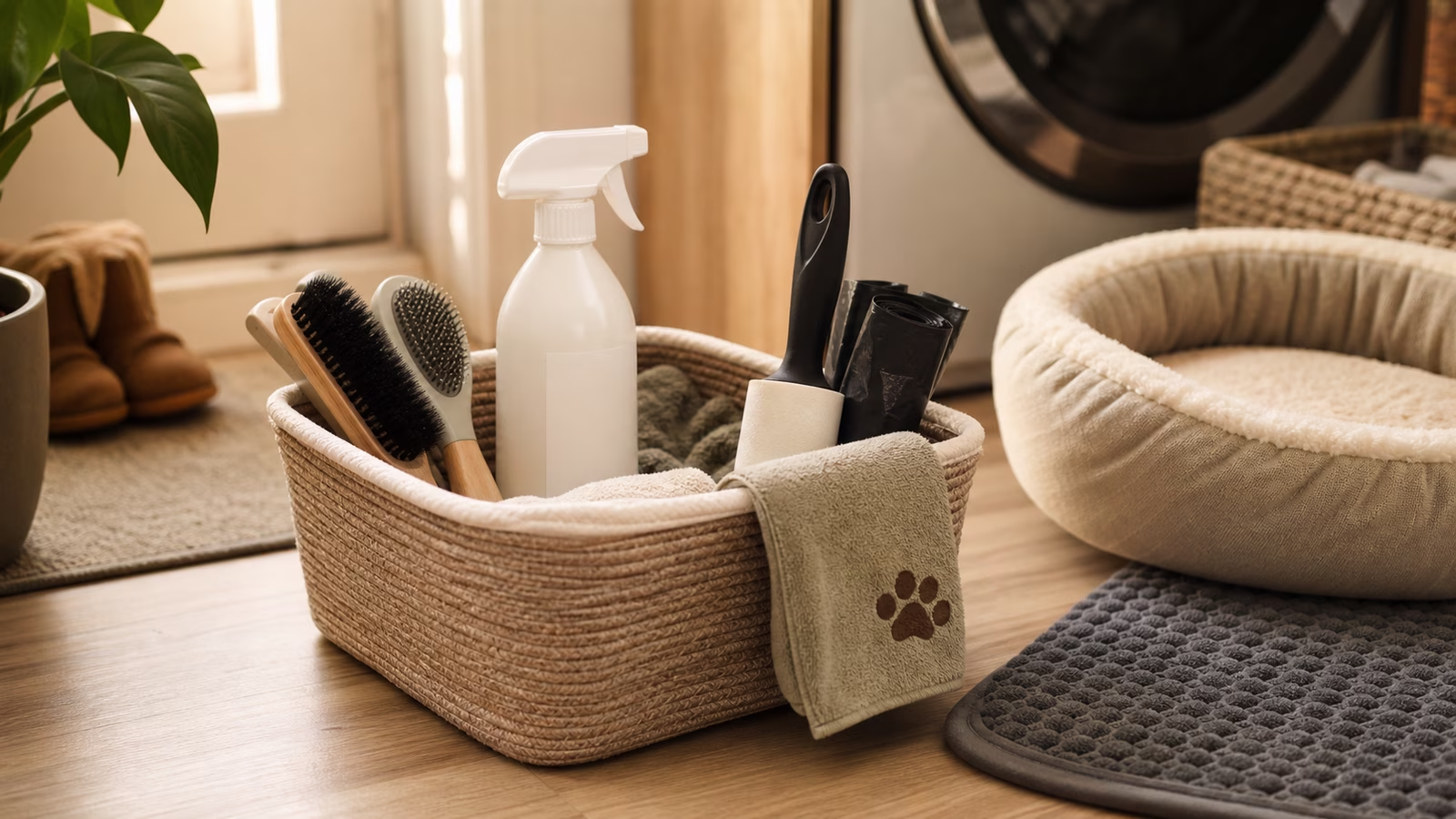
Fur, accidents, litter tracking, muddy paws, bedding, and cleaning stations.
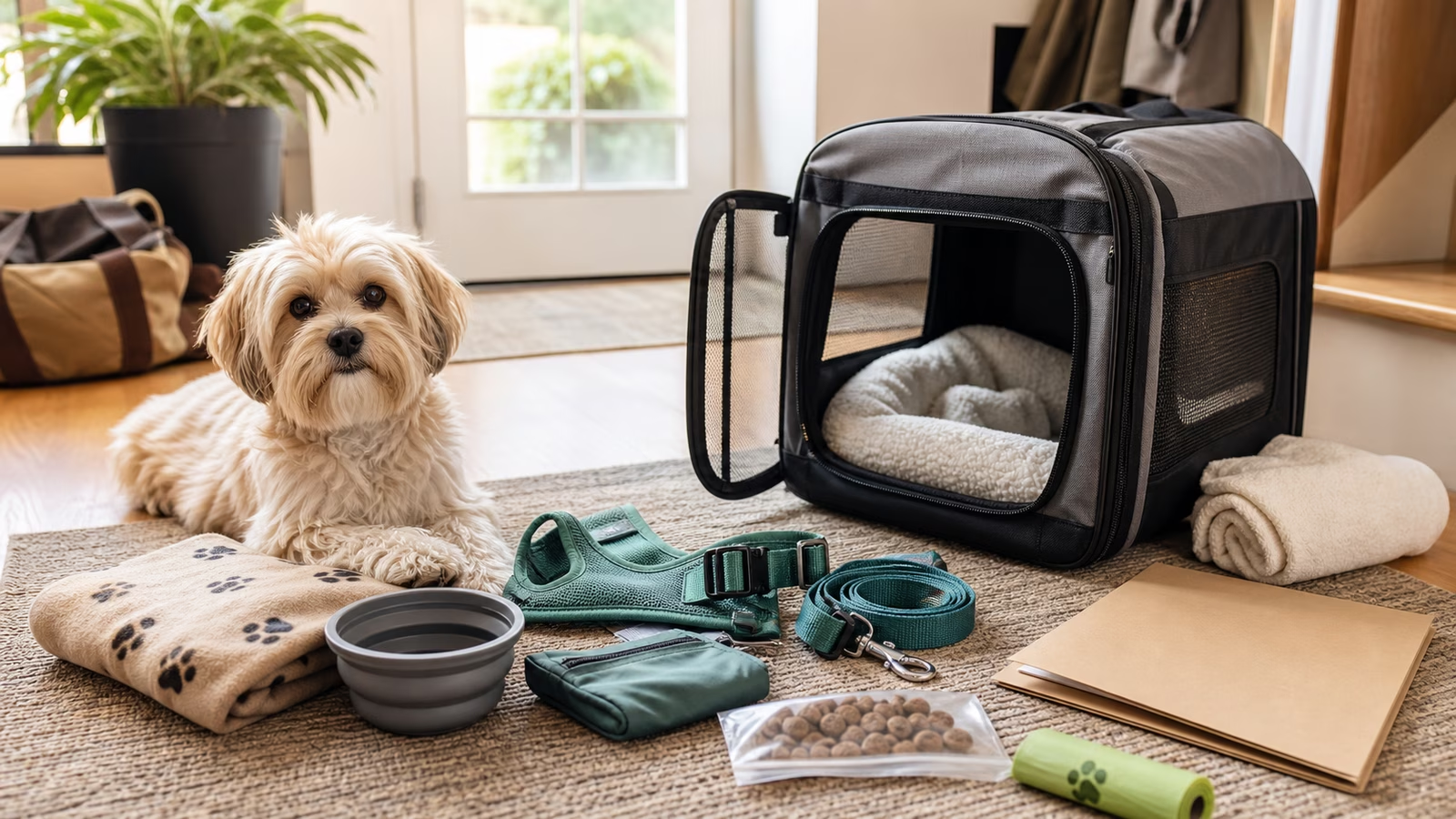
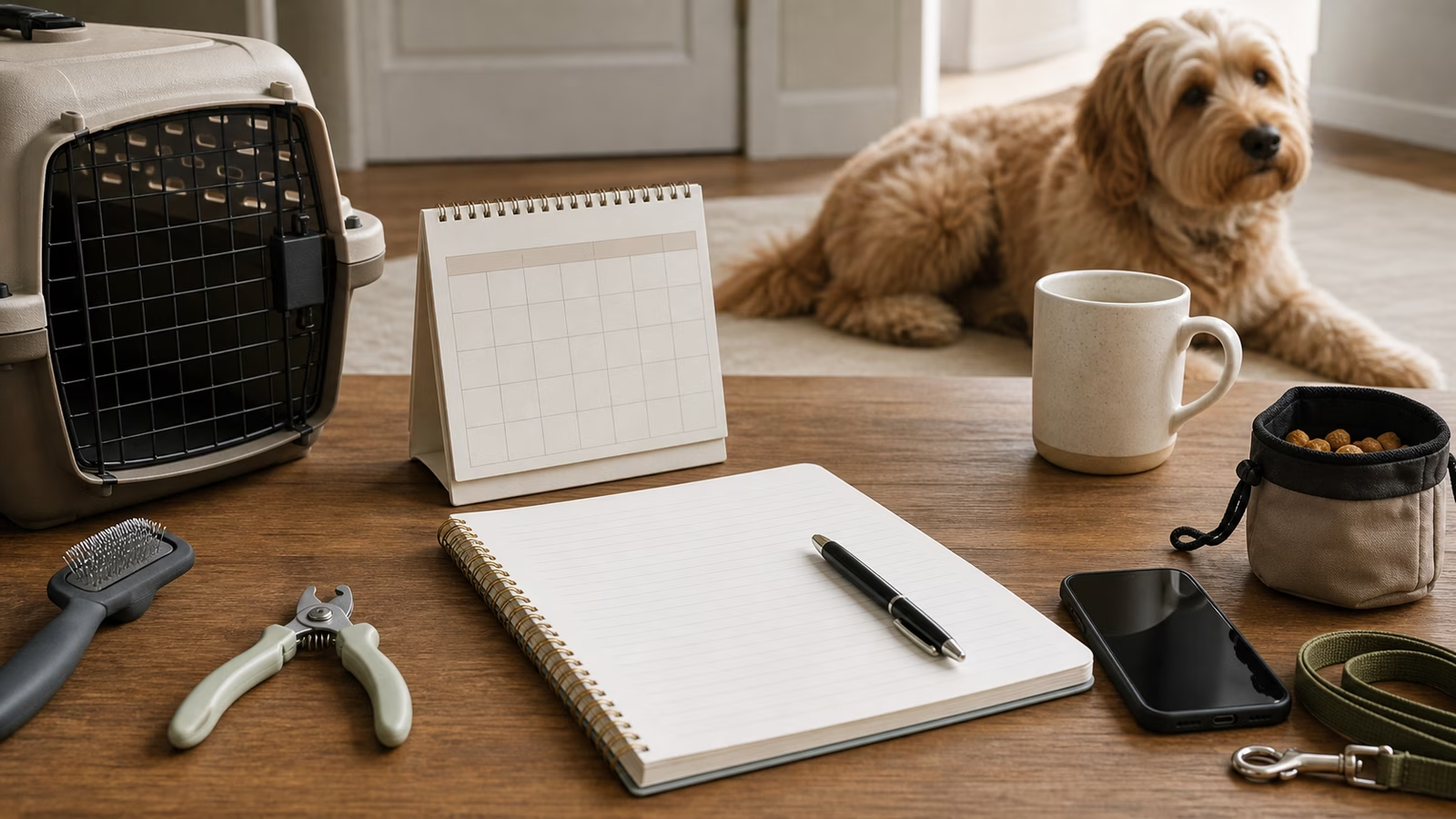
Carriers, packing lists, records, daily notes, emergency contacts, and backup gear.
Info cards, carriers, records, poison-control numbers, and when to call the clinic.
A decision guide for vet, trainer, groomer, and home-routine boundaries.
Use the calm-home approach
Change one thing at a time. A new pet does better when the home has clear food stations, resting spaces, cleaning rhythms, predictable play, and kind training expectations. The right first purchase is often less glamorous than expected: a washable bed, a safe crate or carrier, a sturdy litter box, a treat pouch, a brush, or cleaning supplies that make accidents less dramatic.
The Pawstead rule is simple: make the wanted behavior easy, make the home safer, and ask for help early when health, pain, fear, aggression, or sudden change enters the picture.
Printable setup assets
Use these as copyable home sections. They are intentionally practical and non-medical: they organize routines, gear, contacts, and spaces so the household can act calmly.
New pet home setup checklist
- Home base chosen, with a door, gate, or clear boundary.
- Food, water, rest, bathroom, walking or carrier gear, enrichment, grooming, and cleaning supplies have named places.
- Household rules are written down: rooms open, rooms closed, who handles meals, who handles cleanup, and who calls a professional.
Puppy first-week routine planner
| Routine block | What to write down |
|---|---|
| Morning | Wakeup, potty break, food, short play, rest. |
| Daytime | Supervision blocks, crate naps, chew swaps, handling practice. |
| Night | Last potty trip, crate location, who responds to bathroom needs. |
Cat home-base setup checklist
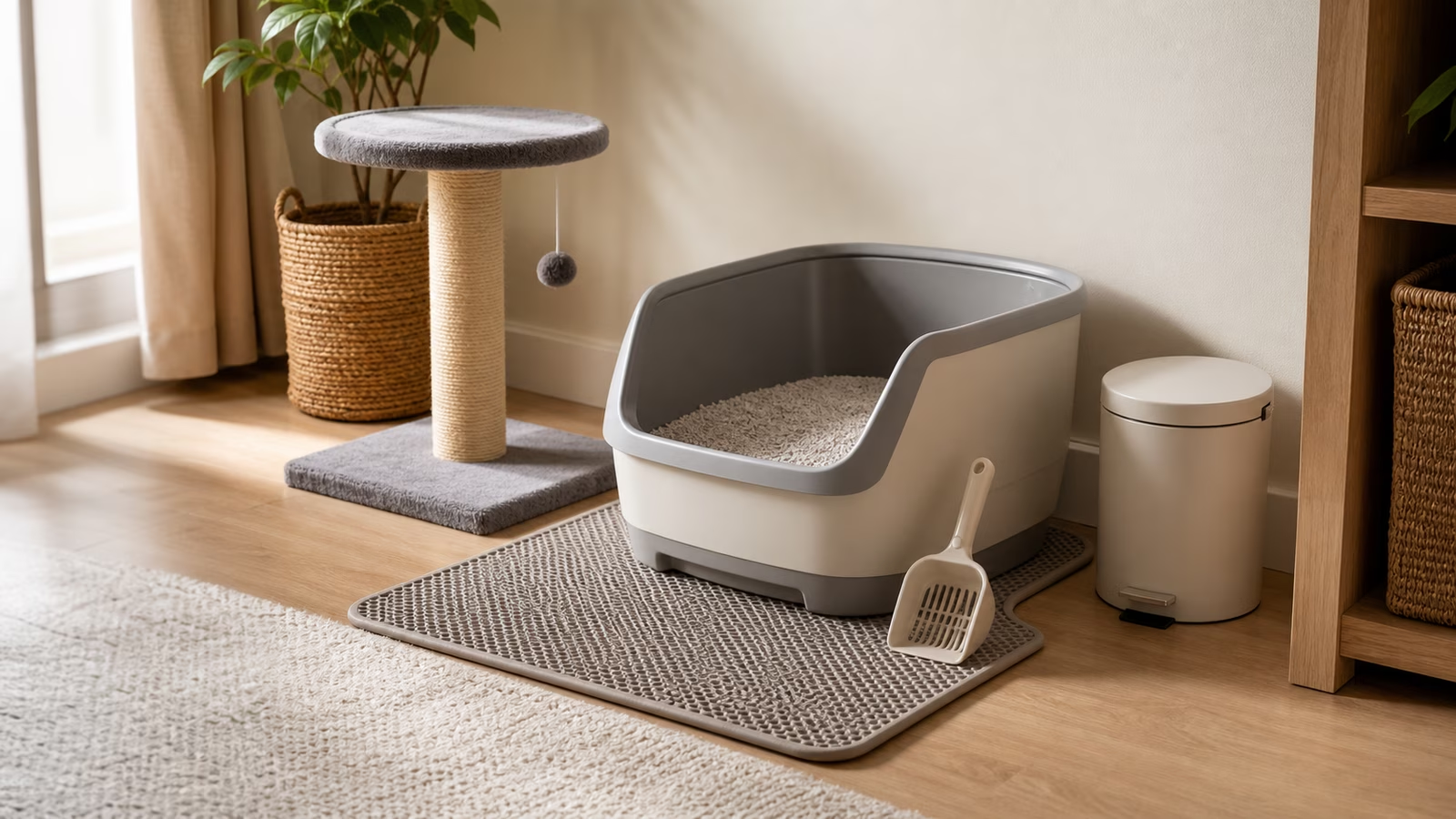
- Large litter box away from food and water.
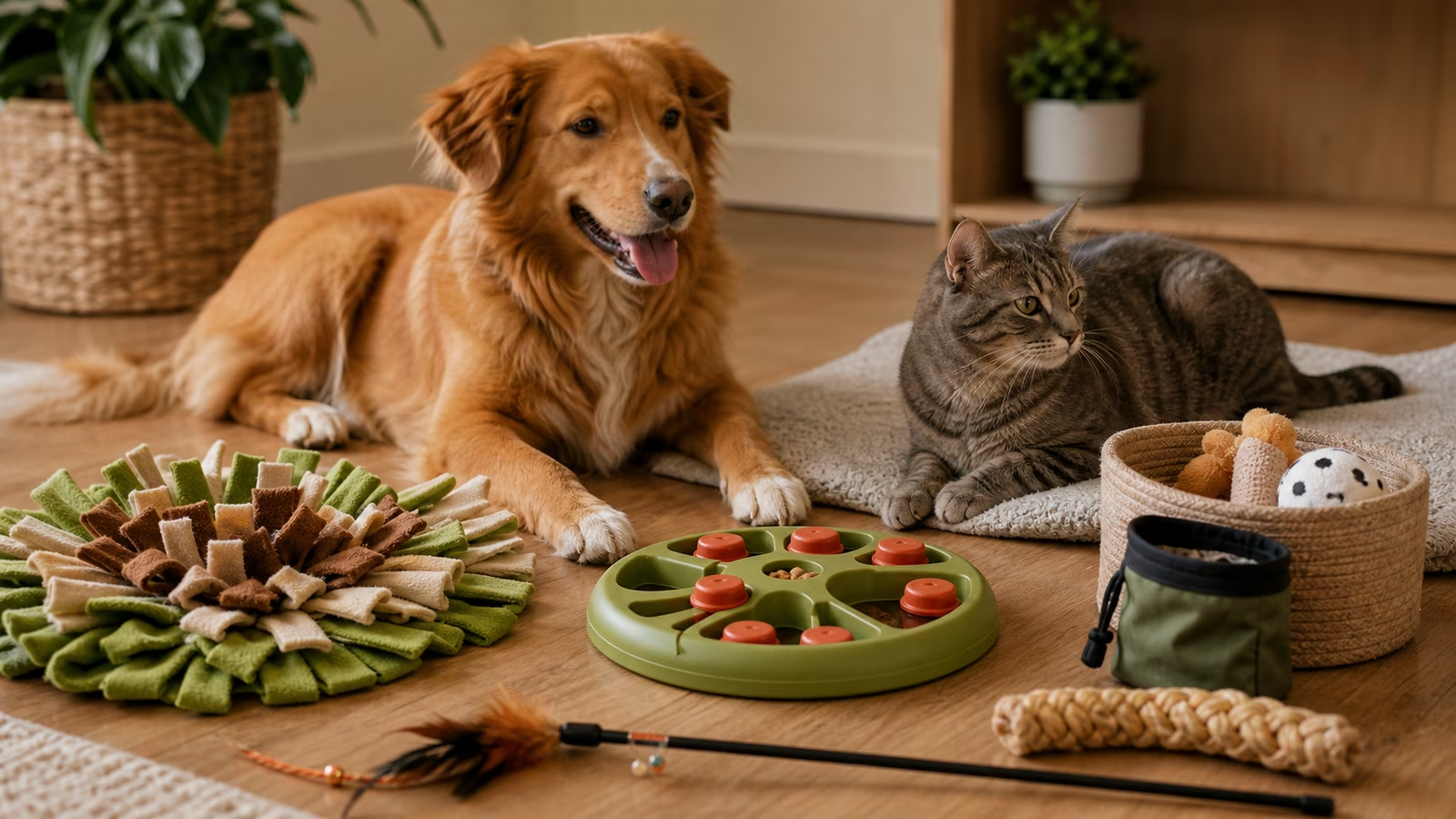
- Hiding spot, scratcher, food station, water station, resting spot, and one play option.
- Expansion plan: open the next room only when the cat is eating, using the box, and recovering from household noise.
Litter box placement checklist
- Quiet, reachable, and not trapped behind a door.
- Large enough for turning, digging, and normal posture.
- Not beside food, water, loud machines, or an ambush point.
Crate and rest-zone fit checklist
- Pet can stand, turn, and lie down comfortably.
- Bedding is washable and safe for that pet’s chewing style.
- The zone is used for rest and management, not punishment.
Pet sitter handoff template
| Section | Notes |
|---|---|
| Daily routine | Meals, walks, litter, play, medication instructions from the vet if applicable. |
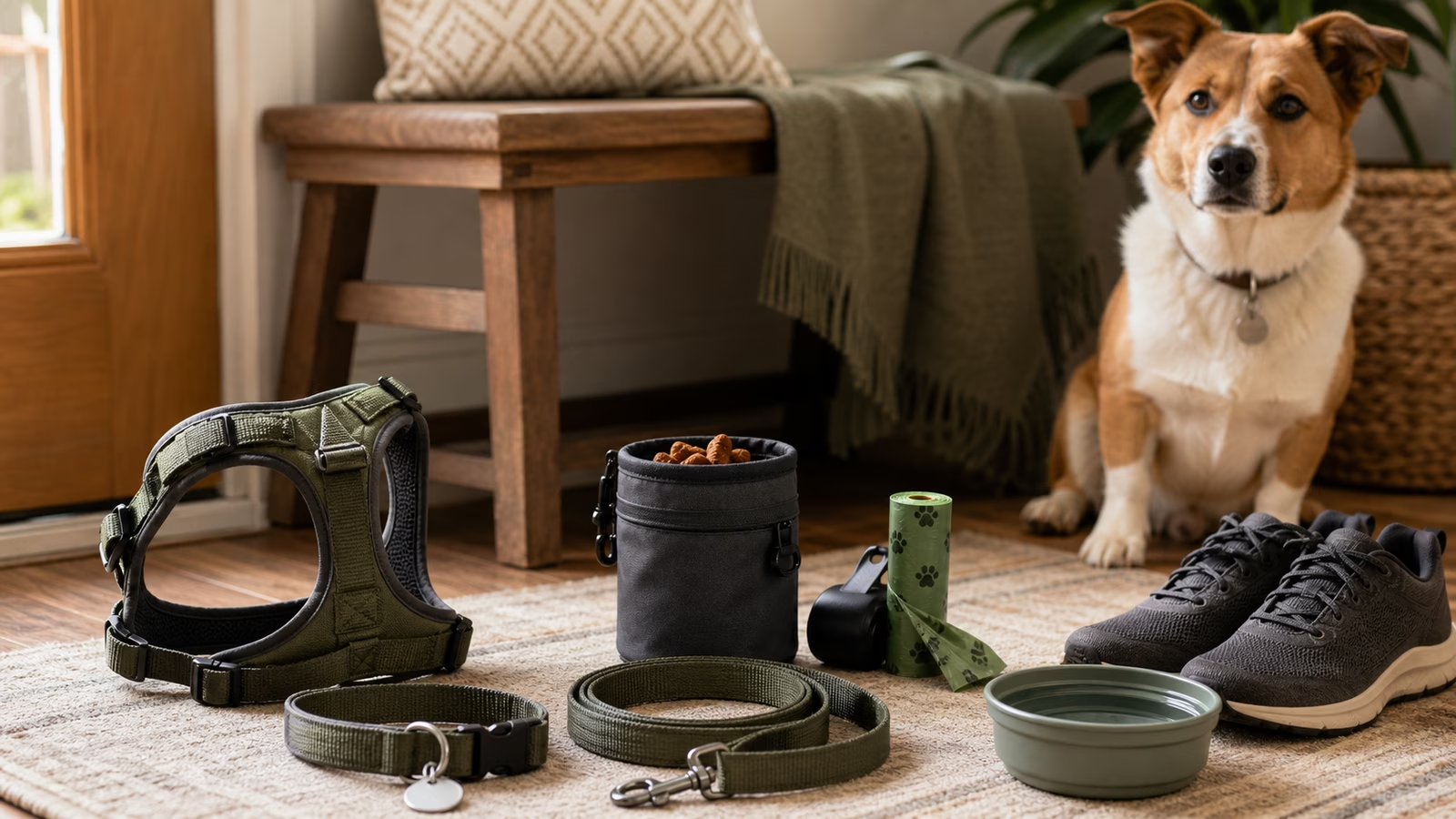
| Gear locations | Leash, carrier, food, cleaning supplies, records, towels, backup key. |
| Contacts | Owner, veterinarian, emergency clinic, poison control, neighbor or backup helper. |
Pet emergency info card
Keep the pet’s veterinarian, nearest emergency clinic, microchip number, current medications, allergies if known, and poison-control contact information in one visible place. For urgent signs, contact the pet’s veterinarian or an emergency clinic.
Apartment pet setup scorecard
Give each area a simple 0, 1, or 2: door routine, hallway noise, bathroom setup, washable entry, enrichment plan, litter or potty access, neighbor-sensitive quiet routine, and travel carrier storage. Fix the lowest score first.
Multi-pet resource zone map prompt
Draw the home and mark every food, water, litter, bed, crate, perch, scratcher, toy basket, door, and narrow hallway. If one pet can block another pet’s only path to a resource, add a second resource or change the route.