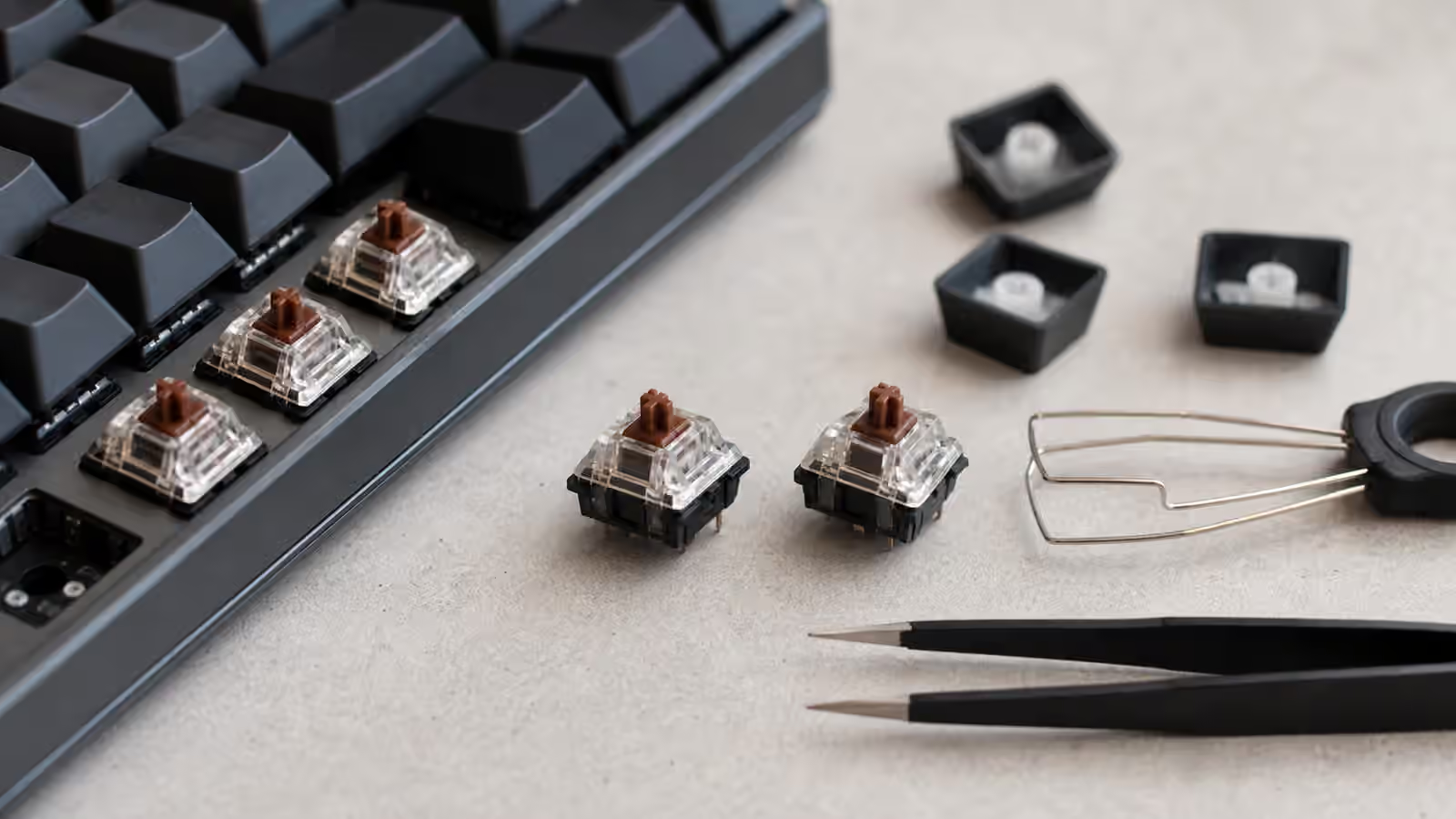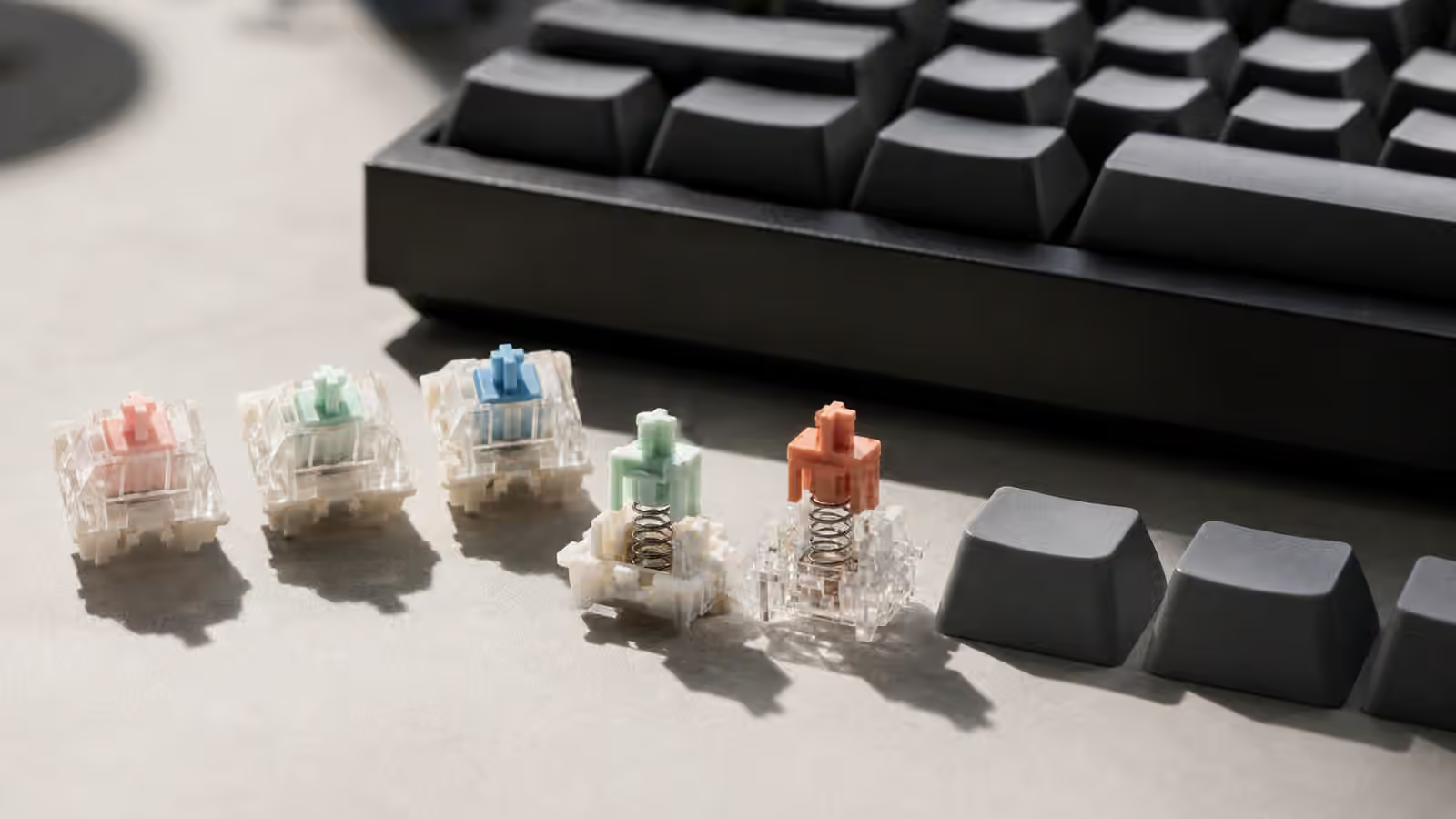
Switch travel is the distance a key moves from rest to bottom-out. It sounds like a measurement from a spec sheet, but under the fingers it becomes timing, sound, fatigue, and confidence. A switch with shorter travel can feel quick and firm. A switch with longer travel can feel forgiving and familiar. A long-pole stem changes that experience by making the stem hit bottom earlier, often with a sharper and more distinct bottom-out. Some people love the clean stop. Others find it abrupt. The difference is not only preference. It is the way the switch, spring, keycap, plate, and typist meet at the end of each press.
The Complete Switch Guide explains the main switch families, and Switch Spring Weight covers force. This guide focuses on distance. Two linear switches can share a similar spring and still feel different because one bottoms out earlier and harder. Two tactile switches can have similar bumps and still change your rhythm because one gives you more travel after the bump. Travel distance is one of the quiet reasons switch reviews can disagree honestly.
Total travel, pre-travel, and actuation
Total travel is the full downward movement available before the switch bottoms out. Many familiar MX-style switches sit near four millimeters of total travel, but plenty of switches are shorter or longer. Pre-travel is the distance before the switch actuates, meaning the point where the keyboard registers the press. A switch can actuate before bottom-out, and most typists bottom out anyway during normal typing. That means the end of travel shapes feel even when the electrical signal happened earlier.
Actuation distance matters for speed and accidental presses, but bottom-out distance matters for comfort and sound. If a switch actuates high but still gives a long cushion before the end, it may feel forgiving. If it actuates high and bottoms out soon after, it may feel fast but unforgiving. Neither is automatically better. A typist who floats lightly over the keys may care more about actuation and return. A typist who presses through every stroke will care deeply about how the switch lands.
This is why a switch tester can be useful but incomplete. Pressing one switch slowly teaches the travel shape. Typing a page teaches whether that travel fits your rhythm. The Switch Sample Testing guide explains how to turn samples into better evidence.
What long-pole stems change
A long-pole switch uses a stem geometry that reaches the bottom housing earlier or more decisively than a traditional stem. The name can be confusing because the stem is not simply “better” or even always dramatically longer in every visible way. The practical result is that the stem pole becomes the bottom-out contact point sooner. That can reduce total travel and create a more pronounced stop.
The feel is often described as crisp, firm, or immediate. The sound can be louder, sharper, or more concentrated because the stem pole hits the housing in a clear way. In some builds that is satisfying. In others it can become harsh, especially with a stiff plate, tall keycaps, or a hard desk surface. The Keyboard Plate Flex and Typing Feel guide matters here because a long-pole switch in a rigid board is a different experience from the same switch in a softer mount.
Long-pole designs are common in modern enthusiast switches, but they are not a universal upgrade. A shorter travel can make a switch feel lively at first and tiring later if your typing force is heavy. It can also make mistakes feel more abrupt because there is less motion between commitment and impact. Try the feel during real work before ordering a full set because the first few presses often emphasize excitement more than comfort.
Bottom-out is a system
When a key reaches the end of travel, several parts share the impact. The stem hits the housing, the switch sits in the plate, the plate transfers vibration into the mount and case, the keycap adds mass and height, and the desk returns some of that energy. A long-pole stem changes one part of that chain, but the rest decides whether the result is clean, loud, sharp, muted, or fatiguing.
Keycap profile can amplify the sensation. Tall caps put your finger farther above the switch, which can make a firm bottom-out feel more dramatic. Thick caps can deepen or concentrate the sound. Low or uniform caps may make the switch feel more direct. The Keycap Profile Height and Typing Feel guide is useful if a switch seems different after a keycap swap.
Desk surface is also part of the landing. A hard board on a bare table can make long-pole bottom-out seem harsher than it is inside the switch. A desk mat can soften the acoustic edge without changing the switch. The Keyboard Desk Mats and Surface Sound guide explains why the surface under the board changes what your ears and fingers report.
Spring pairing matters
Shorter travel changes how a spring feels because your finger reaches the end of travel sooner. A light spring in a short-travel switch may feel fast but easy to slam into bottom-out. A heavier spring may slow the finger before impact but can become tiring if the weight is more than your hands want. Progressive and long springs can change the force curve enough that two switches with similar bottom-out numbers feel different during the press.
Do not judge spring weight in isolation from travel. A switch that feels perfect at four millimeters may feel too abrupt when the same general weight lands earlier. Another switch that sounds too sharp with a light spring may become controlled with a slightly heavier or longer spring. This is one reason switch modding can become complicated quickly. Each change affects the whole motion.
If you plan to swap springs, test a few switches before opening the entire batch. The Switch Lubing by Hand guide is relevant because spring handling, lube amount, and consistency all affect the final feel. A long-pole switch that is crisp by design can become sluggish if treated with too much lubricant or paired with a spring that does not return confidently.
Tactile switches and post-bump travel
Long-pole discussion often centers on linear switches, but tactile switches have their own travel story. The placement and shape of the tactile bump matters, but so does the distance after the bump. A tactile switch with a strong early bump and generous post-bump travel can feel guided and cushioned. A tactile switch with a strong bump and short remaining travel can feel decisive, but it may also feel like the bump and bottom-out collapse into one event.
Some typists like that immediacy because the switch confirms the press and lands quickly. Others prefer a little room after the tactile event so the finger does not strike the bottom as abruptly. If you are choosing tactiles, compare not only bump strength but also what happens after the bump. Slow presses reveal the shape, while normal typing reveals whether the switch feels calm or busy.
Stabilized keys can complicate the impression. A long-pole tactile under a spacebar may feel different from the same switch under a letter because the cap and stabilizer add mass and friction. If only large keys feel bad, read Spacebar Tuning before blaming travel distance.
Noise and shared spaces
Short, firm bottom-out can be louder than expected. The sound may be pleasant in a sound test and tiring in a shared room. Long-pole switches can create a focused pop or clack that cuts through desk noise. That can be part of their appeal, but it is not always welcome in an office, bedroom, or late-night setup. The Low-Noise Keyboard Setup guide explains why switch choice is only one part of controlling sound.
Silent switches approach travel differently because dampeners soften bottom-out and top-out. They can feel cushioned, muted, or slightly padded depending on design. A silent switch with reduced travel may still feel abrupt if the dampener is firm, while a full-travel silent switch may feel slower but kinder to the room. Again, the spec number is only a starting point.
Choosing by job, not fashion
Choose shorter travel or long-pole switches when you want a decisive landing, a crisp sound, and a fast-feeling press that suits your typing force. Be cautious if you press hard, work long writing sessions, share a quiet room, or already find stiff boards tiring. Choose more traditional travel when you want a little more cushion, a familiar rhythm, or more separation between actuation and bottom-out.
The safest test is a small one. Install a few long-pole candidates in a hot-swap board, type for an evening, and compare them against a familiar switch. Notice not only the first impression but also fatigue, error rate, and sound after novelty fades. A switch can be exciting and still wrong for a daily board. It can also feel plain in a tester and excellent during work.
Switch travel is not a race to the shortest number. It is the shape of the press from rest to return. Long-pole switches are valuable because they give a particular kind of clarity, not because every keyboard needs that clarity. When travel distance, spring weight, plate feel, and keycap height agree with your hands, the switch stops being a spec and becomes part of the board’s rhythm.