
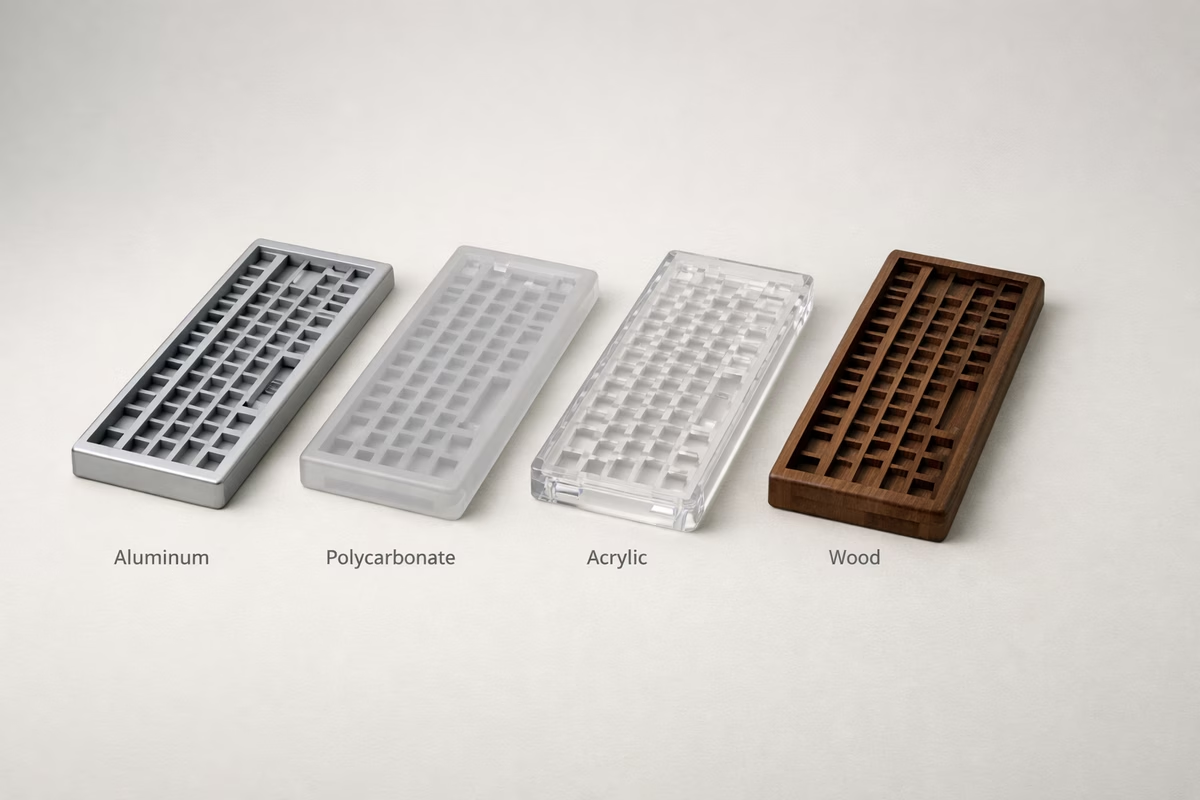
Keyboard Case Materials Guide
The case is the body of the keyboard. It holds everything together, sets the weight on your desk, and shapes the base sound. Material is not the whole story, but it does change how a board feels and sounds.
It helps to think of materials as different fits, not a ranking.
Case Material Comparison (At a Glance)
Use this table as a map, not a verdict. Two boards made from the same material can still sound different, but the material gives you a starting point.
| Material | Typical weight | Typical sound character | Durability | Common price tier | Best for |
|---|---|---|---|---|---|
| Plastic (ABS/PS) | Light | Lively, can be hollow | Moderate | Budget | Portability, value |
| Polycarbonate (PC) | Light–moderate | Bright / poppy / “clean” | Good | Mid–premium | Modern pop, RGB showpieces |
| Aluminum | Heavy | Dense, controlled, versatile | Excellent | Mid–premium | “Premium default”, office setups |
| Brass (full case) | Very heavy | Authoritative, resonant | Excellent | Premium+ | Collectors, desk-only builds |
| Brass (weight) | Adds weight | Deepens tone, increases stability | Excellent | Add-on | Upgrading aluminum/plastic |
| Wood | Moderate | Warm, naturally damped | Good (with care) | Premium | Cozy/organic setups |
| Acrylic | Light–moderate | Bright, can be hollow | Fragile | Budget–mid | DIY, stacked aesthetics, RGB |
How to Choose (A Practical Approach)
Before you get lost in material lore, answer three questions:
- Where will you use it? If you share a space or record audio, you’ll care more about controlled resonance than “maximum character.”
- Do you want it to move? If you travel, light materials matter. If the board never leaves your desk, weight becomes a feature.
- What are you tuning for: sound, feel, or looks? You can usually tune sound with foam, plates, keycaps, and switches. But you cannot tune an ultra-heavy case into being portable.
When you are torn, aluminum is the safe all-around choice, plastic is the best value, and polycarbonate or wood give you more personality.
Aluminum Cases
Aluminum is the usual premium choice because it balances durability, stability, and tuning options.
What it tends to sound like
Aluminum usually sounds denser and more controlled than budget plastic. Some cases still ring, so foam or a different plate can help.
What it tends to feel like
Aluminum boards feel stable. The case does not flex much, and the board tends not to slide.
Finishes you’ll see
- Anodized: durable, common, and generally the best everyday finish.
- Sandblasted: matte texture that often hides fingerprints well.
- Polished: striking, but shows fingerprints and fine scratches quickly.
- E-coated: more color options, but coatings can chip if impacted.
Best for
Aluminum is a good fit if you want a board that feels substantial, looks professional, and can be tuned in a few directions.
Plastic Cases (ABS/Polystyrene)
Plastic cases are how most people first meet mechanical keyboards. They are light, affordable, and common, but quality varies a lot.
How plastic tends to sound
Plastic often sounds lighter and higher-pitched than aluminum. The common problem is hollowness, but a desk mat, a little foam, and tuned stabilizers can help a lot.
How plastic tends to feel
Plastic can feel soft or flexy if the case is thin. That can be pleasant or cheap-feeling depending on the build. It is still hard to beat for portability.
Best for
Plastic is a good choice for budget boards, travel boards, and people who want to experiment without spending too much.
Polycarbonate (PC) Cases
Polycarbonate sits in a middle ground. It is technically plastic, but it has a more enthusiast feel because it can sound lively and look clean.
What it tends to sound like
PC often sounds bright, clear, and poppy, especially with PE foam. If you do not like sharper tones, it can feel too plasticky.
What it tends to feel like
PC can feel a little softer than metal. Some people like that bounce, especially on gasket-mount boards.
Best for
Choose PC if you want a lively sound, a translucent case, or an RGB build.
Brass (Full Cases and Weights)
Brass is dense. It is heavy, stable on the desk, and usually gives a more resonant tone.
Brass as a full case
A full brass case is usually for collectors. It is heavy, expensive, and best left on the desk.
Brass as a weight (the common approach)
Many boards use brass as a weight instead of a full case. That is often the easiest way to add stability and density.
Best for
- Desk-only builds where stability matters
- Enthusiasts chasing unique tone and “mass”
- People who want the feel of premium more than portability
Wood Cases
Wood cases feel like furniture. They bring warmth and soften harsher sounds.
What it tends to sound like
Wood is often warm, muted, and a little different from board to board. It can cut down metallic ringing and keep the sound softer.
What it tends to feel like
Wood feels warm to the touch. The tradeoff is maintenance, since humidity and finish care matter more than with metal.
Best for
Wood is a good fit if you want a cozy board and do not mind a little upkeep.
Acrylic Cases
Acrylic cases are common in stacked DIY builds. They can look great, especially with RGB, but they are less durable.
How acrylic tends to sound
Acrylic often sounds bright and can be hollow if the case has a lot of empty space. Foam helps a lot.
How acrylic tends to feel
Stacked acrylic can feel flexy. It also scratches and cracks more easily.
Best for
Acrylic is best for DIY builds, experiments, and boards where you want to see the internals.
Exotic and Rare Materials (Quick Notes)
These usually show up in small runs and one-off builds. People buy them for looks and novelty more than practical value.
- Carbon fiber: light and strong, often deep/muted; rare as a full case but common as a plate.
- Copper: dense and warm, develops patina; mostly collector territory.
- Stone/marble: extremely heavy and “dead” sounding; typically artisanal showpieces.
- 3D-printed (PLA/resin): highly variable; great for prototyping and DIY, often needs tuning to avoid hollowness.
Thickness and Construction (Why Two “Aluminum” Boards Don’t Sound the Same)
Material is the headline, but construction still matters.
Thin cases
Thin walls emphasize resonance and can sound hollow or tinny.
Thick cases
Thicker walls add mass and help control resonance. That is one reason some aluminum boards feel more substantial than others.
Internal geometry matters
Large, undamped cavities ring. Bracing, weights, and internal shapes can break up those spaces.
Mounting Style and Material Interaction (Simple Heuristics)
Mounting often matters more than material for harshness.
- Gasket/softer mounts tend to reduce harshness and make deeper profiles easier (great with aluminum and PC).
- Top mount/firm mounts emphasize clarity and contact sounds (often paired with aluminum when you want crispness).
- Tray mount varies widely; it can sound harsh without tuning, so stabilizers and foam usually do more work here.
Takeaway
If you want a safe default, choose aluminum. If you want value and portability, plastic is fine. If you want more personality, try polycarbonate or wood. Brass weights are an easy way to add density without going all in on brass.
Next Steps
- Sound Profiles Guide - Hear how material choices shape tone
- Building Guide - Plan a build that fits your space and taste
- Modding Guide - Tune sound and feel without changing the case
Read the parts through use
After reading Keyboard Case Materials Guide, bring the terms back to a keyboard you can touch. Sound, feel, height, stiffness, layout, and maintenance are easier to understand through a real board than through a parts list alone. A term becomes useful when it explains something your fingers or ears already noticed.
Change one detail at a time when experimenting. A different keycap profile, plate, foam layer, switch, stabilizer tune, or desk mat can all affect the result, but changing everything at once makes the lesson disappear.
Keep short notes on what changed and what did not. The keyboard hobby rewards memory less than people expect. A small note can prevent repeating the same expensive experiment.
The goal is not to collect vocabulary for its own sake. It is to build and maintain a keyboard that feels better in daily work.