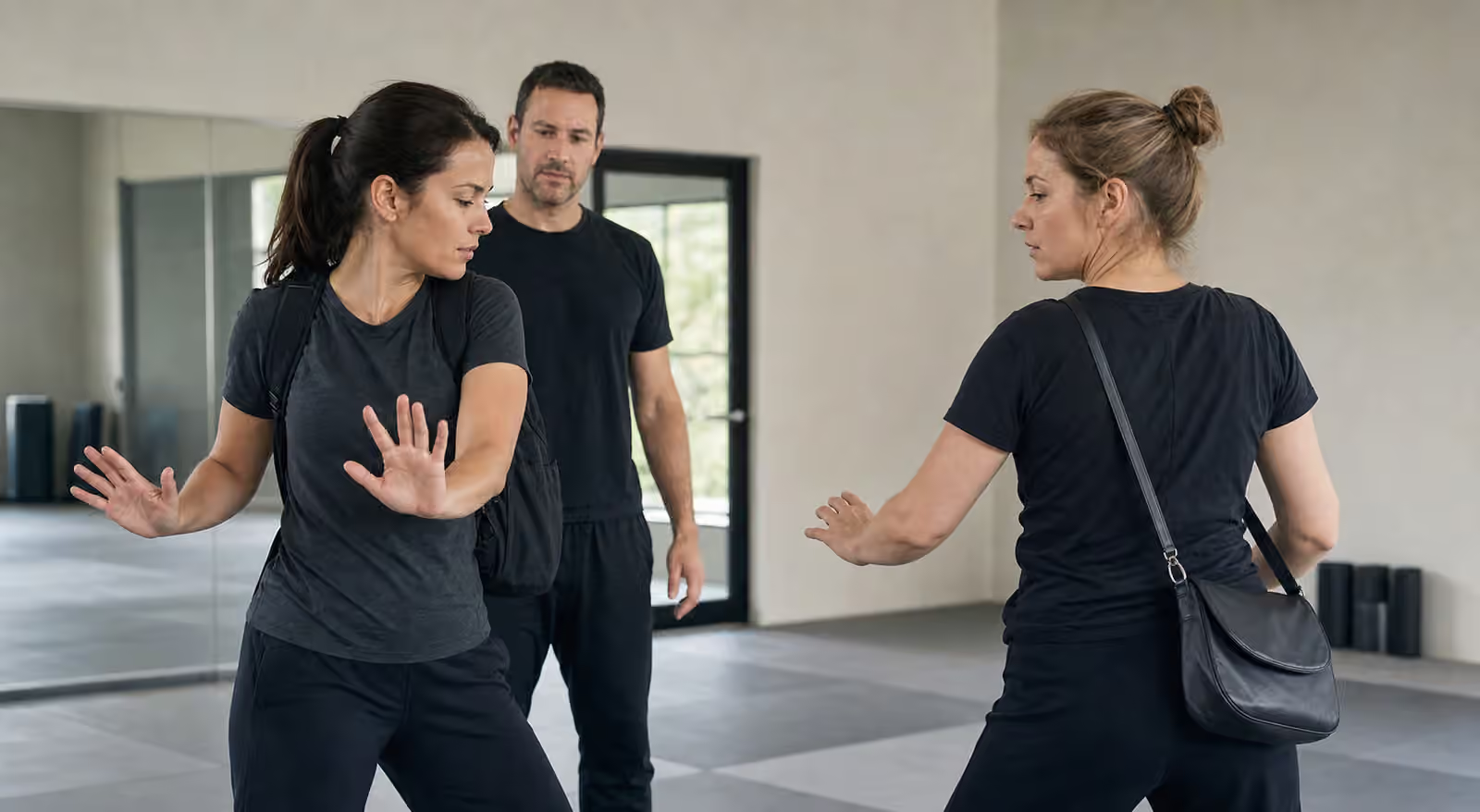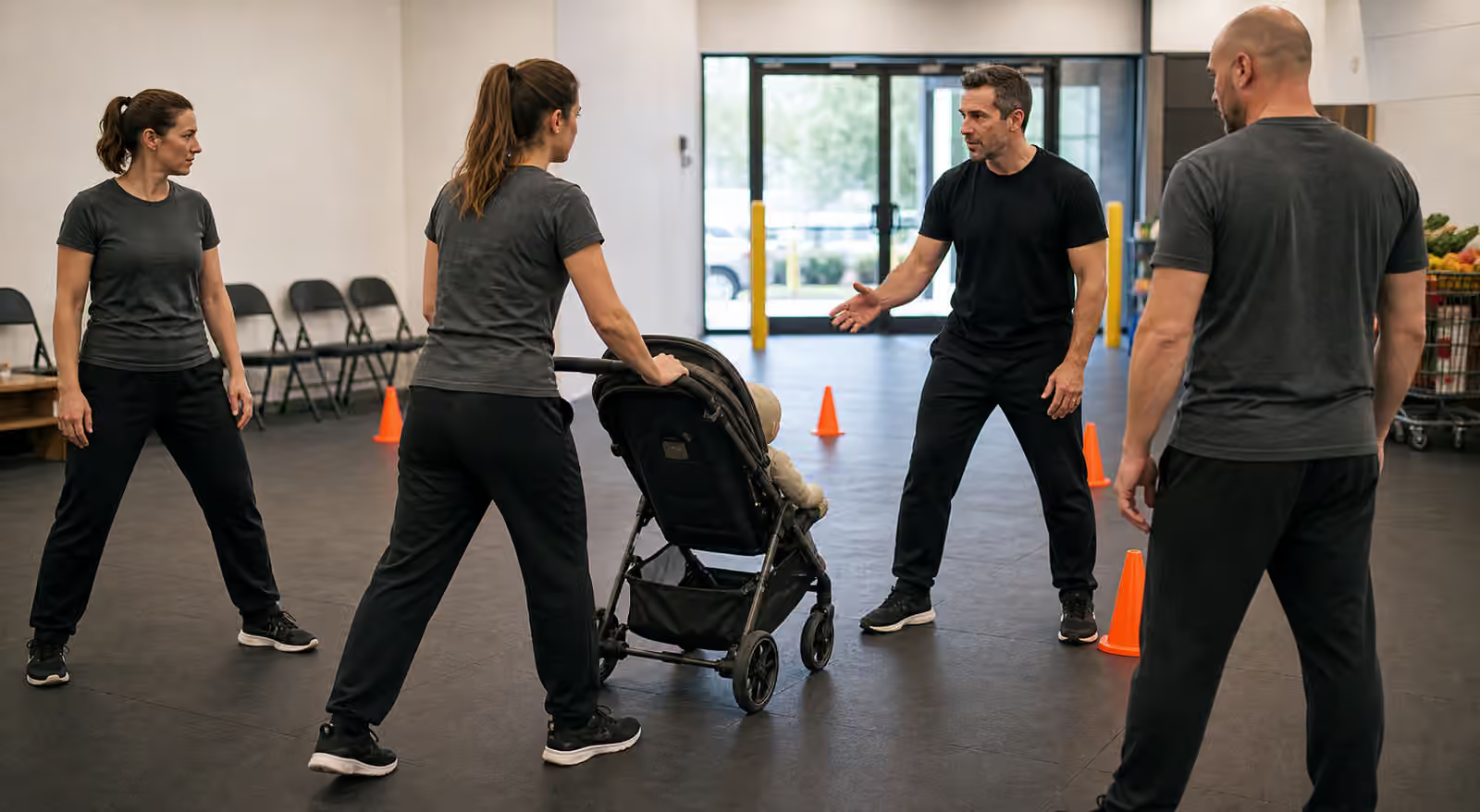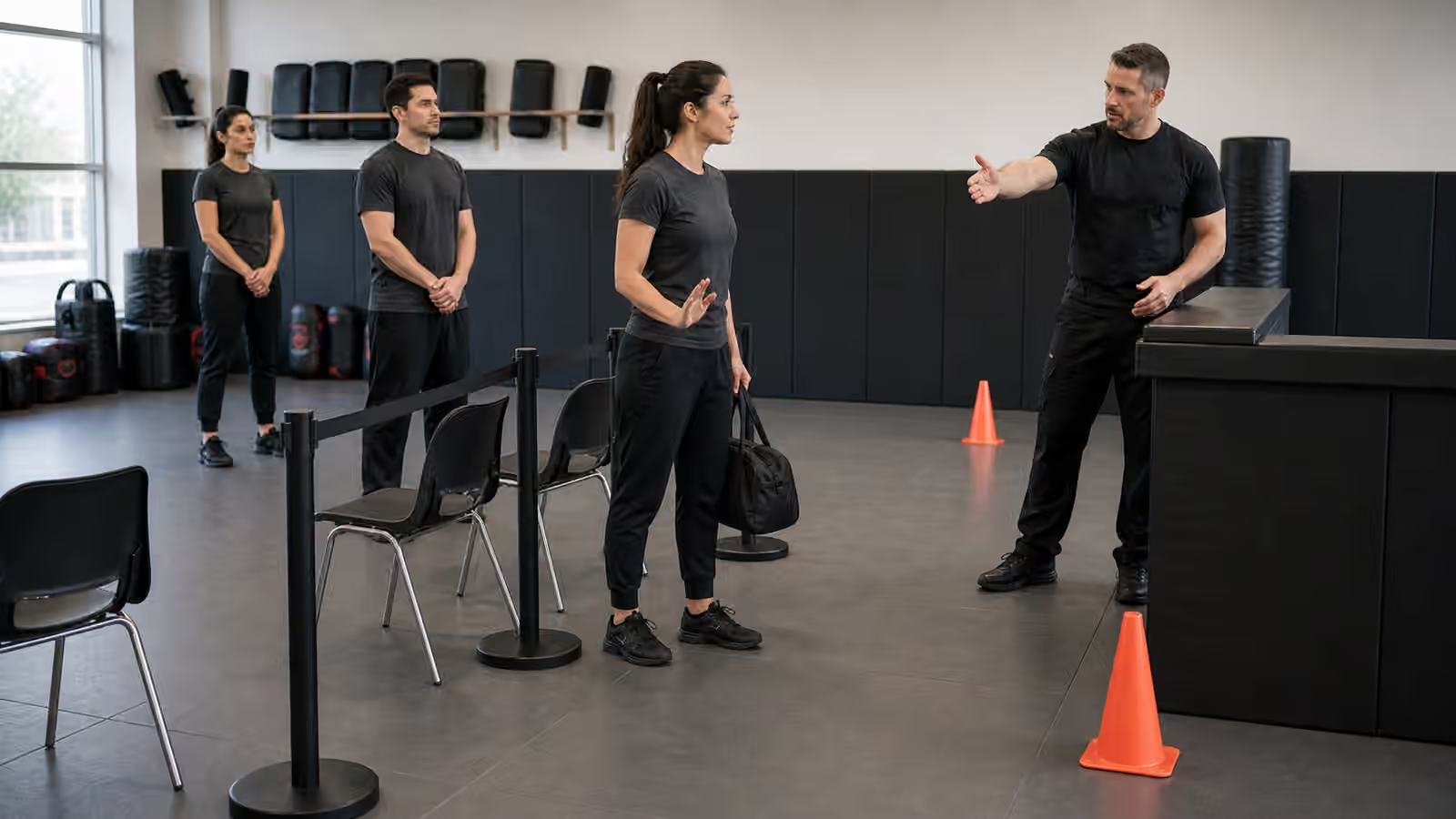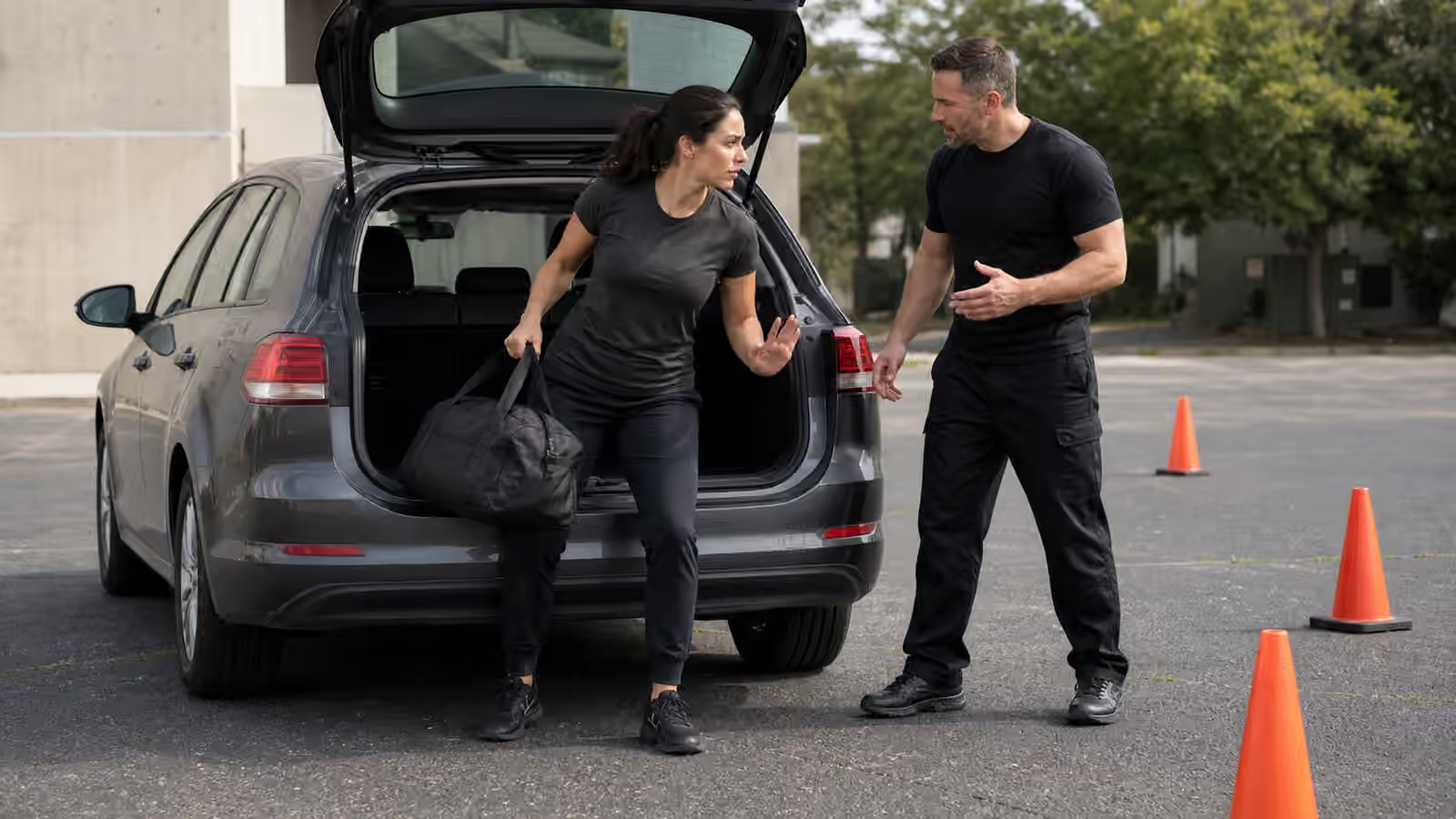
Loading a vehicle is an ordinary task that changes the body in predictable ways. The hands are occupied. The trunk or door is open. Attention moves toward bags, groceries, strollers, sports gear, or luggage. The person may bend, twist, turn their back, or stand between the vehicle and another object. For a few seconds, the open world becomes a small workspace.
Krav Maga does not need to turn that workspace into a scene from a movie. It should teach students to notice how quickly posture, hands, and exits change when they are busy with a vehicle.
The Car Creates a Small Room
A car door, trunk lid, cart, wall, curb, and neighboring vehicle can form a temporary room around the body. That room may be open on one side and closed on another. It may narrow quickly if another person approaches or if the student steps into the gap between vehicles without thinking. The issue is not the car itself. The issue is how the car shapes movement.
Environmental Movement in Krav Maga explains this principle around walls, chairs, bags, and doorways. Vehicle loading is another version of the same problem. The student should ask where movement is easy, where it is blocked, and whether their hands are available enough to manage distance.
A simple habit can help. Before bending into a trunk or back seat, look around. Before placing both hands deep into a bag, know where the open lane is. Before standing between two cars for a long time, ask whether the task can be organized from a better angle. These are small choices, not dramatic tactics.
Hands Full Changes Timing
Vehicle loading usually means carrying something. A grocery bag, gym bag, suitcase, laptop case, folded stroller, or box can occupy both hands and pull attention downward. The student may keep holding the item because dropping it feels wasteful or embarrassing. That attachment can make the body late.
Hands Full in Krav Maga belongs beside this page. The core lesson is that objects should not own the student. Sometimes the right decision is to put something down, close distance to the vehicle later, or leave the item behind if safety requires it. Training can explore that idea with soft props so students learn how hard it is to move while protecting a bag.
In class, a vehicle-loading drill does not need a real vehicle. A pad stack can mark the trunk. A chair can mark a door. A gym bag can give the hands a job. The student approaches, looks, shifts the bag, keeps one hand available when practical, and steps toward open space. The drill should end with better posture and distance, not with a choreographed fight around the prop.
Doors Are Barriers and Traps
An open car door can create useful separation, but it can also trap the student’s own movement. A person standing too close to the hinge side may have little room to step. A door held open with one hand can become a tether. A trunk lid overhead may limit vision. A student reaching into the rear seat may turn their back and lose the lane behind them.
This is why Threshold and Doorway Awareness transfers well to vehicle habits. A car door is a threshold. The body crosses attention into a smaller space. The student can pause before that crossing, free a hand, and decide whether the task needs to happen now or can wait.
The door should not be treated as a guaranteed shield. It may help, or it may fail, or it may make movement worse. Krav Maga training should avoid building fantasy around slamming doors, fighting through windows, or using the vehicle as a weapon. The more useful habit is quieter: keep the body from getting pinned by its own task.
Parking Lots Add Distraction
Parking areas carry many ordinary distractions. Cars move. People walk behind vehicles. Carts roll badly. Children drift. Lights change. Rain, heat, fatigue, and tight spaces can make people hurry. A student who loads while looking only at the bag may miss the wider rhythm.
Low-Light Parking Lot Awareness covers one version of this setting. Vehicle loading adds the hand and posture problem. The student may already know to look up while walking, then stop looking up once the trunk opens. That is the gap this guidebook fills.
The habit does not need to be anxious. A person can load in stages. Look before approaching. Place the bag with the body angled toward space. Avoid staying folded over. Close the door or trunk when the task is done. If something feels wrong, leave the task and move. Most of the time, nothing happens. The point is to avoid giving away all options during the few seconds when attention is narrow.
Companions Make the Task Slower
Loading a vehicle with another person changes the problem. A friend may stand in the open lane. A child may wait near the curb. An older relative may need time to sit. Someone may ask a question just as the student is bending into the trunk. Responsibility divides attention.
Krav Maga When You Are Not Alone is useful because companion movement needs communication. The student may need to ask someone to wait on a safer side, hold a bag, move toward the door, or stop standing behind the vehicle. The words can be ordinary. They do not need to sound like commands from a drill. They need to make movement clearer.
Training this in class can be simple. One student loads a soft bag while another plays the role of a companion who drifts into the lane. The defender uses calm voice and body angle to organize both the bag and the person. The goal is not control for its own sake. The goal is reducing confusion before pressure arrives.
Fatigue and Hurry Are the Real Opponents
Vehicle loading often happens when people are tired, late, or mentally elsewhere. After training, the body may be sore. After travel, the mind may be dull. After errands, patience may be low. Hurry makes people stand in poor positions longer than they realize because they want the task finished.
Fatigue and Pacing in Krav Maga offers a useful lens. The tired student does not need a more complex plan. They need simpler habits. Look first. Keep one hand available when possible. Do not wedge the body into a narrow gap without a reason. Stop loading if the situation changes. Choose a better parking spot when there is time and choice.
These habits are not legal advice or a guarantee of safety. They are training habits for ordinary movement. The value is that they reduce the number of moments where a person is bent, boxed in, overloaded, and unaware all at once.
Vehicle loading is not glamorous. That is why it belongs in self-defense training. Many useful habits live in boring transitions: opening doors, carrying bags, buckling seats, placing groceries, stepping around carts, and leaving before a task becomes more important than space. Krav Maga should help students recognize those transitions early, organize them calmly, and keep the open lane visible.