Krav Maga does not require much gear at the beginning, and that is part of its appeal. You can walk into a first class with ordinary athletic clothes, water, and a willingness to learn slowly. The room should not depend on expensive equipment to make the training useful. At the same time, the gear you bring can either support the lesson or keep interrupting it. A shoe that slips, a ring left on a finger, a shirt that catches during movement, or a bag dropped in the wrong place can turn a simple drill into a preventable problem.
Good training gear is not about looking serious. It is about removing friction. The right items let you hear the instructor, move without fussing with your clothes, hold pads safely, manage sweat, protect your own body within reasonable limits, and come back next week ready to train again. The wrong items demand attention at the exact moments when attention should be on distance, posture, partners, and exits.
This is why gear belongs in the beginner conversation, even though it should not become the center of the practice. Your First Krav Maga Class explains what the room feels like when you arrive. This page focuses on the quiet preparation around that moment: what you wear, what you carry, what you leave at home, and how equipment can make the training space safer without turning self-defense into a shopping project.
Start With The School’s Rules
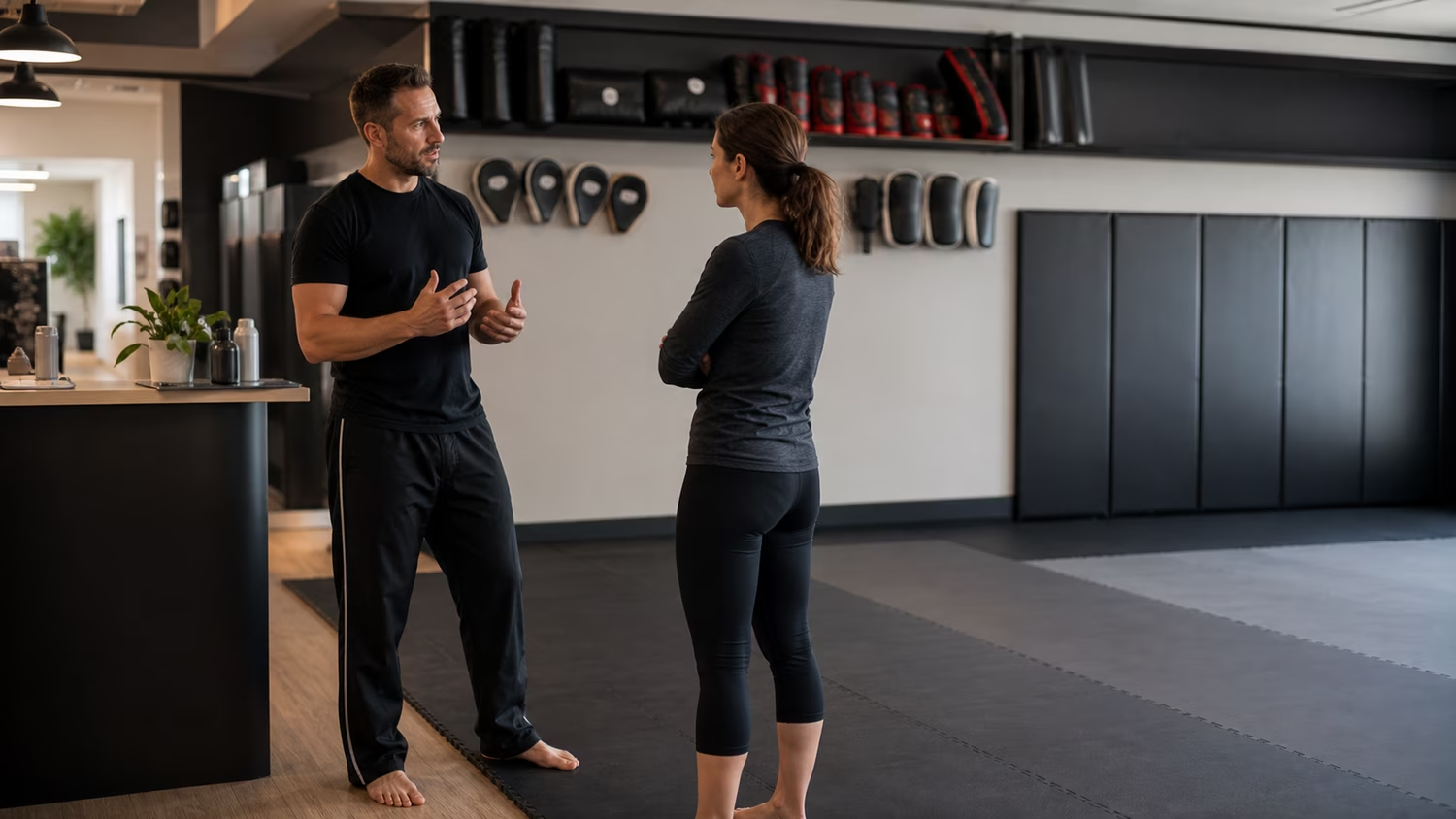
Before buying anything, ask the school what it expects. Some Krav Maga rooms train barefoot on mats. Others require clean indoor shoes. Some want hand wraps for padwork almost immediately. Others introduce wraps later, after students learn basic striking structure. Some schools require mouthguards for certain contact drills and do not use them in early beginner classes. Local rules vary because floors, insurance, curriculum, and instructor preference vary.
This is also a useful way to evaluate the school. A mature instructor can explain the reason behind a rule. Shoes may be required because the floor is not a soft grappling mat, or banned because outdoor soles damage mats and track in grit. Jewelry may be prohibited because fingers, ears, and necklaces do not mix well with grabbing, pad holding, and fast movement. Mouthguards may be tied to a specific level of contact rather than treated as decoration. A school that cannot explain its own equipment rules may have a broader clarity problem, which is one of the themes in Choosing a Krav Maga School .
The best first purchase is often patience. Take a class, listen to the instructor, and notice what students actually use. Beginners sometimes arrive with tactical-looking gloves, stiff boots, heavy bags, and accessories that solve problems the class has not created. That can make them feel prepared, but it can also slow learning. Gear should answer a real training need, not a fantasy about what training is supposed to look like.
Clothing Should Let You Move And Be Corrected
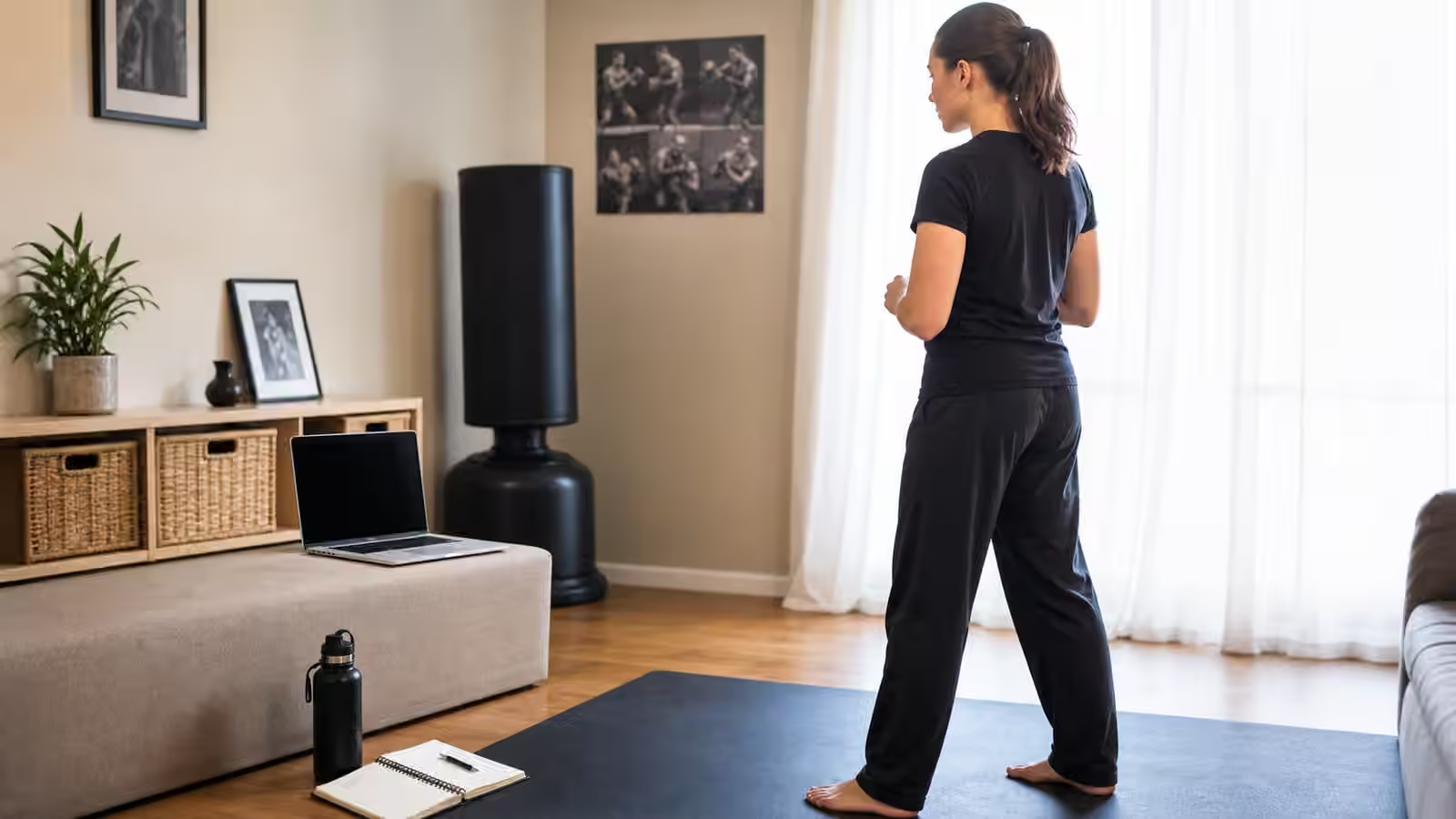
Training clothes need to survive ordinary movement: stepping, squatting, turning, sprawling lightly, striking pads, holding pads, and getting down to the floor if the class includes ground recovery. They should not be so loose that partners catch fingers in fabric, and they should not be so tight that you are constantly adjusting them. The instructor also needs to see enough posture to correct you. If a shirt hides your shoulders completely or pants restrict your hips, the coach has less information and you have less freedom.
Think less about martial appearance and more about whether the clothing disappears during class. Can you raise your hands without the shirt riding into your face? Can you step wide enough without the fabric pulling? Can you lie back and stand up without a waistband slipping? Can you sweat without becoming preoccupied with the garment? These questions are mundane, but mundane problems are exactly the kind that ruin concentration.
Pockets deserve attention. Phones, keys, earbuds, coins, and hard cases should not stay in pockets during partner work. They can bruise you, scratch a partner, fall underfoot, or distract you when they shift. If you need medication or a medical device nearby, tell the instructor and keep it in an agreed place. Otherwise, let your pockets be empty. A clean training body is easier for partners to read and safer to contact.
Shoes Are About Surface, Not Style
Footwear is one of the few gear topics where the answer depends heavily on the room. If the school trains in shoes, use clean indoor shoes with enough grip to move but not so much that your foot sticks aggressively during pivots. Running shoes with tall, soft soles can feel unstable during lateral movement. Hard outdoor soles can be dirty or too rigid for mat work. Minimal court shoes, wrestling-style shoes, or other flat indoor options may work depending on the school’s rules, but the instructor’s guidance should come first.
If the school trains barefoot, foot care becomes part of partner care. Clean feet, trimmed nails, and attention to skin issues are not vanity. They are part of sharing a mat with other adults. Barefoot training can make the floor easier to feel, but it also means slips, scrapes, and hygiene matter. If you have a foot condition, injury, orthotic need, or medical concern, talk with a qualified professional and the instructor instead of guessing your way through pain.
Shoes also affect how you understand distance. A sole that slides changes your confidence. A sole that sticks can make angling harder. A shoe that raises the heel changes posture. Distance, Awareness, and Exit may sound like a mental topic, but it travels through the feet. The body cannot leave well if the feet are negotiating with bad footwear.
Wraps, Gloves, And The Lesson Of Impact
Hand wraps can be useful once padwork becomes regular. They support the wrist and hand enough to reduce some common irritation, especially when beginners are still learning alignment. They are not magic, and they do not make careless punching safe. A wrapped hand can still land badly. A wrist can still bend. A shoulder can still rise. The wrap supports training; it does not replace mechanics.
If you use wraps, learn to put them on consistently and not too tight. A wrap that cuts circulation, bunches painfully, or unravels during a drill has become another distraction. Ask an instructor or experienced student to check the first few times. This is a small moment of humility and a good test of partner culture. Serious rooms do not make beginners feel foolish for learning ordinary preparation.
Gloves are more complicated. Some schools use open-palm gloves, boxing gloves, or MMA-style gloves for specific drills. Others avoid them in early classes because gloves can hide poor alignment or change how hands behave in grabs and frames. Follow the curriculum. A beginner does not need to arrive with a glove collection. The more important skill is learning to hit pads with structure, breathe after impact, and recover the hand, as described in Padwork and Pressure .
Pad holding is part of the same gear conversation. If the school supplies focus mitts or shields, treat them as shared equipment, not furniture. Hold them where the coach says. Do not drop them in walkways. Do not toss them carelessly near someone’s feet. A training pad looks harmless until it becomes the object someone trips over while turning.
Mouthguards, Contact, And False Confidence
A mouthguard may be required for certain drills, especially when contact becomes less predictable. It can reduce some dental risk, but it does not make a drill safe by itself. The presence of a mouthguard should not become permission for partners to add surprise, speed, or contact that the instructor did not assign. Equipment can support safety culture; it cannot create safety culture alone.
Fit matters here. A mouthguard that makes you gag, falls out when you speak, or prevents normal breathing will not serve the drill well. Many students need time to find an option that stays put and lets them communicate. Communication still matters because Krav Maga training often uses voice. If the mouthguard turns every boundary cue into an unintelligible mumble, talk with the instructor about when and how it should be used.
There is a psychological trap with protective gear. The moment people put on more equipment, they may start behaving as if consequences have been suspended. They crowd harder, swing wider, or accept sloppier contact because pads, wraps, and guards are present. That is backward. Protective equipment should make disciplined training more repeatable. It should not make undisciplined training feel authorized. Partner Work in Krav Maga is the better foundation: consent, control, and accurate feeds first; gear second.
Jewelry, Nails, Hair, And Small Hazards
The smallest items can cause the strangest interruptions. Rings catch. Necklaces swing. Watches scrape. Earrings snag. Long nails change how grabs, frames, and pad holding feel. Loose hair can block vision at exactly the moment the instructor is trying to teach awareness. None of this is dramatic, which is why people ignore it until it becomes a problem.
Remove jewelry before class when the school asks you to, and ask about anything that cannot be removed. Secure hair so you can turn your head and keep your eyes available. Keep nails short enough that partners do not have to worry about being scratched during grips or frames. These details can feel personal, but they are part of training with other bodies. A partner should not have to protect themselves from your accessories while also learning the drill.
The same principle applies to scent and hygiene. Heavy fragrance in a sweaty, crowded room can be unpleasant for partners and may bother people with sensitivities. Unwashed gear becomes noticeable quickly. A towel and clean clothes are not luxury items. They are ways of being easier to train with. Good partner culture is built from many small acts of consideration that nobody applauds.
The Training Bag Should Not Become An Obstacle
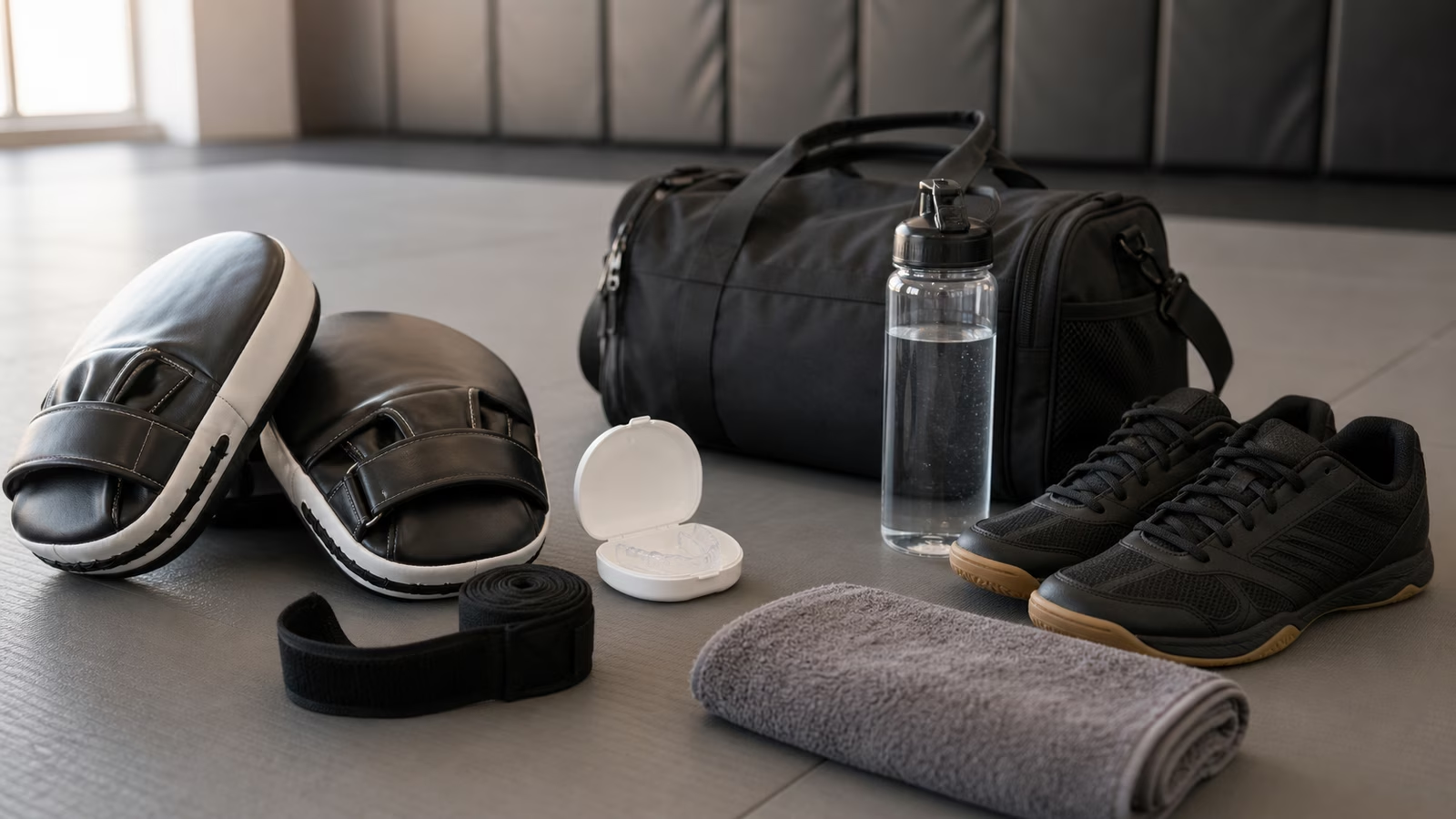
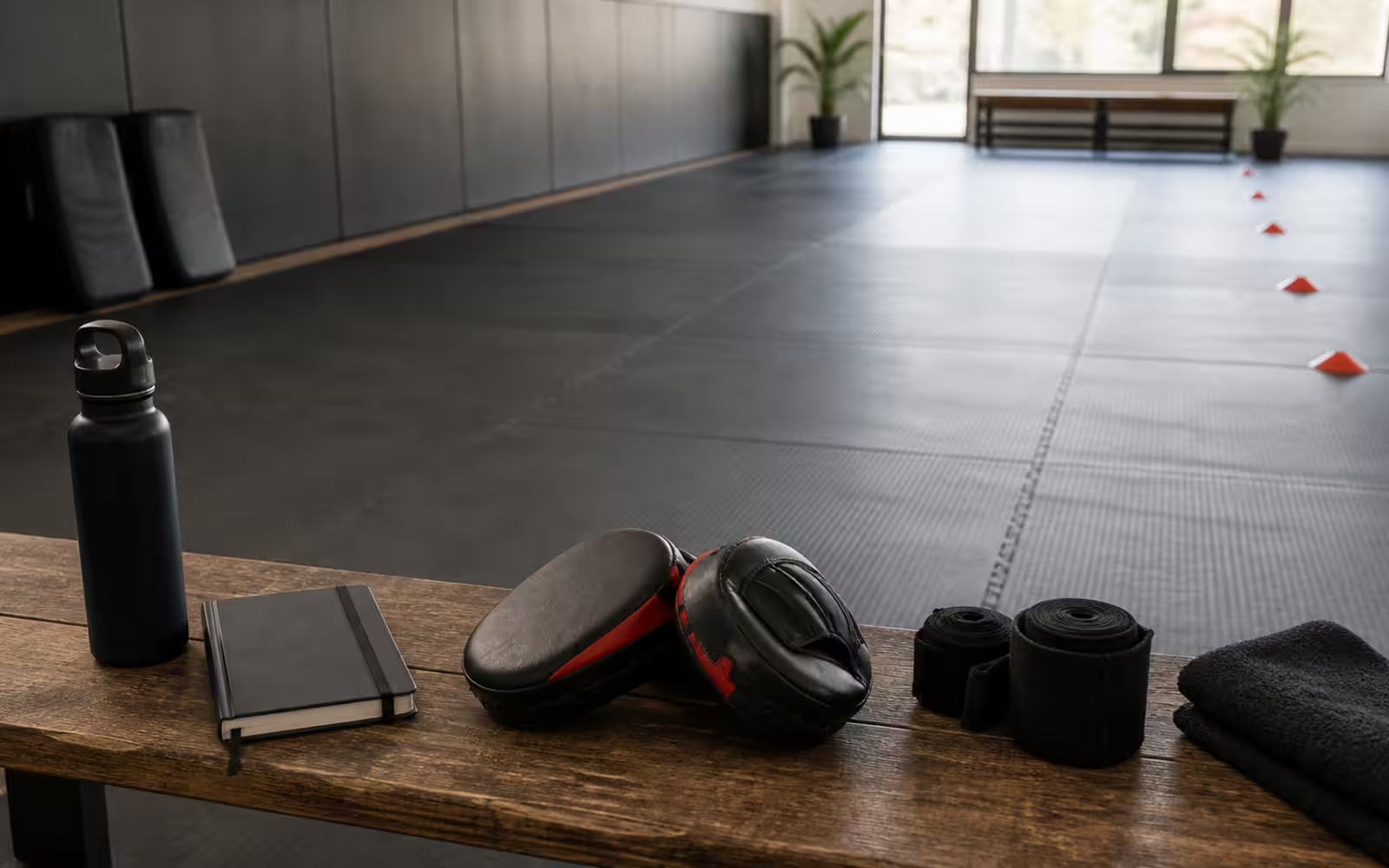
A useful training bag is simple. It holds water, wraps, a towel, any required protective gear, and perhaps a notebook. It does not need to announce a personality. It should close securely and sit where the school wants bags to sit. Bags scattered around a training floor are not just untidy. They are environmental hazards.
This connects directly to Environmental Movement in Krav Maga . A bag on the floor can become a trip point, a blocked path, or a reminder that everyday objects change movement. In class, that lesson may be deliberate. At the edge of the mat, it should not be accidental. Put your bag away from drills unless the instructor has made it part of the training.
A notebook can be one of the best items in the bag. It does not protect your knuckles or make impact louder, but it helps you remember what actually happened. Training Between Krav Maga Classes argues for recall before sweat, and gear can support that habit. A few notes after class can preserve the correction you would otherwise forget by the next morning.
Buy Slowly And Let Training Decide
The temptation to overbuy is strong because equipment gives anxiety something to do. A nervous beginner can spend hours comparing shoes, gloves, wraps, guards, bags, and training tools instead of facing the simpler discomfort of entering the room and being new. Buying feels like preparation. Sometimes it is. Often it is delay with a receipt.
Let training decide what you need. If your wrists get tired during padwork and the instructor recommends wraps, buy wraps and learn to use them. If the floor requires shoes, choose clean shoes that match the surface. If a level of contact requires a mouthguard, get one that fits and practice speaking through it. If your clothes keep interfering, adjust the clothes. Each purchase should solve a problem the class has made visible.
Avoid gear that encourages private fantasy. Weighted gloves, hard training tools, improvised weapons, and complicated solo devices can lead beginners away from feedback and toward performance. Written advice cannot evaluate every item, but the principle is steady: if a piece of equipment lets you train harder without a coach seeing the movement, be cautious. Krav Maga depends on timing, distance, partners, and judgment. Gear that removes those relationships may make you busy without making you better.
Gear Is A Courtesy To Future You
The best reason to care about gear is not image. It is continuity. Clean clothes, safe shoes, wraps that stay put, a mouthguard used at the right time, empty pockets, secured hair, trimmed nails, water, a towel, and a bag placed out of the way all make it easier to train without unnecessary interruptions. They also make you a better partner, because other people can trust that you came prepared for the shared work.
Preparation should make you calmer. When your gear is simple and sorted, the class can do what it is meant to do. You can listen to the instructor instead of fixing your waistband. You can hold pads without worrying about a watch scraping someone. You can step without your shoe sliding. You can leave your phone in the bag and notice the room. You can finish class, take a note, clean up, and return next time with less friction.
Krav Maga training should not be built around equipment, but it is always shaped by the body and the room. Gear sits at that boundary. It is ordinary, practical, and easy to overlook. Choose it slowly. Keep it clean. Let it support attention rather than replace it. Then put it down where it belongs and train.