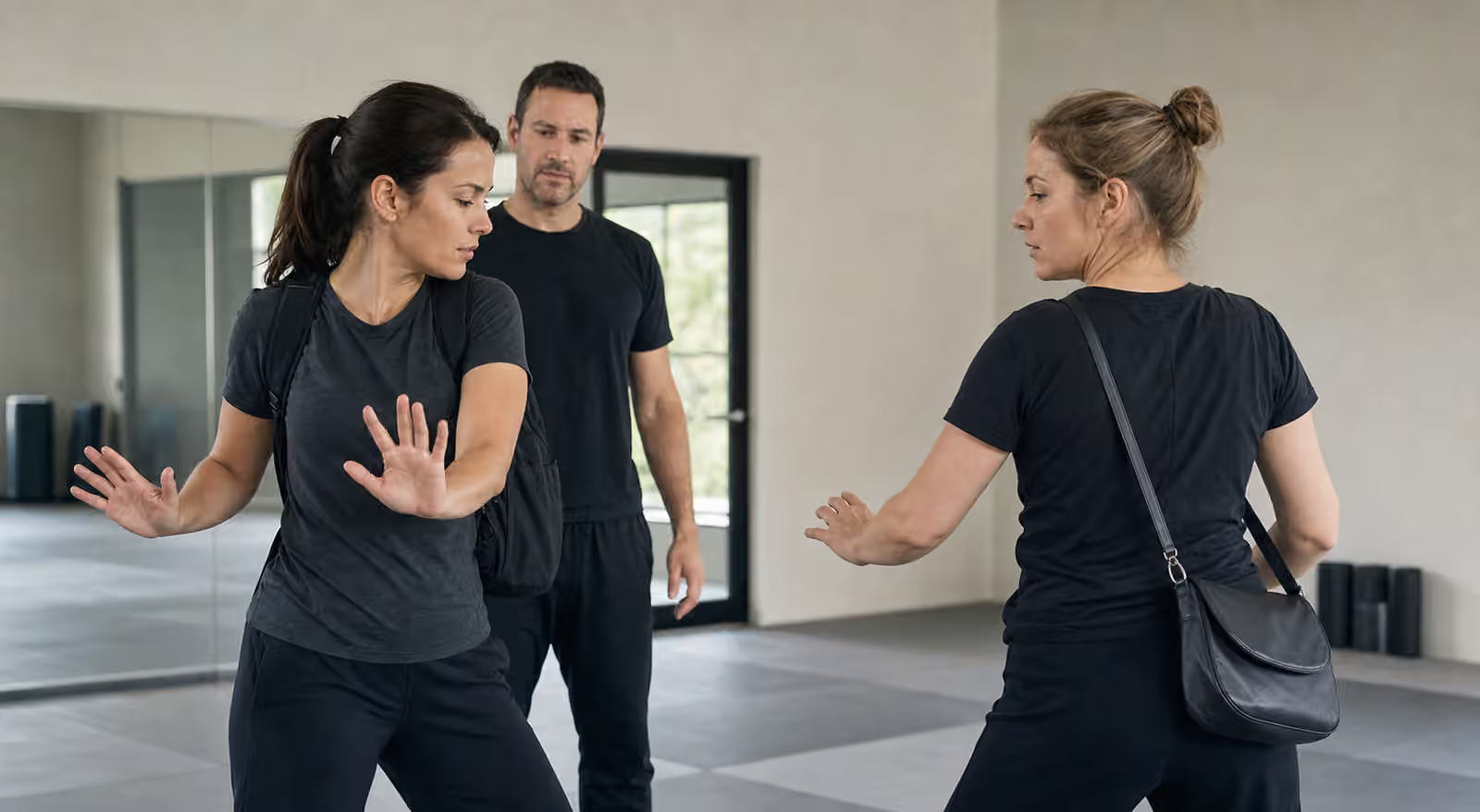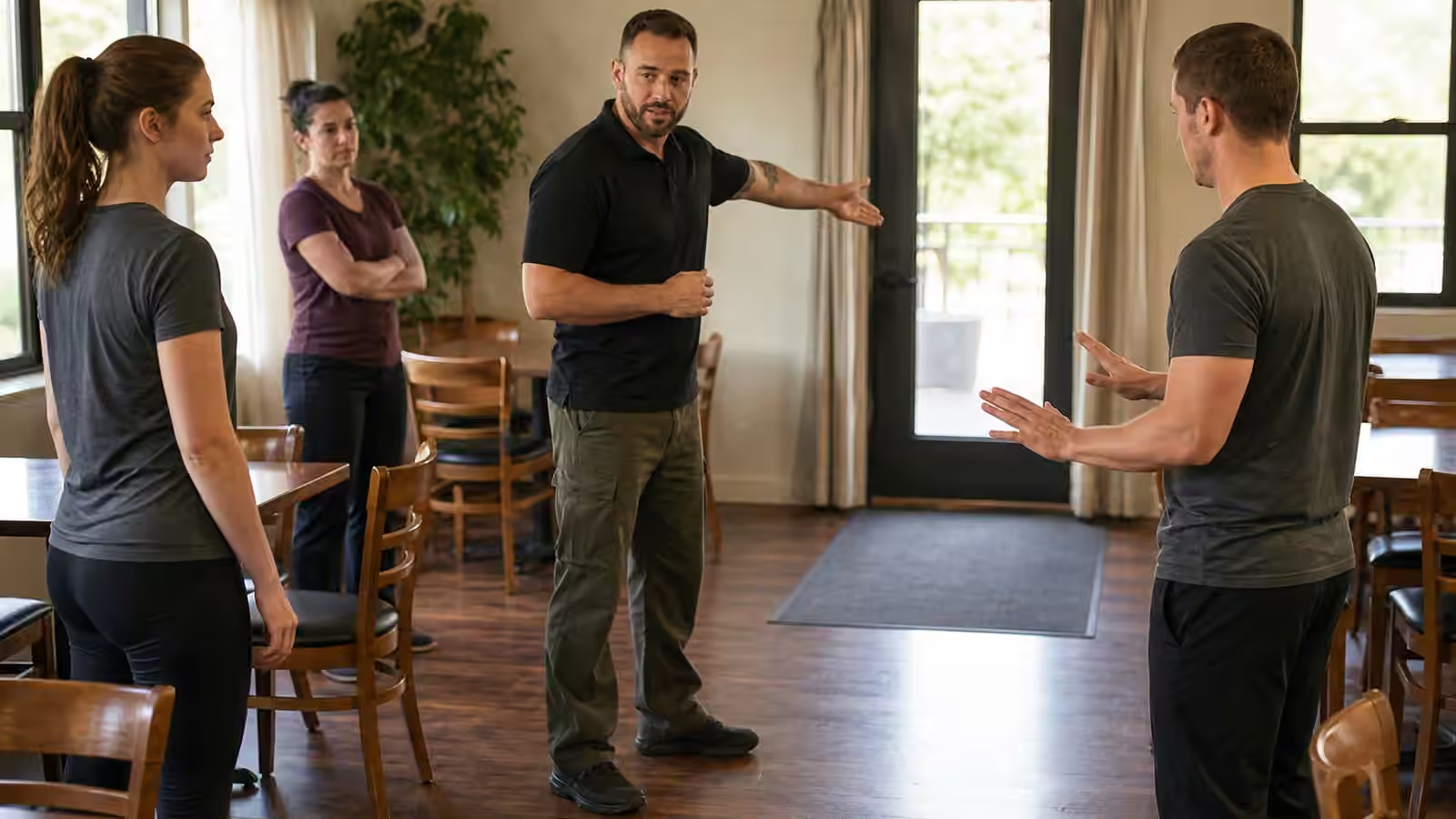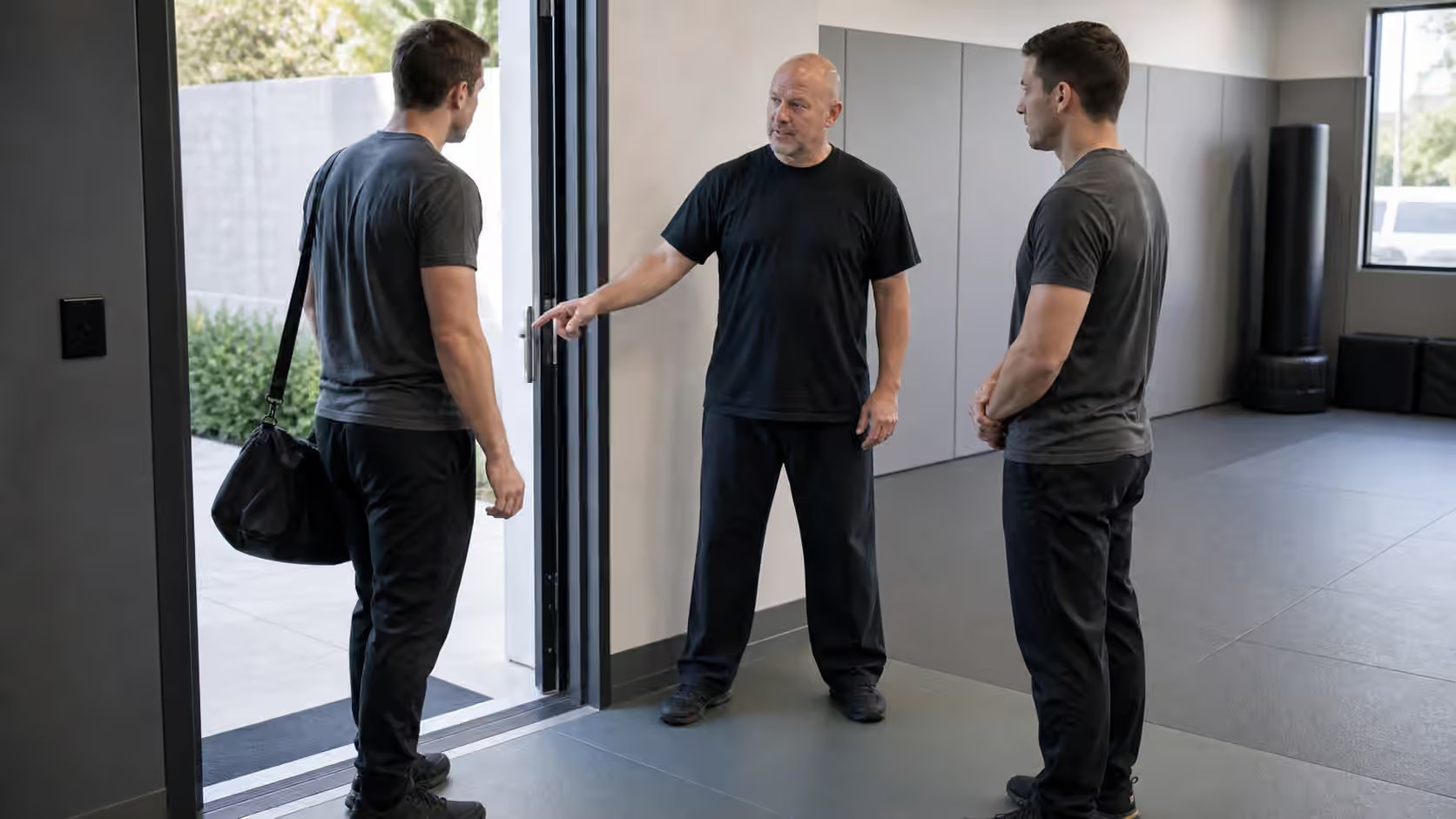
A doorway is a small place with a large effect. It decides who can pass, who has to turn, who is visible, who is blocked, and how quickly a person can leave. Most of the time, doorways are boring. That is why they are easy to ignore. A person enters while looking at a phone, carrying a bag, speaking to a friend, or thinking about the next task. The body crosses a threshold before the mind has asked what is on the other side.
Krav Maga awareness does not need to make doorways dramatic. It should make them visible. The moment before entering a narrow space is often a useful moment to slow down, see the room, free a hand, and keep an exit available without acting suspicious or strange.
Thresholds Compress Choices
Environmental Movement in Krav Maga explains how walls, corners, chairs, and exits change movement. A threshold is one of the simplest examples. It narrows the body. It makes people turn sideways with bags. It creates a line where one person may block another without much effort. It can also hide what is just beyond the frame.
This does not mean every doorway is dangerous. Most are not. The training point is smaller and more practical: entering is a decision. If the student learns to notice that decision in class, they may stop drifting through narrow spaces on autopilot. That pause can be as simple as looking up before opening a door, checking whether someone is standing too close on the other side, or letting a crowded entry clear before stepping into it.
Doorway awareness also includes leaving. Many people enter a room and immediately give away the exit. They stand with their back to the door, place a bag where it slows them down, or move deeper into a space before understanding the layout. In ordinary life this may be harmless. In self-defense training, it is worth asking whether the body could leave without negotiation.
Hands Matter Before the Door Opens
Doors make hands busy. One hand holds the handle. Another carries a bag, phone, keys, drink, or child’s item. The shoulder may be loaded with a backpack. A student who has learned beautiful open-hand posture on the mat may find that both hands are unavailable at the threshold.
Hands Full in Krav Maga is the natural companion to this topic. The best answer may be to free a hand before entering. Put the phone away. Shift the bag to a side that does not block the arm. Let go of something if keeping it makes movement clumsy. A hand that is busy proving ownership over an object may not be available to protect space.
Class drills can make this ordinary. A student approaches a doorway with a gym bag, pauses, looks through, shifts the bag, and enters with enough posture to move again. No villain needs to appear. The lesson is that readiness often begins with small organization before anything happens.
Visibility Is a Skill
Doorways create blind spots. A person standing just inside a room may not be visible from the hall. A stairwell landing may hide another flight. A lobby may look open from outside and crowded from the threshold. Low light can make the first step slower than expected. Bright daylight behind you can make the inside feel darker for a moment.
Elevator and Stairwell Awareness and Low-Light Parking Lot Awareness both touch this problem in different settings. The shared habit is not paranoia. It is giving the eyes a moment to work before the body commits. If the setting feels off, a person can wait, choose another route, ask for help, or leave. Those choices are easier before stepping into the narrowest part of the space.
Students can practice visibility without turning class into theater. The instructor can place cones or pads where sightlines change. One student approaches slowly and names what they can see before entering. Another stands at a conversational distance inside the room. The defender practices not crowding the threshold, not staring at the floor, and not letting the doorway trap their shoulders.
Social Pressure at the Door
Doorways carry social pressure. People behind you want to pass. Someone inside may be holding the door. A group may be entering together. A person may feel rude for pausing, stepping aside, or letting someone else go first. That pressure can make students override their own awareness because they do not want to look strange.
Krav Maga should give students permission to make small, socially ordinary adjustments. Step aside to let the crowd thin. Pretend to check a message while choosing not to enter yet. Hold the door from a position that does not pin your body. Let an elevator go. Ask a friend to wait. None of these actions needs an explanation to strangers.
Crowded Space Awareness makes the same point at a larger scale. Moving early without making a scene is often better than waiting until the only available answer is louder. At a doorway, early movement may mean changing position by one step. That small step can keep a clear path open.
Doorways in Travel, Work, and Home Routines
Thresholds appear everywhere: offices, gyms, apartment buildings, hotel rooms, parking garages, convenience stores, restrooms, stairwells, rideshare pickups, and transit stations. Each setting has its own rhythm, but the training principle remains steady. Before entering, notice. While entering, keep enough organization to move. After entering, know how to leave.
Travel and Hotel Awareness is useful because unfamiliar doorways demand more attention than familiar ones. A hotel corridor, rental apartment, or parking structure may have layouts the body does not know. Fatigue from travel can make people less observant. Luggage can occupy both hands. The doorway to a room may become the moment where a traveler needs to pause, listen, and look rather than hurry inside.
Workplace and Office Awareness adds another layer. Office doors are often social spaces. People talk in thresholds, hold doors for coworkers, gather near conference rooms, or block exits during tense conversations. Training should not make normal work life suspicious. It should help students avoid letting politeness trap posture. If a conversation needs space, step out of the doorway. If a person is crowding, use words early. If leaving is appropriate, do not stand in the narrowest place to explain why.
Home routines deserve humility. Familiar doors can make people careless because repetition feels safe. A student does not need to become anxious every time they return home. They can build simple habits instead: look up before entering, keep one hand available when practical, avoid standing with the door open while distracted, and notice whether something ordinary looks out of place. These habits should make life calmer, not smaller.
Drilling Without Drama
Doorway drills should begin gently. The instructor can mark an entry with pads or cones, assign a defender, and ask them to enter while maintaining awareness of distance, hands, and exit. A partner may stand inside at normal conversational distance. The defender uses a boundary phrase if the partner closes too much. The round ends when the defender steps to better space or chooses not to enter.
The role player should not jump out, slam doors, or turn the drill into a haunted house. Surprise can be trained later under strong supervision, but beginners need the ordinary skill first. They need to feel that a pause is allowed, that looking is allowed, that leaving before entering is allowed, and that a doorway is not a place to surrender posture.
Scenario Role-Play in Krav Maga is relevant here because the temptation to dramatize thresholds is strong. A small, believable scene teaches more than a performance. A person standing too close in a doorway is enough. A bag in the hand is enough. A friend walking ahead is enough. The drill should ask the student to make one clear decision and then debrief it.
The Moment Before
Threshold awareness is not about fear. It is about respecting the moment before commitment. Before entering, the student can still choose the pace, free a hand, step aside, wait, speak, or leave. After entering, those choices may still exist, but the room has more influence.
The best Krav Maga habits often look like nothing. A glance. A pause. A shifted bag. A step to the side. A clear sentence. A decision not to enter yet. These are not dramatic techniques, but they may keep the dramatic techniques unnecessary.
A doorway is just a doorway until it changes movement. Training helps the student notice that change while there is still time to make a quiet choice.