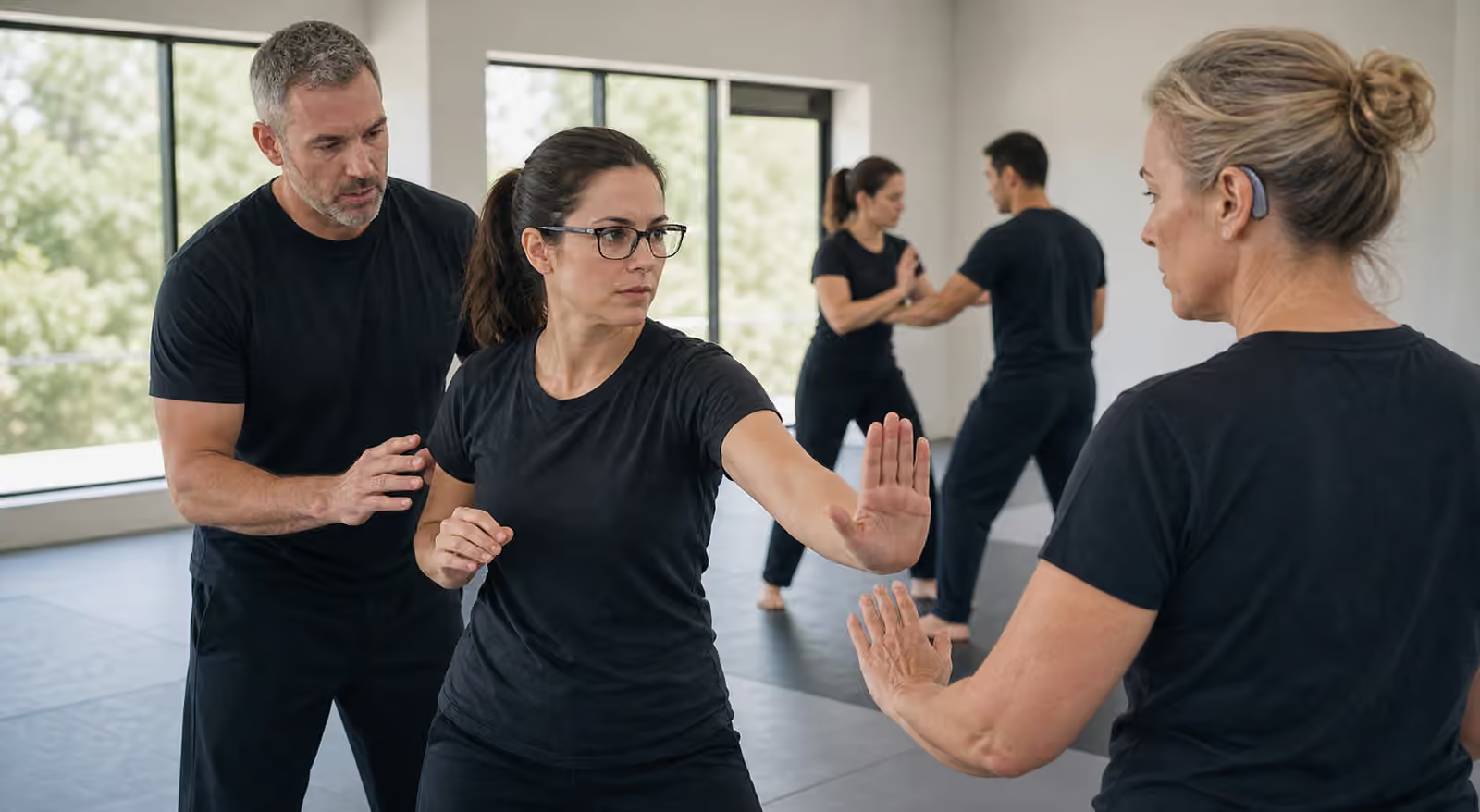
Returning to Krav Maga after a break can feel stranger than starting for the first time. A beginner expects to be new. A returning student remembers how certain movements once felt and then meets a body that has changed. Timing is late. Breath runs out sooner. The stance feels familiar until the feet start moving. The student may know the vocabulary but not trust the rhythm. That gap can create frustration if the return is treated like a test of identity instead of a rebuilding process.
The break may have been caused by work, family, money, injury, illness, travel, burnout, a move, or simple loss of momentum. The reason matters less than the first decision back: train the body you brought today. Do not punish it for the months it missed. Do not pretend nothing changed. A good return is not a dramatic comeback. It is a careful re-entry into attention, partners, contact, and recovery.
Recovery, Soreness, and Training Frequency belongs near the front of this topic because the first weeks back are often measured less by enthusiasm than by recovery. The student may feel mentally ready to train four nights a week and physically ready for one or two. That is not weakness. It is information. Krav Maga rewards consistency more than short bursts of intensity that make the next week impossible.
The First Class Back Is A Check-In
The first class back should be treated as a check-in, even if the student remembers the material. The room may have changed. The instructor may have adjusted language. New students may not know your history. Old partners may assume you can move the way you used to. Your own body may give mixed signals. Warmups can feel easy at first and expensive ten minutes later.
Tell the instructor you are returning after time away. If there were injuries or medical issues, speak carefully and follow appropriate professional advice where needed. A guidebook cannot clear anyone for training or diagnose pain. It can say that silence is a poor strategy. The instructor cannot help pace a drill if they do not know that you are rebuilding.
Training Around Injuries and Limits offers useful language here. Even when the break was not caused by injury, limits still deserve names. A returning student may need to avoid hard sprawls for a few classes, lower the speed of pad rounds, skip neck-pressure work, or take more space during conditioning. Naming a limit early is better than discovering it through a bad repetition.
Memory Can Be Misleading
Skill memory is helpful, but it can also trick the returning student. The mind remembers the old version of the movement and expects the body to deliver it. The body remembers pieces: the stance, the angle, the hand path, the sound of a pad, the coach’s cue. Under speed, those pieces may arrive out of order. The student then feels clumsy in a way that seems personal.
This is where humility becomes practical. Slow down enough to rebuild the sequence. Let the stance return before power. Let footwork return before combinations. Let breathing return before pressure. Footwork and Balance may be a better restart than the flashier material because balance is where old habits and new stiffness meet.
The returning student should also expect emotional residue. It can be embarrassing to be corrected on something you once did well. It can be tempting to overperform so nobody sees the gap. It can be tempting to tell every partner that you used to be sharper. None of that helps much. The cleaner approach is to train like a serious beginner with better context. You know enough to listen closely. Use that advantage.
Partners Need The Current Version
Partner work is where the return becomes shared. A partner does not need the story of your whole training history. They do need the current version of your speed, contact tolerance, and stop signals. If you are rebuilding, say so plainly. “I am coming back after a break, so I am keeping this light.” That sentence can prevent a lot of awkwardness.
Partner Work in Krav Maga is useful because returning students often carry assumptions about how contact should feel. A familiar drill may invite familiar intensity before the body is ready. The partner may feed too fast because your movement looks confident. You may feed too fast because you remember being comfortable there. Both people need permission to keep the drill honest at today’s level.
Padwork can reveal this quickly. The first few strikes may feel good because impact is satisfying. Then the shoulders tighten, the breath disappears, and the wrists start asking questions. Padwork and Pressure teaches that impact is feedback, not proof. A returning student should read that feedback carefully. If power breaks structure, lower the power. If the feet stop, simplify the round. If breathing collapses, pause and reset.
Conditioning Is Not Skill By Itself
Many returning students try to solve the gap with conditioning. They assume that if they get tired enough, they are doing the honest work. Fitness matters, and Krav Maga can be physically demanding, but exhaustion is not the same as rebuilding skill. A student who comes back too hard may spend the whole class surviving fatigue and miss the corrections that would actually restore movement.
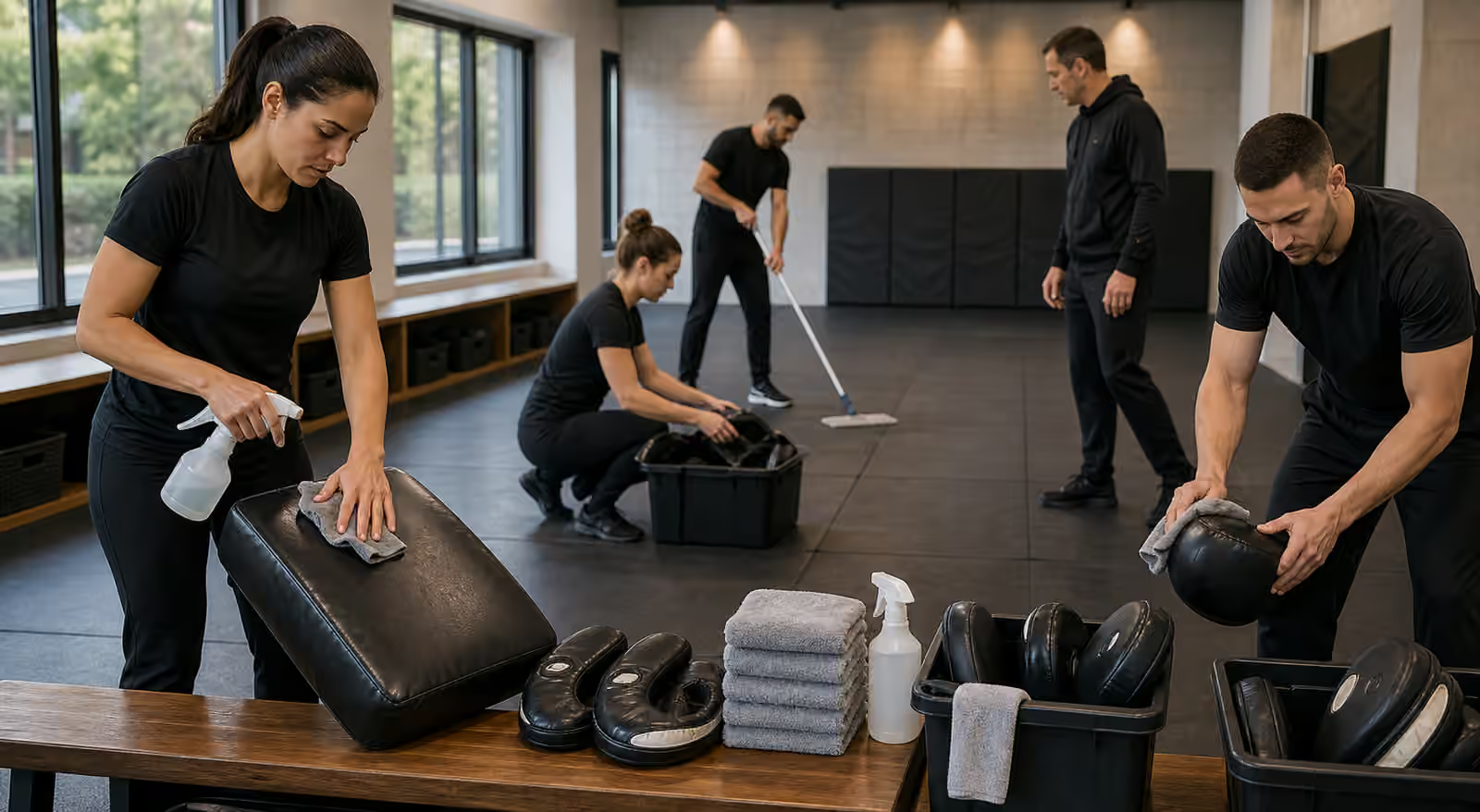
Conditioning for Krav Maga makes this distinction directly. The first month back should use conditioning to support skill, not bury it. If the warmup empties the tank, the technical work will be noisy. If every drill becomes a private proof of toughness, partners may become props in a comeback story. Neither helps the room.
A better measure is repeatable quality. Can you keep your stance through the last round? Can you recover your breath quickly enough to hear instruction? Can you hold pads safely for someone else even when tired? Can you stop before sloppy contact? These are quieter than a dramatic workout, but they are more useful signs that the return is working.
Rebuild The Map, Not Just The Moves
Time away can narrow a student’s memory to techniques. They remember the palm strike, the knee, the grab release, or the ground recovery. They may forget the larger map: awareness, distance, voice, exits, safety culture, and aftermath. Returning is a chance to rebuild that map instead of chasing favorite movements.
Krav Maga Quickstart is not only for new students. It can remind a returning student what the first month was supposed to teach. Notice sooner. Make space. Keep balance. Protect the head. Use the voice. Leave when leaving is available. Those ideas do not expire during a break. They may actually be the easiest way back because they give the student a calmer frame than “I need to be where I was.”
This is also a good time to revisit Progress Without Chasing Intensity . Progress after a break may look like leaving class with enough energy to return, asking one clear question, accepting a correction without defensiveness, choosing a lighter partner, or stopping a drill early before irritation becomes injury. Those are not consolation prizes. They are mature training decisions.
The Ego Of Returning
The hardest part of returning may be ego. A new student can enjoy small wins because expectations are low. A returning student may compare every moment to an old version of themselves. That old version may not even be accurate. Memory edits out bad classes, sloppy reps, and days when the body felt heavy. It preserves highlights and then uses them unfairly.
The antidote is attention to the actual class. What did the instructor ask for? What did the partner need? What did the drill reveal? What did the body do when tired? Using Corrections in Krav Maga helps here because corrections can feel sharper when you believe you should already know. In reality, correction is one of the fastest ways back into the room.
The returning student should avoid using advanced history to skip beginner discipline. If the coach slows the drill, slow the drill. If the class is working stance, work stance. If the partner is new, feed responsibly. If the room is reviewing safety signals, practice them sincerely. Experience should make a student easier to train with, not harder.
A Sustainable Return
A sustainable return has a simple shape. Start with fewer classes than your enthusiasm wants. Keep notes after training. Watch for soreness that changes movement rather than normal training fatigue. Ask the instructor which fundamentals deserve attention. Rebuild partner trust. Let speed and contact return after structure, not before it. Leave enough recovery that the next class does not begin in debt.
There is no universal timeline. A person returning after two months is different from a person returning after two years. Age, stress, sleep, work, previous injuries, and current fitness all matter. The principle is still steady: the body earns intensity through repeatable control. Krav Maga training is supposed to make a person more capable and more honest, not more willing to ignore information.
Coming back can be humbling, but it can also be clarifying. The student knows now that training can be interrupted. That knowledge can make each class more practical. The goal is not to reclaim an old identity in one week. It is to rebuild the habits that made the training useful in the first place: attention, balance, voice, partner care, recovery, and the discipline to keep showing up at a pace that lets learning continue.