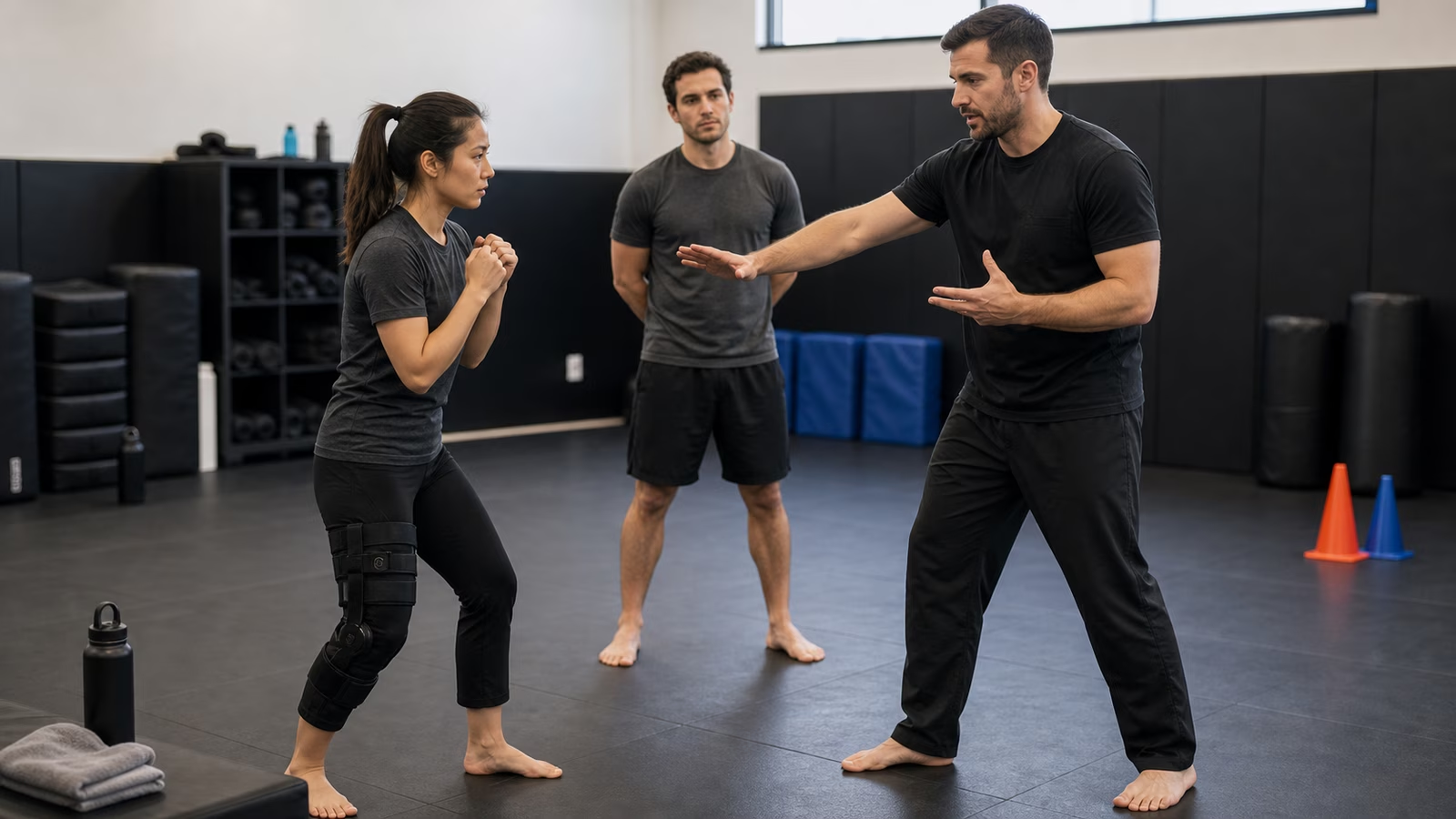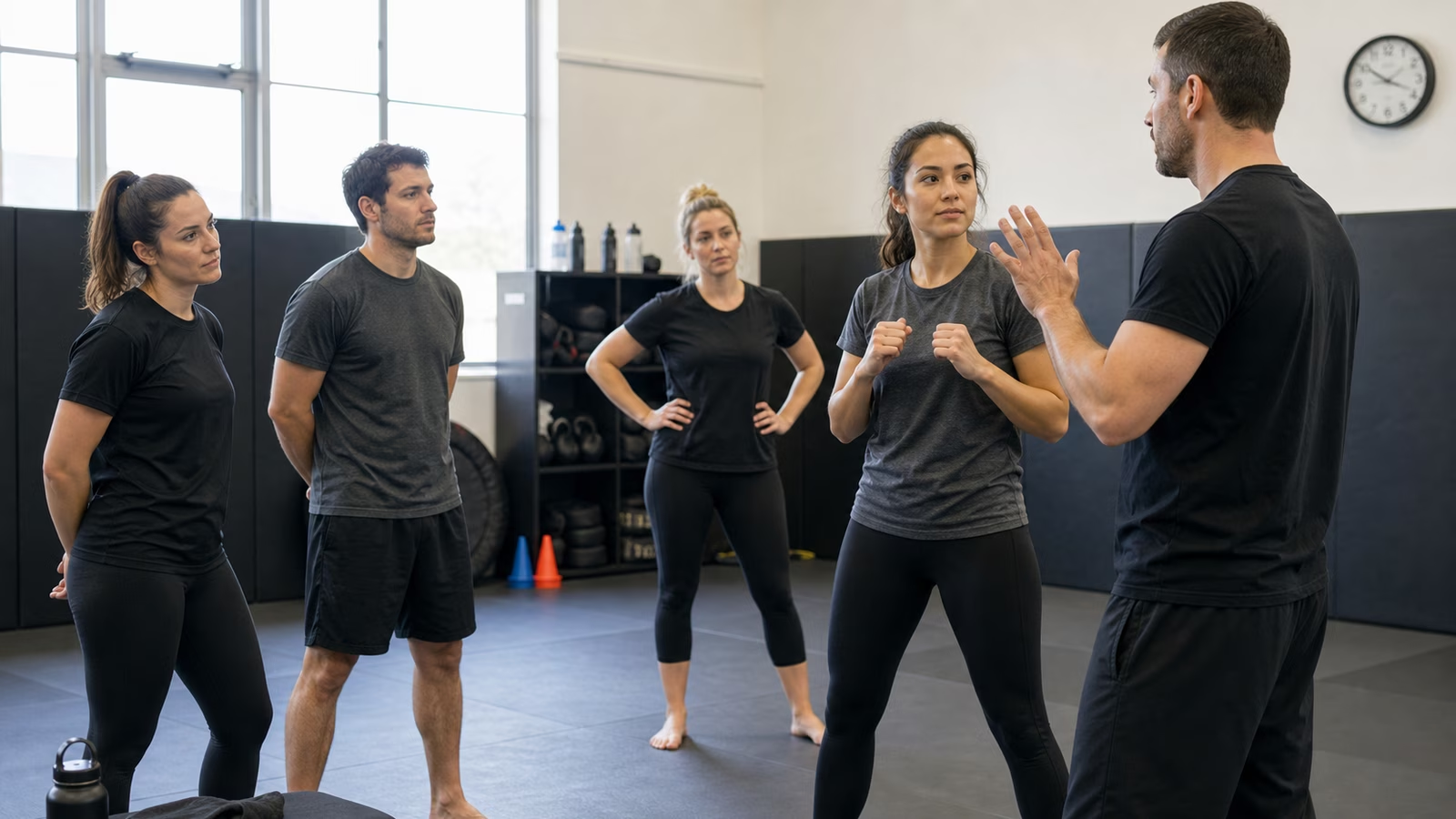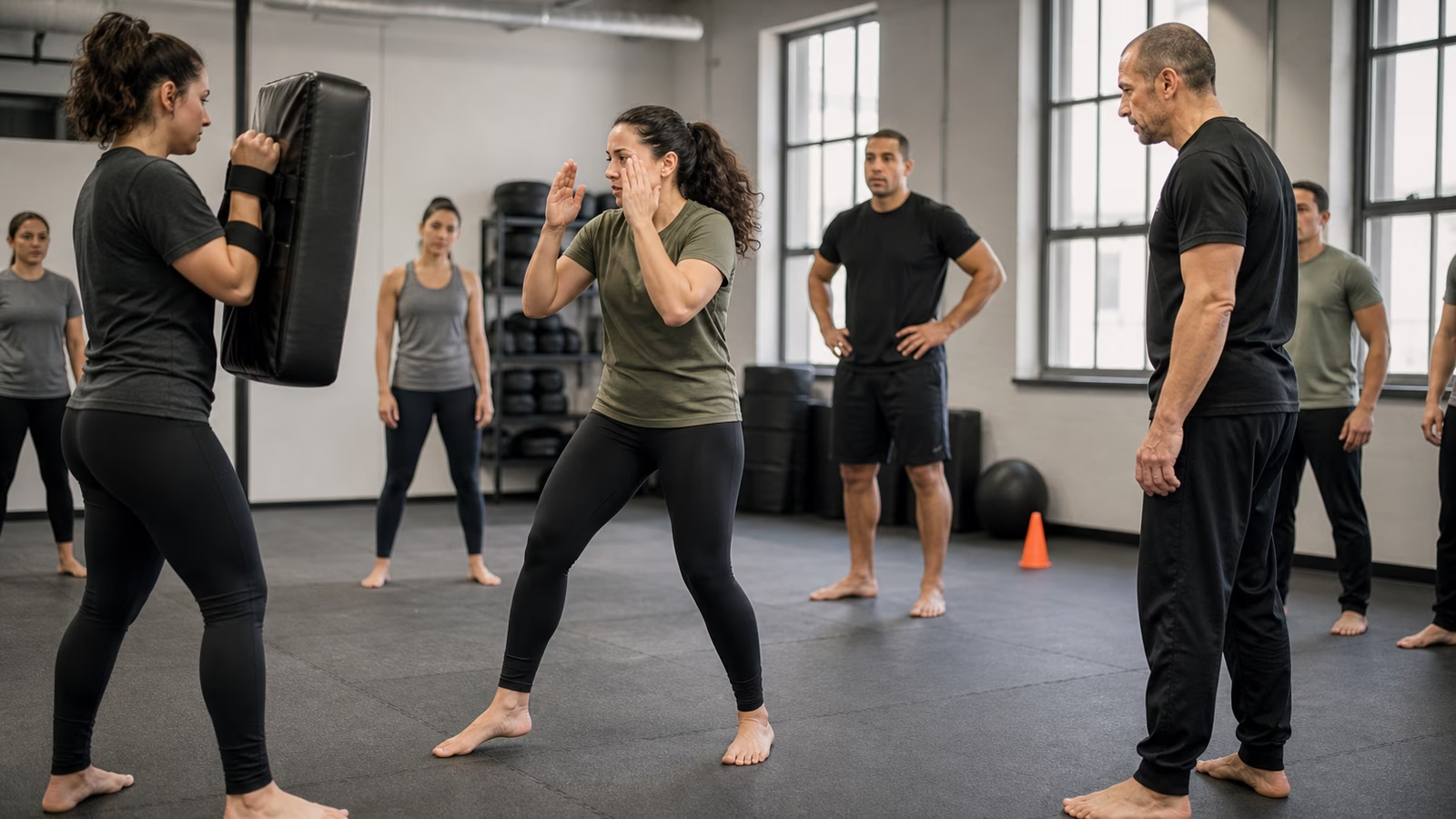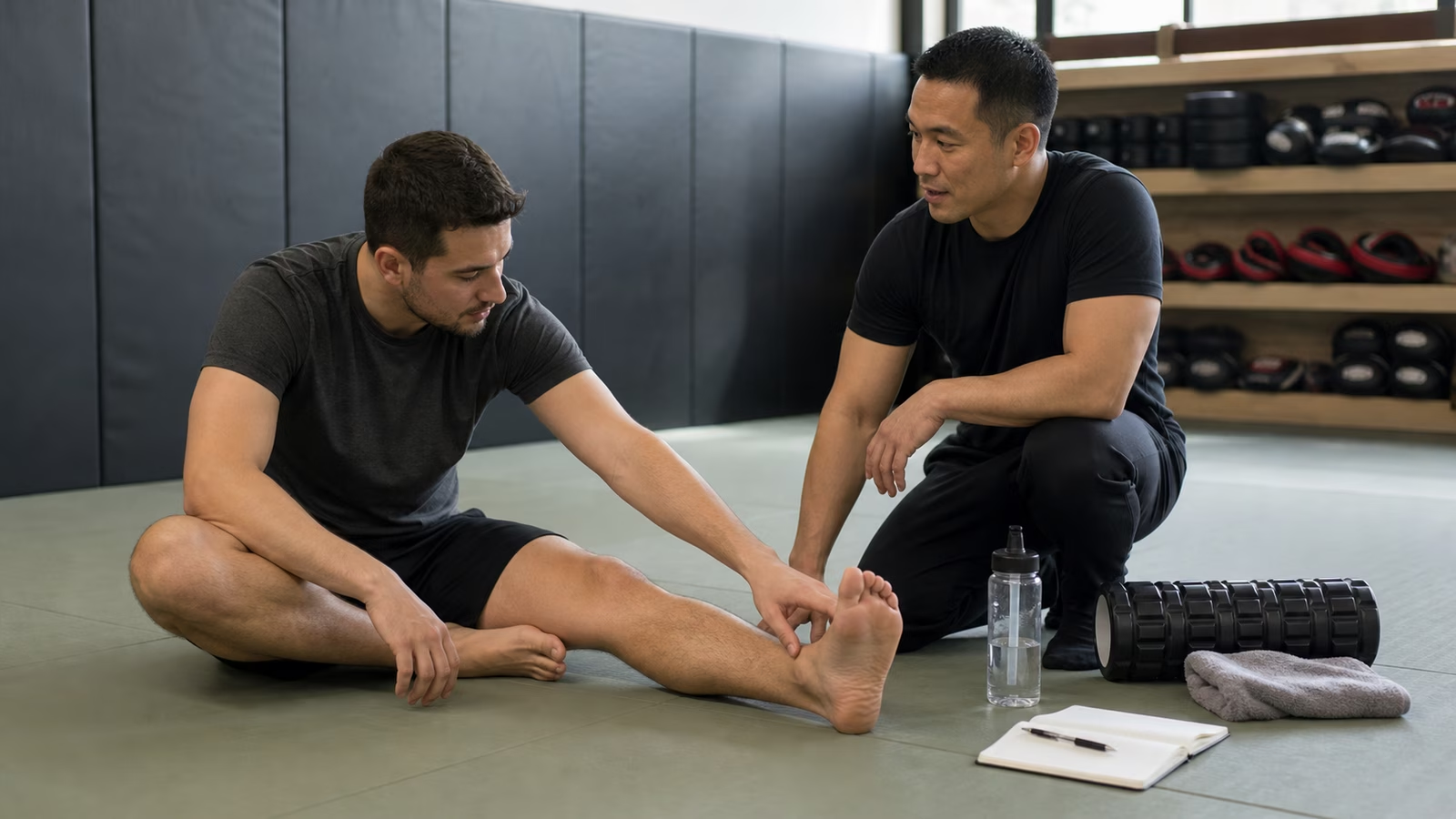
Recovery is one of the first serious lessons in Krav Maga, even though beginners rarely recognize it as training. The obvious parts of class are louder. Pads crack. Partners move. The instructor calls time. People sweat, breathe hard, and discover that simple movements feel different when stress is added. Then class ends, the room quiets down, and the body begins explaining what actually happened.
For a new student, that explanation can be confusing. You may feel fine walking out of the studio and stiff the next morning. Your shoulders may be tired from holding pads. Your legs may feel heavy from stance work. Your forearms may complain from tension you did not notice during class. Even your jaw or neck can feel strange if you clenched under pressure. None of that means the class was wrong for you, but it also does not mean every ache should be ignored.
Krav Maga has a reputation for intensity, and that reputation can make beginners misread soreness as proof of success. A hard class feels meaningful. A tired body feels like evidence. But soreness is a blunt signal. It can mean you trained a new pattern, held tension too long, moved more than usual, slept poorly, warmed up badly, or pushed beyond useful quality. It can also be the first hint that something is irritated. The skill is learning to listen without becoming fragile and to respect the body without becoming afraid of effort.
Soreness Is Not the Score
The problem with using soreness as a scorecard is that it rewards the wrong behavior. Anyone can get sore by doing too much too soon. That does not mean they learned better distance, safer movement, cleaner pad contact, calmer breathing, or sharper judgment. A beginner can leave class exhausted and still have practiced mostly panic. Another student can leave less sore and have made real progress because they moved with better timing, stopped tensing their shoulders, asked for useful feedback, and recovered faster after pressure.
Delayed muscle soreness often arrives a day later because the body met unfamiliar work. That is normal in many forms of training. Krav Maga adds another layer because stress changes how people move. A beginner may over-grip, over-stride, hold the breath, brace the neck, and strike pads as if every repetition needs to prove commitment. That extra effort is expensive. It creates fatigue without always creating skill.
A useful question after class is not simply whether you are sore. It is whether the soreness makes sense. If your legs are tired after footwork, that may be ordinary adaptation. If one knee feels sharp, unstable, or worse with ordinary movement, that is different. If your shoulders are generally worked from pad holding, you can learn from it. If one shoulder has pain that changes your range of motion, you should treat it with more caution and seek proper advice when needed. The body gives different kinds of messages, and serious training requires enough patience to tell them apart.
Frequency Should Match Recovery
Beginners often ask how many times a week they should train. The honest answer depends on age, sleep, fitness background, injury history, class intensity, work stress, and how well the student can stay technical when tired. Two classes a week can be excellent for a beginner if the classes are focused and recovery is good. One class a week is still worthwhile if that is what life allows. Three classes a week may work for someone with a strong base and good pacing. More is not automatically better.
Training frequency should be judged by what it does to the next session. If you return able to listen, move cleanly, respect partners, and learn, the schedule may be sustainable. If you arrive already depleted, hide pain, move worse every class, or dread the room because your body never catches up, the schedule is probably too much for now. A plan that looks ambitious on paper can become a slow way to quit.
Krav Maga also asks for emotional recovery. Scenario work, pressure drills, contact, loud rooms, and close-distance practice can leave people mentally tired. That fatigue is real. A beginner may not be physically injured and still need a slower week because the nervous system is overloaded. Good training develops tolerance, but tolerance grows through cycles of stress and return. Constant pressure without return teaches the body to stay guarded.
Rest Days Are Where Class Becomes Useful
A rest day is not wasted time. It is where the body repairs, the mind sorts patterns, and small lessons settle into something usable. Students sometimes imagine improvement happening only during the hour they are on the mat. In reality, the class gives the signal and recovery makes adaptation possible.
On a rest day, the best work is usually simple. Walk. Sleep. Hydrate. Eat enough. Move stiff joints gently. Notice whether anything feels worse instead of better. Review one idea from class without turning the day into a secret second workout. If the instructor gave a specific homework drill that is safe to practice alone, do it slowly and briefly. If not, do not invent high-speed self-defense routines in the living room. A tired beginner practicing poorly can rehearse exactly the habits they are trying to replace.
Sleep deserves special respect. A student who is short on sleep is not merely less energetic. They are often less coordinated, less patient, more reactive, and more likely to misread partner pressure. In a self-defense class, that matters. The room depends on people being alert enough to control contact and humble enough to slow down when control fades.
The First Month Is a Calibration Period
The first month should teach you how your body responds to the school, not just how the curriculum works. Some classes are technical and measured. Some are conditioning-heavy. Some involve more partner contact. Some emphasize scenarios. The same student can handle these differently. Until you know the pattern, it is wise to leave margin.
Beginners who come from running, lifting, team sports, or other martial arts may still need adjustment. Fitness does not automatically transfer to stress, padwork, or the stop-start rhythm of self-defense drills. A strong person can still over-tense. A fast person can still lose balance. A flexible person can still fatigue under pressure. Humility in the first month prevents many avoidable problems.
This does not mean training timidly. It means collecting information. How do you feel the next morning after class? How long does stiffness last? Do you recover better with a day between sessions? Does a certain drill leave you more sore than expected? Are you holding pads in a way that strains your wrists? Are you breathing or clenching? These observations are not excuses. They are the data that helps you train like an adult.
Soreness Can Teach Technique
Soreness often points toward hidden tension. New students may discover their traps and neck are sore after drills that should mostly involve stance, hips, and structure. That may mean they were raising the shoulders, bracing against every sound, or trying to win the drill with stiffness. Forearm fatigue can come from gripping too hard. Lower back discomfort can come from leaning, twisting badly, or trying to generate force without support. Heavy calves may reflect bouncing rather than grounded movement.
The goal is not to diagnose yourself from soreness alone. The goal is to bring better questions to class. Tell the instructor what you noticed. Ask whether your pad position looked tense. Ask whether you are overreaching. Ask whether your stance is too narrow or too rigid. A good instructor can often see the habit quickly. One small correction can reduce the cost of training and make the next class more useful.
Recovery and technique are linked. Clean movement is usually more repeatable. It wastes less energy and creates fewer strange aches. As beginners improve, they often find that class can still be challenging without leaving them as wrecked as it did at first. That is not because they are trying less. It is because less effort is leaking into unnecessary tension.
When to Step Back
Some signals deserve caution. Sharp pain, swelling, numbness, dizziness, pain that changes your normal movement, symptoms that worsen across days, or anything that makes you feel unsafe should not be treated as ordinary soreness. A Krav Maga instructor can modify class, but medical questions belong with qualified professionals. The tough choice is often not whether to train forever or quit forever. It is whether to skip one drill, take a lower-impact version, rest a few days, or get advice before making a small problem larger.
Stepping back can feel embarrassing, especially in a room built around pressure. But good self-defense training should make people better at recognizing danger, including danger created by ego. If your body is clearly warning you, ignoring it is not courage. It is poor judgment in athletic clothing.
The best students become easier to coach because they are honest. They say when something hurts. They ask for a modification. They stop when contact gets sloppy. They do not demand that every class prove their identity. That honesty protects partners, keeps the room calmer, and lets training continue for years instead of weeks.
Sustainable Training Is the Real Test
Krav Maga is often marketed around urgency, and urgency has its place. People train because bad moments can happen quickly. But the practice itself improves through consistency. Consistency requires recovery. A student who trains at a sustainable pace for a year will usually learn more than a student who burns through six heroic weeks and disappears.
The quiet test is whether your training life can survive ordinary life. Work gets busy. Sleep gets uneven. Family obligations appear. Old injuries speak up. Motivation rises and falls. A good schedule can bend without breaking. It lets you train harder in strong weeks and reduce intensity when the body needs it. It treats rest as part of the plan rather than a failure of the plan.
Soreness will come and go. Some weeks will feel clumsy. Some classes will be heavier than expected. Recovery gives you a way to keep learning through all of that. It teaches you to notice, adjust, return, and build skill without turning the body into the enemy.
The beginner who learns recovery early is not taking Krav Maga less seriously. They are taking it seriously enough to stay.