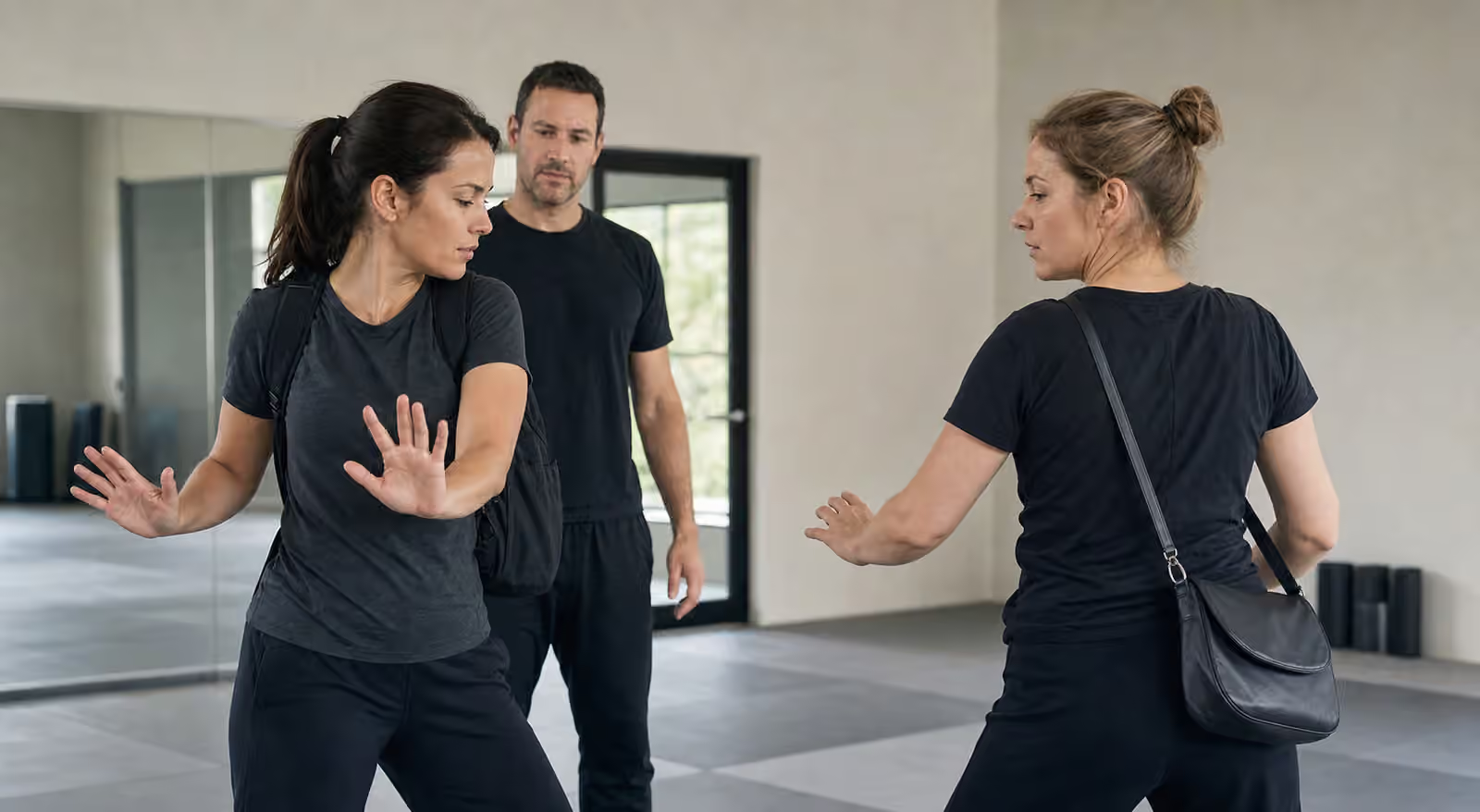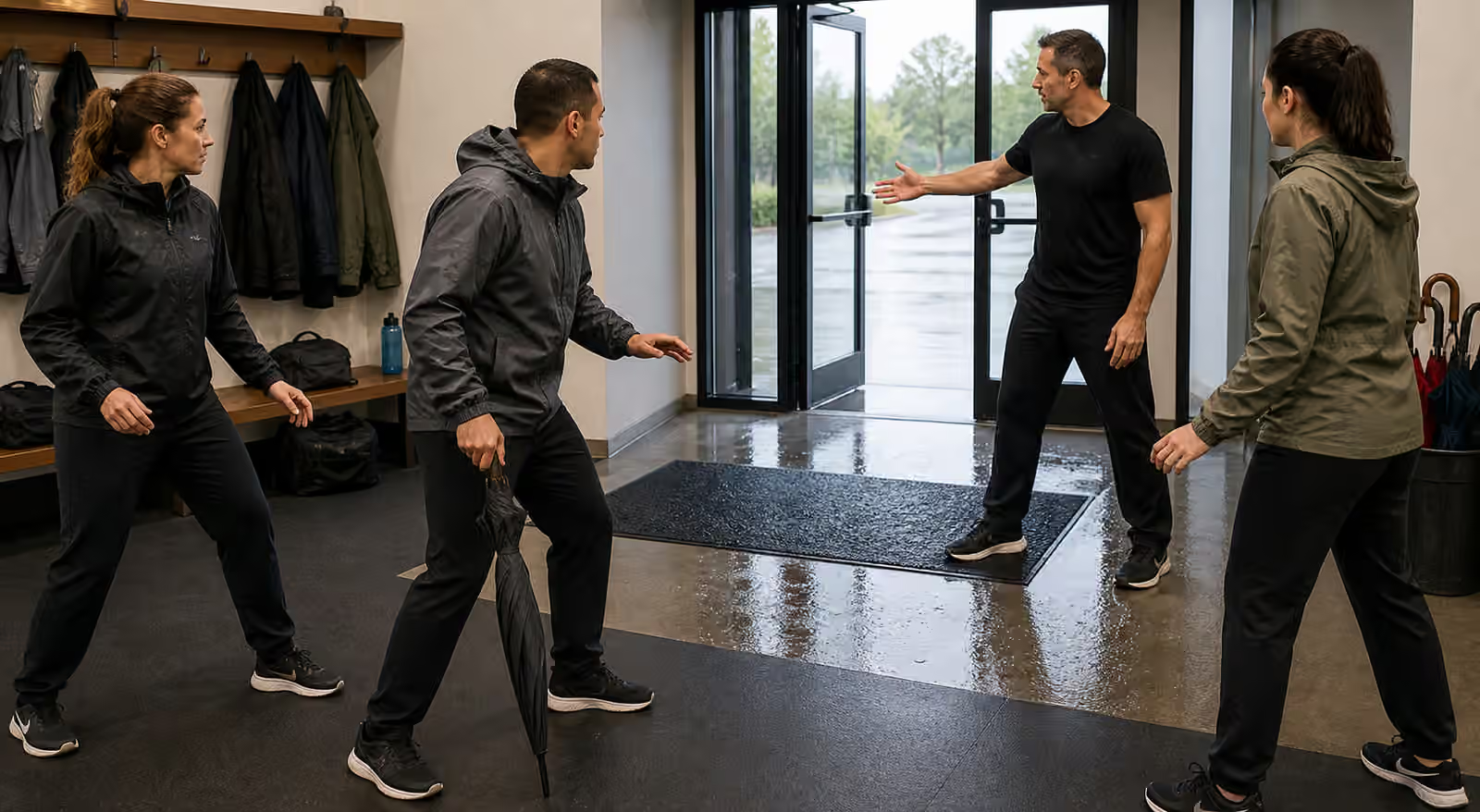
Bad weather changes self-defense before anyone says a word. Rain puts hoods over ears, water on floors, umbrellas in hands, fog on glasses, coats across shoulders, puddles near curbs, and impatience in everyone who wants to get inside. The same person who moves well on a dry mat may become narrow, hunched, one-handed, and hurried at a wet doorway.
Krav Maga training should care about that. Not because rain creates a special category of danger, but because it reveals how much everyday awareness depends on the floor, the hands, the eyes, and the willingness to slow down before balance is gone.
Weather Makes People Late
Rain encourages hurry. People lower their heads, rush through doors, crowd under awnings, shake umbrellas near entrances, and step into lobbies with less patience than usual. The mind wants the discomfort to end, so it treats the doorway as the finish line. In awareness terms, that is exactly when the scene can become messy.
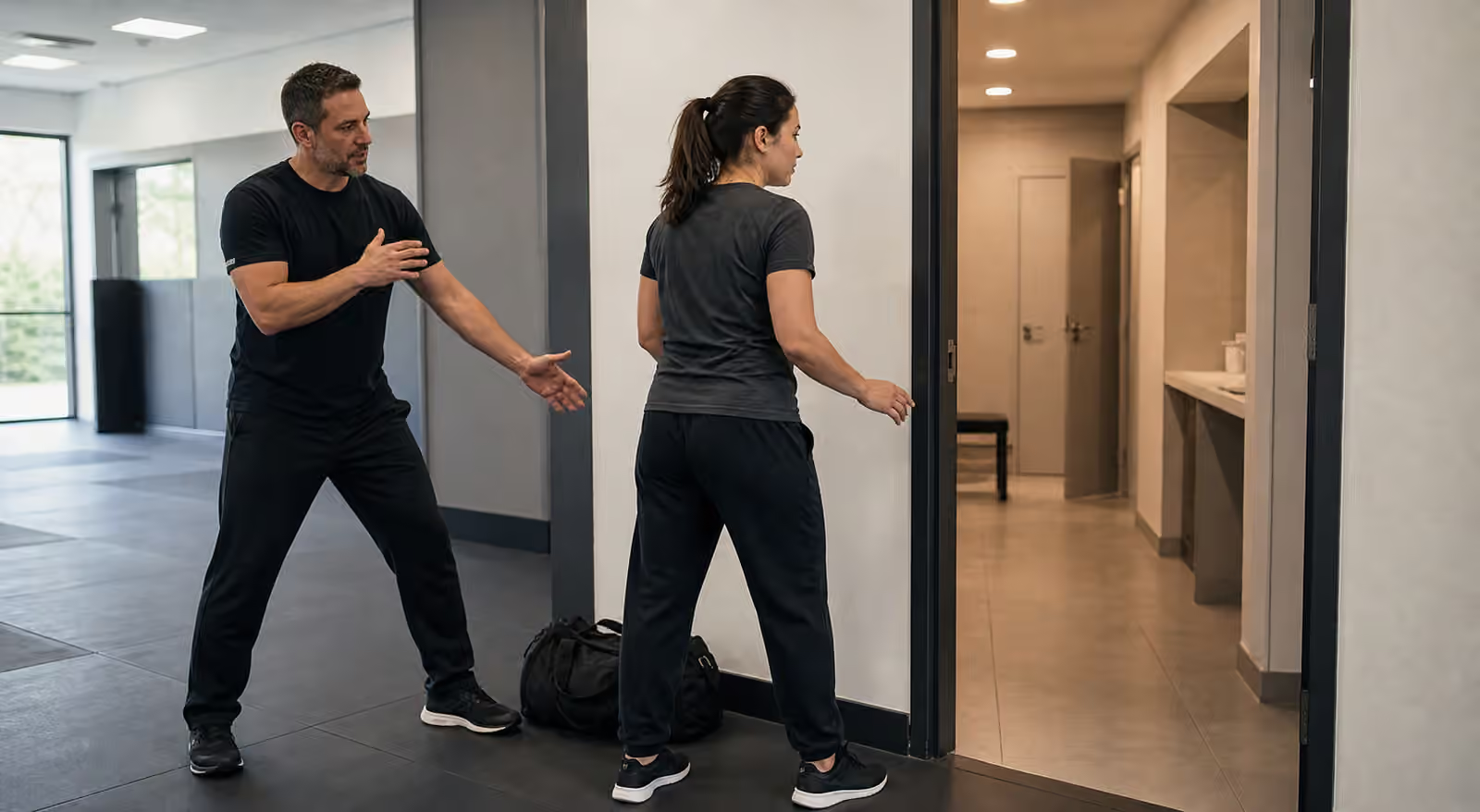
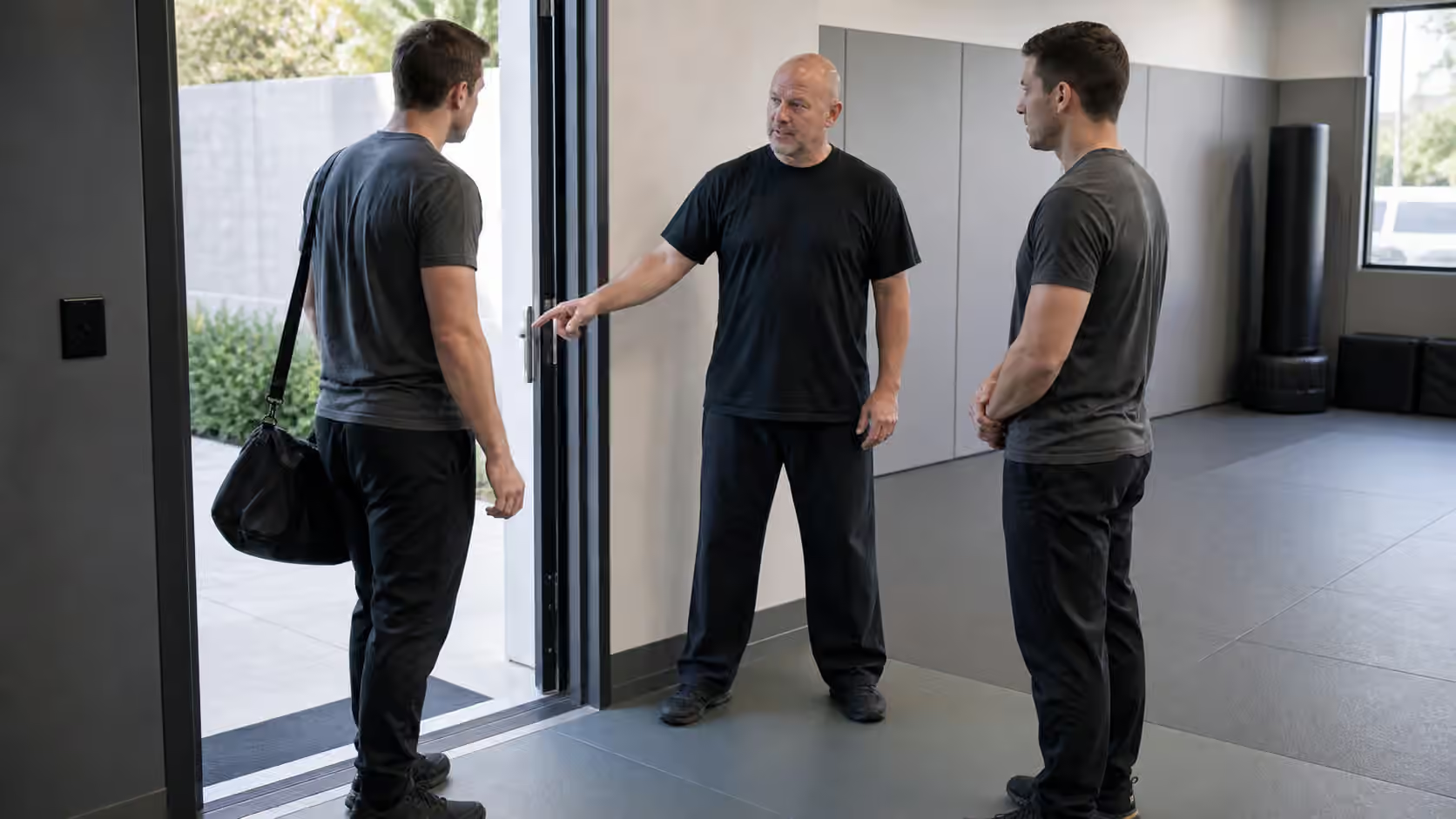
Threshold and Doorway Awareness applies strongly here. A wet doorway is still a threshold, but it adds more friction. People may stop just inside to fold umbrellas. Others may push in from behind. The mat may slide. A bag strap may slip off a wet coat. A hood may block peripheral vision. The open lane may be present for one second and crowded the next.
The useful habit is not scanning like a guard. It is taking one extra beat before entering, freeing one hand when possible, and choosing the side of the doorway that lets others pass. A student who slows down before the threshold may actually move better than the person rushing to escape the rain.
Umbrellas Occupy More Space Than Hands Admit
An umbrella is not just an object in the hand. It creates a circle around the body. It blocks sight, drips water, catches wind, and can become awkward in a crowd. A closed umbrella can swing into a leg or become something the student refuses to drop because it feels like property. An open umbrella can make distance feel larger than it is because the fabric touches the world before the body does.
Hands Full in Krav Maga is the natural companion. The umbrella should not own the student. If it prevents movement, it may need to close. If it catches on another person, the student may need to apologize and move instead of becoming defensive. If a conversation is closing distance, the student may need to shift the umbrella away from the center line and use voice before the object becomes the whole problem.
In class, umbrellas can be replaced with soft sticks, foam props, or folded mats depending on the school’s safety rules. The drill should stay simple. The student enters a marked doorway with a prop in one hand, notices a partner standing near the lane, uses a short boundary, and exits without waving the prop around. The lesson is object management, not umbrella fighting.
Hoods And Rain Gear Narrow The Senses
A hood keeps rain off the head, but it can also reduce side vision and muffle sound. A wet coat may restrict shoulder movement. A scarf may shift during turning. Gloves may make grip and phone use clumsy. Glasses may fog. Shoes may behave differently on tile than they did outside.
Glasses, Hearing Aids, and Sensory Limits in Krav Maga Training belongs near this topic because rain creates temporary sensory limits for many students. A person who usually hears well may miss a voice because the hood is up and traffic is loud. A person who usually sees well may lose clarity through wet lenses. The answer is not to ignore the equipment. It is to acknowledge what has changed.
That might mean turning the head more deliberately before crossing a lane, lowering the hood after entering a building, wiping glasses before stepping into a crowded lobby, or asking a companion to wait where both people can see each other. These are small adjustments, but they keep the student from relying on information they no longer have.
Wet Floors Punish Straight Lines
Many students discover balance problems only when the floor stops helping. Wet tile, slick mats, metal thresholds, painted curbs, leaves, mud, and puddles can all change footwork. The body that wants to move quickly may take a long step, lock the knee, and skid. A person who tries to back straight up may find that the heel lands on a slick edge.
Uneven Surfaces in Krav Maga explains the larger movement lesson. Rain adds a common version. The student should keep steps smaller, weight more alive, and direction changes less dramatic. The goal is not to be slow forever. It is to earn speed by keeping enough balance to use it.
Training can mark a wet zone without actually making the floor unsafe. A mat edge, towel, or cone line can remind students that the surface has changed. They practice speaking, angling, and leaving while keeping steps under the body. The instructor should prevent students from turning the drill into sliding or comedy. Slipping is not a joke in a room where knees, wrists, and heads matter.
Rain Makes Bags And Cars More Awkward
Rain often arrives with bags, groceries, children, car doors, and impatience. A person may hold the umbrella with one hand while trying to open a car, load a trunk, answer a phone, or guide someone else. Water makes straps slide. A wet bag feels heavier. The desire to finish quickly can make people stand in narrow gaps longer than they realize.
Vehicle Loading Awareness in Krav Maga and Backpack and Strap Awareness carry this conversation into the parking lot. The rainy-day version is mostly about sequence. Close the umbrella before burying both hands in the trunk if the setting allows it. Place the bag where it will not roll or tangle. Keep the body angled toward the open lane. If something feels wrong, leave the loading task and move.
The point is not to become suspicious of rain. It is to stop letting discomfort force sloppy choices. People make worse decisions when they want to be dry. Training should make that pressure familiar enough that the student can slow down anyway.
Companions Need Wider Margins In Weather
Rain changes companion movement too. A child may pull toward shelter. An older adult may need more time on slick steps. A friend in dress shoes may move carefully. Someone holding bags may be unable to respond quickly. The student’s own route may not work for the group.
Family Errands and Slow Exits in Krav Maga expands that idea, but the weather version is simple: choose the easier path earlier. The longer covered route may be better than the short slick one. Waiting thirty seconds under a roof may be better than crowding a doorway with a stroller and umbrella. Asking a companion to pause before the threshold may be better than pulling them through a congested entry.
Good Krav Maga training rewards these choices because they preserve options. A student who can manage a companion, an umbrella, wet shoes, and a doorway without drama is practicing a practical form of self-defense. Nothing looks heroic. That is part of the value.
The Weather Drill Should Stay Honest
Rainy-day training can become silly if the class treats umbrellas and slick floors as props for tricks. It can also become unsafe if students actually train on wet surfaces without careful supervision. The better version is modest. The instructor marks the environmental change, gives the student a simple task, limits speed, and debriefs what changed.
Environmental Movement in Krav Maga gives the right standard. The environment should teach, not entertain. Rain teaches that hands may be occupied, vision may be narrowed, exits may be crowded, and feet may need smaller promises. Those lessons are enough.
The best rainy-day awareness is almost boring. Keep the head up even with a hood. Fold the umbrella before it owns the doorway. Step smaller on slick ground. Do not stand in a narrow entrance to solve a bag problem. Let people pass. Use voice early. Leave the errand unfinished if the situation changes. Krav Maga does not need more drama than that. Weather already gives the body plenty to negotiate.