Krav Maga is usually introduced with too much noise. The name arrives wrapped in claims about military origins, street survival, aggression, toughness, and techniques that supposedly end problems instantly. That version may sell a trial class, but it does not help a beginner understand what a good first month should feel like.
The better starting point is simpler. Krav Maga is a practical self-defense training method that tries to make ordinary people harder to surprise, easier to move, and more capable under stress. It borrows from striking, wrestling, scenario training, fitness work, and problem-solving under pressure. In a good school, the goal is not to become a person who wants conflict. The goal is to become someone who notices earlier, leaves sooner, protects better, and can act if the situation no longer gives you a clean exit.
The first month is not about collecting defenses. It is about learning the room. You learn how to stand without locking your knees. You learn that your feet decide whether your hands can work. You learn that backing straight up often makes the problem follow you, while angling off can change the conversation. You learn that a pad is not an enemy; it is a feedback tool. You learn that being tired makes simple things look complicated. You learn that the instructor who slows you down is often doing more for your safety than the one who keeps adding speed.
A beginner usually wants to know what techniques matter first. That question is understandable, but it skips the foundation. Before techniques, there is posture. Before posture, there is attention. Before attention, there is permission to leave. A lot of self-defense begins before anyone touches anyone. It starts when you notice the doorway is blocked, when a conversation keeps closing distance, when your gut says the person is not responding to normal boundaries, when the parking lot feels wrong enough that you go back inside and ask for help.
Training should make those early decisions feel legitimate. If a school talks only about fighting and never about avoidance, de-escalation, exits, witnesses, lighting, phones, consent, law, or medical aftermath, it is giving you a narrow picture. A real encounter does not end when the drill ends. There may be police reports, injuries, confusion, guilt, witnesses, cameras, and people you care about standing nearby. Krav Maga can train physical tools, but judgment has to travel with them.
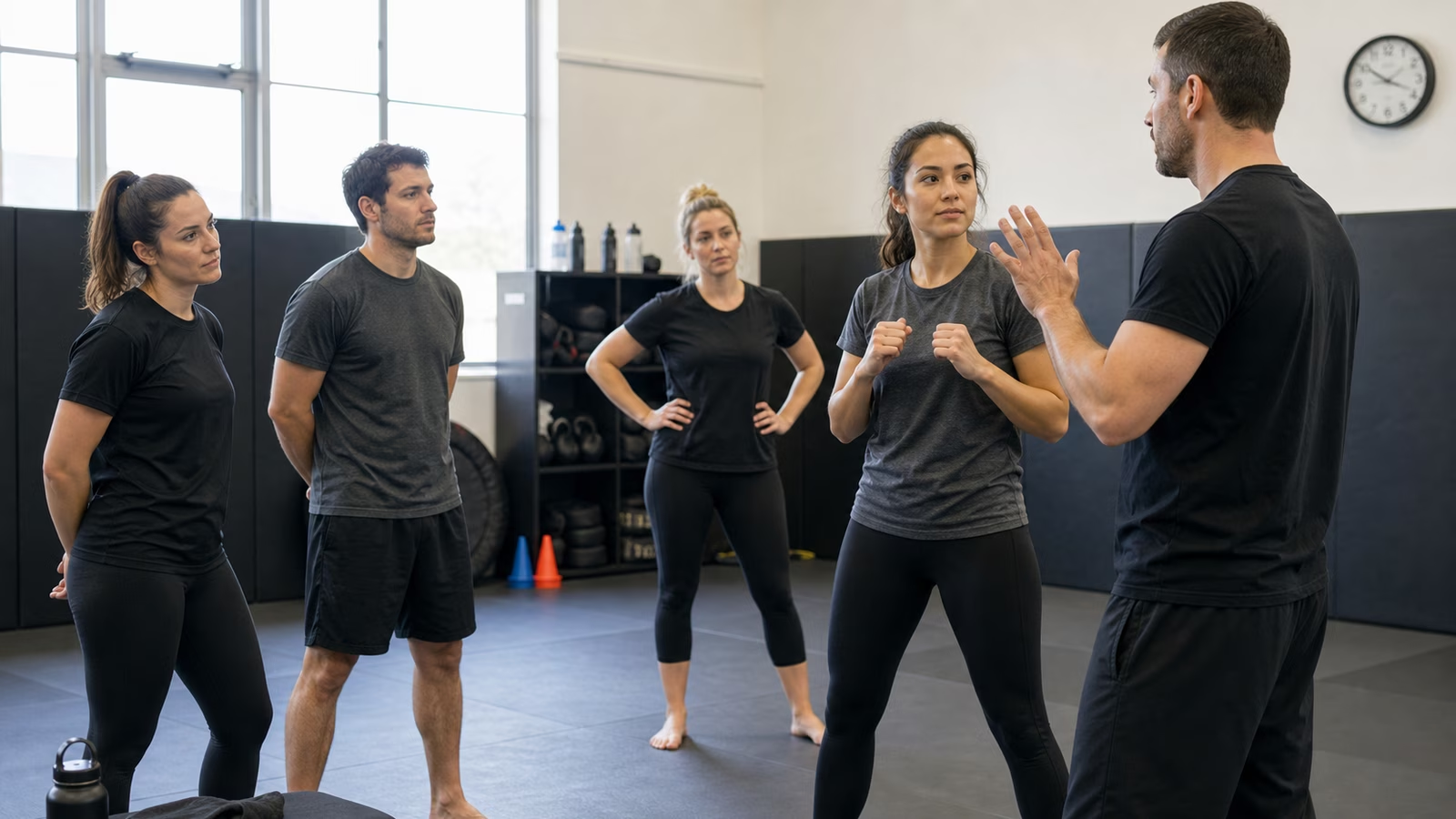
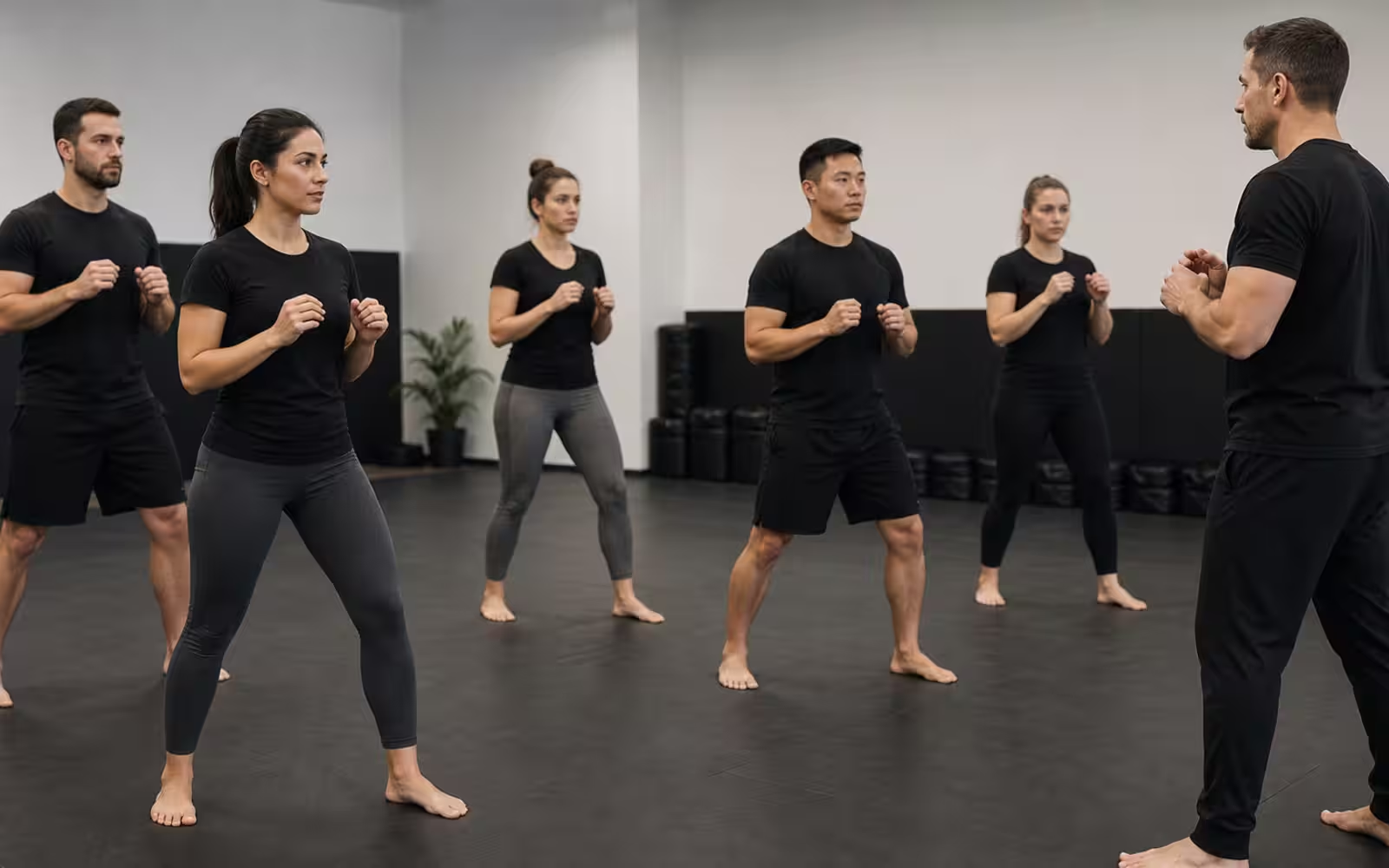
The first physical lesson is often stance. It does not look dramatic. Feet are roughly under you, one side a little back, knees alive, hands available, chin not floating forward. The point is not to pose like a fighter. The point is to be able to move without negotiating with your own balance. Beginners often discover that they lean too far back when nervous, step too narrow when hurried, or let their hands drop when listening. Those habits are normal. The class gives you a place to notice them before they matter.
The second lesson is distance. Distance is not just how far away someone is. It is whether they can touch you before you can respond, whether your path is clear, whether a wall is behind you, whether another person can step between you, whether your hands are free, and whether your voice can still solve the problem. In the first month, a good instructor will keep returning you to that idea. Technique gets worse when distance is misunderstood. A simple movement done early can be safer than a clever answer done late.
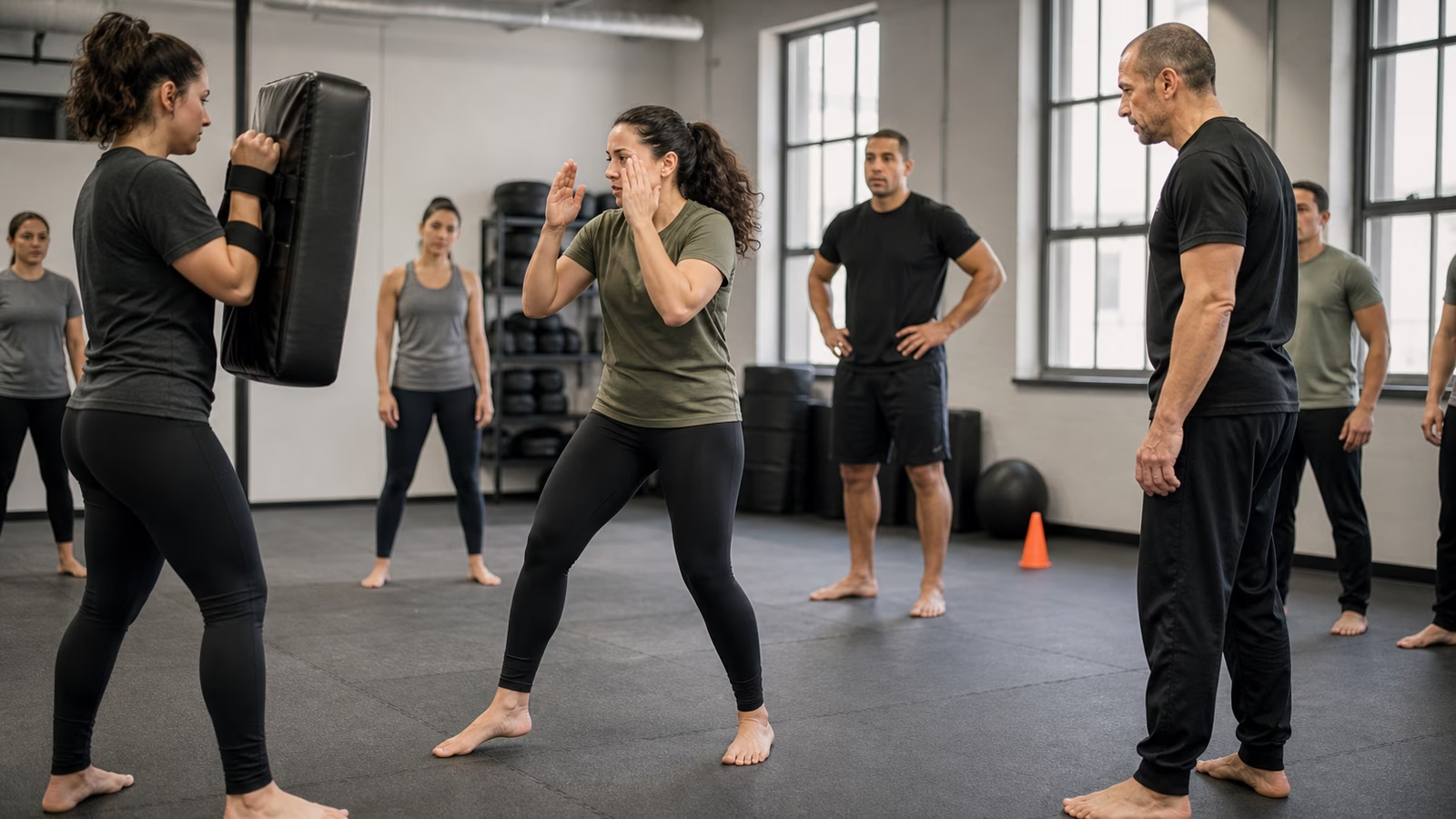
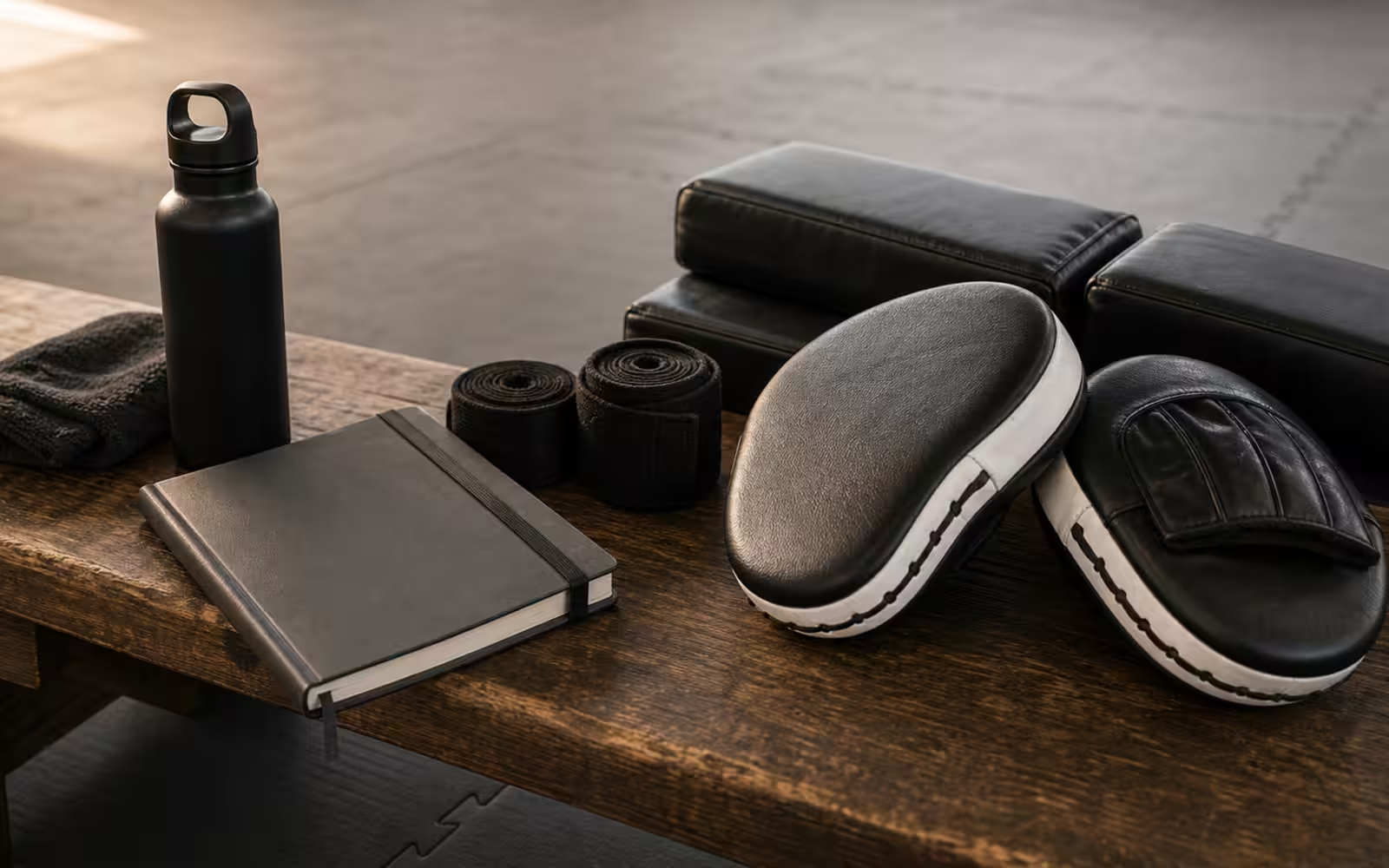
The third lesson is impact, usually through pads. Hitting a pad is educational because it does not flatter you. If your wrist bends, the pad tells you. If your shoulder lifts, your neck gets tense. If your feet stop, the strike feels disconnected. If you hold your breath, the combination collapses after a few seconds. Padwork is not only about power. It is about structure, rhythm, recovery, and learning how your body behaves when the room gets loud.
This is also where safety culture becomes visible. Good pad holders matter. A beginner should not be fed chaotic impact before they know how to brace, angle the pad, and communicate. A good coach teaches the striker and the holder as a pair. The holder is not a target. The holder is a training partner with wrists, shoulders, ribs, knees, and a nervous system. If the room treats holders casually, people get hurt in boring ways that could have been prevented.
The fourth lesson is pressure. Krav Maga often uses stress drills because real fear changes movement. The mistake is thinking pressure means panic. A useful pressure drill has a purpose, a boundary, a stop signal, and a way to come down afterward. The student should know what is being trained and what is not. There is a difference between learning to keep moving while tired and being surprised into flinching while nobody explains the point. Pressure should build capacity, not just create stories.
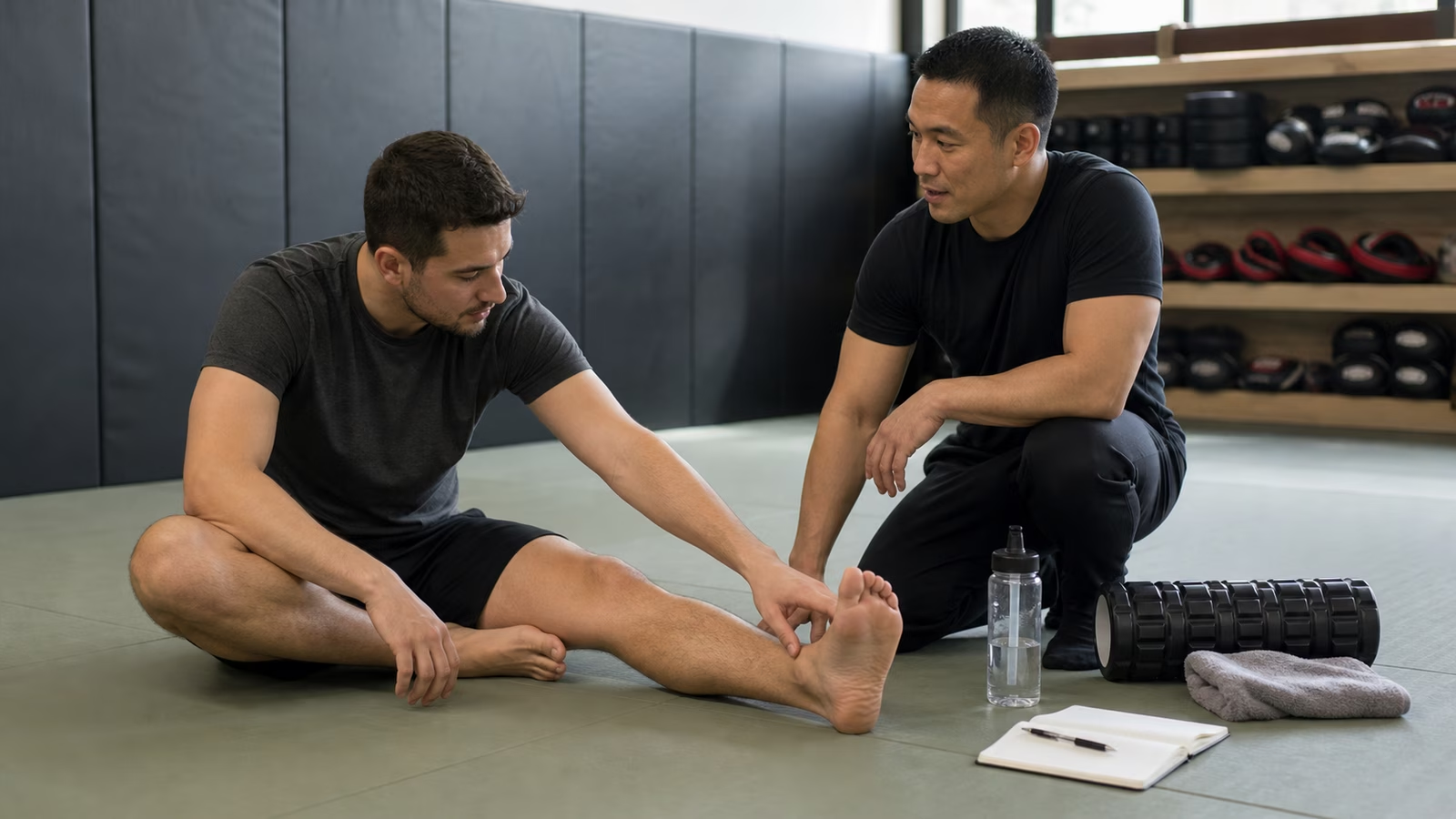
Expect the first month to feel uneven. One class may make you feel coordinated. The next may make you feel like your hands and feet were introduced that morning. This is not failure. Self-defense training exposes normal gaps: weak balance, poor breathing, tense shoulders, hesitation, tunnel vision, difficulty using voice, and the strange embarrassment of practicing simple movements in front of other adults. The embarrassment passes faster when the school is healthy.
Choosing the right school matters more than choosing the most intense school. Watch how instructors speak to beginners. Watch whether they correct without humiliating. Watch whether advanced students behave like helpful adults or like people auditioning for toughness. Watch whether injuries are treated seriously. Watch whether the instructor can explain why a drill exists. Watch whether the room has enough control for smaller, older, newer, or less athletic students to train without being used as props.
Krav Maga is not magic. It does not make size, strength, weapons, numbers, surprise, concrete, intoxication, legal consequences, or bad luck disappear. Any school that implies otherwise is selling comfort in a dangerous shape. Good training gives you better odds in some situations and better judgment in many more. It also teaches humility. Sometimes the right answer is to apologize and leave. Sometimes it is to give up the wallet. Sometimes it is to make noise and run. Sometimes it is to protect someone long enough for help to arrive. Sometimes it is to not enter the situation at all.
For your first month, set a modest goal. Learn the stance. Learn to move without crossing your feet. Learn to hit pads without hurting your wrist. Learn to hold pads safely for someone else. Learn to use your voice without apologizing for having a boundary. Learn the difference between training discomfort and injury. Learn how to stop, breathe, and ask a question. If you can do those things, you are not behind. You are building the part of Krav Maga that everything else rests on.
The best quickstart is not a secret combination. It is a calmer relationship with danger. Notice sooner. Make space. Keep your balance. Protect your head. Use your voice. Leave when you can. Train with people who care whether you can come back next week.