Lines seem harmless because they are built from waiting. People stand at a counter, outside a venue, near a restroom, beside a service desk, or behind a checkout. The rules are familiar. Face forward. Keep your place. Do not bother strangers. Move when the person ahead moves. That social order is useful, but it can also put the body on autopilot.
Queue-line awareness in Krav Maga is not about treating every line as a threat. It is about noticing that lines narrow movement, fix attention forward, make people protect their place, and often fill the hands with bags, phones, wallets, tickets, or children.
A Line Makes People Agree to Stand Still
The simplest thing a line does is persuade people to stop moving. That agreement is usually practical. Without it, counters and entrances become messy. But self-defense awareness should notice the cost. A person in line may have limited side space, someone close behind, a counter in front, and a social reason not to step away.
Crowded Space Awareness covers the larger idea of moving early without making a scene. In a queue, early movement might be very small. Shift to the side of the lane. Leave more space than the person behind expects. Let someone impatient pass. Step out of line and return later. Those choices may feel inconvenient, but inconvenience is often cheaper than staying pinned by politeness.
The student does not need to be dramatic. They can adjust posture while appearing ordinary. They can stand with feet under them rather than crossed. They can keep a bag where it does not trap both hands. They can notice whether a side exit is reachable. These details are quiet, which is why they are easy to practice.
Protecting Your Place Can Become a Trap
Lines create a small sense of ownership. People do not want to lose their place after waiting. That feeling can make them tolerate crowding, rude behavior, or a situation that is becoming uncomfortable. They may stay because leaving feels like giving up something they earned.
Krav Maga training should challenge that attachment gently. A place in line is not worth surrendering posture, distance, or judgment. If someone behind you keeps pressing close, you may step aside, let them pass, or use a calm boundary. If a counter area becomes tense, you may leave and return. If a friend wants to argue because the line is slow, you may guide them away.
Progress Without Chasing Intensity offers a useful mindset. The skill is not proving that you can hold your place under pressure. The skill is making cleaner decisions earlier. In a line, that decision may look like patience. It may also look like walking away.
Phones and Bags Narrow Attention
Lines invite phones. Waiting feels empty, so people look down. They hold wallets, keys, cups, bags, or tickets. They may rehearse what they will say at the counter while forgetting the space around them. The body is present, but attention is elsewhere.
Hands Full in Krav Maga applies directly. A person does not need both hands buried in a bag while standing in a narrow queue. A phone can go away before the line compresses. A bag can shift to a side that keeps one hand freer. A wallet can wait until the counter is closer. These are ordinary habits, not tactical theater.
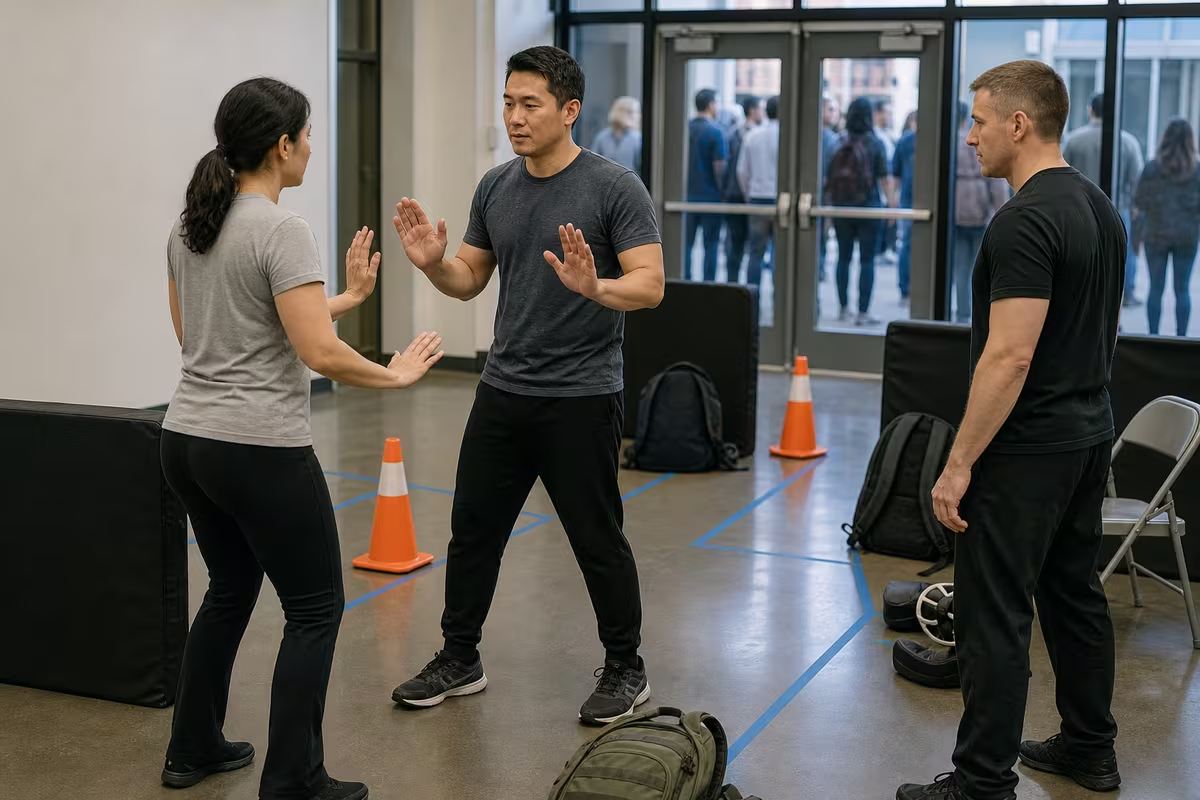
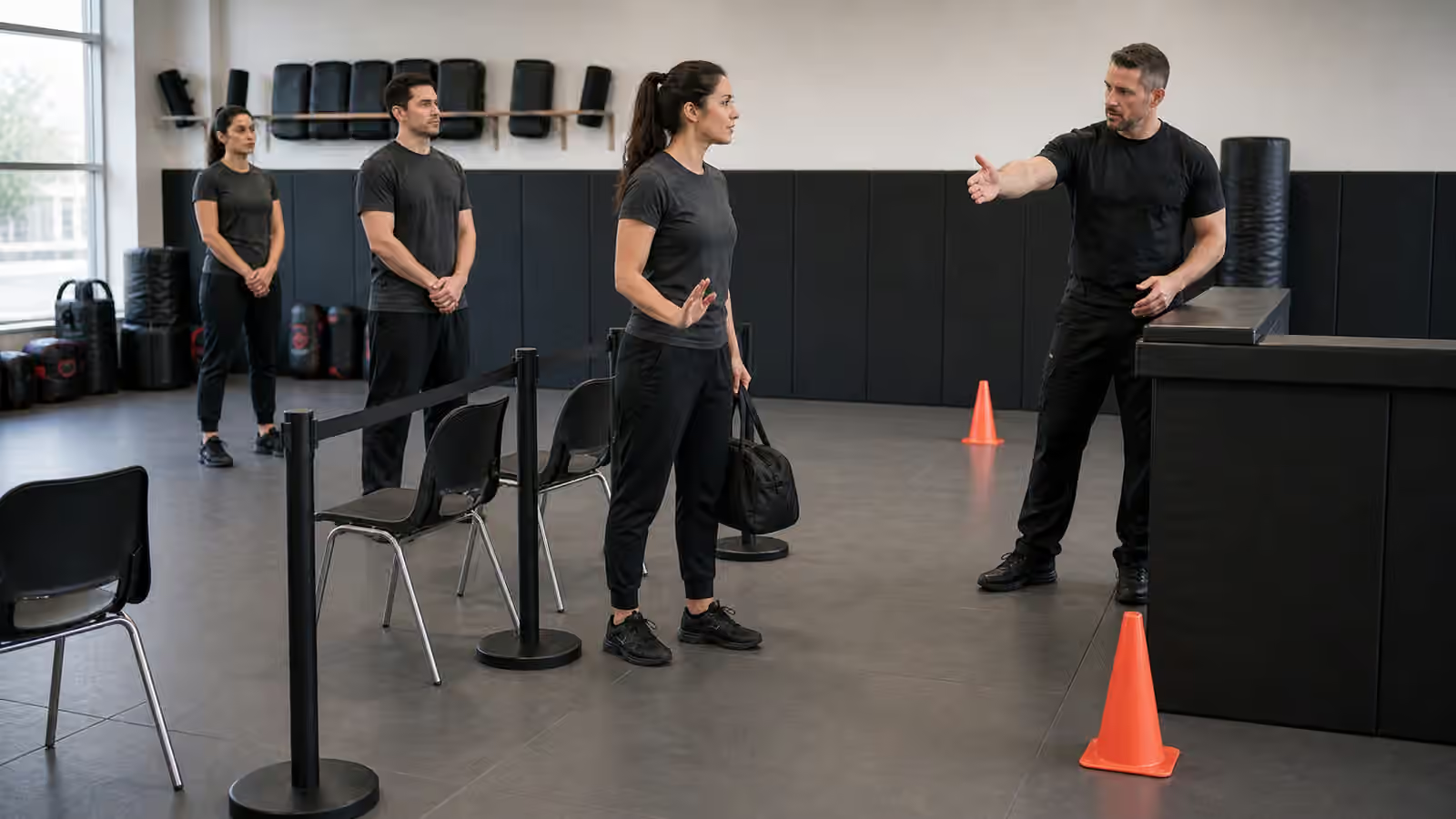
Training can recreate this with soft props. A student stands in a mock line holding a bag. A partner behind them closes distance slightly, within the instructor’s rules. The defender notices, shifts the bag, angles, and uses a boundary if needed. The drill ends when spacing improves. No one needs to win. The student simply learns that objects and attention are part of the line.
Side Exits Matter More Than Front Progress
People in lines focus on forward progress. How many people are ahead? Which window will open? When will the door move? That focus makes sense, but it can hide side exits. A clear path to the side may be more important than the next step forward.
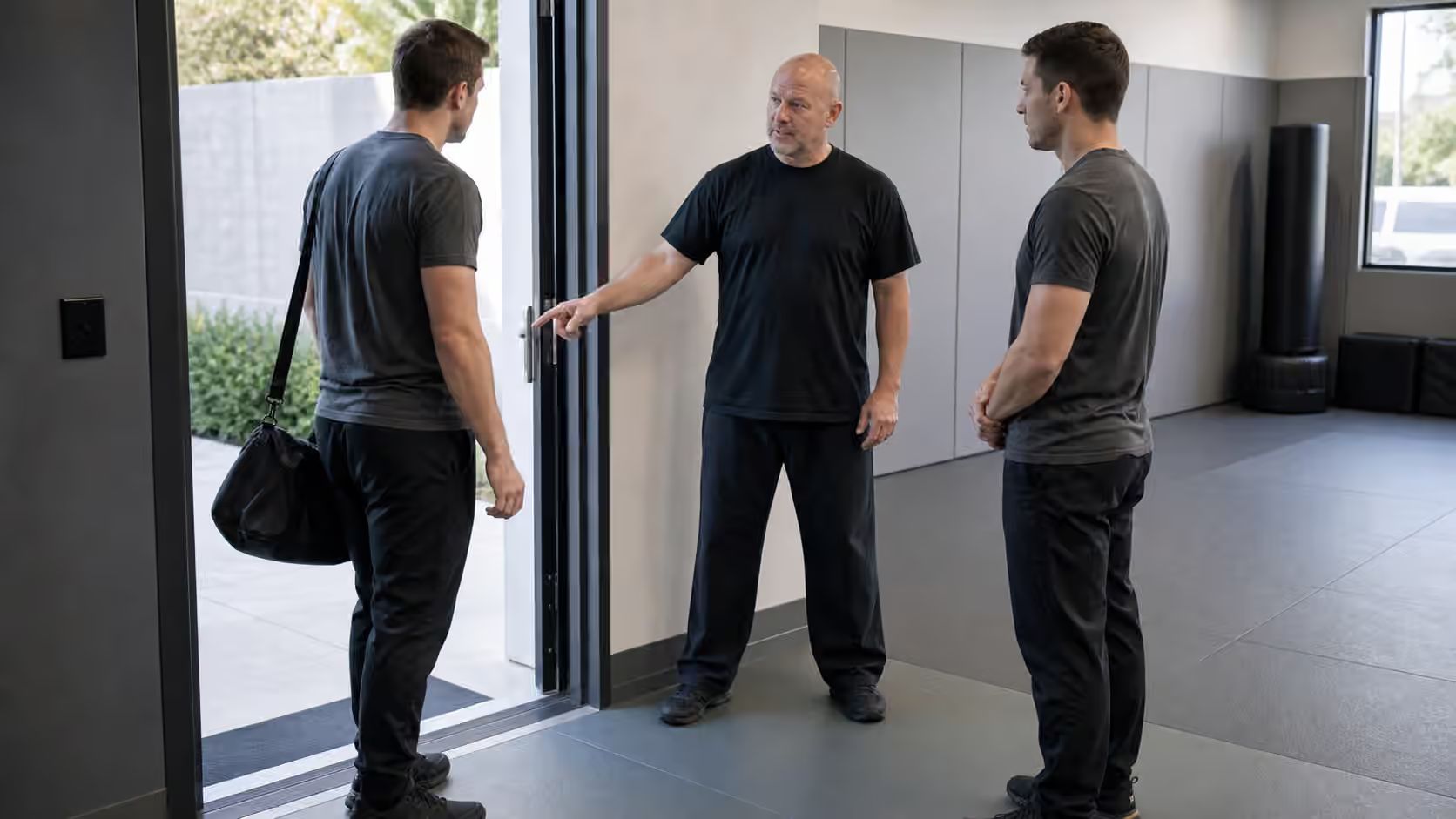
Distance, Awareness, and Exit is the right anchor. Exit awareness in a line may mean standing near the outside rather than deep in the middle when choice exists. It may mean noticing a wide aisle, a doorway, a staff area, or a gap between stanchions. It may mean refusing to let a barrier, chair, or bag put the student in a pocket with no easy movement.
This is especially important when a line bends. Corners compress bodies. Stanchions and counters make turning harder. A student who has only watched the person ahead may not know how they would leave if the mood changed. The answer is not paranoia. The answer is a quiet scan before the line decides the body has nowhere to go.
Social Pressure Keeps People Polite Too Long
Many boundary failures in lines begin with politeness. A person stands too close, comments too much, blocks the lane, or keeps brushing against a bag. The student feels irritated but says nothing because the setting is public and everyone is waiting. By the time they speak, the tone may come out sharper than intended.
Voice Under Pressure gives this problem a practical tool. A line is a good place to practice low-level boundaries because the first sentence can be simple. “Please give me a little room.” “Go ahead of me.” “I am stepping out.” The words should fit the person using them. The goal is not sounding tough. The goal is making space clearer while there is still time to keep the exchange ordinary.
De-escalation matters here. De-escalation and Verbal Boundaries reminds students that words can reduce tension or increase it. A boundary delivered with visible hands, a step to the side, and a calm tone may solve a problem that an insult would inflame. Krav Maga should train that restraint as seriously as it trains impact.
Companions Make Lines More Complicated
Lines with companions are different. A child may wander. A friend may stand behind you, blocking the exit. A partner may become annoyed and talk loudly. An older relative may need a slower path out. The student’s attention has to include more than their own place.
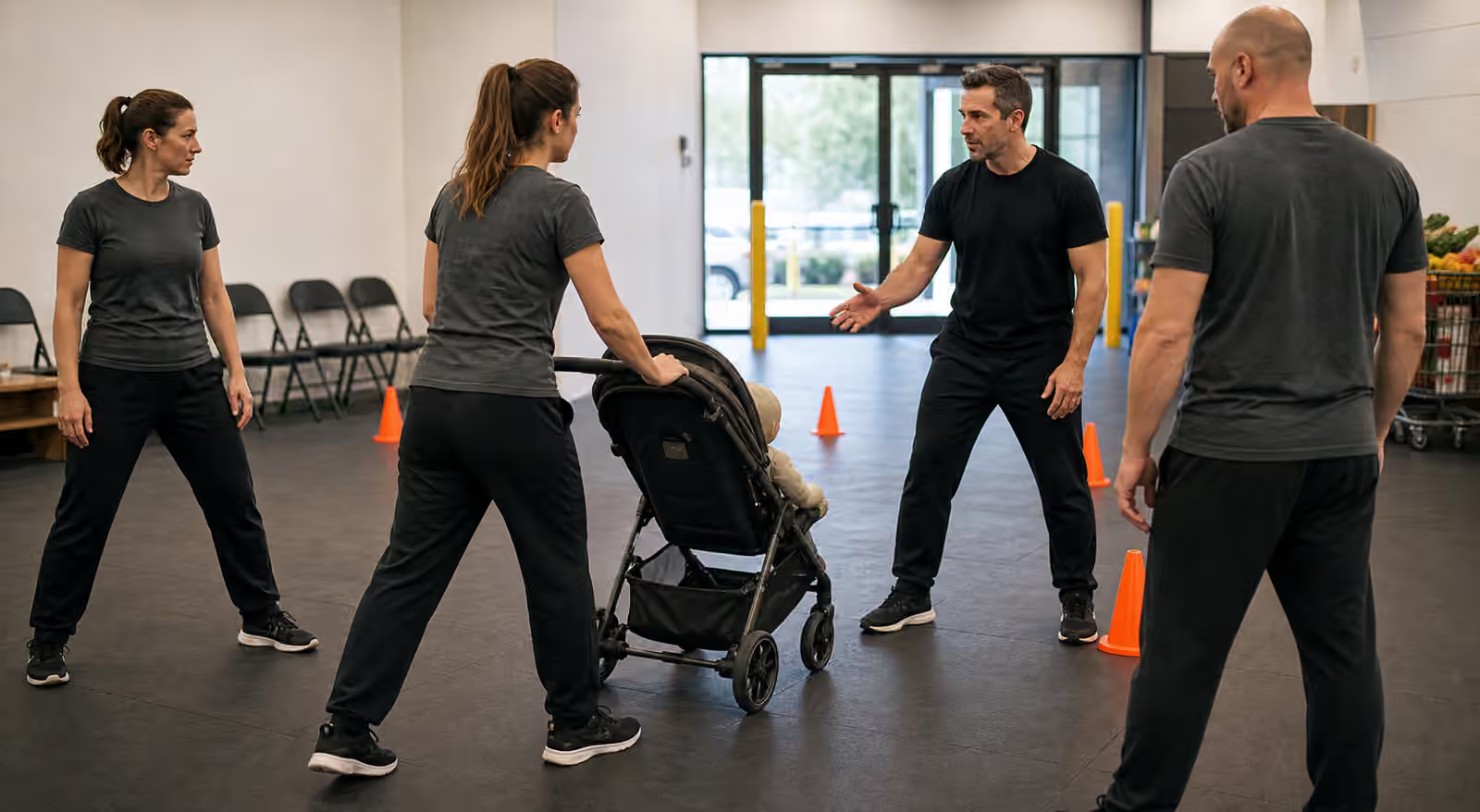
Krav Maga When You Are Not Alone applies well. In class, a companion-role drill can ask the defender to guide another person out of a mock line without turning it into a scene. The defender may use a touch on the elbow, a quiet sentence, or a step that opens the lane. The role player should follow realistic instructions, not create drama for entertainment.
Bystanders also matter. Bystanders and Help-Seeking can help students think about staff, counters, security, or other adults nearby. In a line, help may be close but unused because the student is staring forward. A clear request to staff may be better than handling a problem alone.
Queue-line awareness is a study in small permissions. Permission to step aside. Permission to lose your place. Permission to put the phone away. Permission to speak early. Permission to leave without explaining the whole story. These permissions sound simple when calm and become harder when social pressure rises. That is exactly why they deserve practice.