A push looks simple until it happens at the wrong time. It can arrive in a doorway, near a wall, beside a curb, during a crowded argument, or while your hands are holding a bag. It may be the first clear sign that a conversation has crossed into physical pressure. It may also be a warning, a test, a clumsy attempt to intimidate, or a moment that could still be cooled down if the person receiving it does not answer with pride.
That is why push and shove training belongs in Krav Maga before many louder skills. A shove asks whether the student can keep balance, recover posture, notice the room, use voice, and avoid turning every touch into a fight. It is not only a defense problem. It is a decision problem.
The Shove Is Information
Beginners often treat a shove as a starting bell. Someone puts hands on them, so they imagine the only useful answer must be immediate force. Sometimes force may become necessary, and qualified instruction matters when training that possibility. But a shove can also be information. It tells you that distance has changed, that a person is willing to break a social boundary, that the surface under your feet matters, and that the next choice needs to be cleaner than the last one.
The first training habit is to avoid arguing with the physics. If your feet are narrow, your knees locked, and your weight high, the shove will move your whole body before your mind has a plan. If you are already leaning backward, the shove may take you straight into the wall behind you. If your hands are low because you want to look relaxed, they may not be available when the space closes.
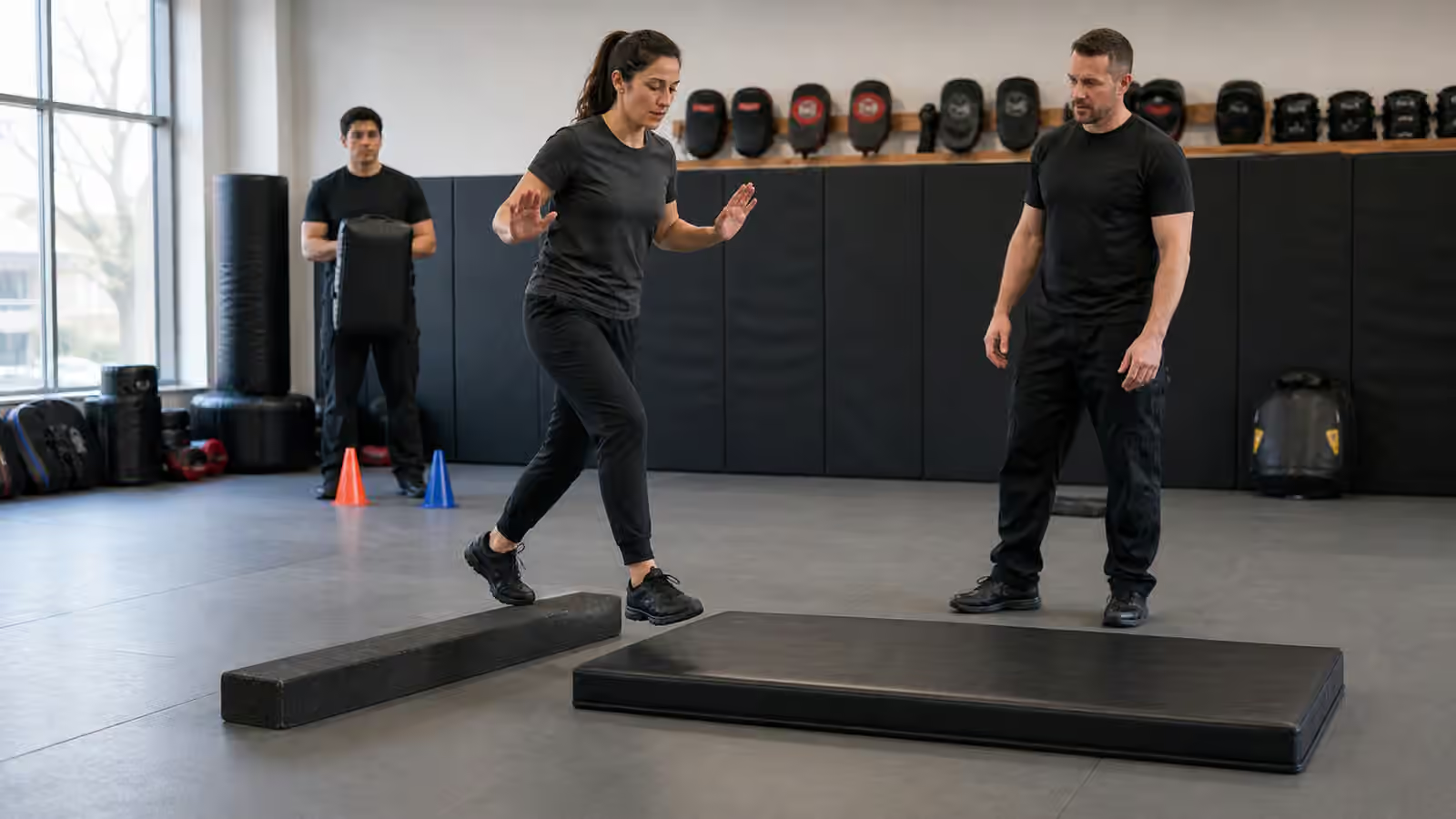
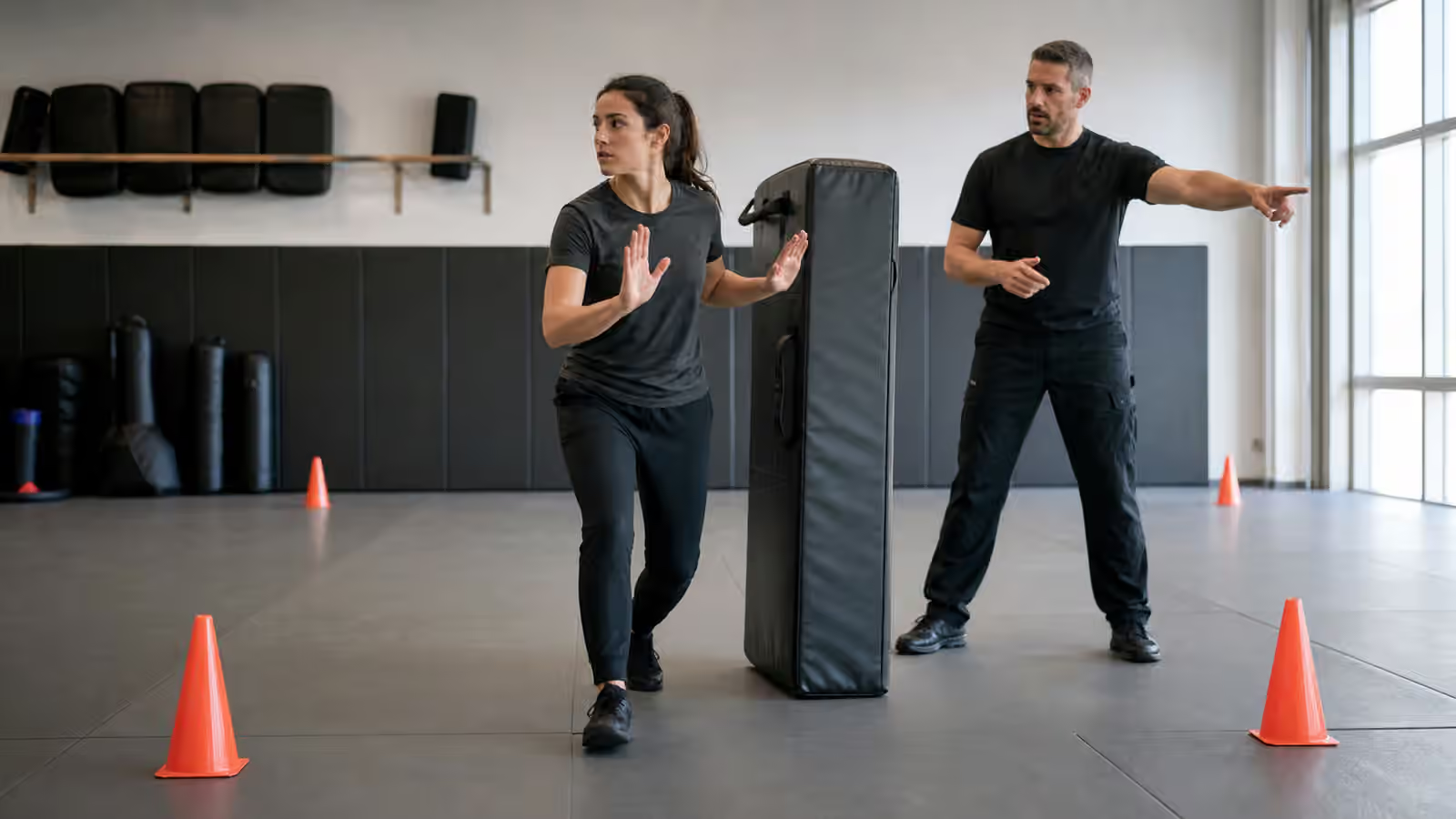
Footwork and Balance is the natural companion to this subject because the answer begins below the waist. A student who can step without crossing the feet, widen the base without freezing, and angle instead of drifting backward has more choices. A student who only thinks about the hands often discovers that the hands are negotiating after the feet have already lost the vote.
Recovering Without Performing
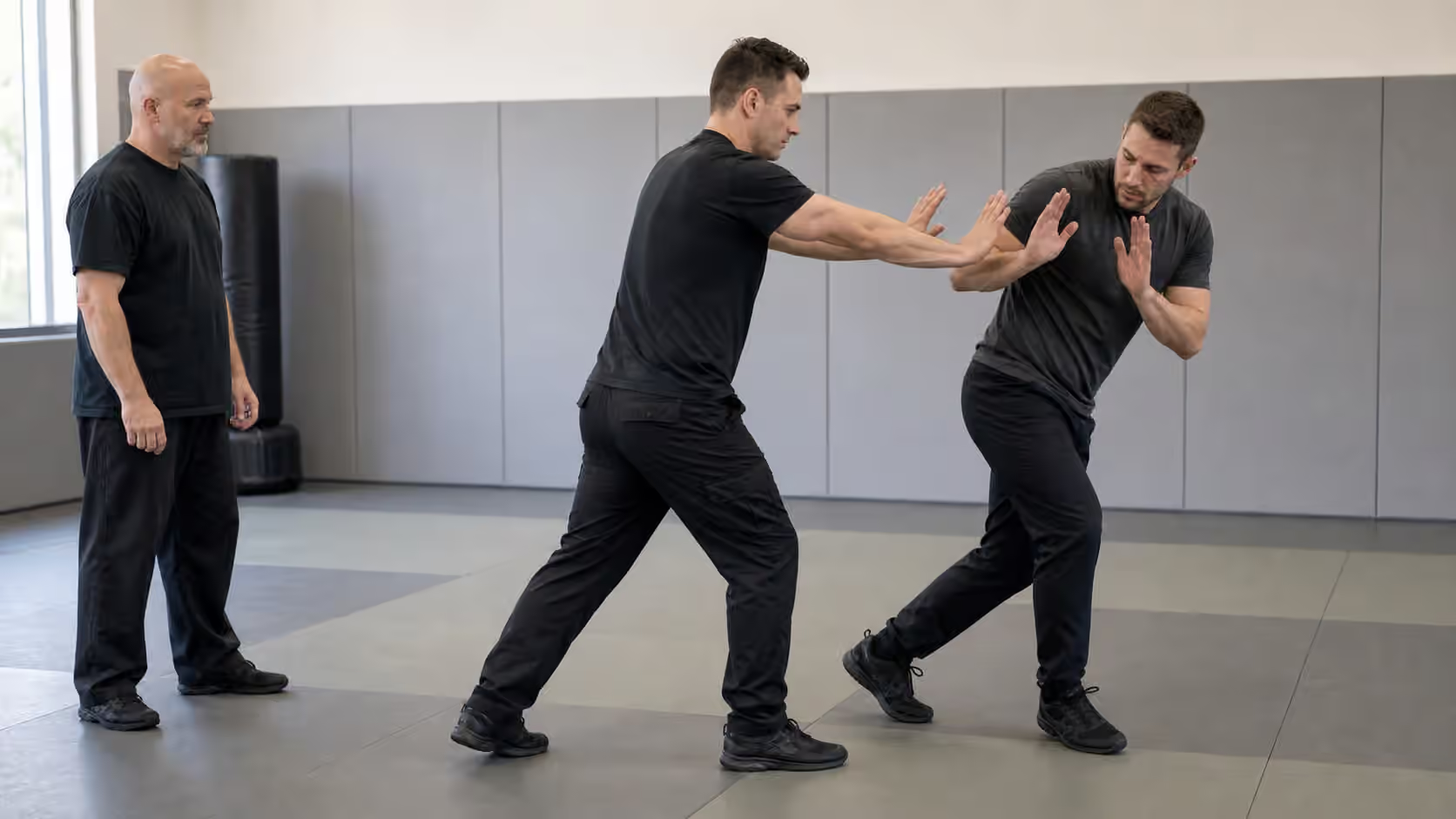
Good shove training should look controlled and a little plain. One partner applies pressure with open hands. The other receives it without pretending surprise, lets the feet respond, brings the hands into a protective but communicative shape, and creates a better angle. The drill does not need theatrical anger. It needs honest weight, safe contact, and repeatable feedback.
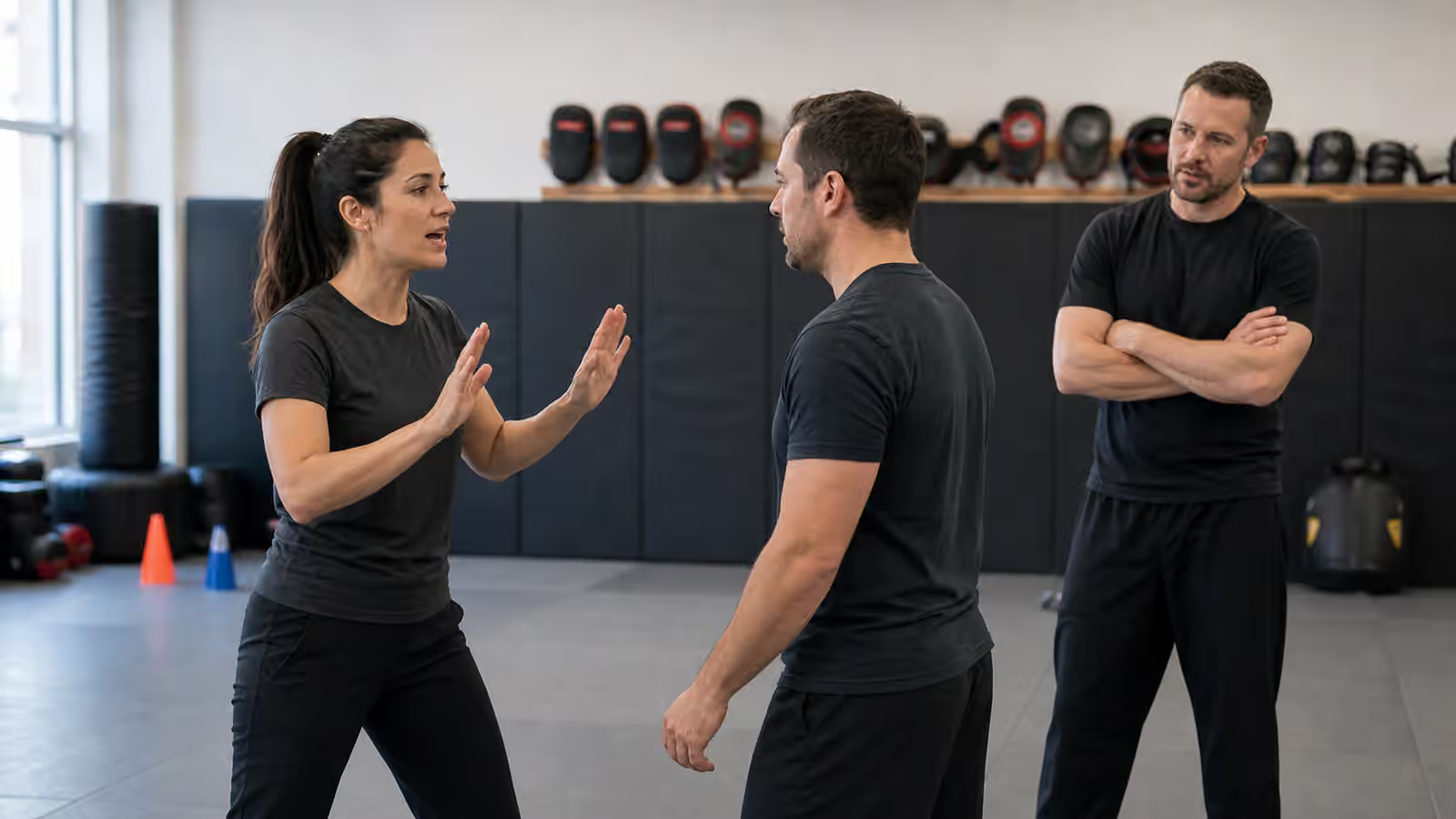
The receiving student is not trying to win the first second by looking fierce. They are trying to recover their base. That may mean taking a small step, lowering the center of gravity, lifting the hands between the face and the other person, and using a clear phrase such as “Back up” or “Stop.” The words are not magic. They are structure. They help the body organize around a boundary instead of around embarrassment.
The open hand matters here. Open-Hand Protective Posture explains why a guard can be both social and protective. Palms visible near the chest or face can say that you do not want trouble while also reducing the distance a second shove or strike has to travel. That posture should not be stiff or exaggerated. If it looks like a pose, it may arrive late. If it feels like a natural conversation with better protection, it has a better chance of being there when needed.
The Wall Changes Everything
A shove in the middle of a mat is one lesson. A shove near a wall is another. The wall removes the easiest version of retreat and turns balance into a more urgent subject. It also makes the student’s habit of backing straight up visible. Many people retreat along the line of pressure because it feels honest. The problem is that the line of pressure often leads to the boundary that traps them.
Wall Pressure in Krav Maga is useful reading because a shove near a wall is rarely about a clever hand answer. It is about recognizing that space is running out, changing the line before the wall owns your posture, and using frames without getting stuck in a wrestling match you did not choose. The safest movement may be small: a step to the side, a shoulder turned enough to open a lane, a hand that prevents the head from snapping back, a voice that names the boundary.
In class, the wall should be introduced gradually. A beginner who has not learned to receive steady pressure safely does not need to be thrown toward a hard surface. The instructor can use soft pads, clear roles, and slow pressure to teach the feeling first. The point is not to create a story about toughness. The point is to make the student notice earlier, move sooner, and stop waiting for the second shove to explain the first one.
Voice Keeps the Drill Human
Pushes are often social before they are technical. Someone may be posturing for friends, testing whether you will react, or trying to move you out of a place. A useful Krav Maga class should not erase that context. The student needs to practice voice because the moment may still be recoverable before it becomes more dangerous.
De-escalation and Verbal Boundaries belongs beside push training for that reason. A clear sentence can draw attention, create a record in the minds of bystanders, and give the other person a chance to stop. It can also give you information. If the person backs up, the problem changes. If they mock the boundary and step in again, that is also information.
The language should be plain. It should not sound like a threat borrowed from a movie. It should not invite debate. “Back up.” “Do not touch me.” “I am leaving.” The exact words matter less than the student’s ability to say them while moving, breathing, and keeping the hands useful.
Partner Safety Teaches the Real Skill
The partner giving the shove has a serious job. They are not there to dominate the room. They are feeding pressure so the defender can learn. That means the contact should be predictable enough for the drill, adjustable to the student’s level, and stopped immediately when the instructor calls the reset or either partner signals discomfort.
This connects to Safety Signals and Stopping Early . A shove drill can become careless quickly because it feels ordinary. People push each other in play, in sports, and in crowded spaces, so students may underestimate how much force is being delivered. Wrists, shoulders, backs, knees, and heads all have opinions about surprise pressure. A good room listens before those opinions become injuries.
The receiver also has a responsibility. Do not punish a partner for giving the agreed pressure. Do not escalate because the shove touched pride. Do not add strikes, trips, or clinch work unless the instructor asked for that layer. The cleaner habit is to receive, recover, create space, use voice, and leave the line. If the drill later adds pads or counters, those actions should still serve exit rather than ego.
What Improvement Feels Like
Progress in shove training is quiet. The student does not necessarily look more aggressive. They look less surprised by their own feet. They stop hopping backward with narrow steps. They raise their hands without flinching into a blind shell. They notice the wall before the instructor points at it. They speak earlier. They disengage instead of remaining planted at the end of a successful movement.
The best version of this training makes a student harder to move and easier to move. Harder to move because the base is alive, the posture is honest, and the hands are available. Easier to move because pride is not holding the student in place. That combination is worth more than a dramatic answer. A person who can be shoved, recover balance, create space, and leave has learned something central to practical self-defense.
The shove is not a small topic. It is the place where contact, ego, balance, voice, and environment meet. Train it with care, and many other Krav Maga lessons become more honest.