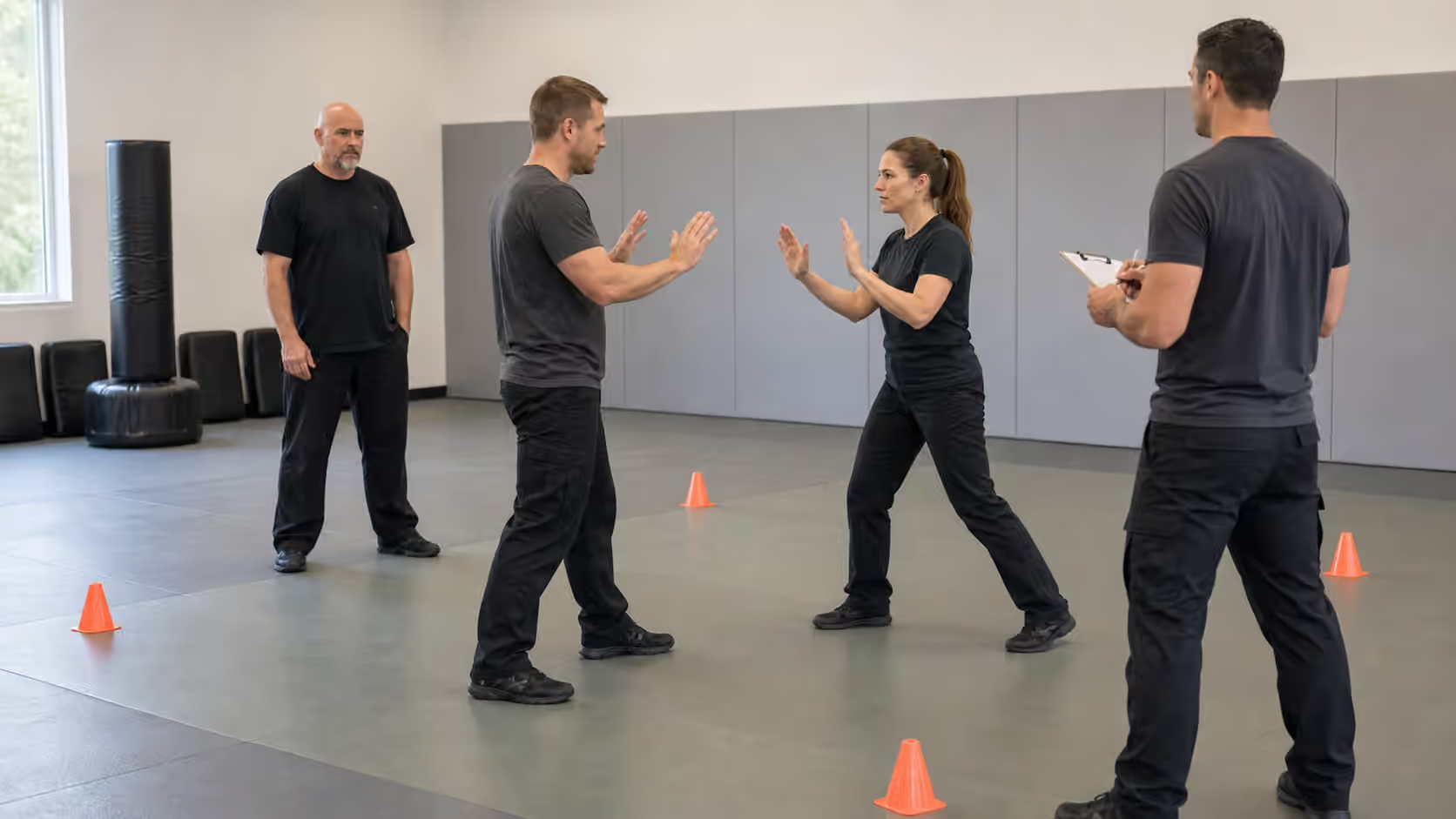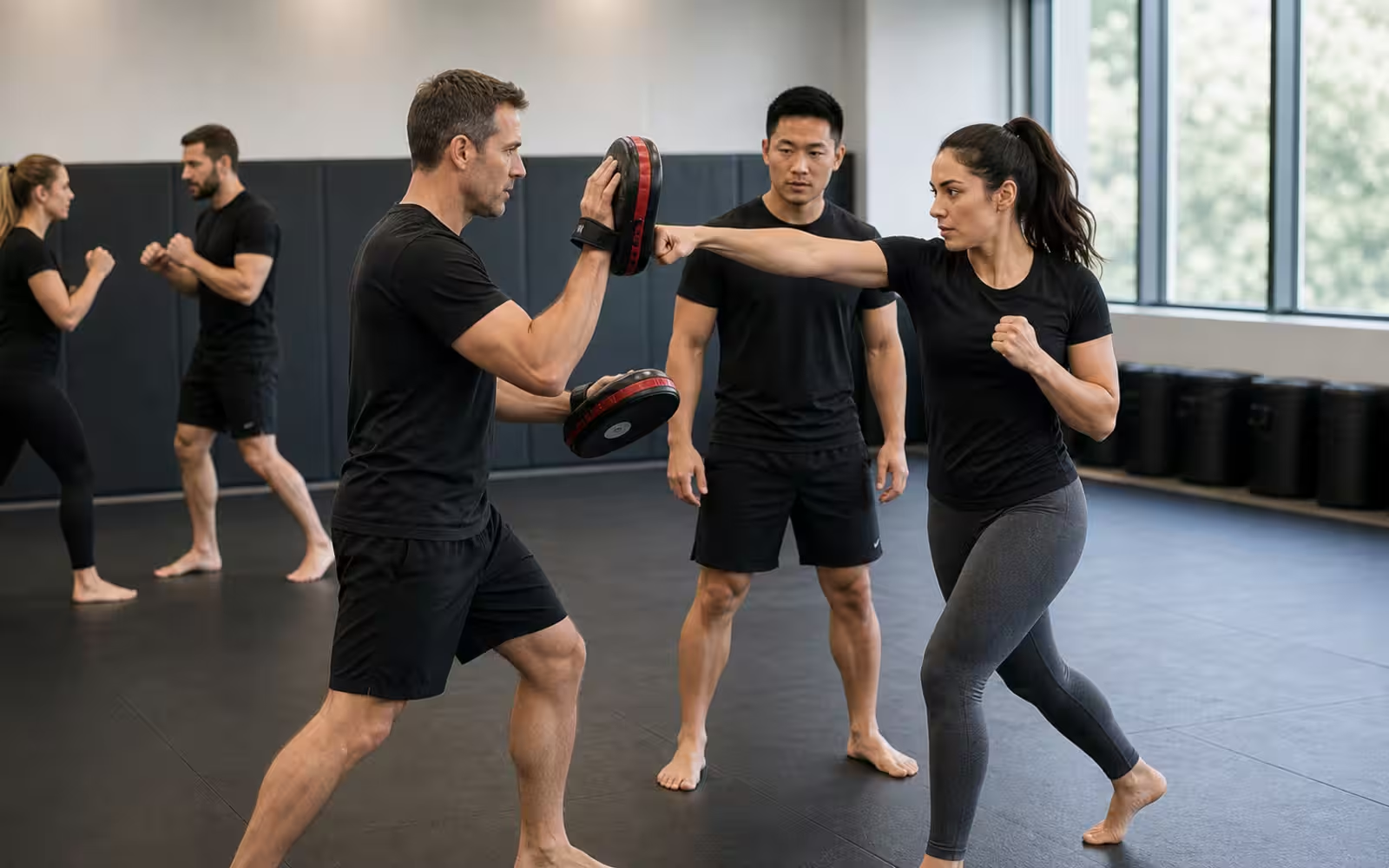
Padwork is where Krav Maga begins to feel real to many beginners. Before that, training may feel like shapes in the air: stance, hand position, footwork, voice, distance. Then someone raises a pad, the instructor says go, and the room changes. There is sound. There is resistance. There is the blunt honesty of impact.
The first lesson of padwork is not power. It is structure. A strike that looks strong in the mirror may fold when it meets a pad. The wrist bends. The shoulder lifts. The feet stop participating. The breath disappears. The student discovers that impact is not just a hand event. It travels through the floor, legs, hips, ribs, shoulder, arm, fist, and back again as feedback.
Good padwork slows that feedback down enough to learn from it. A coach may ask the striker to step less, breathe sooner, soften the jaw, keep the wrist straight, or recover the hand instead of letting it hang in the air. These details can sound small until fatigue arrives. Under fatigue, small leaks become large ones. The student who cannot breathe through a simple combination will struggle when the drill gets louder.
The pad holder is just as important as the striker. Beginners often think holding pads means standing there bravely while someone else trains. That is wrong. Holding is active coaching. The holder gives the striker a target, a distance, a rhythm, and a safe surface. The holder also protects their own body. A poorly held pad can injure wrists, shoulders, ribs, necks, or knees. A good school teaches holding with the same seriousness it teaches hitting.
This is one reason partner culture matters so much. When two students work pads, they are borrowing each other’s safety. The striker should not unload power the holder cannot manage. The holder should not surprise the striker with careless movement. Both should speak. If the pad angle feels wrong, fix it. If the pace is too high, lower it. If the wrist hurts, stop. Training intensity that depends on silence is not discipline. It is a preventable problem waiting for a joint.
As padwork improves, pressure can be added. The word pressure gets misused. Pressure does not have to mean chaos. It can mean shorter decision time, mild fatigue, louder noise, movement before impact, a changing target, a verbal command, or a requirement to exit after striking. Each layer should have a reason. If the drill adds stress but removes learning, it is just theater with sweat.
The nervous system needs graduated exposure. A beginner who is startled, rushed, and overwhelmed may move, but they may not learn. They may leave class with a story about intensity and no clearer skill. A better drill asks for one new demand at a time. First the student strikes a stationary pad. Then the pad moves. Then the student enters from a neutral stance. Then they strike and angle out. Then they do it while tired. Then they add voice. The drill becomes more alive without becoming random.
Breathing is the thread through all of this. People hold their breath when they are concentrating, embarrassed, angry, or afraid. Padwork exposes that habit quickly. The combination starts well, then the face tightens, the shoulders rise, and the body runs out of air. Coaches often cue a short exhale on impact, not because it sounds tough, but because it keeps the student from becoming rigid. A breathing body can adapt. A breath-held body becomes a statue with opinions.
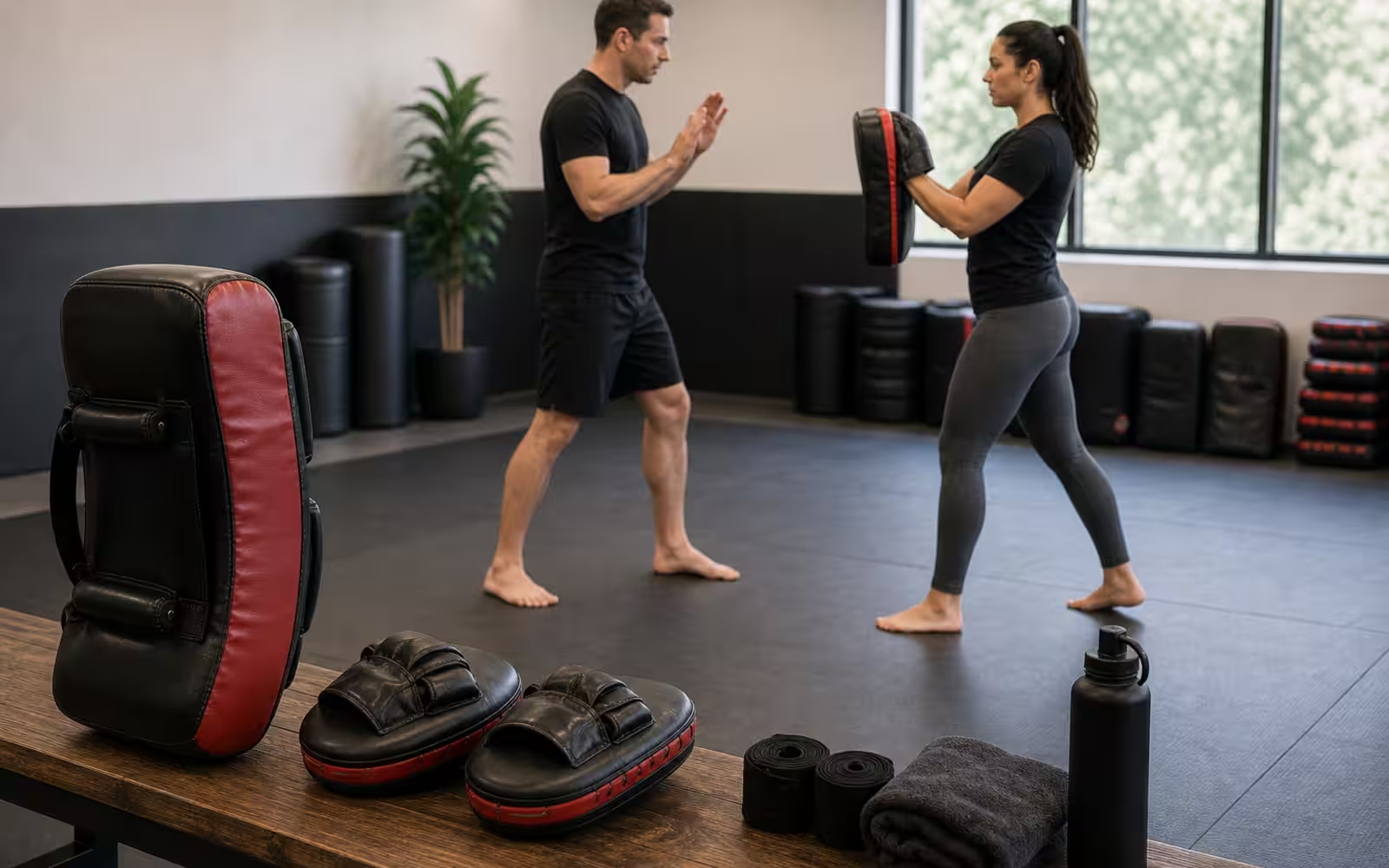
Power is useful, but power without recovery is a trap. A student may hit hard and then admire the result, hands low, feet square, attention narrowed to the pad. The instructor’s correction is often immediate: move. In self-defense training, impact is rarely the final picture. It is a way to create time, space, and an exit. Padwork should train that habit. Strike, recover, move, look, breathe. The pad is not the whole world.
Fatigue changes everything. This is why Krav Maga classes often include short bursts: combinations after squats, movement after sprawls, decision-making after a sprint. The point is not punishment. The point is to learn which skills survive when the body is busy complaining. Beginners discover that fine motor plans fade quickly. They also discover that simple habits can remain if trained well: hands up, chin down, feet moving, breath returning, eyes looking for space.
The risk is confusing exhaustion with realism. Real events are stressful, but making students endlessly tired does not automatically make training realistic. Exhaustion can hide bad mechanics. It can make people careless with partners. It can reward the already fit while discouraging the people who may need training most. A thoughtful class uses fatigue like seasoning. Enough to reveal habits. Not so much that everything tastes like survival.
Pressure drills should also have emotional boundaries. Some students arrive with histories that make certain drills complicated. Others simply do not like being shouted at, grabbed, crowded, or surprised. A school can train serious skills without treating consent as an inconvenience. Clear explanations, opt-outs, substitutions, and stop signals make the room stronger. They allow more people to train longer, which is far more useful than scaring away everyone except the most aggressive personalities.
For beginners, the best padwork goal is consistency. Hit with a safe wrist. Keep your balance. Breathe. Return your hands. Hold pads well for someone else. Notice when power makes you sloppy. Notice when speed makes you tense. Notice whether you can still hear the instructor while working. These are not glamorous goals, but they are the goals that keep training alive.
There is a quiet pleasure in good padwork. The sound becomes cleaner. The holder trusts you more. You stop muscling every strike and start feeling how the floor helps. You recover faster. You learn to work hard without turning frantic. You begin to understand that impact is a conversation between structure and timing, not a performance of anger.
That lesson matters beyond the mat. A person who can create pressure without panic has more choices. They are less likely to freeze at the first loud moment and less likely to chase the loud moment for its own sake. Good Krav Maga padwork should make students more intense when needed and calmer when possible. If it only makes them louder, something is missing.