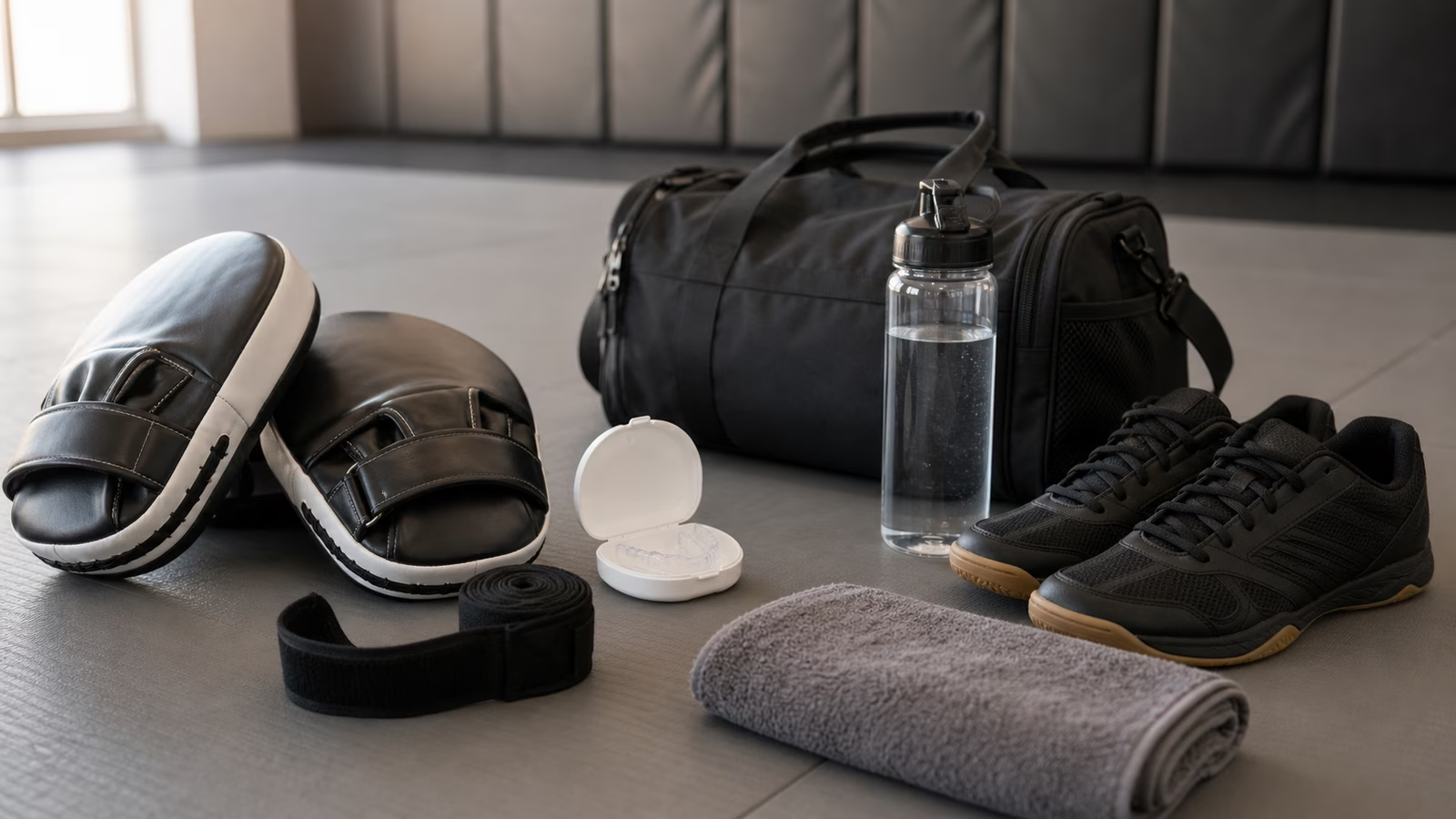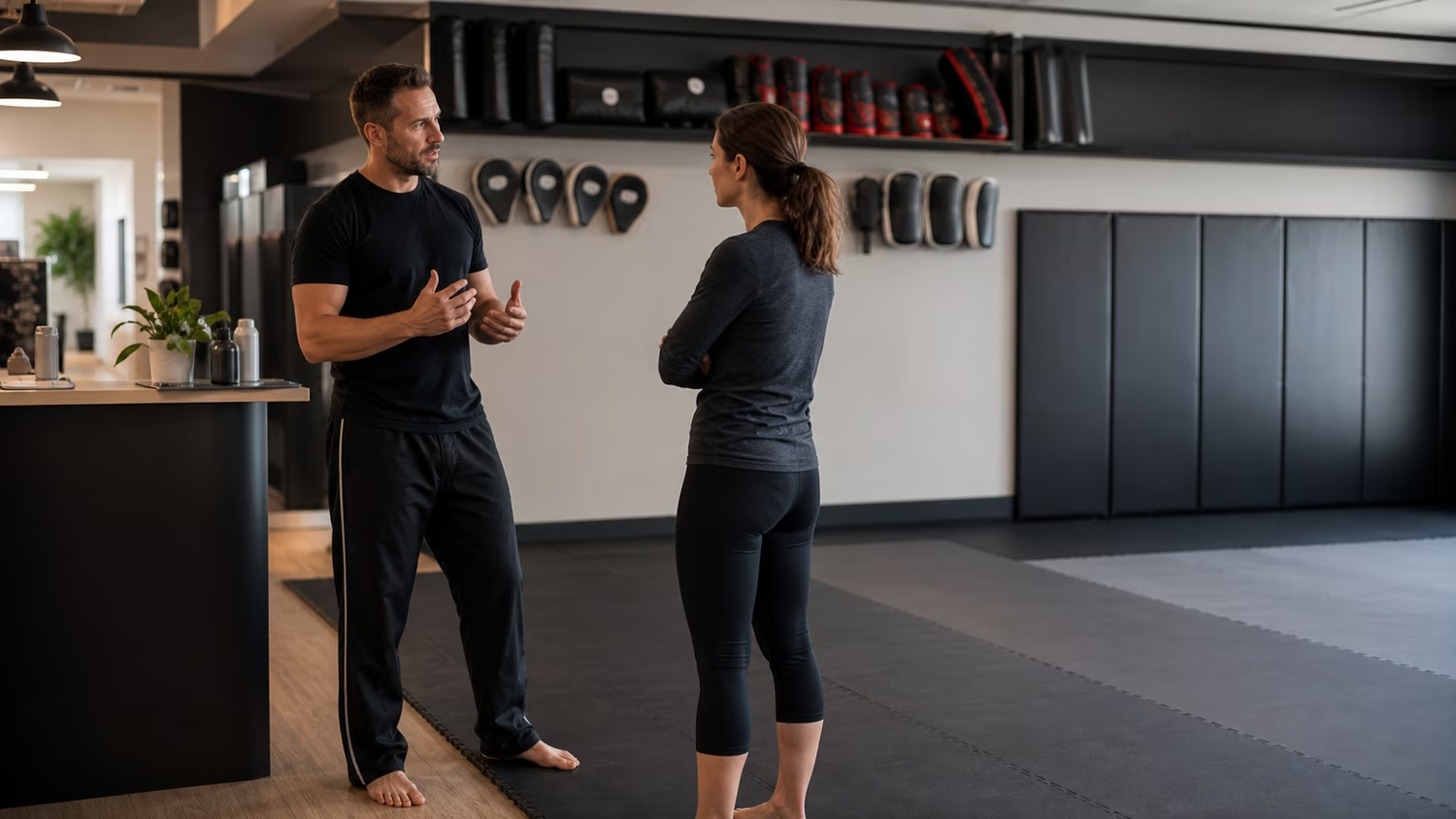
The hardest part of a first Krav Maga class is often the door. Not the training. Not the pads. Not the pushups. The door. You stand outside with a water bottle, shoes you are not sure about, and a small fear that everyone inside already knows what they are doing. They do not. Most rooms are full of people remembering their own first day, trying to fix their own footwork, or wondering if they packed the right shirt.
When you walk in, the first useful thing to notice is the mood. A good beginner room has energy without chaos. People talk, stretch, wrap hands, move bags away from the training area, and make space for newcomers. The instructor or front desk should explain where to put your things, whether shoes are worn on the mat, what to do if you need a break, and how partner work is handled. If nobody explains anything and the room seems proud of confusion, pay attention to that feeling.
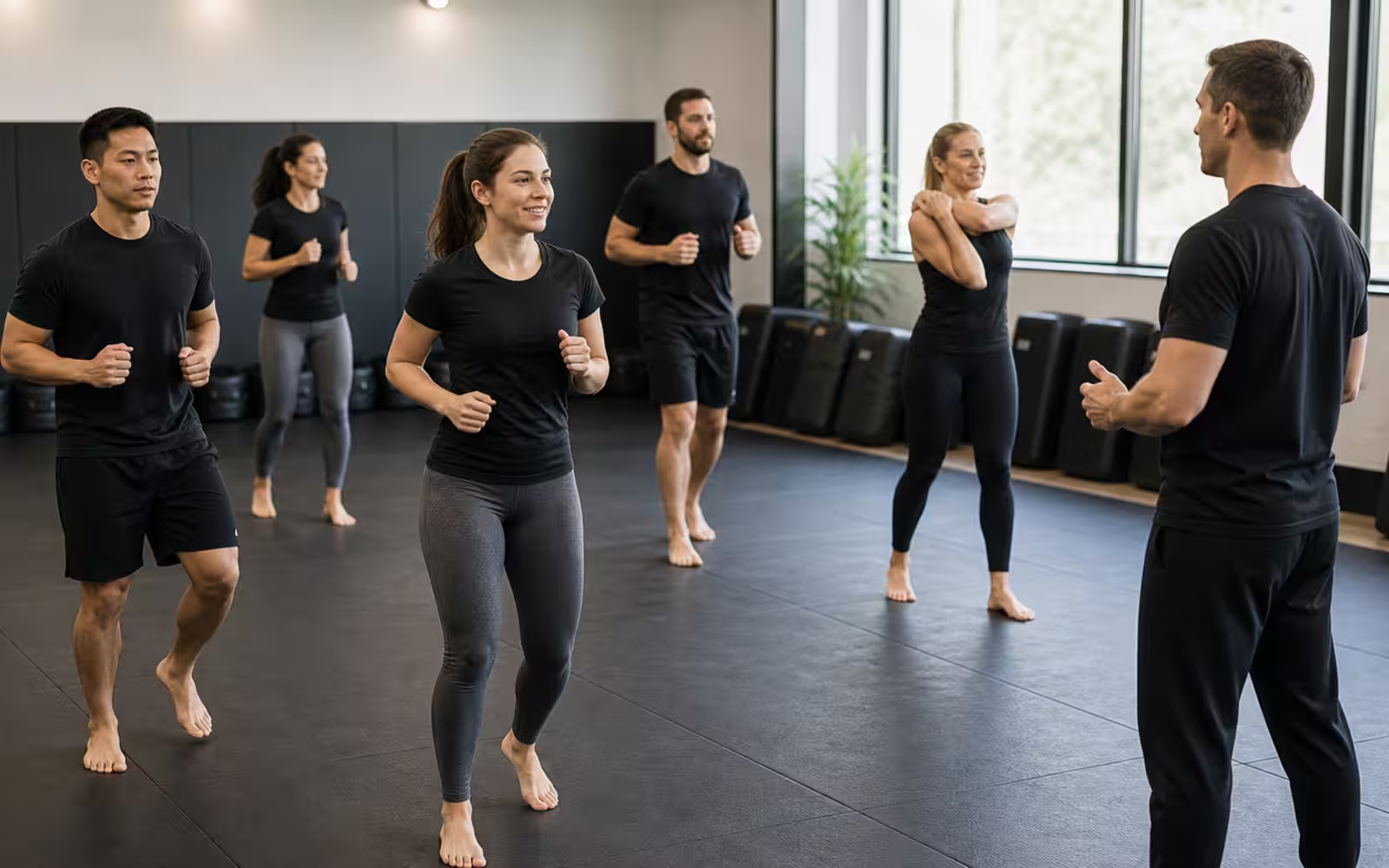
Warmup usually comes first. It may look like fitness, and some of it is, but the deeper purpose is to bring your attention into your body. Jogging, squats, shoulder circles, hip movement, crawling, light sprawls, or simple reaction games tell you how you are arriving that day. Maybe your knees feel stiff. Maybe your breathing climbs faster than expected. Maybe you discover that turning quickly makes you lose track of the room. None of that is embarrassing. It is information.
The instructor may then gather the class and introduce a theme. In a beginner class, the theme might be stance, movement, straight punches, pad holding, boundary language, getting up from the floor, or defending space while exiting. The best instructors explain the problem before they explain the movement. They do not just say, “Do this.” They say what the drill is trying to solve, what the safety concern is, and what a beginner should focus on first.
You may feel an urge to memorize everything. Resist it. In a first class, your job is to understand the shape of training, not to leave with a complete self-defense system. If the instructor gives a stance, feel how your feet meet the floor. If they show hand position, notice whether your shoulders climb toward your ears. If they ask you to move, notice whether you can step without looking down. These small observations are the first layer of skill.
Partner work is where the room reveals its character. You may be paired with someone more experienced, someone your size, someone much larger, or another new person. A healthy partner introduces themselves, asks if you have injuries, listens to the instructor, and works at the agreed intensity. They do not turn every repetition into a test. They do not punish mistakes. They do not use your first day to show what they know. Good partners make the room safer and better.
If a drill involves contact, speak early. Saying “lighter, please” is not weakness. Saying “my shoulder does not like that angle” is not drama. Saying “can we slow that down once?” is part of training. Krav Maga attracts people who want practical answers, but practical does not mean careless. A room where people cannot communicate intensity is a room where preventable injuries gather.
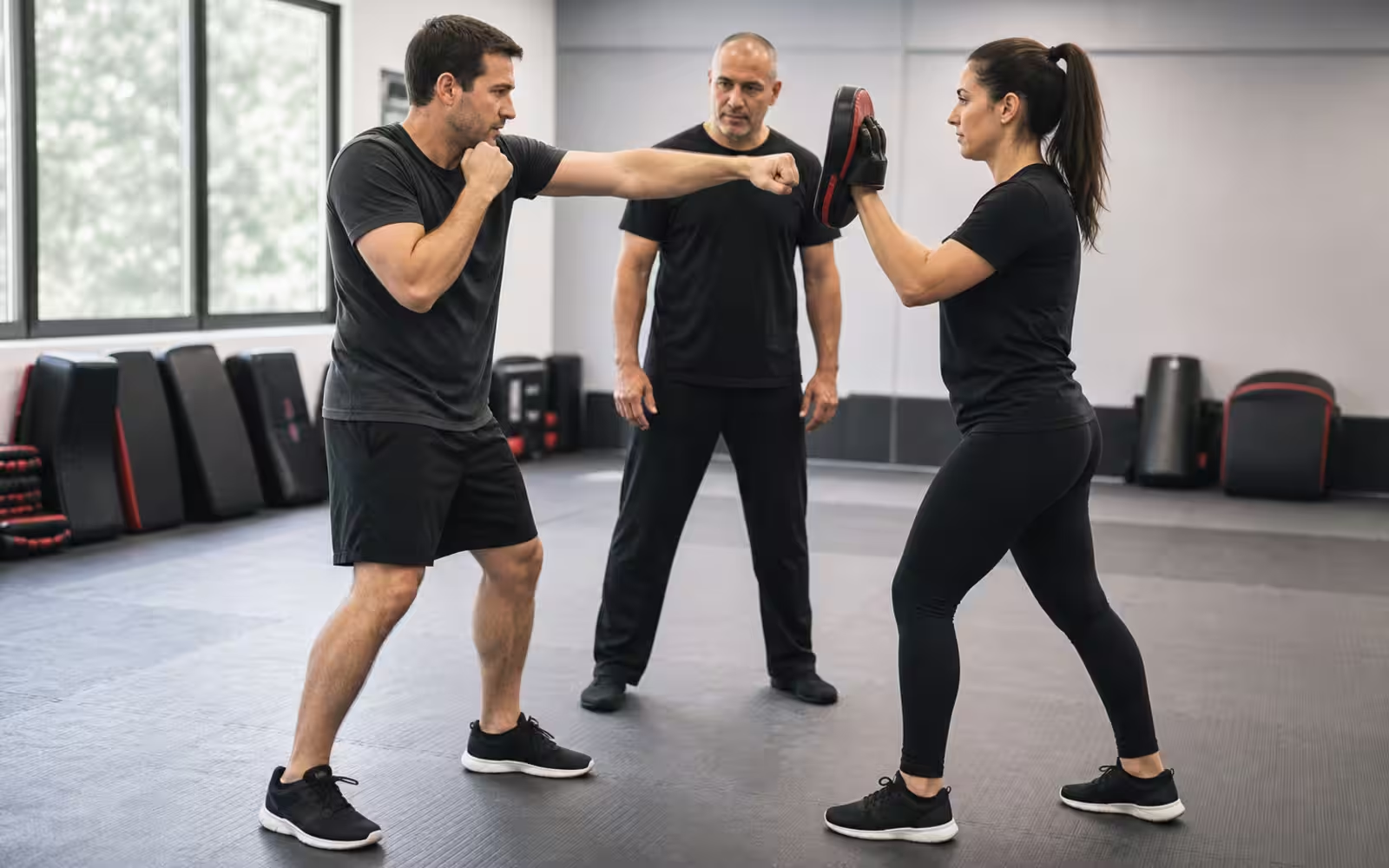
Padwork may arrive sooner than you expect. The first time you hit a pad, there may be a little shock. It is loud. It has weight. Your hand may not land how you imagined. You may tense your jaw or hold your breath. The pad holder may step back, and suddenly the distance changes. This is why pads are useful. They turn imagination into feedback.
The instructor should teach both sides of the pad. Striking safely matters, but holding safely matters just as much. A pad held too loosely can snap into the holder. A pad held at a bad angle can bend the striker’s wrist. A holder who drifts backward without warning can pull the striker off balance. When the coach cares about those details, the class learns respect without needing a speech about it.
At some point, the class may get more intense. There may be a short burst of striking, a reaction drill, a verbal boundary drill, or a movement problem that asks you to find an exit while tired. This is often the moment beginners decide whether Krav Maga is for them. The body gets loud. The mind wants certainty. The drill keeps moving.
Good pressure does not erase consent. It has rules. It has supervision. It has a way to stop. It teaches a lesson beyond exhaustion. If the drill is simply chaos and the explanation is “real life is chaos,” be skeptical. Real life is also medical bills, legal consequences, trauma, and people with different bodies. Training should prepare the nervous system without using confusion as a substitute for coaching.
The end of class can feel oddly quiet. You may stretch, clean pads, bow out, shake hands, or listen to a short recap. This is a good time to notice what stayed with you. Maybe it was a technical correction. Maybe it was how quickly your breathing changed. Maybe it was the relief of finding a kind partner. Maybe it was a red flag you should not ignore. First classes are not only about whether you liked the activity. They are about whether the school earned your trust.
After class, do not grade yourself by toughness. Grade the environment. Did someone explain safety? Did the instructor watch the room or perform at the front? Were beginners treated like future students or disposable trial bodies? Did the class include avoidance, exits, or communication, or only impact? Did you feel challenged without feeling abandoned? Did you leave with a clearer sense of what to practice next?
Your body may be sore the next day. That is normal, but sharp pain, dizziness, joint pain, or anything that changes how you walk is not something to romanticize. Hydrate, sleep, and give yourself time. If you have health concerns, injuries, or medical restrictions, talk to a qualified professional and tell the instructor before the next class. Silence does not make training safer.
If the room was good, go back for a second class before making a grand identity out of it. Krav Maga is best understood through repetition. The first class introduces the vocabulary. The second class shows whether the school repeats safety. The third class starts to reveal whether you can become consistent. Consistency, not intensity, is what turns nervous first-day movements into something you can trust.
The door will feel easier next time. Not easy, maybe, but easier. You will know where to put your bag. You will know how the warmup begins. You may recognize one person. You may still be awkward. That is fine. A first class is not an audition. It is a first conversation with a practice that should make you more capable and more careful at the same time.