Self-defense training often starts with a single adult body. The student learns to stand, use voice, move, protect the head, strike pads, and leave. That clean starting point is useful in class, but it can hide one of the most common complications in ordinary life: you are not always alone, and the people with you may move more slowly than the danger clock.
Family errands make that difference visible. A child may stop for a dropped toy. A stroller may not fit through the gap you chose. An older relative may need the ramp instead of the stairs. A partner may keep arguing because they do not share your read of the situation. A bag, cart, car seat, or grocery basket may take one hand at the exact moment you want two.
The Slowest Person Sets The Real Plan
The useful plan is the one the group can actually use. If a student can sprint through a narrow gap but the child, stroller, or slower adult cannot follow, the plan is imaginary. If the student can step off the curb quickly but the companion needs a hand, the timing is different. If the student can leave a conversation but the family member wants to explain, the emotional exit is slower too.
Krav Maga When You Are Not Alone covers the broad principle of companion movement. Family errands deserve their own attention because they combine low-level distraction with responsibility. The student is often doing a normal task, not scanning like a guard. They may be buying groceries, waiting at a pickup line, loading a car, finding a restroom, or answering a child’s question. The problem is not lack of courage. It is divided attention.
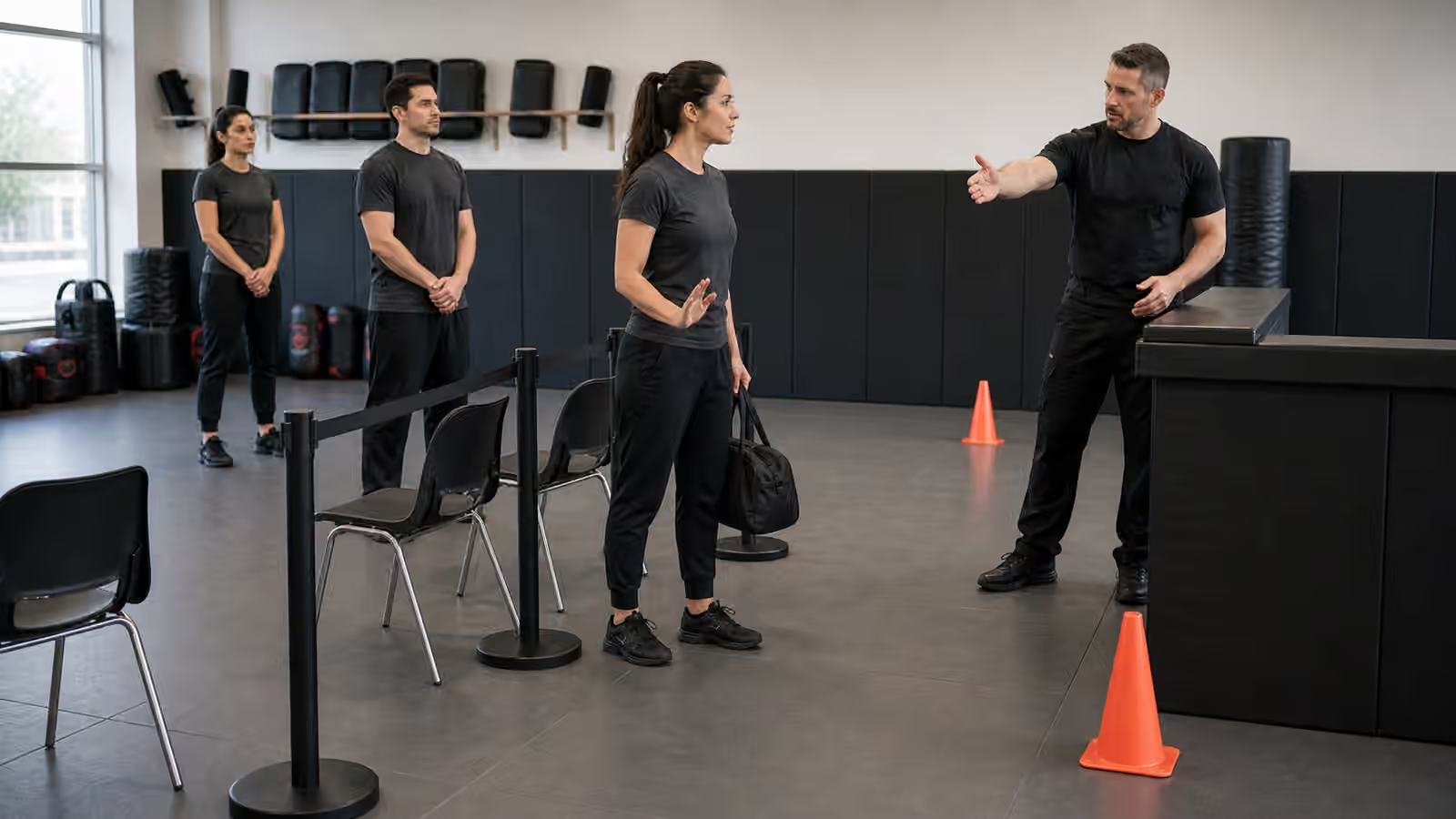
Training should honor that reality. A drill can place a stroller prop, chair, or soft bag in the room and ask the student to move through a marked exit with a partner playing the companion. The lesson is usually humbling. Students who move well alone may block the route with their own body. They may guide too hard. They may forget to check whether the companion is still behind them. They may choose an exit that works only for themselves.
Children Do Not Become Training Partners On Command
Adults sometimes imagine that a child will obey instantly if something feels wrong. Real children may freeze, cry, reach for an object, ask why, resist being guided, or move toward a familiar person even when that person is in the wrong direction. A written guide should not pretend to solve every family situation. The training point is simpler: leave earlier because children need more time.
Crowded Space Awareness is relevant because many family errands happen in crowds. School entrances, grocery aisles, festivals, parking lots, elevators, and clinic waiting areas all limit movement. A solo adult can sometimes wait for a gap. A caregiver may need to create the gap before the child is tired, hungry, scared, or absorbed in something else.
This does not require alarming language. A parent can say, “This way,” “Stay close,” “Hold here,” or “We’re leaving now” in an ordinary voice. The words should be familiar before stress. If the only time a child hears clear movement instructions is during a real problem, the adult has made timing harder. Families can practice everyday coordination without calling it self-defense: walking on the same side of a parking lane, waiting away from doors, keeping hands free when crossing, and knowing where to stand while the adult loads the car.
Strollers And Carts Are Small Vehicles
A stroller, shopping cart, rolling suitcase, or wagon changes the body the way a vehicle door changes the parking lot. It creates a front end, a turning radius, a handle, and a delay. It may block the adult’s hands. It may make backing up awkward. It may turn a narrow aisle into a place where the adult cannot angle off without first moving the object.
Vehicle Loading Awareness in Krav Maga and Hands Full in Krav Maga both apply. The object should not own the adult. Sometimes the right choice is to pause earlier, turn the stroller before entering a narrow lane, ask a companion to take the cart, or leave the cart behind. Sometimes the better route is longer because the wide path is the one the group can actually use.
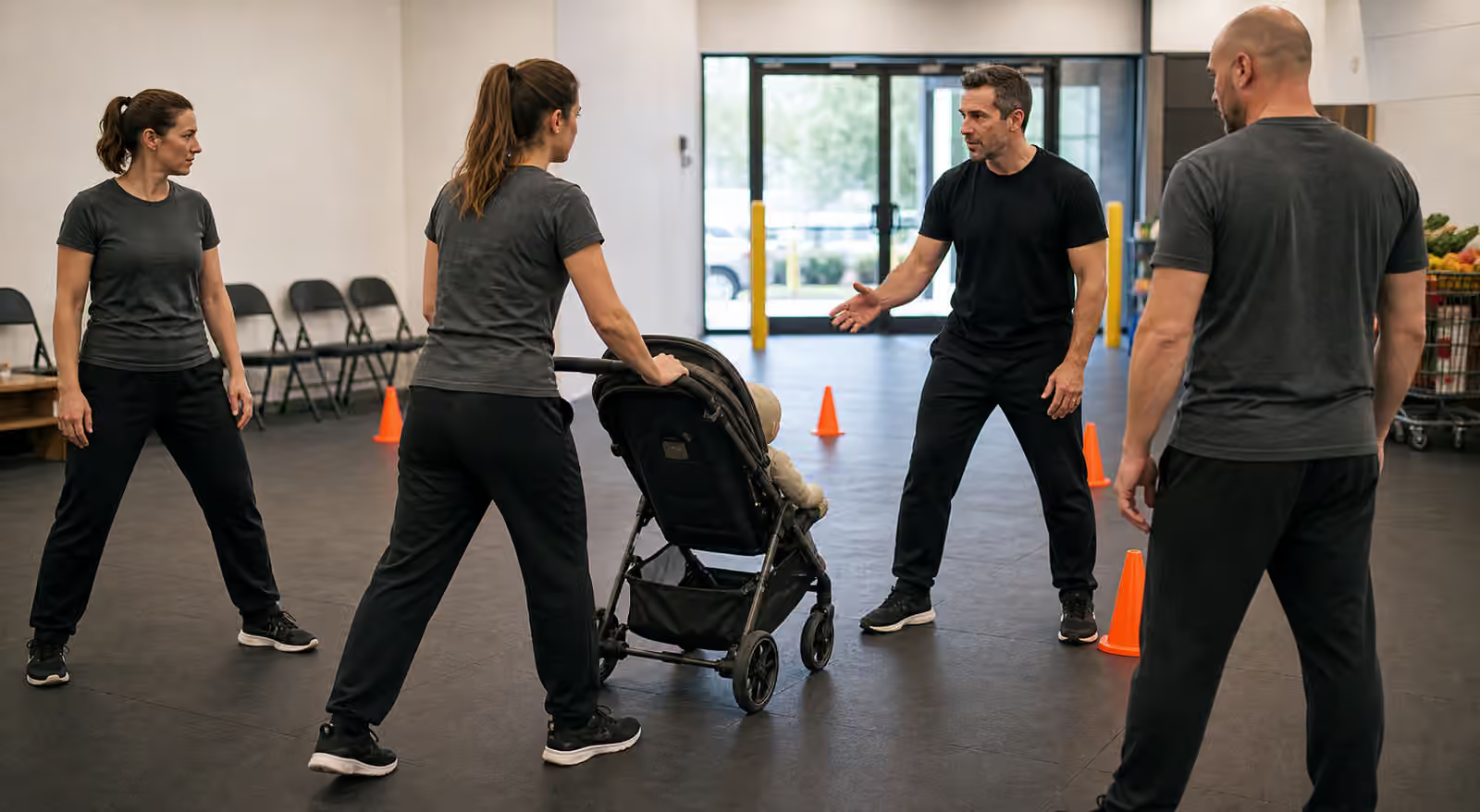
In class, a stroller prop can be simulated with a chair or pad stack. The student pushes it slowly through a marked route while a partner creates mild crowd pressure by standing near the lane. The student practices voice, angle, and stopping distance. No one needs to pretend a child is in danger. The purpose is to learn how the object changes movement before the student’s emotions make the decision for them.
Pride Is Expensive With Family Nearby
Family errands are full of small social pressures. Someone cuts a line. A driver gestures rudely. A stranger comments on parenting. A child is embarrassed. A partner wants the last word. The student may feel the old pull to defend dignity in public. Krav Maga should make that pull easier to see and easier to refuse.
De-escalation and Verbal Boundaries gives the larger frame. Boundaries are not speeches. They are tools for distance and decisions. With family nearby, the cleanest boundary may be leaving without proving the point. It may be changing aisles, entering a staffed place, ending the errand, or letting someone else be wrong out loud.
This is not weakness. It is responsibility. A child, stroller, or slower companion pays for the adult’s pride with less mobility. A student who trains only the physical answer may miss this. The family version of skill is often the earlier swallow of ego, the quieter route, and the willingness to look rude to keep the group moving.
Parking Lots Stretch Attention Thin
Many family errands end in parking lots. Bags need loading. Children need buckling. Doors stay open. Carts need returning. Phones ring. Weather changes. The adult may be tired and ready to be done. This is exactly when attention narrows.
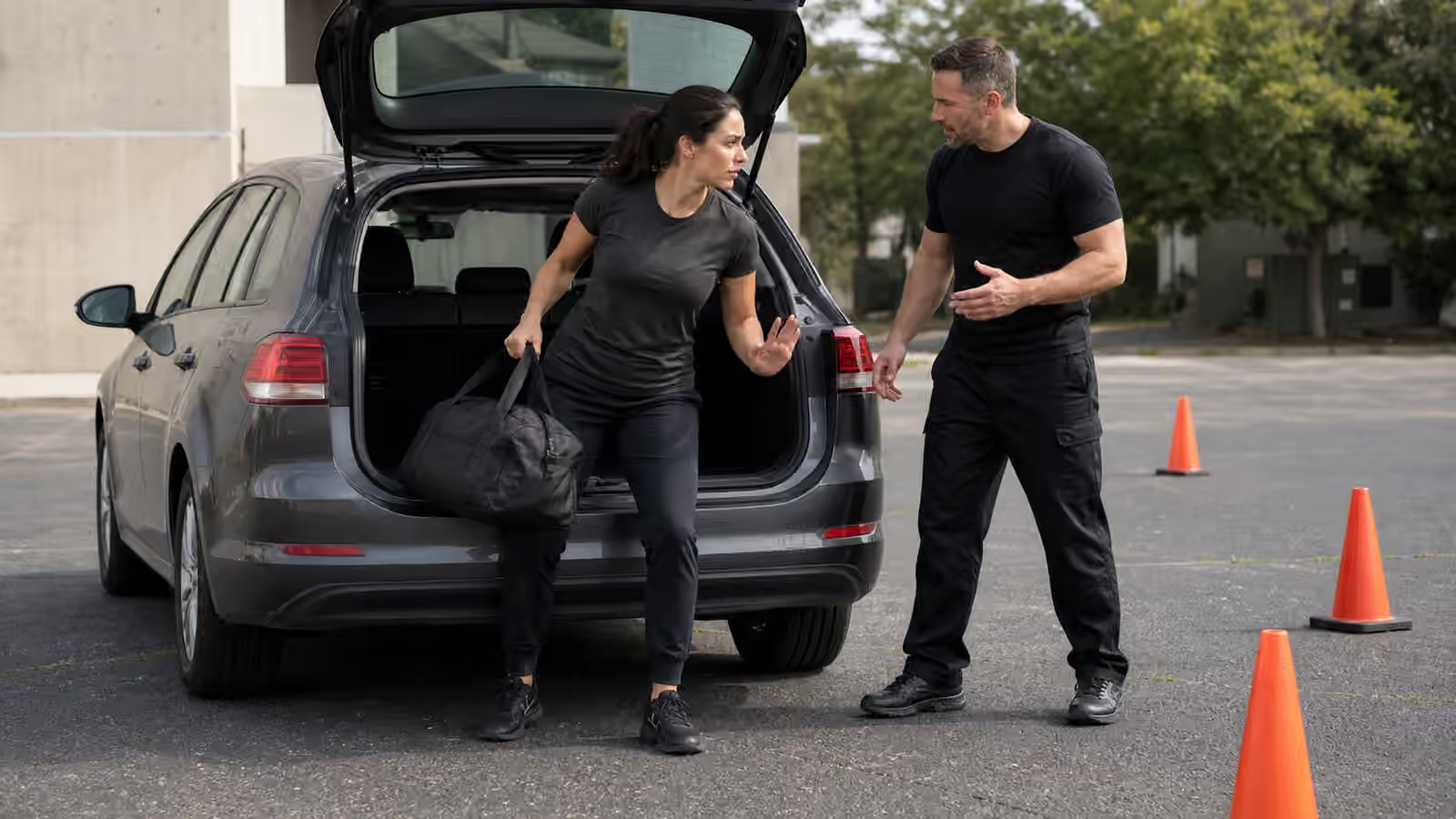
Low-Light Parking Lot Awareness covers parking-lot decisions, and family errands add more moving parts. A child may stand where the adult cannot see them while loading. A stroller may sit between cars. A cart may roll. The adult may turn their back while managing a buckle or bag. The answer is not paranoia. It is staging.
Staging means choosing the order of the task. Look before opening doors. Keep the child on the side that gives the adult more control. Avoid burying both hands in the trunk while the group is scattered. Close a door when the task is done. Move to light, staff, or open space if something feels wrong. These are ordinary habits that reduce the number of moments where the adult is bent, boxed in, and mentally overloaded.
Train The Transition, Not The Hero Moment
The most useful family-errand training happens in transitions. Leaving a store. Entering a lobby. Getting out of a car. Crossing a parking lane. Waiting near a restroom. Moving from a table to a door. Those moments are too plain to attract cinematic attention, but they are exactly where hands, bags, companions, and social pressure combine.
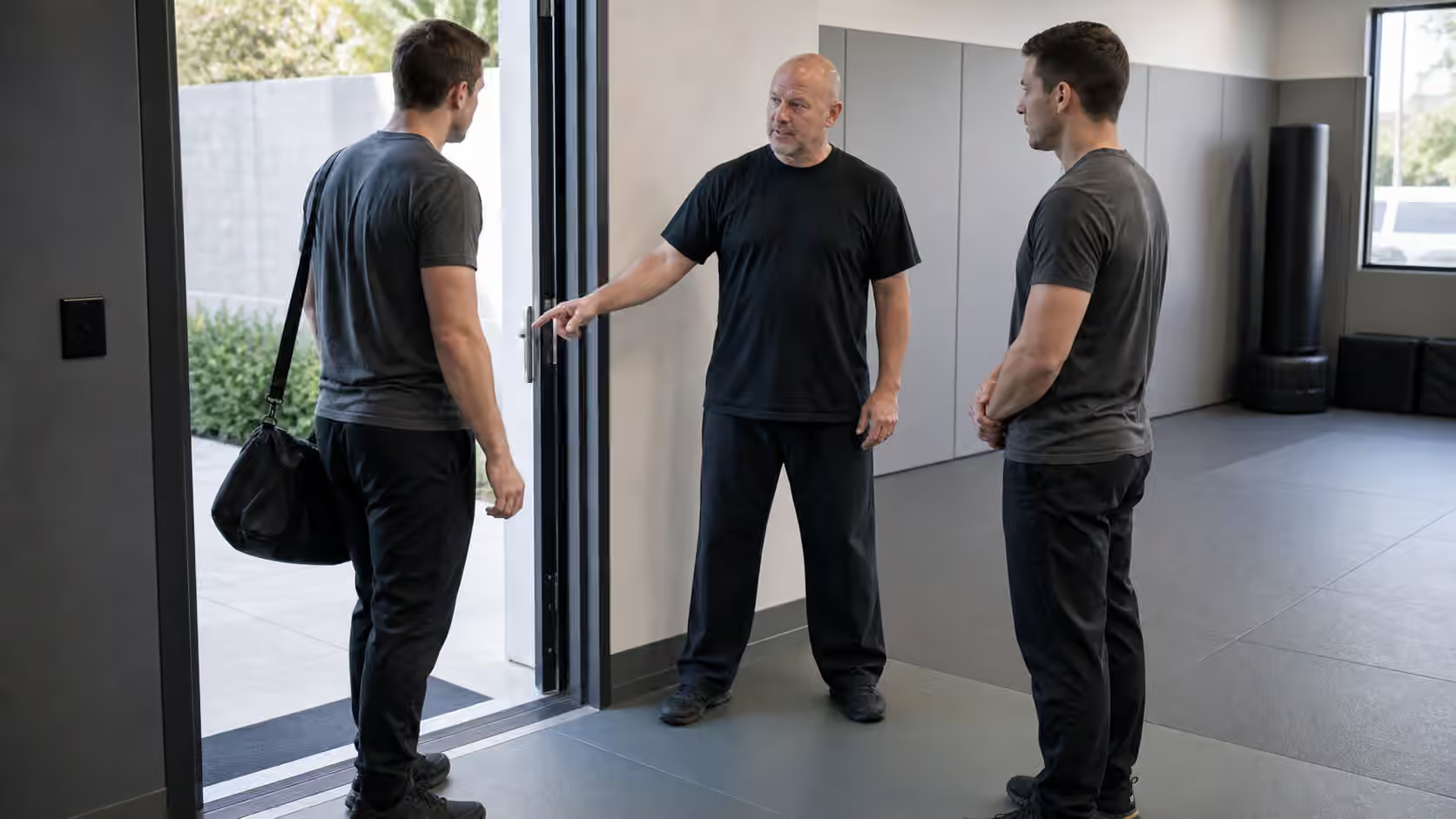
Environmental Movement in Krav Maga can be adapted for this. Add a soft bag, a chair as a stroller, and a partner as a slow companion. Ask the student to use one clear sentence, keep the lane open, and move at the companion’s speed. Then debrief. Did the student block the route? Did they look back? Did they guide without yanking? Did they choose the wide lane early enough?
The physical skills still matter. Balance, voice, framing, and distance matter. But family errands reveal that timing may matter more. If the group leaves before the argument becomes a scene, no technique is needed. If the adult organizes the stroller before entering the bottleneck, no scramble is needed. If the child already knows the ordinary words for moving close, the adult is less late when the room changes.
Krav Maga should make people more capable, not more theatrical. With family nearby, capability often looks like patience, staging, and humility. The student becomes less attached to winning the moment and more committed to getting everyone through the next door with options still open.