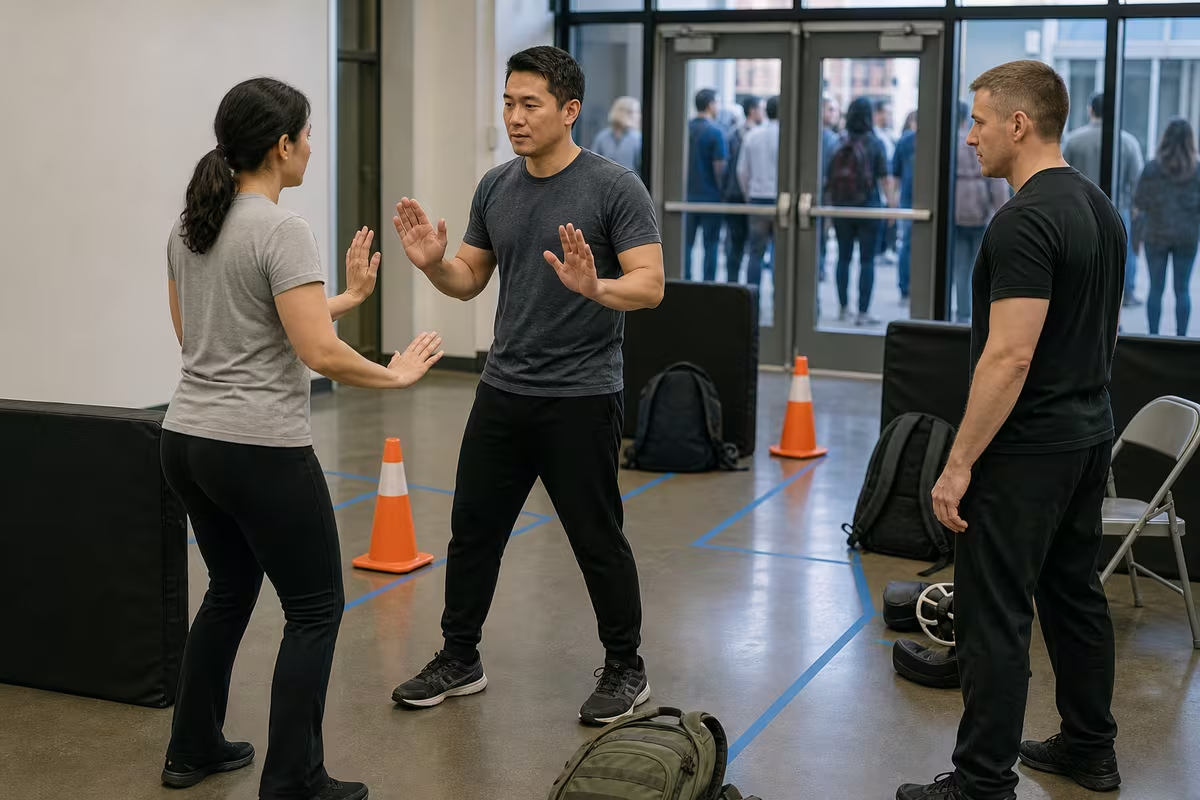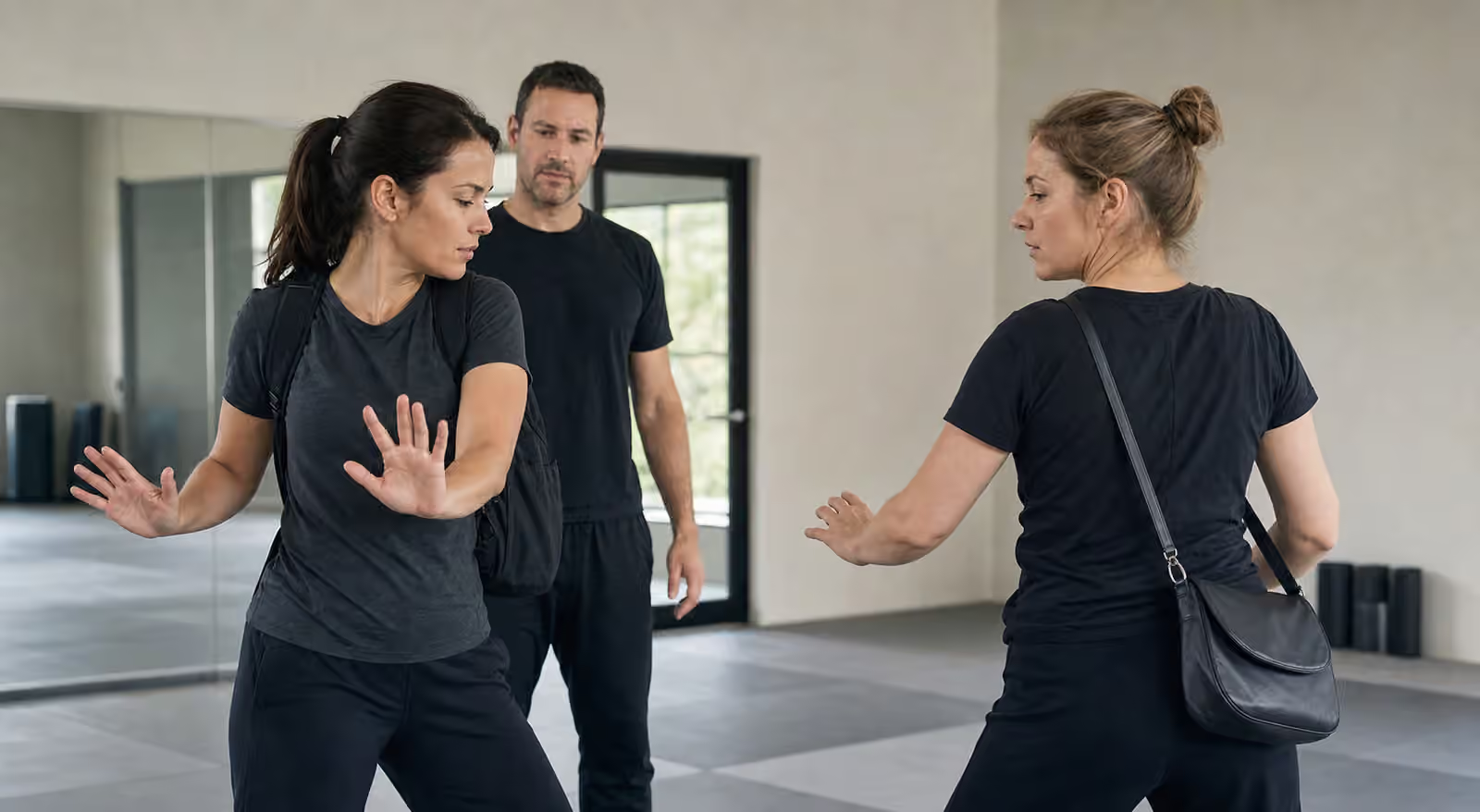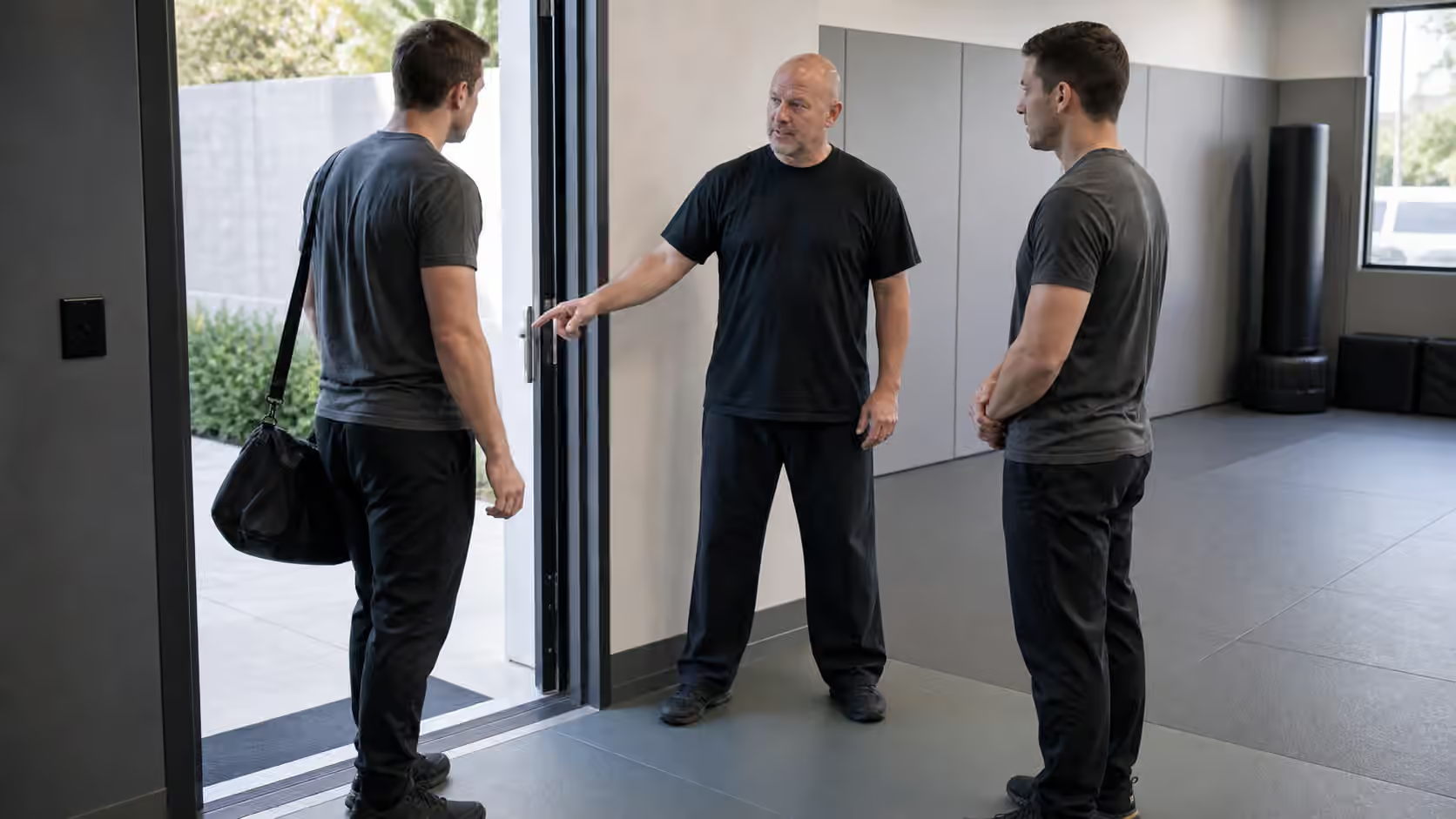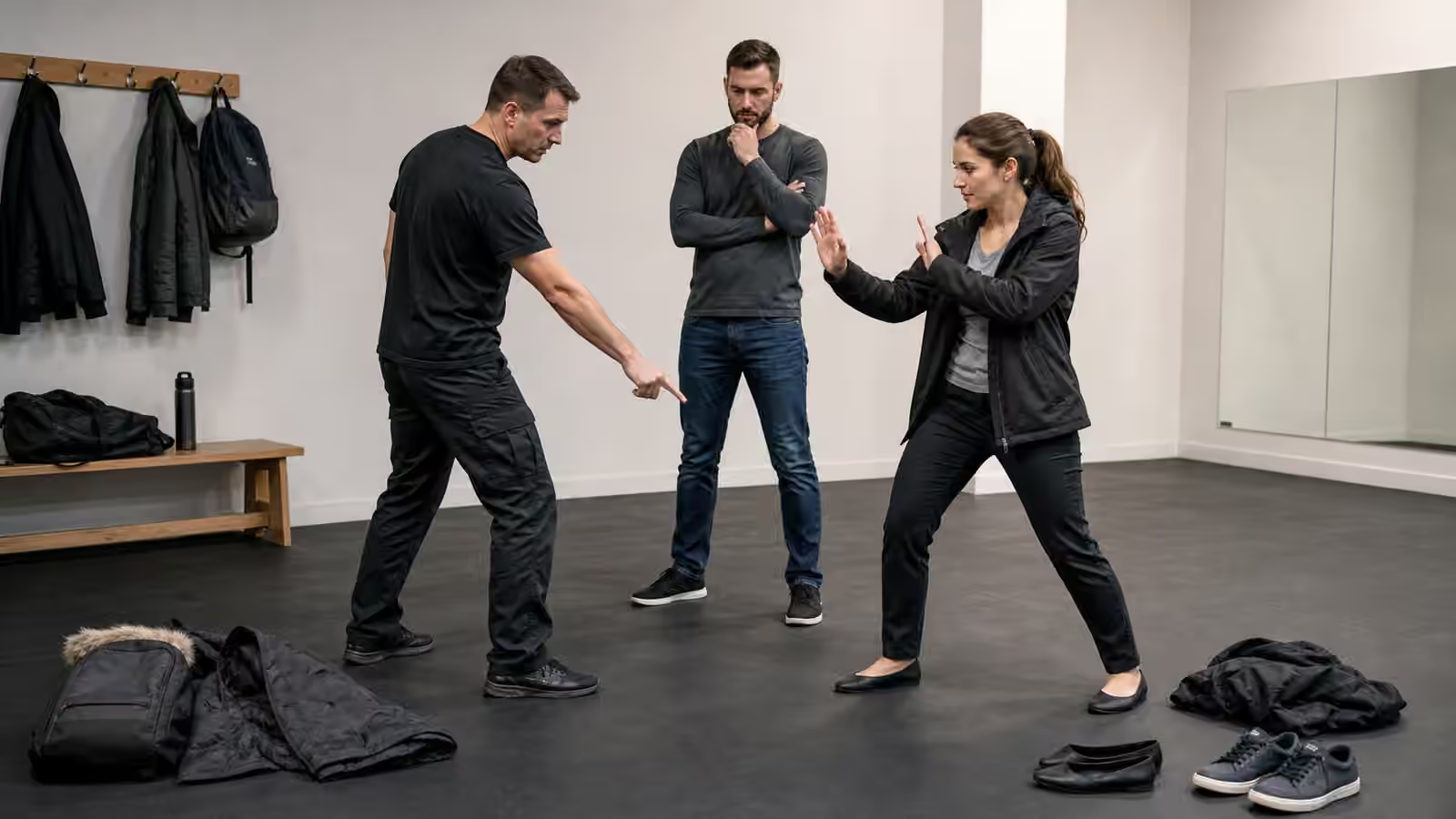
Krav Maga students usually practice in clothing chosen for class: athletic pants, clean shoes or bare feet depending on the room, a shirt that moves, empty pockets, and gear arranged away from the training area. That setup is useful because it lets beginners learn without fighting their own clothes. Daily life is less tidy. A coat can catch at the shoulder. Shoes can slip, stick, or change balance. A bag strap can pin one arm. A phone, keys, wallet, or badge can make a pocket heavy. Weather can make the ground wet and the body tense.
This is not a shopping guide and not a command to dress defensively. People wear what work, culture, weather, budget, identity, comfort, and the day require. The self-defense question is more modest: how does what I am wearing change my movement, and can I notice that before the movement matters?
Krav Maga Training Gear covers the equipment that belongs in class. Everyday clothing awareness looks at the gap between the mat and the street. The goal is not to create anxiety about every garment. It is to stop being surprised by ordinary constraints.
Shoes Teach the Feet What They Can Do
Footwear changes the relationship between the body and the ground. A shoe with a tall soft sole may feel comfortable for walking but unstable during a fast angle change. A slick sole may make a polished floor feel longer than it is. A boot may protect the foot while making pivots clumsy. A sandal may change how confidently someone can step backward. Dress shoes, work shoes, winter boots, and running shoes each have their own tradeoffs.
Krav Maga training can explore this safely by slowing the lesson down. Students do not need to sprint in street shoes or perform dramatic movements in unsafe footwear. They can stand, shift weight, take a small angle, and notice how the shoe behaves. Does the heel lift early? Does the sole catch? Does the foot slide? Does the student shorten steps because the shoe feels uncertain? That information is enough to make daily movement more honest.
Footwork and Balance is the foundation here. Balance is not a fixed trait. It changes with surface, shoe, fatigue, and attention. A student who feels stable barefoot on a mat may feel narrow and cautious in wet shoes on tile. That does not mean the training failed. It means the student has found the real question: can the movement be adjusted before the body overcommits?
The practical habit is a short check at transitions. When you leave a building into rain, the ground changed. When you step from pavement onto grass, the ground changed. When you enter a lobby with polished flooring, the ground changed. When you are wearing shoes you rarely wear, the body changed. Awareness begins by letting those facts matter.
Coats, Jackets, and Stuck Shoulders
Upper-body clothing changes hands, shoulders, and posture. A heavy coat can make the arms slower. A tight jacket can pull across the back when the hands rise. A hood can limit peripheral vision if it sits badly. A scarf, strap, lanyard, or long necklace can become something the student worries about before they worry about space. A loose layer can hide the hands from someone else or from the student themselves.
Good training does not turn clothing into a costume problem. It asks simple questions. Can you raise your hands into an open protective posture? Can you turn your shoulders without the jacket pulling you off balance? Can you remove your hands from pockets quickly enough to use a boundary gesture? Can you step without the coat brushing a chair, railing, or car door in a way that slows you?
Open-Hand Protective Posture becomes more practical when clothing is included. An open-hand posture should look and feel ordinary enough to use before a situation becomes physical. But if the coat traps the elbows or the hands are buried in pockets, the posture may not appear when needed. The answer is not to dress like a training dummy. The answer is to notice when the hands are less available and adjust position earlier.
Weather makes this stronger. Cold hands stay in pockets. Rain makes people hunch. Wind makes people look down. Heat makes people tired and irritable. None of this is dramatic, but it changes awareness. A student who knows they become pocket-bound in cold weather can choose to free one hand before crossing a quiet lot or entering a doorway. That small choice is more useful than pretending the body will behave perfectly under pressure.
Pockets and Bags Pull Attention
Pockets are easy to ignore until they are full. A phone in a pocket can make the hip feel guarded. Keys can stab during a level change. A wallet or tool can make sitting and standing awkward. Earbuds, coins, cards, and hard cases can spill, bruise, or distract. In class, instructors often ask students to empty pockets because partner work makes those risks obvious. In daily life, the same objects shape movement more quietly.
Hands Full in Krav Maga covers objects in the hands, but pocketed objects deserve attention too. A person may reach for a phone while also trying to move. They may keep one hand near a pocket because they do not want something to fall out. They may bend over a dropped item at exactly the wrong time. They may protect a bag strap as if the strap were part of the body.
Training can make this concrete with harmless props. A soft bag over one shoulder, an empty jacket pocket weighted lightly, or a phone-shaped prop can reveal how the body narrows around possessions. The lesson should be careful, not theatrical. Students should not be encouraged to turn keys into weapons or bags into fantasy shields. The first question is always whether the object is costing balance, attention, or a clear exit.
People keep objects close for good reasons. A bag may contain medication, identification, work equipment, money, or documents. A phone may be the way to call help. Krav Maga should respect that. The point is not to shame attachment. The point is to recognize when protecting the object has started to protect the wrong thing.
Training the Gap Between Class and Life
A useful class can occasionally invite students to feel the difference between training clothes and everyday constraints, but it should do so safely. No hard objects in pockets during contact. No loose jewelry in partner work. No shoes that damage mats. No improvised scarf grabs because someone saw a video. The instructor owns the frame and decides what belongs in the room.
The safest drills are often slow. Stand near a doorway marker while wearing a jacket. Put one hand in a pocket, then practice freeing it before using voice. Carry a soft bag while stepping around a chair. Walk across a mat in clean street shoes if the school allows it, then compare the movement with training footwear. The goal is observation, not performance.
This connects to Training Between Krav Maga Classes . Between-class practice does not need to imitate conflict. It can be as simple as noticing how your coat changes a doorway, how your shoes feel on wet stairs, how your bag pulls your shoulder, or how often your hands disappear into pockets during transitions. That is not paranoia. It is literacy in your own movement.
The Clothes Are Not the Enemy
It would be easy to turn this topic into a list of forbidden clothing, but that would miss the point. People have lives. They go to work, religious services, dates, weddings, job sites, errands, gyms, schools, family gatherings, and public spaces with different clothing needs. Self-defense training should not demand a costume for every hour of the day.
The better habit is adjustment. If the shoes are slippery, slow the turn and choose better surfaces. If the coat limits the arms, create distance earlier. If the bag ties up one hand, move before the hand is needed. If the phone is deep in a pocket, do not fish for it while standing in a place that already feels wrong. If the weather makes you look down, pause before the transition that needs your eyes.
Krav Maga is often described through decisive movement, but decisive movement begins with honest information. The body you have in class is not always the body you have outside. Clothing, footwear, pockets, bags, and weather all change the first second. A student who notices those changes is not becoming fearful. They are becoming harder to surprise by the ordinary conditions they already live with every day.