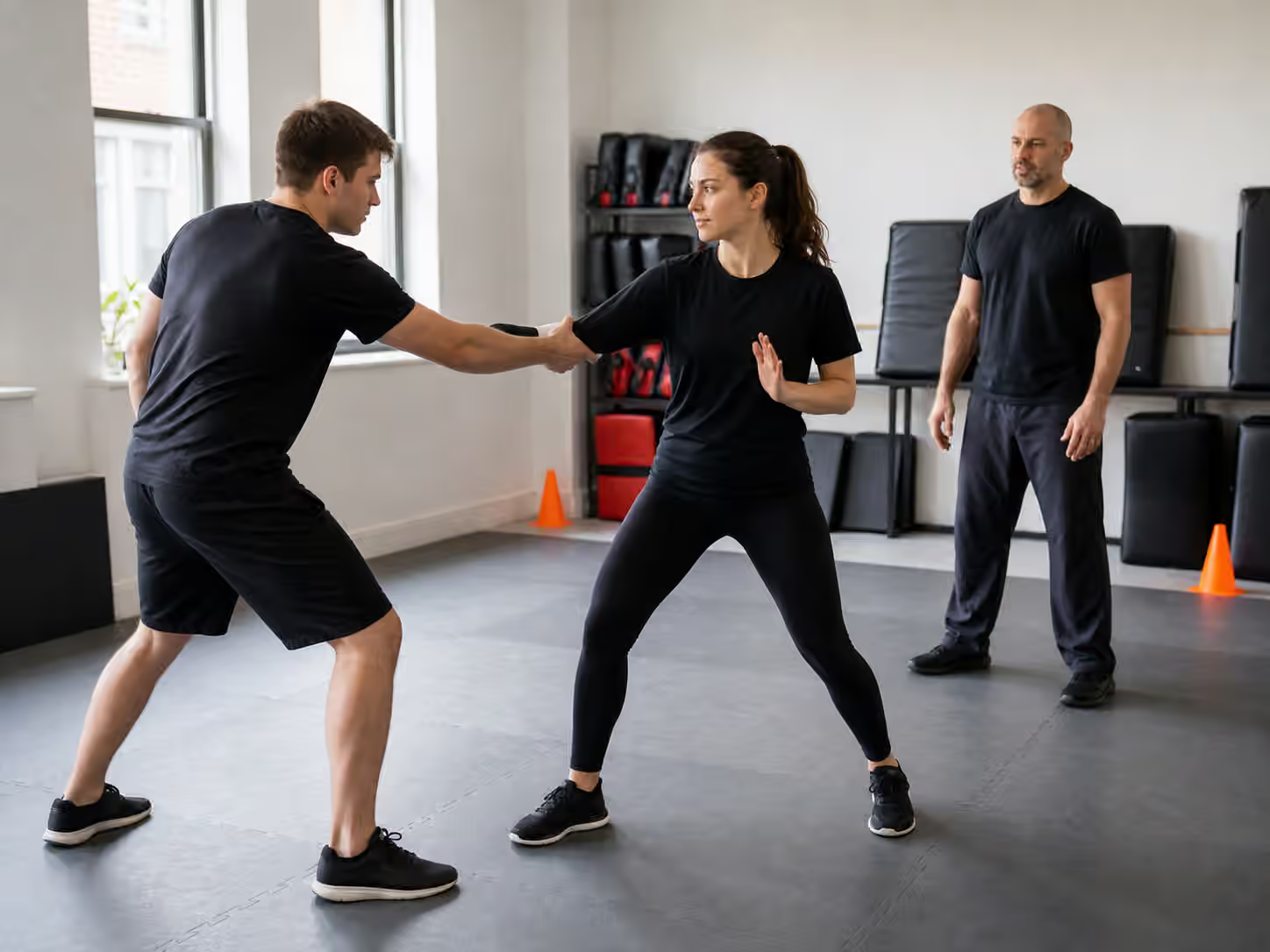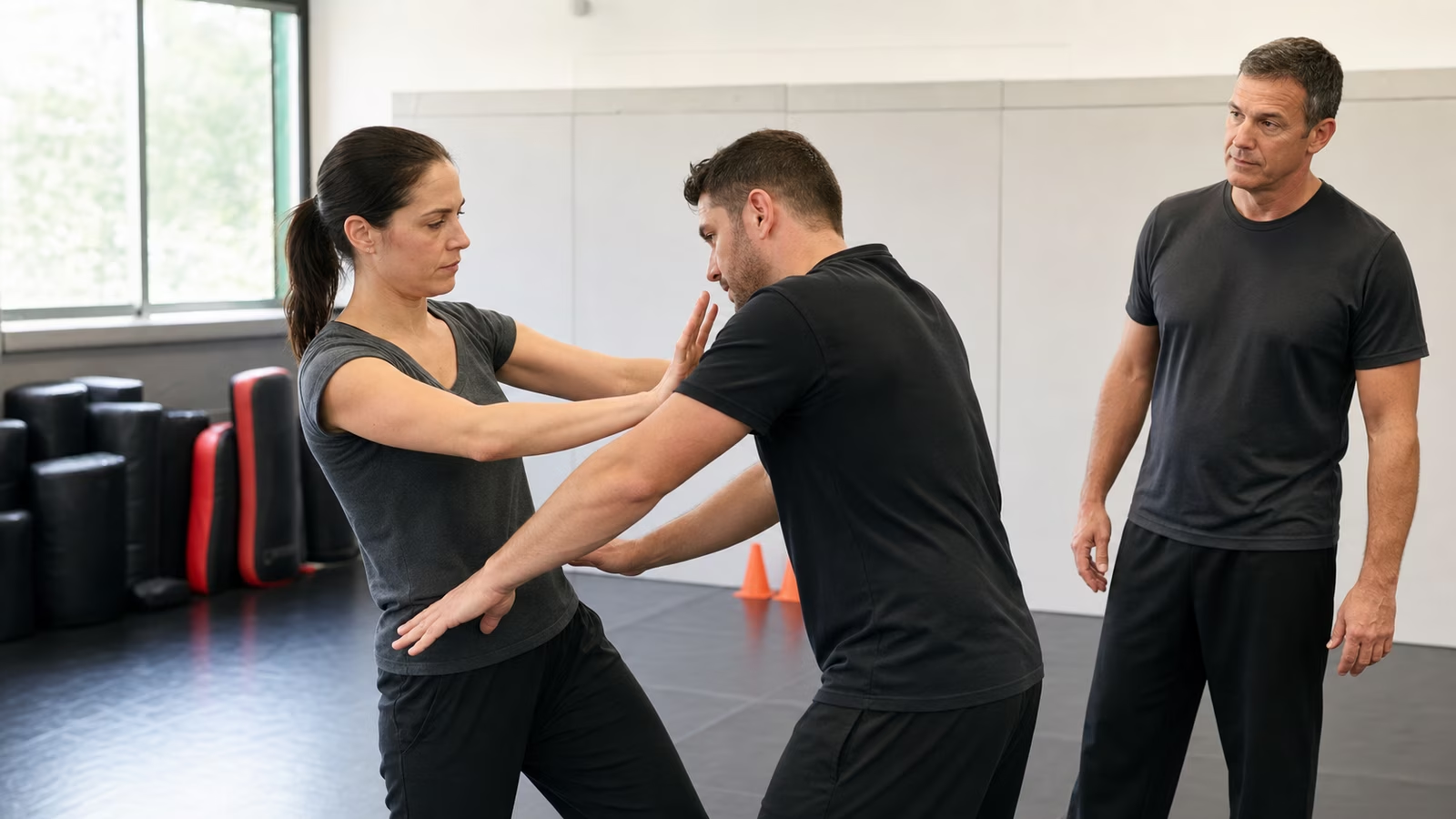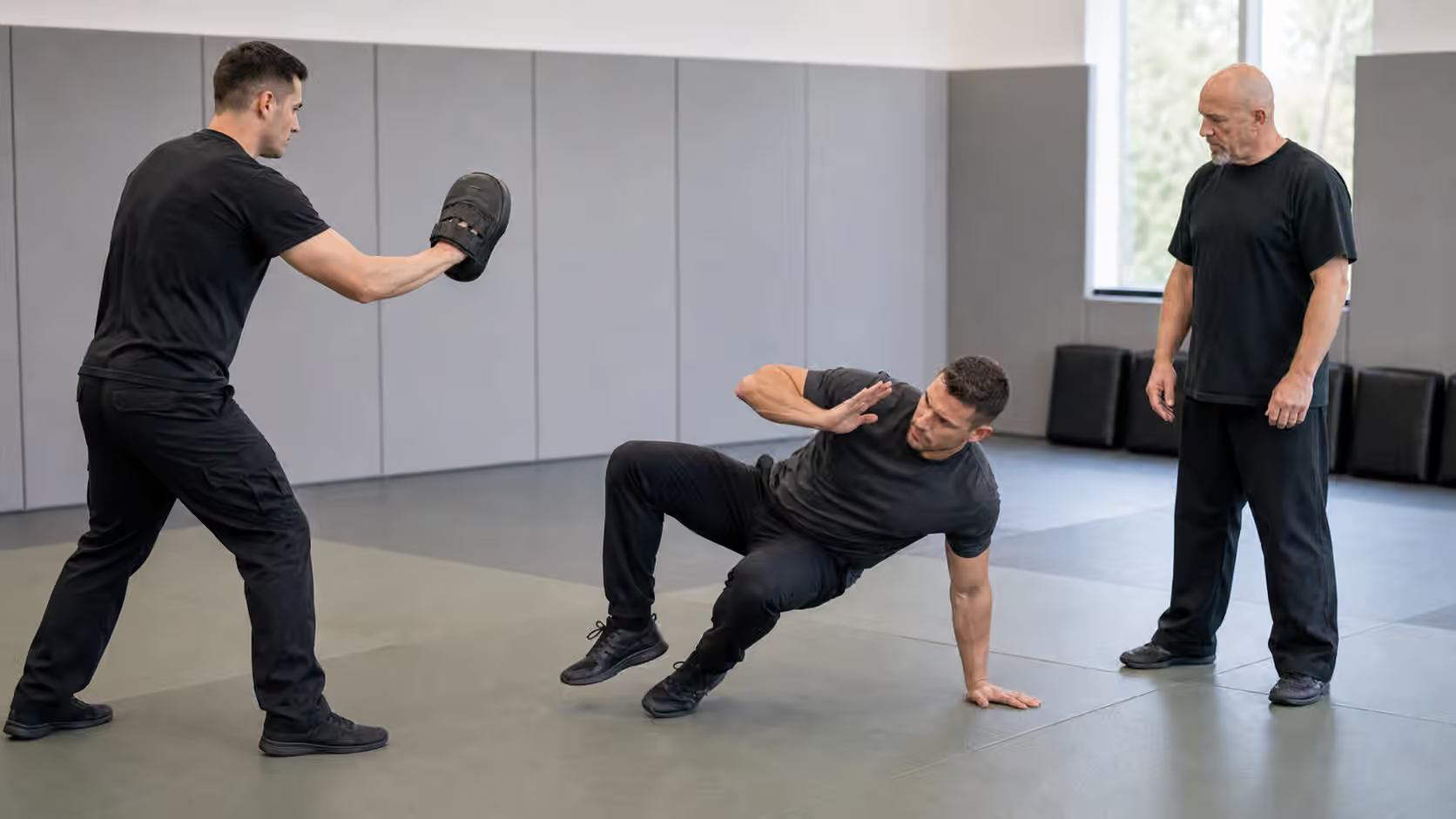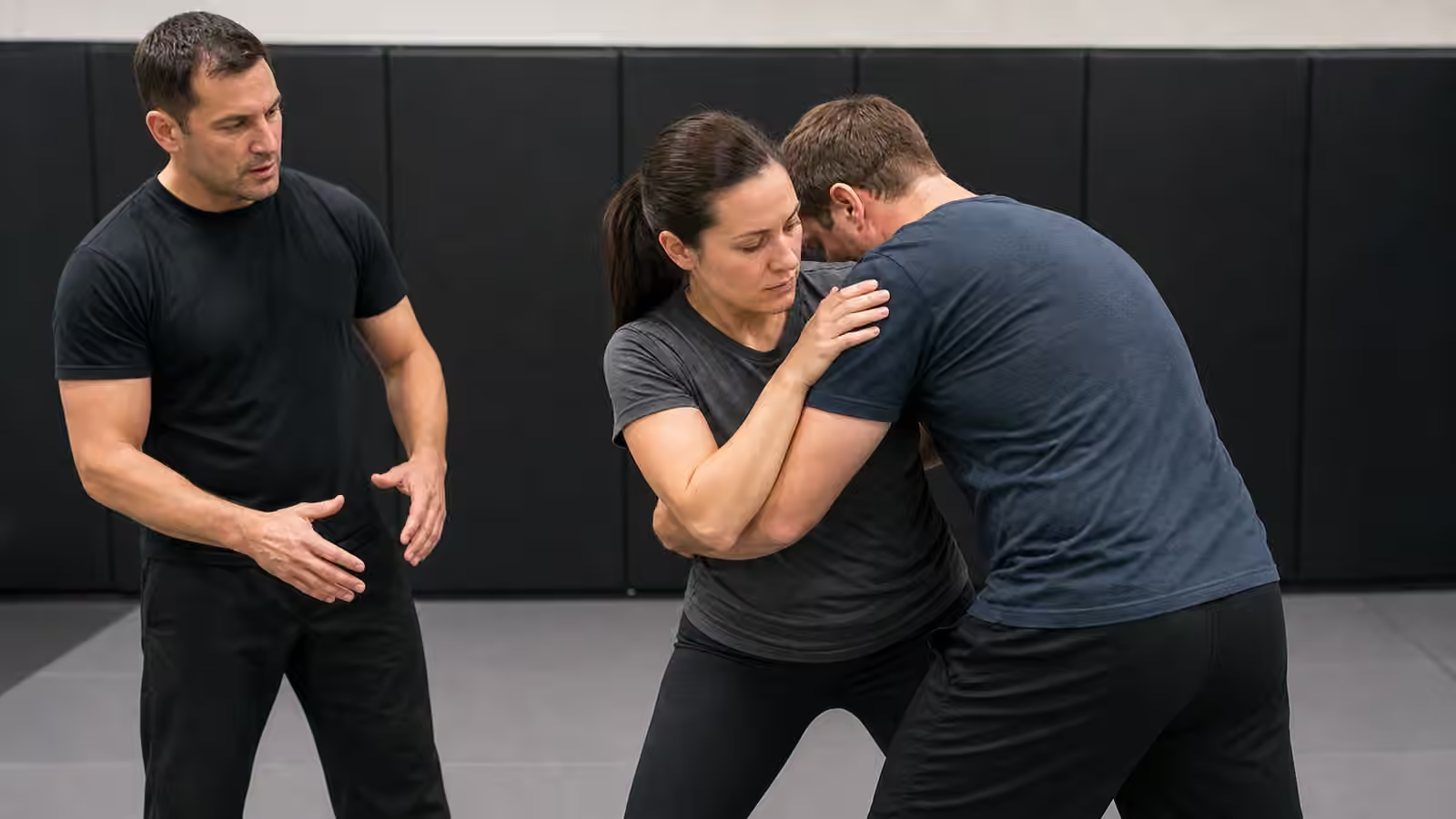
Body-lock and bear-hug drills can make beginners feel late immediately. The space is already gone. The arms may be trapped or crowded. The chest feels compressed. The feet may be too close together. The mind wants a dramatic answer because the body feels contained. Good Krav Maga training has to slow that moment down enough for students to learn something better than panic.
This page is not a step-by-step escape manual. Close body pressure is difficult to learn from text because small changes in angle, balance, arm position, and partner size matter. A qualified instructor needs to see the bodies involved and manage the risk. The useful written lesson is the frame around the training: what the drill is trying to teach, why safety matters, and how students can keep judgment alive when contact feels crowded.
Close Range in Krav Maga is the natural starting point. A body lock or bear hug is one version of close range, not a separate universe. The same ideas still matter: posture, breath, frames, angles, voice, environment, and returning to distance when possible. The student is not trying to win a wrestling match in every repetition. They are trying to recover enough structure to make a safer decision.
The First Problem Is Usually Posture
When someone crowds the torso, beginners often react by folding. The head tips forward, the feet narrow, the shoulders lift, and the breath gets trapped high in the chest. That folded shape makes everything feel worse. It also makes the student more likely to thrash, grab, or twist without a plan. In a controlled class, the first lesson may be as simple as recognizing that posture has disappeared.
Posture in this context does not mean standing tall like nothing happened. It means finding enough base to breathe and move. The knees stay alive. The hips avoid drifting too far behind the feet. The spine looks for organization. The student tries to avoid being bent over, lifted, spun, or pinned into the partner’s pressure. These details are physical, but the principle is plain: if the pressure steals your shape, get some shape back before choosing the next action.
Breathing and Stress Recovery matters because torso pressure often makes students hold their breath. The class may need to pause the drill and ask what happened to breathing before discussing any technique. A student who cannot exhale may not hear the coach, feel their feet, or notice that the partner is giving light pressure rather than full resistance. Recovery begins before the visible movement.
Frames Create Questions
Frames are often misunderstood as stiff arms. In close pressure, a frame is better understood as a structure that creates a little room for choices. It may help keep the head from being buried, keep the chest from being collapsed, or give the hips a chance to turn. The exact shape depends on the starting position, and that belongs in class. What matters for a beginner is the purpose: a frame is not there to pose. It is there to restore questions.
Can I breathe? Can I turn enough to see an exit? Can I keep my feet under me? Can I use voice? Can I create space without injuring my partner in training? Can I disengage rather than stay attached? Those questions are more useful than a memorized answer performed at the wrong time.
This is where Footwork and Balance remains active. Students sometimes think upper-body pressure means the feet are no longer part of the lesson. The opposite is true. A body lock often exposes poor base immediately. If the feet are crossed, narrow, or glued to the mat, the student may feel trapped even when a small step would change the pressure. If the feet are frantic, the student may stumble into the partner or the wall. Slow drilling helps students find the difference.
Partner Safety Is Not Optional
Bear-hug and body-lock drills require more trust than they first appear to require. One partner is placing pressure on another person’s ribs, shoulders, hips, or arms. The defender may feel embarrassed, crowded, or startled. The feeder may be tempted to squeeze harder than the drill needs. If either person treats the repetition as a test of strength, learning narrows and risk rises.
Partner Work in Krav Maga should be read before this training becomes intense. The feeder gives the agreed pressure at the agreed level. They do not lift, yank, twist, crush, or add private resistance because the defender is doing well. The defender does not spike movements, throw elbows blindly, or treat the partner’s body as a problem to punish. Both people are preserving the drill so it can teach more than fear.
Size differences matter. A larger partner can make a body lock feel absolute even at moderate intensity. A smaller partner may compensate with sudden speed or sharpness. Neither habit is ideal. Size Differences in Krav Maga gives the better approach: treat the difference as information. Adjust pressure. Name the goal. Let the coach decide how much resistance belongs in the round.
The stop signal also has to be alive. If a student feels pain, dizziness, panic, or confusion, the drill should pause. Safety Signals and Stopping Early is not only for dramatic sparring rounds. It belongs in close contact precisely because close contact can make people reluctant to speak. A student who taps or says stop is protecting the room, not interrupting it.
Environment Changes the Meaning
A body lock in the center of a padded mat is different from pressure near a wall, chair, doorway, stairwell, car, or table. The environment can remove options quickly. A small turn that works in open space may run into a hard surface. A step backward may find a chair. A partner’s pressure may pin the defender against a wall before anyone intended the drill to go there.
This is why environmental progression must be slow. Beginners should first feel posture and pressure in open space. Then a soft boundary can be added. Then an exit lane. Then perhaps a chair or wall pad. The goal is not to build an obstacle course. It is to show how quickly close pressure becomes more serious when the room narrows.
Wall Pressure in Krav Maga is a useful companion because walls punish delay. If a body lock drives someone toward a wall, the student needs earlier choices, not a more dramatic late answer. Voice, angles, frames, and small steps may matter before the body is fully pinned. Training should reward those early choices instead of waiting until the worst position and then celebrating a heroic escape.
Restraint After Space Returns
One of the most important moments in a body-lock drill is the moment after space returns. Beginners may be so relieved to move that they keep attacking the pad, chasing the partner, or proving that they escaped. That can be understandable, but it misses the self-defense point. If the goal is safety, restored space should reopen judgment.
Can you leave? Can you get behind a barrier? Can you use voice? Can you find a witness? Can you stop using force because the immediate need has changed? Scenario Training and Ethics belongs here because close pressure can stir anger and fear. Training should not teach students to continue simply because adrenaline has arrived.
This is also a place for humility. Some body-lock situations are bad. Size, surprise, numbers, weapons, hard surfaces, and exhaustion can make the problem far worse than a class drill. Krav Maga should not sell certainty. It should give students better odds through earlier awareness, stronger posture, safer practice, and clearer decisions. Sometimes the best lesson is that avoiding the close pressure was far better than solving it late.
Body-lock and bear-hug training is useful when it makes students less surprised by pressure and less eager to thrash inside it. The student learns that breath matters when space is gone, that frames are tools for decision rather than magic barriers, that feet remain part of close range, and that partners must protect each other carefully. Most of all, the drill should return to the larger Krav Maga pattern: organize, create space, look, leave when leaving is available, and keep enough restraint to stop when the need for force has passed.