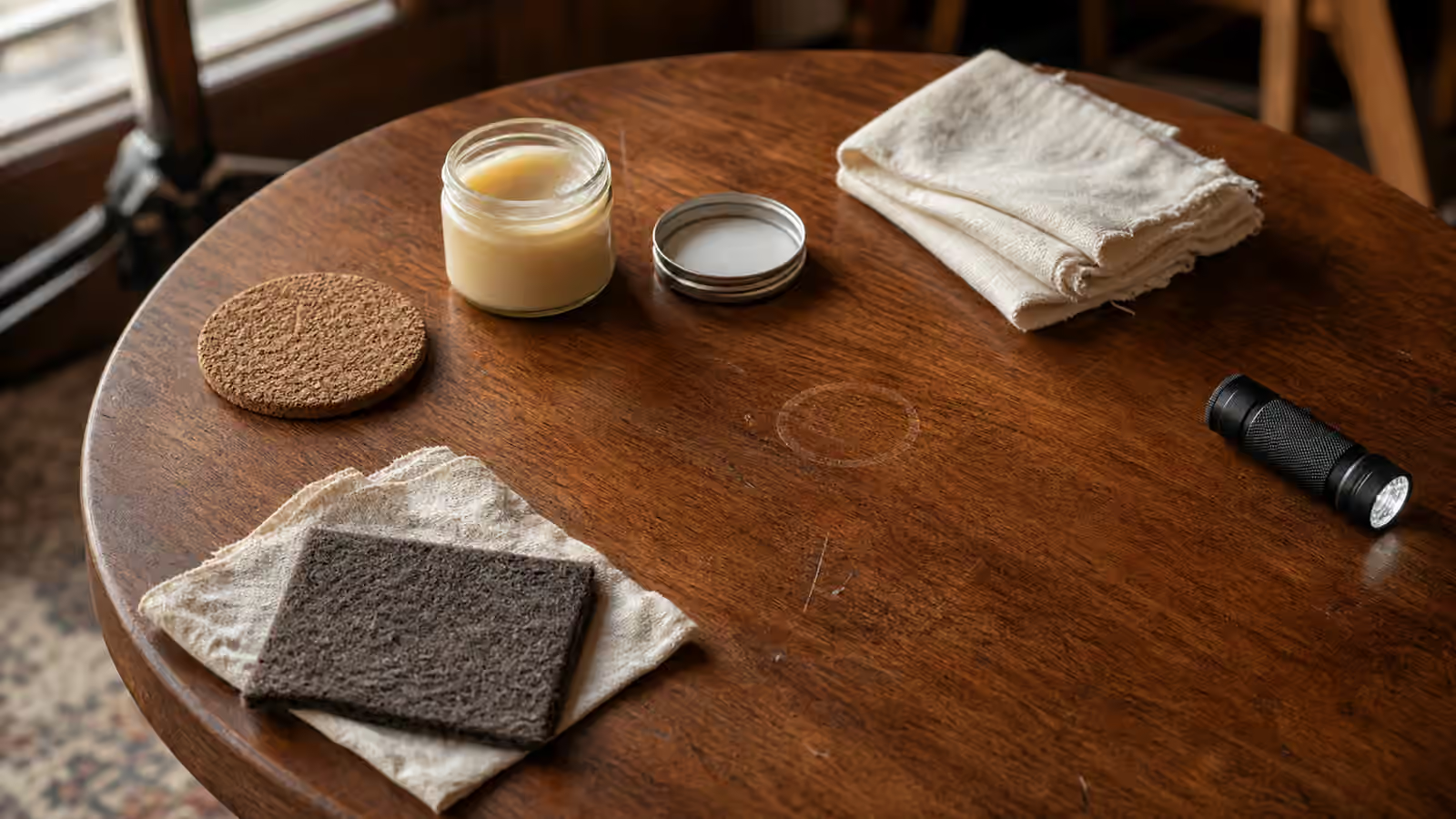
Wood furniture surface problems invite overreaction. A pale ring appears after a glass sits too long, a shallow scratch catches the light, a table feels dry, or a sticky patch makes the whole piece seem neglected. The shelf of possible products is large, and many of them promise more than a beginner should trust. The Keepers Guild approach is slower: identify whether the problem is on the surface, in the finish, in the wood, or part of a structural issue before rubbing, oiling, sanding, staining, or sealing anything.
Read The Finish Before Choosing A Product
Wood furniture is not just wood. It may be bare wood, oil finish, wax, shellac, lacquer, varnish, polyurethane, paint, veneer over a substrate, or a factory coating that behaves differently from traditional finishes. A scratch in wax is not the same as a scratch through veneer. A white ring in a finish is not the same as black staining in the wood. A dry-looking table may need cleaning, not oil. The first repair is accurate observation.
Use raking light from a flashlight or window. Look from a low angle and then from above. Feel gently with a clean hand. If the mark changes only with light, it may be a surface scuff. If your fingernail catches, there is physical depth. If the finish is lifting, flaking, cloudy over a wide area, sticky, or soft, do not start with polish. You may be looking at finish failure, heat damage, cleaning residue, or a coating that needs more careful identification.
Clean First, But Gently
Dust, skin oil, food residue, wax buildup, and cleaning spray can all make wood look tired. Start with the gentlest cleaning that matches the finish. A dry microfiber cloth and a soft brush are often enough for dust. A barely damp cloth may help with grime on durable sealed finishes, but water should not be pushed into joints, veneer edges, cracks, or open grain. Dry the area promptly and watch how the surface looks once it is clean.
The habit from Clean First is especially useful with wood because many products create a temporary shine while leaving the cause alone. A table with sticky residue does not need more oil. It needs residue removed without attacking the finish underneath. A dry, thirsty-looking surface might be finish wear, but it might also be wax haze, dust, or a product mismatch from an earlier attempt.
White Rings Are Usually Finish Stories
A pale ring from a glass or hot mug often means moisture or heat affected the finish. The mark may sit in the coating rather than in the wood itself. That distinction matters because aggressive sanding can turn a finish problem into a wood problem. Some mild approaches aim to let trapped moisture leave or to reduce surface haze, but every finish responds differently. Beginners should test any method in an inconspicuous spot and avoid internet tricks that involve high heat, abrasive pastes, or strong solvents on unknown finishes.
If the ring is black, the issue may have moved into the wood or into damaged finish layers. That is a different repair category. Black staining near a planter, window, or wet object may indicate prolonged moisture. Veneer can lift. Glue lines can fail. A black mark on a cherished table is not the place to learn aggressive refinishing.
Scratches Need Depth Judgment
A shallow surface scratch may only need cleaning and a little blending with an appropriate wax or finish-compatible product. A scratch through the finish may need color and topcoat work. A scratch through veneer may expose the substrate and become much harder to hide. Pressing stain into every scratch is a common mistake because stain can darken exposed fibers, collect in finish edges, and make the line more obvious.
Use the light-and-fingernail test before doing anything. If the scratch is mostly visual, avoid turning it into a trench with abrasive pads. If it catches strongly, decide whether the piece is ordinary enough for a careful beginner attempt or valuable enough for a repairer. How to Photograph a Problem Before You Take It Apart applies here even though nothing is being disassembled. A photo in good light protects you from forgetting how large the mark was before you began.
Oil Is Not A Universal Medicine
Many people reach for oil when wood looks dry. On bare or oil-finished wood, the right oiling routine can be maintenance. On sealed finishes, oil may simply sit on top, attract dust, soften grime, or create a smeary layer. On damaged veneer, oil may darken exposed areas unevenly. On painted or lacquered pieces, it may do nothing useful. The question is not whether wood likes oil. The question is what finish is actually in front of you.
Wax has similar limits. It can improve feel and add modest protection to compatible surfaces, but it can also interfere with future finish repairs. Silicone-heavy polishes are another caution because they can complicate refinishing later. If you do not know what is on the piece, choose reversible, gentle cleaning and documentation before applying a product that future work must fight.
Structural Clues Belong To Another Guide
A table with a water ring is a surface-care problem. A chair rail that moves, a leg joint that opens, a tabletop that splits, or veneer that lifts from swelling is not just cosmetic. Do not confuse a pretty surface with a safe object. Wobbly Chair Diagnosis is a better companion when the furniture carries weight or shifts under use. Loose Handles, Knobs, and Pulls helps when the surface damage sits around hardware that keeps loosening.
Surface care can hide structural clues if you rush. A dark line might be a scratch, but it might also be a crack. A cloudy patch might be moisture in finish, but it might also sit above swelling. Before making a mark shinier, make sure the object is still sound.
Build A Quiet Maintenance Rhythm
Wood furniture lasts longer when care is boring. Use coasters under drinks and planters. Keep hot objects off finishes. Dust before grime becomes sticky. Move objects occasionally so sunlight does not create strong uneven fading. Keep furniture away from persistent dampness and direct heat where practical. These habits are less dramatic than fixing a ring, but they prevent many of the marks that make people reach for harsh products.
Add product names, test spots, and outcomes to the Save Log. If a wax worked well on one table, note the table and finish clues rather than assuming it belongs on every wood surface. If a cleaner left haze, record that too. The next repair is easier when you know what the last product did.
Related Keepers Guild guidebooks
Pair this with Clean First before adding products, How to Photograph a Problem Before You Take It Apart for before-and-after evidence, Wobbly Chair Diagnosis when the furniture may be structurally unsafe, Loose Handles, Knobs, and Pulls when hardware damage spreads into the surface, and When Not to DIY when value, lead paint, mold, or load-bearing failure changes the work.