Window screens fail quietly. A corner lifts, a small tear widens, the mesh starts to bag away from the frame, or a screen that used to sit squarely begins to rattle in the track. Because the screen still looks mostly present, it is easy to ignore until insects find the opening or the frame bends during removal. The Keepers Guild approach is to treat the screen like a simple assembly before it becomes a tangle of mesh, brittle spline, and guessed-at replacement parts.
Start With The Frame, Not The Hole
A torn screen tempts people to focus on the opening, but the frame tells you whether a patch is worth doing. Lay the screen flat on a table or floor with a towel underneath so grit does not scratch the frame. Look at all four sides before touching the mesh. If the frame is square, the corners are tight, and the screen sits flat without twisting, the repair can stay small. If one corner has separated, the frame rocks on the table, or the mesh has pulled out along a long edge, the tear may be only the most visible symptom.
This is the same diagnostic habit used in The 10-Minute Triage . Name what changed before choosing a fix. A small puncture from a branch, pet claw, or moved piece of furniture is different from mesh that is brittle across the whole panel. A loose edge may mean the spline has shrunk, hardened, or been pushed out. A bent frame may mean the screen was forced into its track or stored under weight. Each cause asks for a different level of repair.
Cleaning Makes The Damage Easier To Read
Dust hides frayed fibers, corner gaps, and brittle mesh. Brush the screen gently with a soft brush and wipe the frame with a damp cloth that is not dripping. Let it dry before judging the repair. The habit from Clean First matters here because dirt can make a loose spline look like torn mesh, and old cobwebs can make a shallow puncture look worse than it is.
Avoid aggressive scrubbing. Screen mesh can be fiberglass, aluminum, polyester, or a coated specialty material, and old mesh can fail under pressure even when it looks usable. If the mesh sheds dust, cracks at a touch, or tears when you lightly flex the panel, a patch is unlikely to last. That does not mean the whole window is a lost cause. It means the next honest repair is rescreening or replacing the screen panel, not pretending the single hole is the only problem.
When A Patch Is Enough
A patch makes sense when the tear is small, the surrounding mesh is still flexible, the frame is square, and the screen lives in a low-stress location. The goal is not invisibility. The goal is closing the opening without adding a stiff lump that catches when the screen slides or stresses the surrounding mesh. Adhesive screen patches can be useful for small tears, but they need clean, dry mesh and enough sound material around the hole to hold. A sewn patch can work on some fabric-like meshes, but it can also pucker the panel if the thread tension is too high.
Think about where the screen sits. A kitchen window that opens often, a patio door screen, or a low window brushed by pets is harder on patches than a seldom-opened upper panel. If the tear is near the spline channel, a patch may peel because the mesh is already under tension at the edge. If the hole is near a corner, check the corner hardware before patching. A square-looking patch cannot compensate for a frame that is opening.
Loose Spline Means The Edge Needs Attention
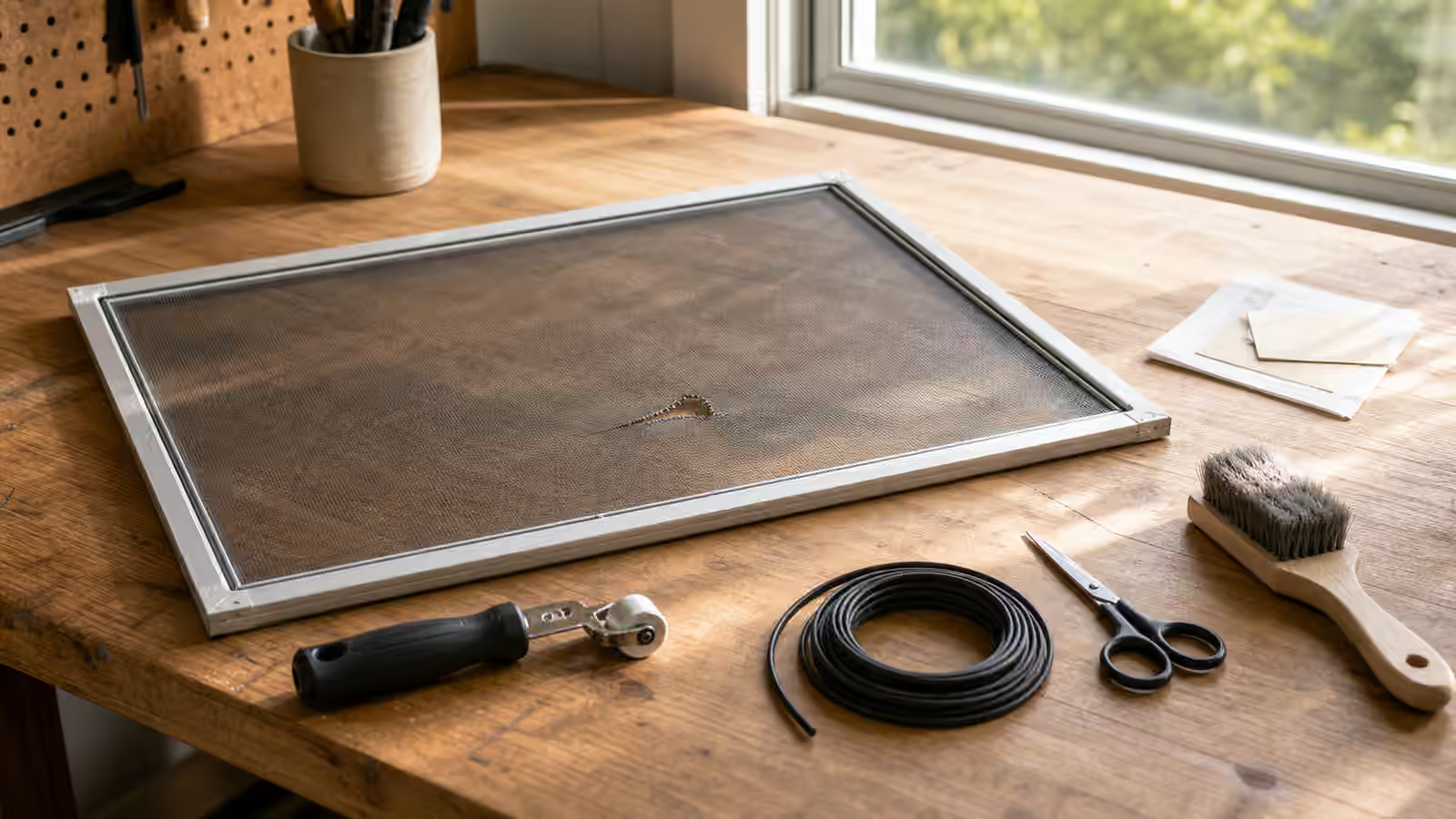
Spline is the flexible cord that locks the mesh into the channel around the frame. When it lifts, the mesh loses even tension. Pressing it back with a screwdriver can cut the mesh, scar the channel, or create a wavy edge. A spline roller exists for a reason: it spreads pressure along the cord without digging a sharp point into the frame.
Before reinstalling a lifted section, check whether the spline is still elastic. If it is brittle, flattened, cracked, or too short to seat firmly, replacing that section may be better than forcing it back. Match the diameter carefully. Spline that is too thin will not hold. Spline that is too thick can warp the frame or cut into the mesh. If you do not know the size, bring a small old piece to a hardware store or measure it with calipers. Replacement Parts is useful here because screen parts look interchangeable until a slight size mismatch makes the panel unreliable.
Full Rescreening Is Still A Beginner Repair, With Patience
Rescreening a sound frame is more orderly than it looks. The old spline comes out, the old mesh lifts away, the frame is cleaned, new mesh is laid with overlap, and fresh spline is rolled into the channel while the mesh is kept flat. The skill is tension, not force. Pulling the mesh tight like a drum can bow a light frame. Leaving it loose creates bagging that catches wind and fingers. The best tension is even, flat, and calm.
Work from a stable surface with the frame fully supported. Keep the mesh roll clean and avoid creasing it before installation. Start with one side, seat the spline gradually, then move to adjacent sides while watching the frame for bowing. If you feel yourself trying to fix wrinkles by pulling harder, stop and release a section rather than fighting the whole panel. Rescreening rewards small corrections. It punishes impatience.
Bent Frames And Unsafe Access Are Stop Signals
A slightly skewed frame may be nudged back if it is a lightweight, non-structural screen panel and the bend is mild. A kinked aluminum frame, broken corner key, cracked plastic tab, or warped panel may need replacement parts or a new screen. Bending metal back and forth weakens it. If the screen no longer locks securely into the window, the problem is not cosmetic. A loose screen can fall, jam, or fail when someone expects it to stay put.
Access matters as much as the panel. Do not repair a screen while it is installed above a drop. Do not lean out to remove it. Do not balance on a sill or furniture because the work looks small. When Not to DIY is the right companion when the risk comes from where the object is, not what the object is.
Save The Details For Next Season
Window screens are seasonal objects in many homes. They come out, get stored, get washed, and go back in when people are busy. A short Save Log note makes the next pass faster: which room, which screen, what mesh type, spline size if known, whether the frame was square, and whether the panel was patched or fully rescreened. Add a photo of the corner hardware and any retaining clips. If a tab or latch is already weak, note it before it disappears.
Store screens upright when possible and avoid stacking heavy items on them. A screen that was repaired carefully can be damaged by one winter under a box. The repair is not finished when the patch sticks or the spline seats. It is finished when the panel goes back into service cleanly and you know how it will be stored, removed, and checked next time.
Related Keepers Guild guidebooks
Read this with The 10-Minute Triage before deciding how large the repair really is, Clean First before judging mesh condition, Replacement Parts before buying spline or corner pieces, and When Not to DIY whenever the window location turns a simple screen into a height or glass hazard.