A stain is not one problem. It is evidence of what landed, how long it sat, what the fabric is, what heat has already done, and how much the cloth can tolerate. The reason many stains become permanent is not that the first moment was hopeless. It is that the first response was too confident: hot water on a protein stain, frantic rubbing on delicate fabric, a mystery cleaner on dye that bleeds, or a trip through the dryer before anyone checked whether the mark was gone.
The First Move Is To Stop Spreading It
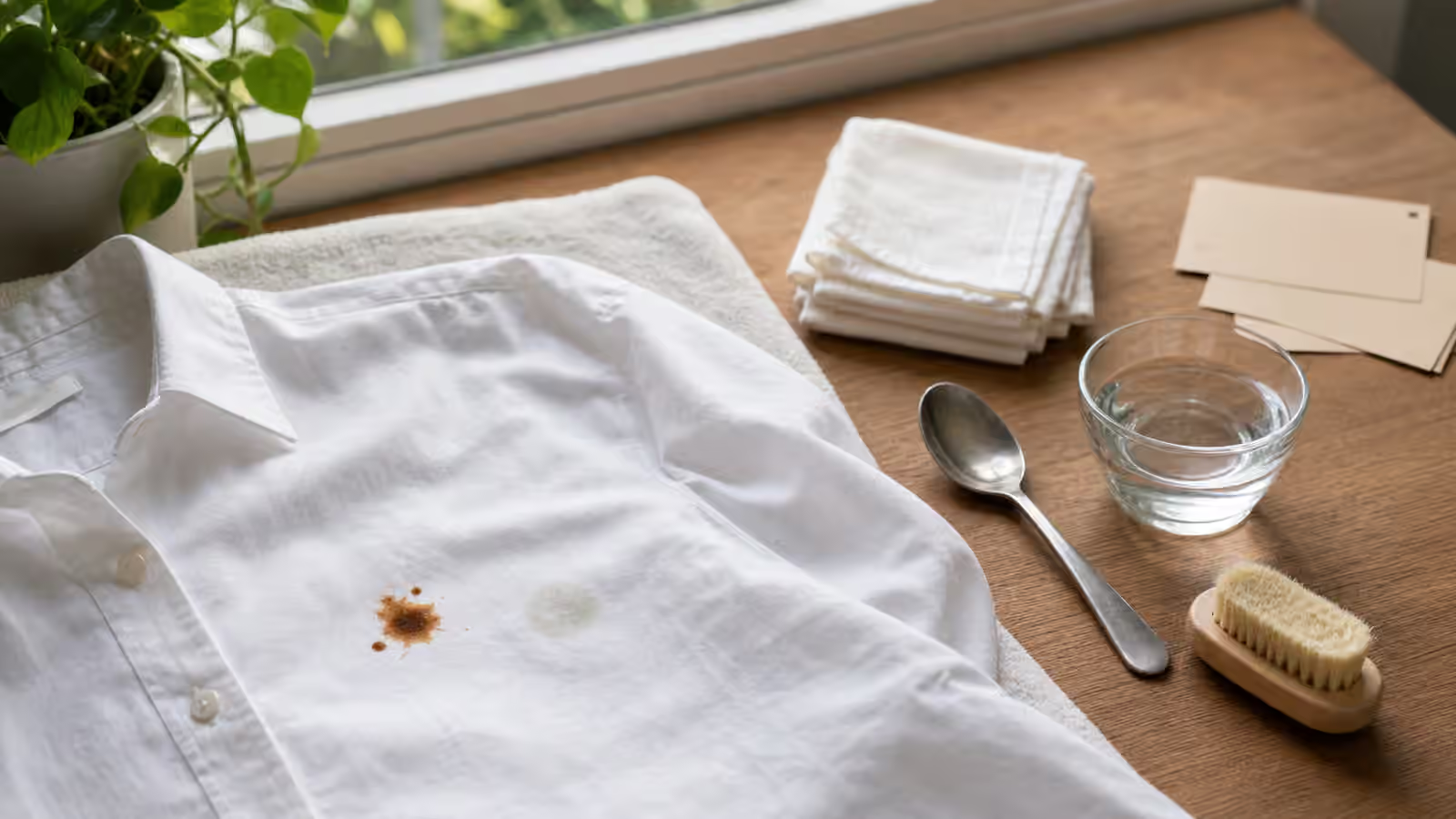
Before choosing a cleaner, keep the stain from becoming larger. Remove any solid material with the dull edge of a spoon or a card, lifting rather than grinding. Blot liquid from the outside toward the center with a clean absorbent cloth. Place a towel under the stained area so moisture and pigment do not transfer to another layer. If the garment is lined, quilted, or thick, remember that the stain may have traveled below the surface.
Rubbing feels active, but it often drives material deeper and abrades fibers. This matters most on knits, wool, silk, rayon, linen, and fabrics with a raised surface. Even sturdy cotton can develop a fuzzy worn spot if a small stain is scrubbed like a floor. The Keepers Guild habit is to make the next step easier, not to win the entire repair in one motion.
Identify The Stain Family
You do not need a chemistry degree to make better choices. You need a rough family. Oily stains behave differently from watery drinks. Protein stains such as blood, egg, and some dairy residues respond poorly to heat early. Tannin stains from coffee, tea, and wine have their own habits. Pigment and dye transfer can move when wetted. Mud often needs drying before brushing because wet rubbing can smear soil into fibers. Rust and ink are special cases where casual household remedies can make things worse.
Write down what you think happened if the garment matters. The note may feel silly, but it prevents the common mistake of treating every brown mark like food grease. If you do not know the source, start with the most reversible care the fabric allows: blotting, cool water testing where appropriate, and avoiding heat until you understand whether the stain is changing.
Check Fabric And Dye Before Cleaner
The fabric decides how much action is safe. A white cotton kitchen towel gives you more room than a dark rayon blouse or a wool sweater. Check the care label, but also use your eyes and hands. Is the fabric thin, stretchy, textured, loosely woven, coated, embellished, or already worn? Is the color deep and likely to bleed? Does a hidden seam release dye when touched with a damp white cloth? If the fabric is unstable, the stain may not be the only risk.
This is where Laundry Mistakes That Quietly Destroy Clothes connects directly. Many damaged garments were not ruined by the stain. They were ruined by heat, agitation, bleach, or impatience. A stain that survives a gentle first pass can often be treated again. A garment that shrinks, felts, fades, or gets scrubbed thin has lost more than a mark.
Water Temperature Is A Decision
Warm water can help some oily soils and everyday grime. Hot water can set some stains and damage some fabrics. Cold or cool water is often the safer first rinse for unknown stains and protein-like stains, but water itself can harm certain materials, finishes, and dyes. The right question is not which temperature removes the most. It is which temperature gives you useful progress without creating a harder problem.
Rinse from the back of the stain when the fabric and stain allow it, so water pushes the material out rather than deeper through the visible face. Keep the flow gentle. A faucet blast can stretch a knit or spread pigment. After rinsing, inspect in good light. If the stain has lightened, you have evidence. If it has not moved, do not assume more force is the answer.
Keep Heat Out Until Inspection
The dryer is a decision point. Heat can set remaining stains, shrink fibers, weaken elastic, and make a faint mark much harder to remove. Air dry after treatment until you can inspect the garment in daylight. If the stain remains, repeat a fabric-safe treatment or decide whether professional cleaning is worth it. A garment does not need to be bone dry in the dryer to be wearable later. It needs not to have the stain baked in.
Ironing has the same caution. Pressing over a stain can set residue and spread oils. If you need the garment quickly, choose another garment rather than rushing the stained one through heat. Saving clothes often depends on respecting the boring pause.
When The Repair Is Appearance, Not Cleanliness
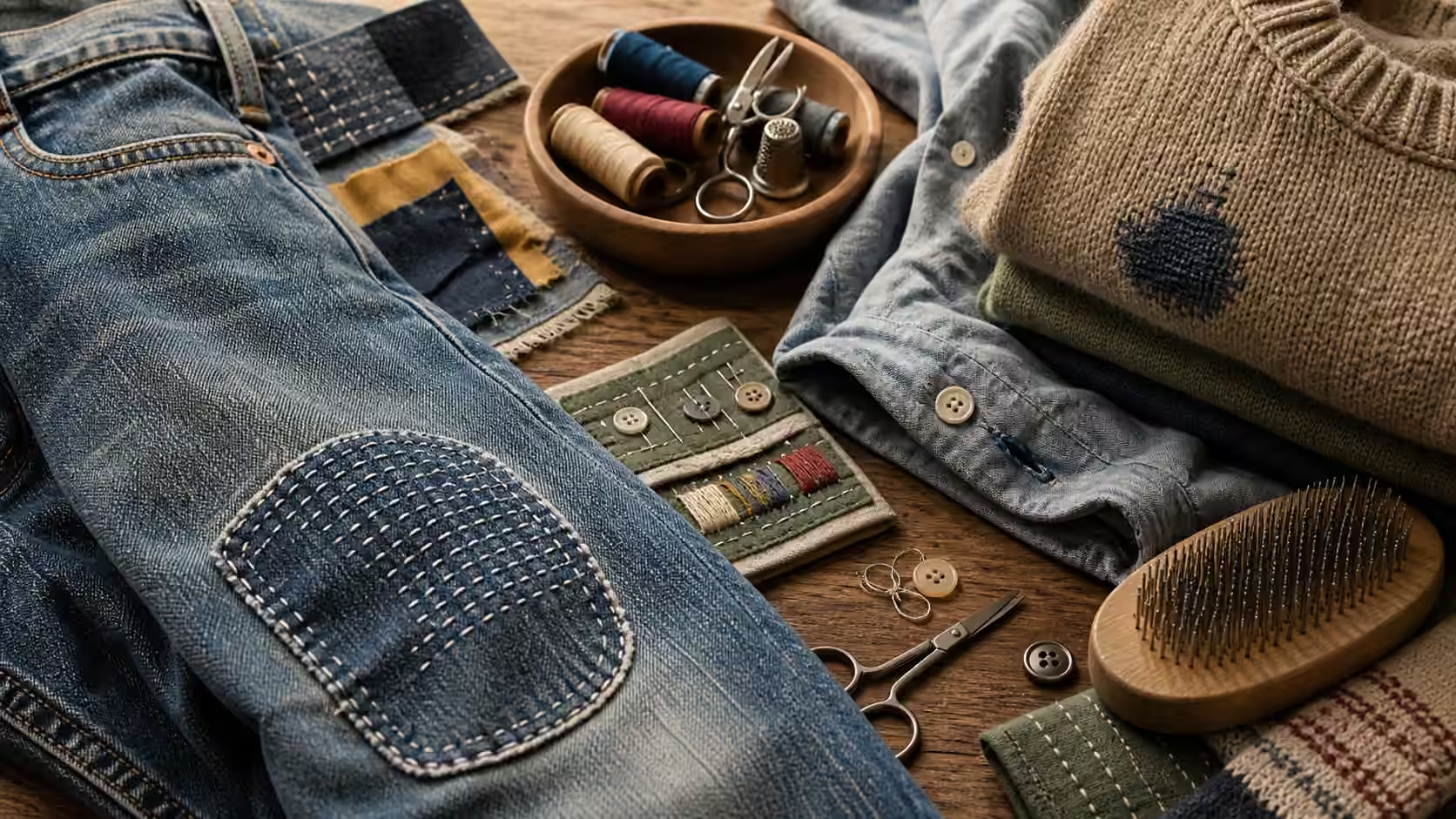
Sometimes a stain is clean but visible. A faint shadow on work clothes may be acceptable. The same shadow on a formal shirt may make the garment leave that role. That does not mean the shirt is done. It may become a layering shirt, workshop shirt, sleep shirt, patch candidate, dye candidate, or fabric for repair practice. Visible Mending is useful when the mark cannot disappear but the garment can still have a life.
For sentimental garments, stop earlier. A wedding shirt, inherited scarf, team jersey, or child’s milestone outfit may deserve a cleaner who can name risks clearly. The Repair Cost Rule applies even to fabric: compare value, risk, time, and the chance that a home attempt will remove options.
Build A Stain Station That Does Not Invite Overreach
A practical stain station is simple: clean white cloths, a dull spoon, soft brush, towels, a basin, a place to air dry, and the habit of reading labels. Add specific products only when you know why they are there. Avoid decanting mystery cleaners into unlabeled bottles. Keep strong products away from children, pets, and food areas. Do not mix cleaners in a bowl because two ordinary products can create unsafe fumes or fabric damage.
Record recurring stains in the Save Log if they point to a pattern. Grease on the same apron, sunscreen marks on collars, mud on school pants, and coffee on commute shirts all suggest prevention. A darker apron, collar routine, shoe mat, travel mug change, or laundry timing may save more clothing than heroic stain removal.
Related Keepers Guild guidebooks
Use this before Laundry Mistakes That Quietly Destroy Clothes turns into a dryer problem, pair it with Sweater Care for wool and knit caution, read Pilling, Snags, Holes, and Fraying when rubbing has damaged fibers, and use Visible Mending when the garment can be saved by changing its role rather than erasing every trace.