A sliding door or window often becomes annoying long before it becomes broken. It drags, bumps over grit, whistles in wind, leaves dust in the sill, or needs a hip shove to close. That shove is the danger sign. Sliding systems depend on clean tracks, aligned frames, sound rollers or glides, intact weatherstripping, and glass that is not being stressed by force. A sticky slider may need ten minutes of cleaning. It may also be telling you that a roller has failed, a frame has shifted, a drain path is clogged, or a panel is too heavy for casual handling.
Do not force the panel first
The first habit is to stop pushing harder. Force can bend track lips, damage rollers, crack old plastic guides, pull weatherstripping loose, or stress glass. It can also hide evidence. A door that sticks at one point in the travel is giving you a location. A door that gets worse after rain is giving you a condition. A window that binds near the lock side is telling a different story from one that feels gritty across the whole run.
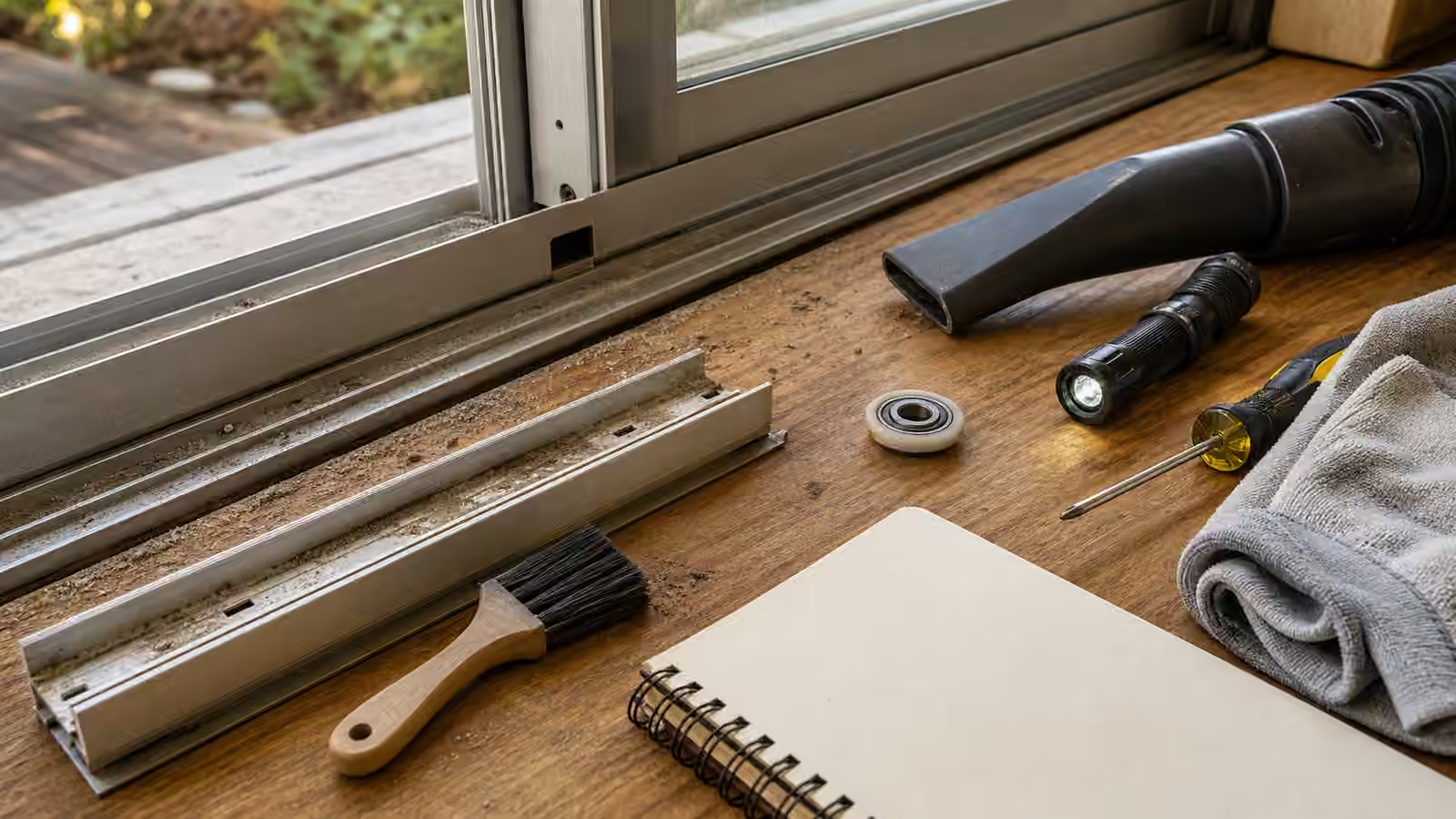
Use the observation habit from The 10-Minute Triage . Slide the panel gently only as far as it moves without strain. Listen for grinding, clicking, scraping, squeaking, or a single hard stop. Look along the lower track with a flashlight. Check whether debris is packed into corners, whether the track is dented, whether drainage slots are blocked, and whether the panel appears square in the frame. If the lock no longer lines up, do not assume dirt is the only problem.
Glass changes the risk. A lightweight interior closet door is not the same as a large patio slider. Tempered glass is strong in normal use but vulnerable to edge damage and twisting loads. If a heavy glass panel must be lifted out to access rollers, that may be a professional task. A keeper does not turn a cleaning job into a glass-handling accident to save time.
Clean the track without making paste
Sliding tracks collect abrasive material. Sand, soil, pet hair, leaves, insect debris, lint, and dried mud combine with moisture and old lubricant to make a gritty paste. If you spray cleaner or lubricant into that mess first, you may move the paste deeper into roller pockets. Dry debris removal comes before wet cleaning. A soft brush, vacuum crevice tool, wooden pick, or folded cloth can remove a surprising amount of grit without scratching the track.
Work from the cleanest practical method toward stronger ones. Brush loose debris out of corners. Vacuum. Wipe with a damp cloth if the material allows it. Dry the channel before judging movement. Avoid flooding a track, especially indoors or near wood framing. Water can travel into places you cannot see. If there are weep holes or drainage slots, keep them open, but do not jab blindly with metal tools. A plastic pick, soft brush, or careful cotton swab is safer for ordinary debris.
Lubrication is not always the next move. Many tracks work better clean and dry, while some roller systems need a specific lubricant in a specific place. The wrong product can attract dirt, stain flooring, attack plastic, or create a slippery edge where people step. If the manual or manufacturer guidance exists, use it. The manual-search habits in How to Find a Manual Without Downloading Malware are useful because door and window brands can hide adjustment details behind model-specific diagrams.
Rollers, guides, and alignment
A clean track that still drags may have worn rollers, damaged glides, misadjusted height, or a panel that has fallen out of square. Many sliding doors have adjustment screws that raise or lower rollers. Turning them without understanding the direction can make the problem worse, stress the lock, or lift the panel unevenly. Before adjusting, photograph the screw location and current gap. Make tiny changes, test gently, and keep both sides balanced.
Look for flat-spotted rollers, cracked wheels, rust, missing screws, or plastic guides that have broken away. Some parts are replaceable and inexpensive. Others are buried inside heavy panels or obsolete assemblies. Replacement Parts can help you think through OEM, aftermarket, and salvage choices before ordering a wheel that looks similar but fits poorly. Measure carefully and keep old parts until the replacement has been tested.
Weatherstripping and pile seals can mimic track trouble. If fuzzy seals have come loose and folded into the path, the panel may drag even though the rollers are fine. If a rubber seal is torn, water and air may enter even when the door closes. If the lock misses the strike, the panel may be sitting too low, the frame may have moved, or the strike may need adjustment. Do not file lock parts or bend frames while guessing. Security and weather sealing matter.
Water paths and stop signals
Exterior tracks are designed to manage some water, not to become indoor gutters. Leaves, dirt, and blocked weep holes can hold water against thresholds and framing. Clean visible paths gently and watch where water goes during the next rain. If water appears inside, stains adjacent flooring, swells trim, or returns after cleaning, the track may be only the visible edge of a drainage, flashing, or installation problem. At that point, the companion guide is Under-Sink Leak Triage in spirit: contain, document, and stop pretending surface cleanup is the repair.
Frame movement is another boundary. A door that used to close and now shows uneven gaps, diagonal rubbing, cracked surrounding drywall, or rapid change may be responding to settling, swollen material, or structural movement. Door Hinge Squeaks, Sticks, and Misalignment covers hinged doors, but the judgment is shared: check simple hardware first, then respect patterns that suggest the frame rather than the moving part.
Add it to the Save Log
Record the door or window location, what debris was removed, whether the track drains, what sounds changed, and whether adjustment was made. If you touched an adjustment screw, record the direction and amount in plain language. Add photos of rollers, tracks, lock alignment, and labels if visible. If the system needs service, those photos will help a repairer quote accurately.
Sliding track care is mostly restraint. Clean grit before adding product, observe alignment before turning screws, keep water paths open, and stop when glass, security, weight, or hidden water enters the story. A panel that moves quietly after cleaning is a good save. A panel you stop forcing before it cracks is one too.
Related Keepers Guild guidebooks
Use The 10-Minute Triage for observation, Door Hinge Squeaks, Sticks, and Misalignment for shared alignment thinking, Window Screen Tears, Loose Spline, and Bent Frames for nearby window work, Replacement Parts for rollers and guides, and When Not to DIY when glass, height, security, or water intrusion raises the stakes.