Seasonal storage is not just putting warm things in a box until the weather changes. It is a quiet repair decision made months early. A sweater that goes away with food residue, skin oils, damp cuffs, stressed shoulders, or a loose seam is being stored with a problem already inside it. A blanket folded tightly into a humid corner may return smelling stale even if it looked clean when it left the room. Good storage keeps textiles clean, dry, breathable, visible enough to find, and easy to inspect when they return.
Store only what is clean and dry
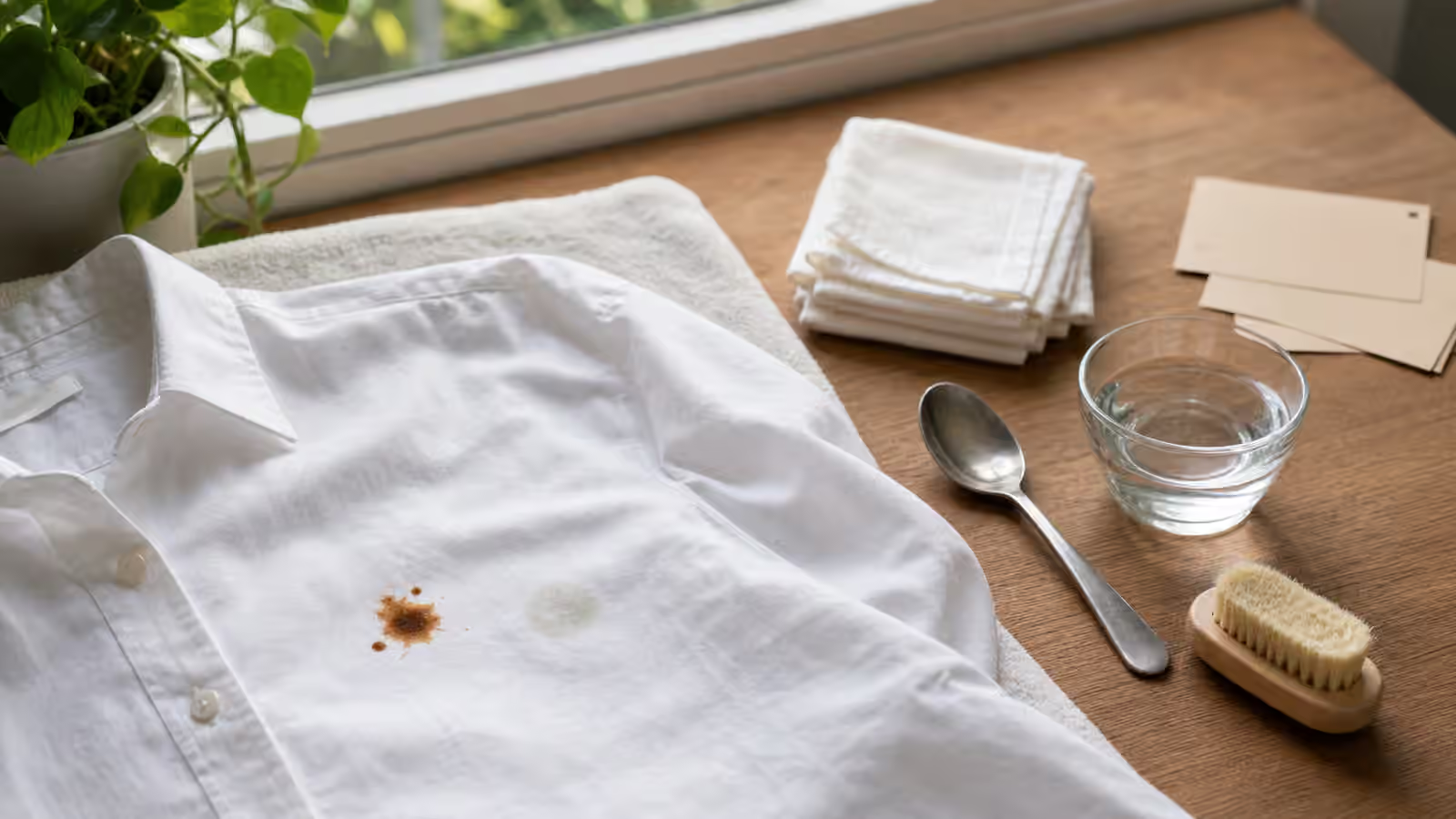
The most useful storage move happens before the container appears. Clean textiles age better than almost-clean textiles. Body oils, deodorant, perfume, cooking odors, pet hair, crumbs, and invisible spills can become stains, odors, or pest attractors during storage. A garment that looks fine in indoor light may reveal collar grime, cuff residue, or underarm discoloration after a few months sealed away. That is why storage belongs near Stain Triage Before Washing and Laundry Mistakes That Quietly Destroy Clothes , not only near closet organization.
Clean does not always mean washed hard. Wool sweaters, coats, delicate knits, and blankets need care that matches the fiber and construction. Some pieces need airing, brushing, spot treatment, hand washing, or professional cleaning rather than a normal laundry cycle. The keeper habit is to ask what kind of dirt is present before choosing the method. Dust and hair may brush away. A small food spot may need careful local treatment. A stale coat lining may need air and a cleaner, not an aggressive home experiment.
Drying deserves patience. Textiles should be dry at the fiber level before storage, not merely dry on the surface. Thick cuffs, waistbands, seams, blanket edges, and sweater hems can hold moisture longer than flat panels. If you fold them too soon, the closed container becomes a damp microclimate. Let cleaned pieces rest in moving air. Avoid direct harsh sunlight for vulnerable colors and fibers, but do give them enough time to lose hidden moisture.
Fold for the material, not the shelf
Storage damage often looks like a mystery later: stretched shoulders, permanent creases, crushed loft, shiny pressure marks, or distorted hems. The cause is usually ordinary pressure left in one position for too long. Heavy sweaters should not hang from narrow hangers for a season, because the shoulder and neck can stretch under their own weight. Fold knits loosely and support them across a broad surface. Coats may hang well on shaped hangers if the closet is dry, ventilated, and not packed tightly, but weak loops, crowded rails, and thin hangers can create new stress points.
Blankets and quilts need room to breathe and shift. A fold line held under pressure for months can become a wear line, especially in older cotton, wool, or delicate stitching. If the textile matters, refold it a different way during the season or roll it around a soft support. Acid-free tissue can help reduce hard creases for special pieces, but ordinary everyday textiles mostly need cleanliness, dryness, and freedom from crushing.
Do not use vacuum compression as a default for natural fibers, down, structured coats, or anything with fragile texture. Compression can be useful for short moves or durable synthetic bedding when space is tight, but it is not gentle storage. A flat, exhausted sweater is not better preserved because it took less room. If space is the problem, reduce the volume of what is stored before asking each textile to survive a harsh container.
Containers should manage air, dust, and pests
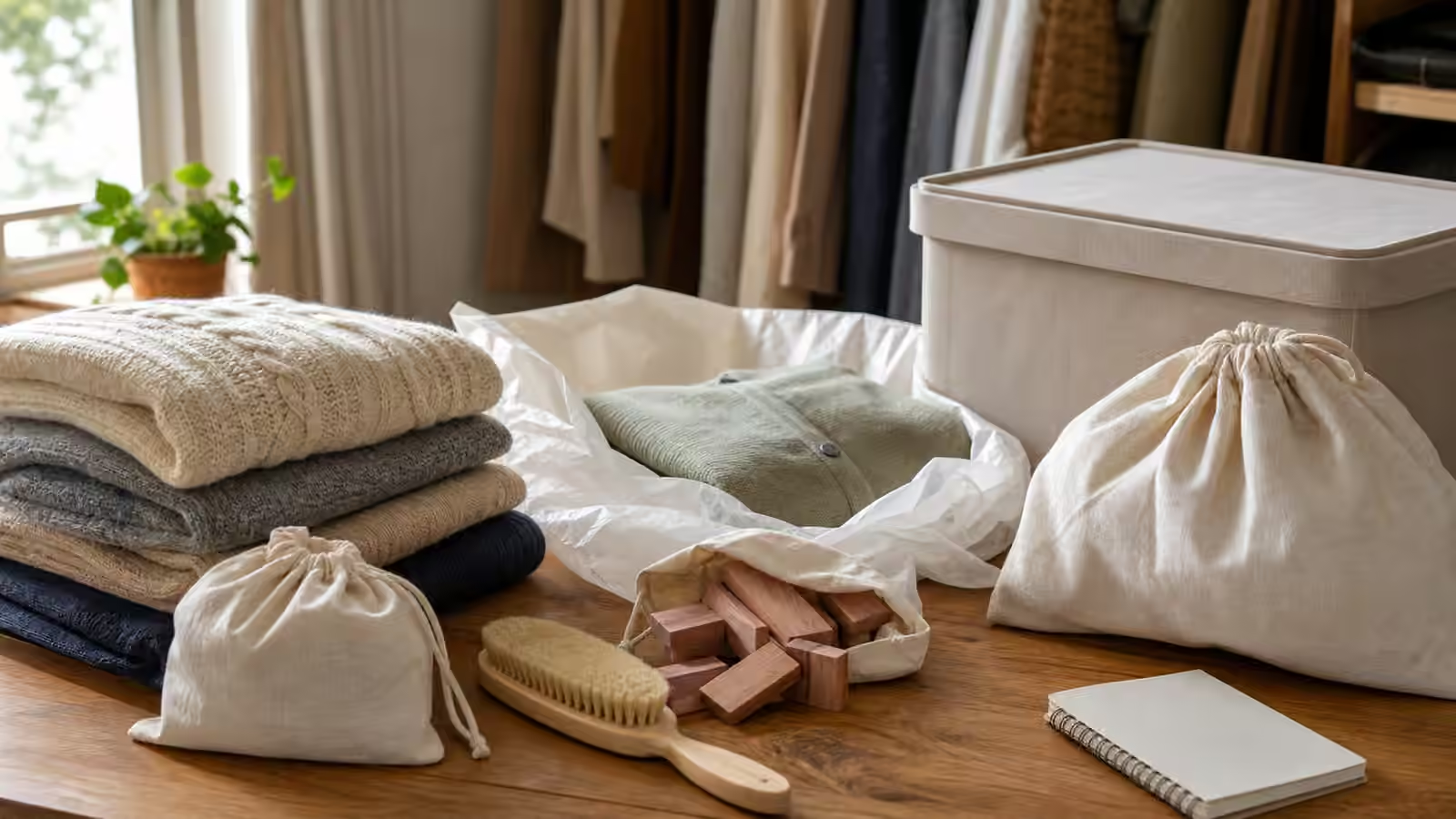
No container is perfect for every textile. Plastic bins block dust and water from casual spills, but they can trap moisture and odor. Breathable cotton bags allow air exchange, but they do not protect well from water, rodents, or a dirty shelf. Cardboard is easy and cheap, but it can absorb odor, attract pests, and slump in humid areas. The right choice depends on the storage location and the textile’s risk.
For clean, dry closets, breathable garment bags and cotton storage bags are often kinder than sealed plastic. For basements, garages, attics, and other variable spaces, the answer may be not to store vulnerable textiles there at all. Heat, humidity, roof leaks, dust, and pests are hard on fibers. If those spaces are unavoidable, use raised shelves, inspectable bins, and a schedule that assumes conditions may change.
Pest prevention starts with cleanliness and inspection. Clothes moths and carpet beetles are drawn to animal fibers and residues, not to a tidy label on a cedar block. Cedar and lavender can be pleasant, but scent is not a repair plan. Strong odors can also cling to textiles. Better habits are cleaning before storage, brushing seams and pockets, vacuuming closet corners, avoiding long undisturbed piles, and checking vulnerable pieces before damage spreads.
When you see holes, shed skins, larvae, webbing, gritty debris, or repeated mysterious thinning, stop treating it as a single sweater problem. Isolate the affected item, inspect nearby textiles, clean the storage area, and decide whether laundering, freezing, professional cleaning, or pest control is appropriate for the material and the scale. Do not scatter damaged garments through the house while investigating. A calm containment step saves more than a dramatic product purchase.
Make the comeback easy
Storage works best when the return is planned. A bin that says nothing forces future-you to open, unfold, and disturb everything just to find one scarf. You do not need an elaborate inventory system. A plain note in the Save Log can record where the winter sweaters, spare blankets, formal coat, or guest linens live. If a container needs a label in the closet, keep it simple and private. The guidebook image uses a blank notebook for a reason: the useful information belongs in your own system, not printed across the object.
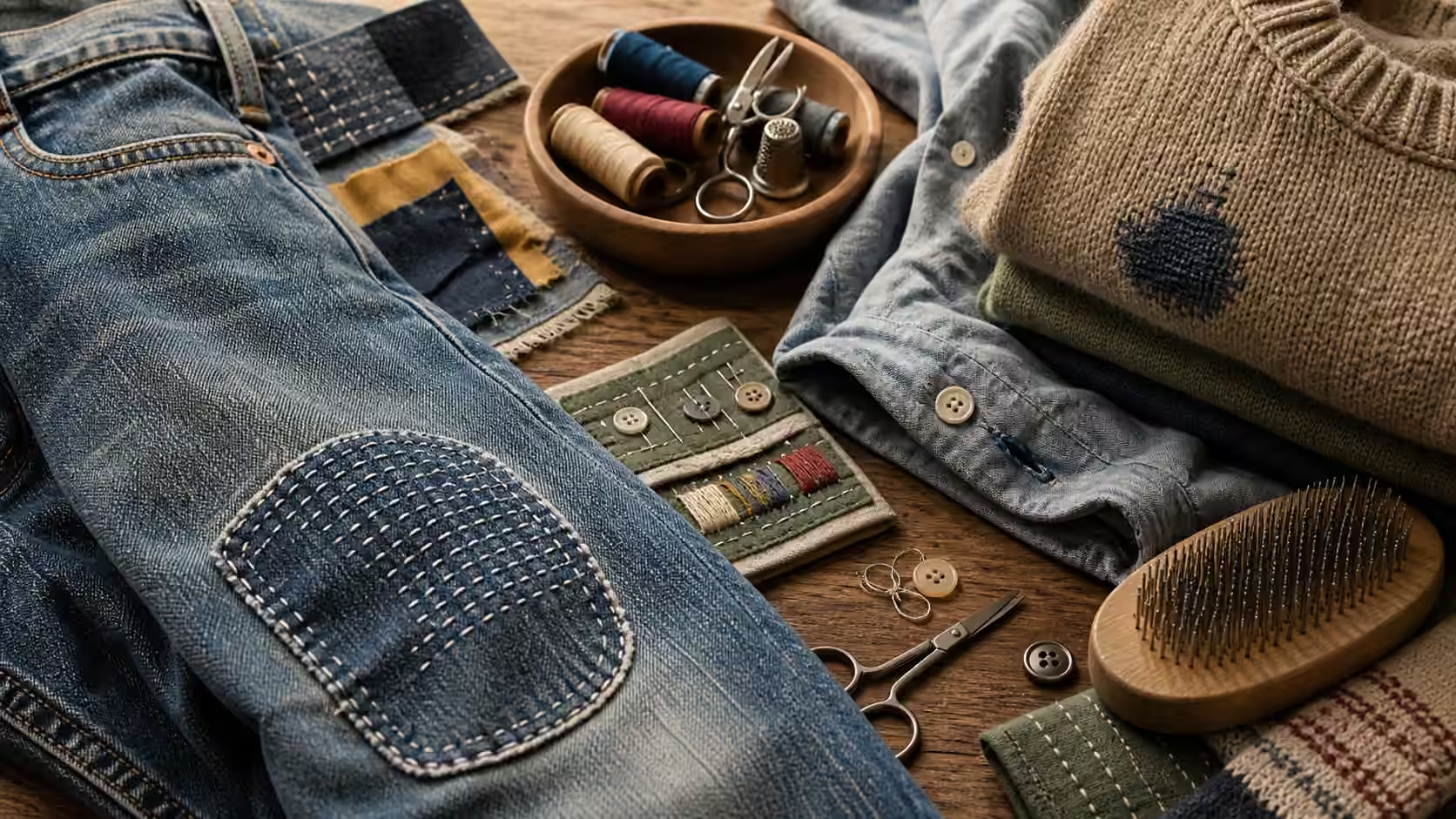
The comeback check is a small inspection, not a punishment. When a textile returns to use, air it out, look at fold lines, check seams, shake gently, and inspect high-risk areas such as cuffs, collars, underarms, pocket corners, hems, and blanket edges. If a sweater has pilling, use the judgment in Pilling, Snags, Holes, and Fraying before shaving aggressively. If a seam has opened, Basic Hand-Stitching for People Who Don’t Sew may be enough for a low-stress repair. If the garment is valuable, structured, or unfamiliar, slow down before cutting, washing, or steaming.
Odor is evidence. A textile that smells musty after storage may have been stored damp, stored in a humid location, packed too tightly, or kept in a container with an odor source. Do not cover the smell with perfume or spray and put it back into service. Air it, identify the cause, and clean according to the fiber. If there is visible mold, heavy mildew, or respiratory concern, do not brush it through the living space. That is a stop condition, not an aesthetic flaw.
Add it to the Save Log
Record what went into storage, how it was cleaned, where it lives, and what should happen before it returns. Note special care such as professional cleaning, loose buttons, weak seams, moth suspicion, or a blanket that should be refolded midseason. The useful note is short but specific enough to prevent rediscovery. “Blue wool cardigan cleaned, folded in cotton bag, check left cuff before wearing” is more helpful than a vague closet reset plan.
Seasonal textile storage is a keeper skill because it protects repairs you have already made. It keeps stains from aging, seams from stretching, fibers from being crushed, and small pest signs from becoming a drawer-wide loss. Put away fewer things, put them away cleaner, and leave a trail that makes their return ordinary.
Related Keepers Guild guidebooks
This guide pairs naturally with Stain Triage Before Washing , Laundry Mistakes That Quietly Destroy Clothes , Sweater Care , Pilling, Snags, Holes, and Fraying , and Basic Hand-Stitching for People Who Don’t Sew .