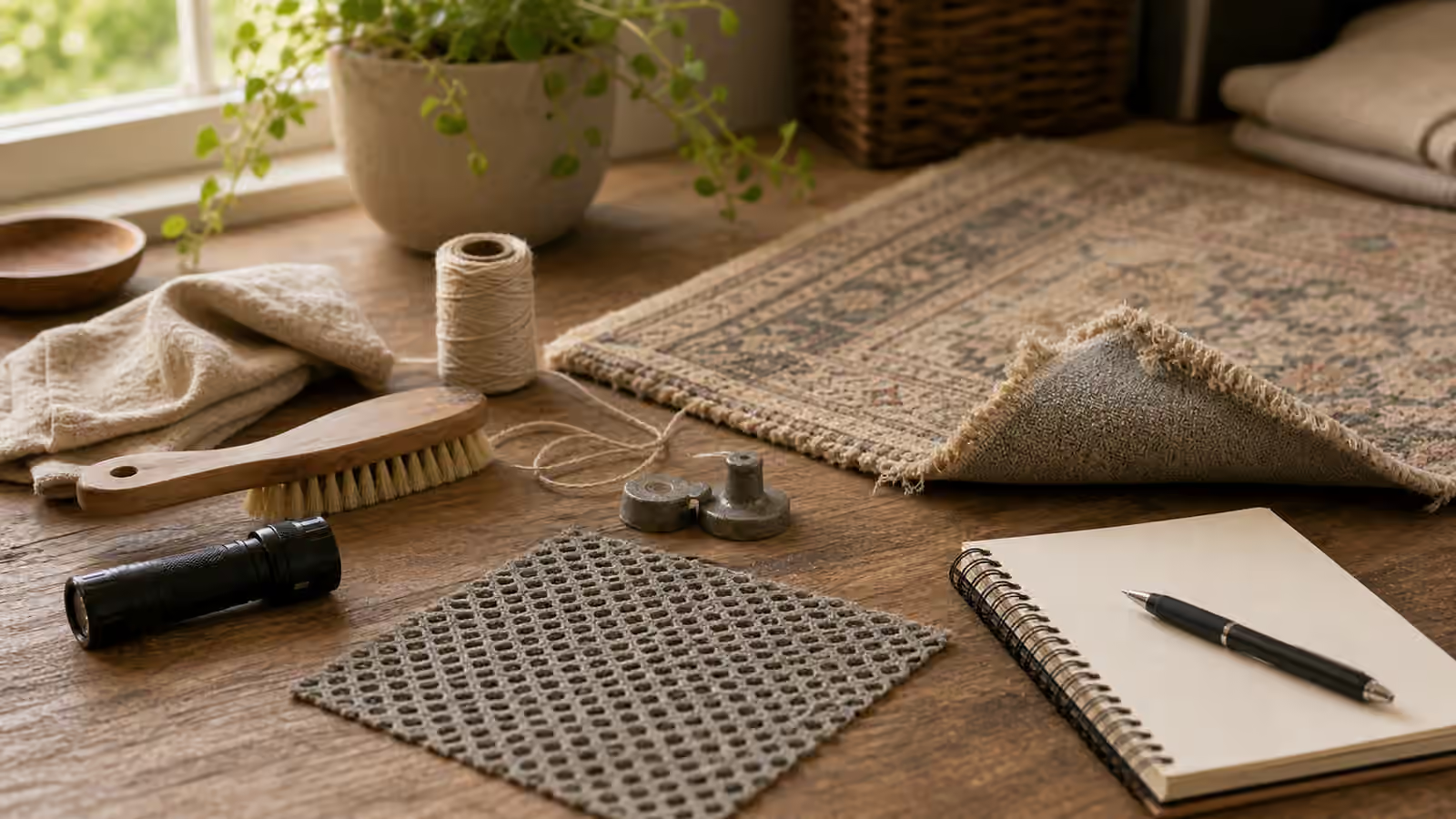
Rugs and mats age in public. A corner curls in a hallway, fringe thins near a chair, a bath mat backing sheds powder, an entry mat smells damp, or a small kitchen rug starts sliding every time someone turns. Because the object is soft, people often treat the problem as cosmetic until someone catches a foot or the floor underneath becomes stained. A keeper reads floor textiles as both fabric and surface. They need to look acceptable, clean reasonably, stay where they belong, and not create a hazard.
Separate Wear From Hazard
A frayed edge on a decorative rug may be a repair question. A curled corner at the top of stairs is a safety question. The same textile can move categories when its location changes. Start by looking at where the rug lives. Does a door sweep across it? Does a chair leg catch the edge? Do people pivot there while carrying dishes, laundry, or bags? Does it sit on tile, wood, laminate, carpet, or a damp bathroom floor? The floor and traffic pattern are part of the object.
Test the rug under normal movement. Step near the corners, not dramatically, and watch whether the backing grips or the whole textile slides. If the rug moves easily, address slipping before ornament. A neat stitched edge does not matter if the rug skates on the floor. If someone in the home has balance concerns, limited vision, or fragile bones, the tolerance for curling and slipping should be much lower.
Fraying Has A Direction
Fraying often begins where friction repeats. Chair feet, vacuum brushes, shoes, doorways, pets, and washing machines all create different wear patterns. Look for the direction of pulled threads. If the edge is unbinding, a proper binding repair may help. If the body yarns are worn through across a traffic lane, edge repair will not solve the main loss. If the backing is crumbling, the rug may be aging from below.
Do not cut loose threads aggressively without understanding what they hold. One tempting snip can release a longer strand. On woven rugs, pulled loops and warp threads may be structural. For valuable, handmade, antique, or sentimental rugs, stop and ask a rug repairer before trimming, gluing, washing, or taping. Ordinary machine-made mats and inexpensive runners may tolerate small home stabilization, but value and construction change the decision.
The textile judgment from Pilling, Snags, Holes, and Fraying: What Fabric Is Telling You helps here, with one added floor-specific rule: the repair has to survive feet, furniture, cleaning, and gravity.
Curling Corners Need Cause, Not Just Weight
Weights can flatten a corner temporarily, but they do not always explain why it curled. A rug may curl because it was stored rolled tightly, washed and dried unevenly, exposed to sun on one side, pulled by a door, or made with backing that has shrunk. Some corners relax after time laid flat with gentle weight. Others return because the backing and face no longer agree.
Avoid strong tapes and adhesives unless you know they are suitable for both the rug and the floor. Tape can leave residue, pull finish, collect dirt, or become slippery as it ages. Nonslip pads can help, but they also vary. A pad that traps moisture under a bath mat or reacts with floor finish can create a new problem. Choose pad materials carefully, check them periodically, and keep the floor underneath clean and dry.
Odors Tell A Cleaning Story
Odor is not just a smell problem. It can point to moisture, trapped soil, pet accidents, mildew, spilled food, rubber backing breakdown, or detergent residue. Before adding fragrance, identify the source. Vacuum or shake loose grit where appropriate, check the backing, inspect the floor beneath, and read the care label if it exists. If the rug can be washed, use the gentlest method that fits its material and construction. Overwashing can break backing, distort shape, or loosen edges.
Damp rugs need air and patience. Do not trap a wet mat against a floor and hope it dries from the top. Bathroom mats, entry mats, and kitchen rugs are especially prone to staying damp underneath. If a rug smells musty after drying, shows visible mold, or sat in contaminated water, move out of casual cleaning. The boundary from When Not to DIY includes mold and contamination even when the object is soft and familiar.
Decide Where The Rug Belongs Now
Sometimes the save is relocation. A rug too curled for a hallway might work under a low table where no one catches the edge. A faded mat may move from front entry to a low-risk utility spot. A sentimental textile may be hung, stored, or used decoratively rather than walked on. This is not failure. It is matching the remaining strength of the object to a safer role.
Other times, retirement is the cleaner decision. Mats with crumbling rubber, persistent odor, hidden dampness, sharp backing fragments, or repeated slipping should not be argued with forever. The Repair Cost Rule should count fall risk, floor damage, cleaning time, and the irritation of adjusting the same corner every day.
Record The Fix And The Floor
A rug note should include more than the rug. Record the room, floor type, pad used, cleaning method, drying time, and whether the edge or corner behaved after a week. Photograph the worn area and the underside. If you replace the rug, note what failed so the next purchase improves on it. A washable mat may matter more near a door. A lower pile may work better under chairs. A better-sized rug may stop a corner from sitting exactly where people pivot.
The keeper habit is not saving every textile. It is refusing to let a quiet floor object become invisible until it trips someone, stains something, or smells like a mystery. Clean it, stabilize it, move it, repair it properly, or retire it with a note that improves the next choice.
Related Keepers Guild Guidebooks
Read this with Pilling, Snags, Holes, and Fraying: What Fabric Is Telling You for textile wear signals, Stain Triage Before Washing: Blot, Lift, Rinse, or Wait? for spill restraint, Clean First for surface-safe cleaning, and When Not to DIY when mold, contamination, or fall risk changes the stakes.