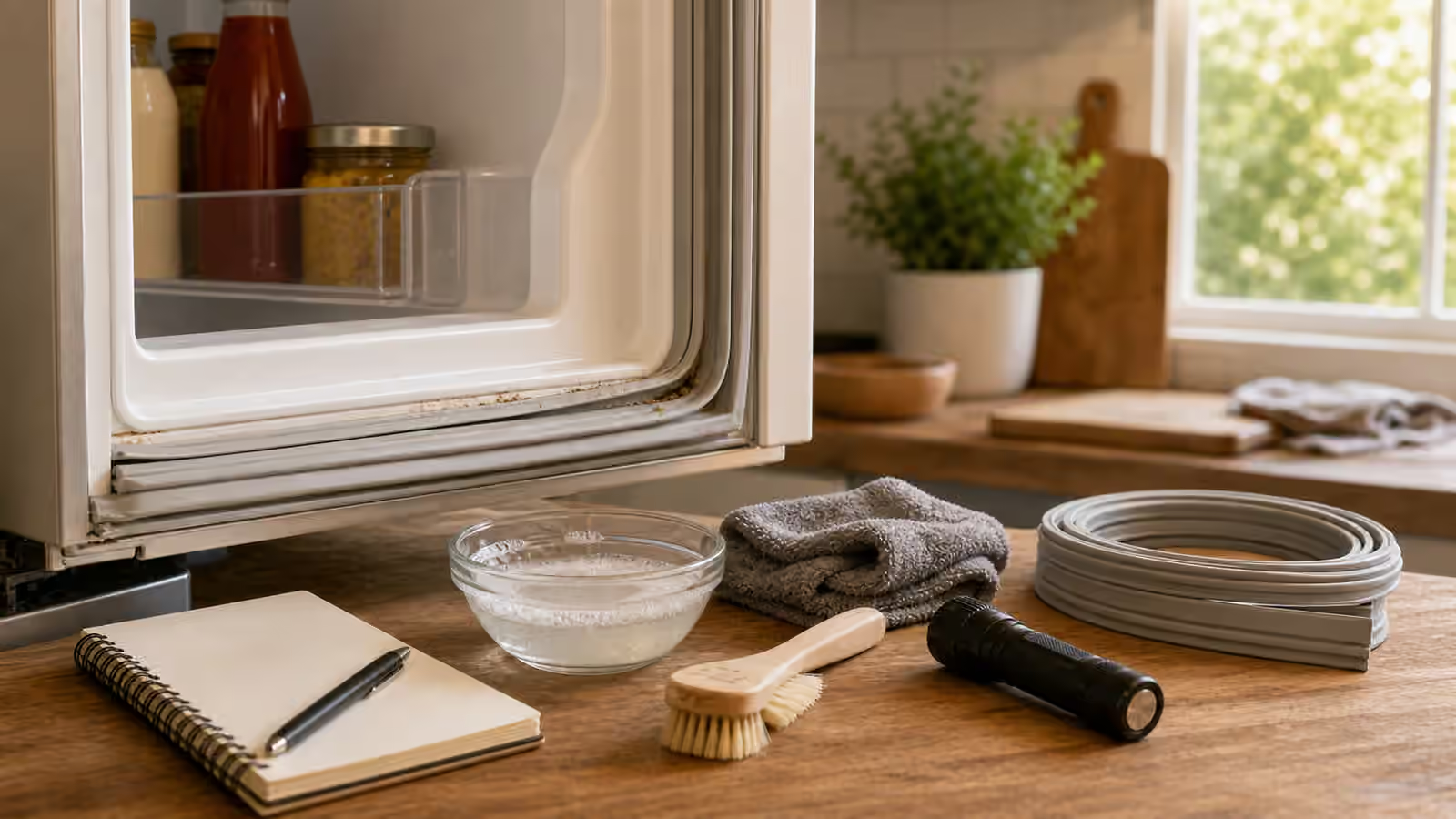
A refrigerator gasket lives in an unglamorous place, so it is easy to ignore until the door pops open, condensation forms, crumbs harden in the folds, or the appliance seems to run more than usual. The gasket is the flexible seal around the door. It has to stay clean, supple, and seated well enough to let the door close evenly. When it fails, the problem can look like weak cooling, spoiled food, frost, water drips, or a door that never quite feels shut.
Name The Symptom Before Cleaning
A dirty gasket can cause several different symptoms, but not every refrigerator problem is a gasket problem. Write down what changed. Did the door start bouncing back after a heavy grocery trip? Is there moisture only along one corner? Does frost form near the door but not elsewhere? Did a shelf, drawer, bottle, or misaligned bin begin blocking closure? Did someone recently move the refrigerator, reverse a door, or clean aggressively around the seal?
This short note matters because gasket cleaning can temporarily make you feel productive while the real issue remains. The 10-Minute Triage habit applies well here. Observe the door, the gasket, the cabinet face, the hinges, and the contents that might prevent closure. A seal cannot work if a jar, drawer, or warped shelf keeps the door slightly open.
Clean The Folds Without Stretching Them
Crumbs, syrup, cooking oil, dust, and dried spills can collect in gasket folds. Cleaning should be gentle. Use a soft cloth, small brush, cotton swab, and mild soapy water where suitable. Work in short sections and support the gasket rather than pulling it away from the door. A flexible seal is not a handle. Stretching, twisting, or scraping it can create the very gap you were trying to fix.
Dry the gasket after cleaning. Moisture left in folds can attract grime or encourage odor. Look for sticky spots that return after one wipe, because they may indicate a spill path from a shelf or door bin. If the same corner gets dirty repeatedly, inspect what is stored above it. A leaking condiment bottle or overfilled drawer can masquerade as a gasket problem for months.
Avoid harsh cleaners unless the manufacturer guidance for your model specifically supports them. Strong solvents, abrasive pads, and sharp tools can damage flexible material. If mold-like staining, persistent odor, or unknown contamination is present, stop and treat the situation as a cleaning and health boundary rather than a casual repair. The same caution from Clean First applies: cleaning is a repair skill only when the cleaner fits the surface and the risk.
Check Contact, Shape, And Door Load
After cleaning and drying, close the door gently and observe the gasket all the way around. Look for areas that do not touch evenly, corners that fold under, hardened sections, tears, or magnetic strips that seem weak. A simple paper-resistance check can be useful on low-risk doors: close the door on a strip of paper and feel whether it has similar drag in several locations. This is not a lab test, but it can reveal a corner that barely grips.
Door load matters. Heavy bottles, crowded bins, and items protruding from shelves can pull the door out of alignment or prevent full closure. Before blaming the gasket, lighten the door and test again. Check that the refrigerator sits stable and the door swings closed as designed. A tilted or overloaded appliance can make a sound gasket seem unreliable.
Some gaskets deform after being held open or compressed badly. Warm room temperature and time may help a minor fold relax, but do not use high heat or improvised tools that could warp the seal or plastic liner. If the gasket is torn, hardened, missing a magnetic section, or no longer seats after cleaning and adjustment, it may be a replacement part rather than a maintenance task.
Replacement Is A Fit Problem
A refrigerator gasket looks simple, but ordering the wrong one wastes time and can leave the door worse than before. Model numbers matter. So does door position, revision, and sometimes serial range. Photograph the model plate, the old gasket profile, the corners, and how it attaches. Use The Warranty Folder or How to Find Replacement Parts Without Buying the Wrong Thing before purchasing. A gasket that almost fits is not a gasket.
If the replacement requires removing many screws, handling brittle interior plastic, adjusting hinges, or interpreting unclear instructions, consider appliance service. A good service call can also distinguish gasket failure from hinge sag, cabinet distortion, defrost trouble, fan issues, or cooling-system problems. The keeper goal is not to do every step yourself. It is to make the next step informed.
Pay attention to the small hardware around the gasket before deciding that the flexible seal itself has failed. Loose hinge screws, a cracked door bin, a drawer pushed forward, or a missing shelf stop can hold the door slightly out of position. On some doors, a gasket corner looks loose because the door is sagging under weight rather than because the gasket has lost magnetism. Emptying the door bins for a test, closing the door slowly, and watching the first point of contact can reveal a mechanical problem that cleaning will never solve. That observation also gives a repairer a clearer starting point if service is needed.
Keep Food Safety Separate From Repair Optimism
A refrigerator can look normal while failing to keep food cold enough. Do not let repair optimism decide what is safe to eat. If the door has been ajar, the unit has been warm, or cooling is inconsistent, use conservative food-safety judgment and local guidance. The repair note should include when the symptom began and what was inside, but the food decision is separate from whether the gasket can be cleaned.
Once the door seals well again, build a small maintenance rhythm. Wipe gasket folds during ordinary kitchen cleaning. Keep sticky containers upright. Avoid slamming or leaning on the door. Check crowded shelves before forcing closure. Add the gasket to a seasonal appliance pass along with coils, vents, drip areas, filters, and exterior surfaces that are safe to access.
Related Keepers Guild Guidebooks
Read this with Small Appliance Care Without Opening the Case for appliance boundaries, Clean First for surface-safe cleaning judgment, The Warranty Folder for model details, and How to Find Replacement Parts Without Buying the Wrong Thing before ordering a gasket.