Rain jackets are easy to misread because they fail in several different ways that feel like one problem. A shell can be dirty, wetting out, leaking through a damaged seam, breathing poorly because residue blocks the fabric, or simply overwhelmed by age and abrasion. Reaching for a waterproofing spray before diagnosing the problem can trap grime, gum up zippers, stain fabric, or create false confidence on a jacket that really needs cleaning, seam work, or retirement from hard weather duty.
Name the failure before adding product
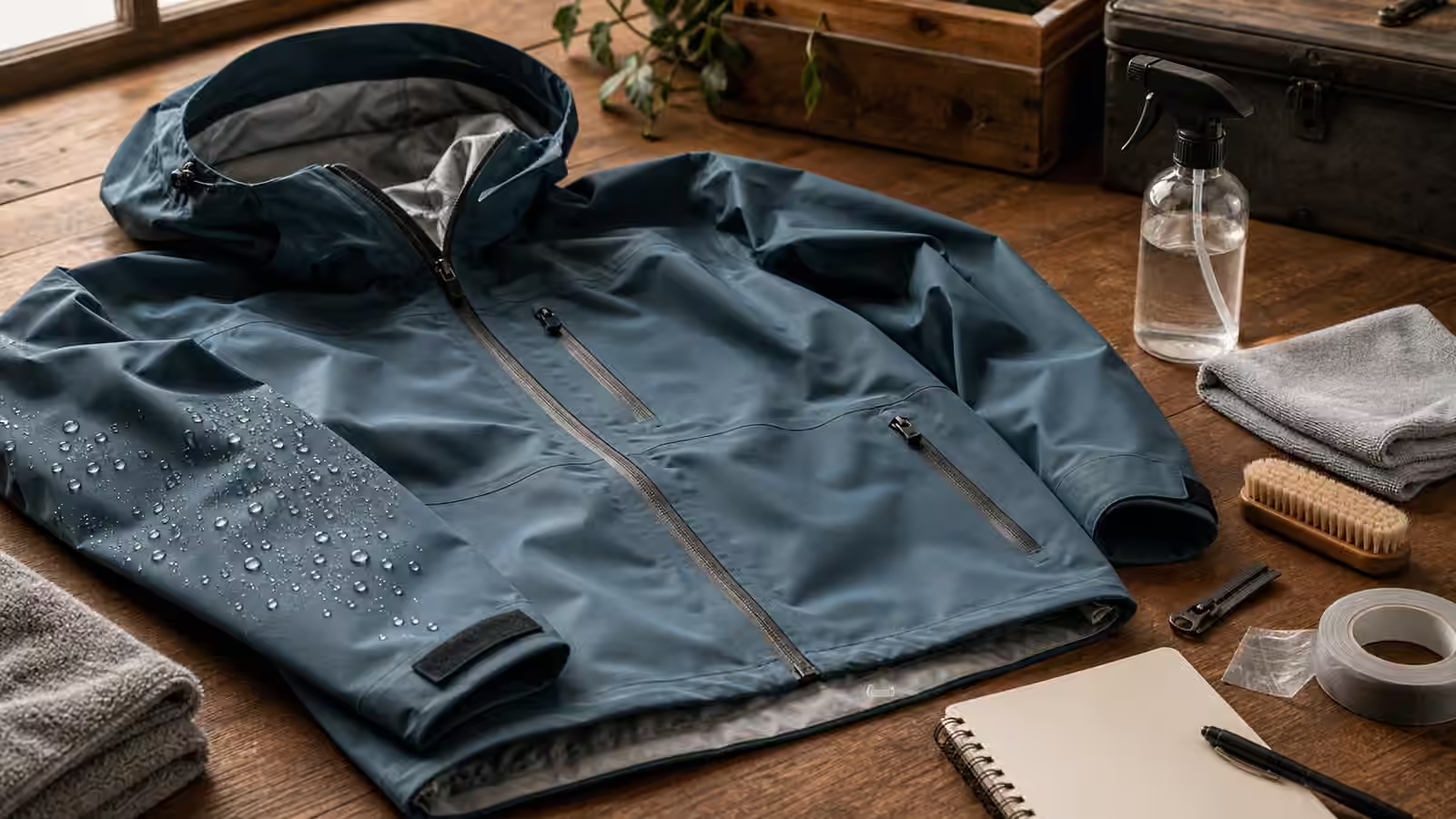
Water beading is visible and satisfying, so it often gets treated as the whole story. Durable water repellent, often called DWR, helps water roll off the outer face fabric. It does not make a torn seam waterproof, restore a cracked coating, replace missing seam tape, or repair a zipper that no longer closes. When the face fabric wets out, the jacket may feel clammy and heavy even if the inner membrane is still blocking water. When a seam leaks, the wet spot usually has a path. When condensation builds inside, the jacket may be doing its waterproof job while sweat and poor ventilation create a different discomfort.
Start with observation, the same habit used in The 10-Minute Triage . Look at the shoulders, cuffs, hem, hood edge, zipper flap, pockets, and areas rubbed by backpack straps. Find whether water enters through a seam, zipper, worn patch, puncture, dirty fabric, or pressure point. A jacket that leaks only under a heavy bag strap may have abrasion at the shoulder. A jacket that feels wet everywhere after a short walk may need cleaning or reproofing. A jacket that has peeling inner coating, flaking seam tape, or sticky residue is in a different category than one that has surface dirt.
Use a simple water test only after the jacket is clean enough to judge. A few droplets on a dirty sleeve do not tell the whole story because oils and soil can flatten water on the surface. If water soaks into the face fabric but does not appear inside, the beading finish may need refreshing. If water appears along stitching, seam tape, or a worn fold, the repair is more specific. If water enters through a damaged zipper, missing pull, or torn pocket bag, do not pretend a spray will solve the mechanical failure.
Cleaning is part of waterproofing
Outerwear care begins with removing the things that interfere with the fabric: mud, skin oils, sunscreen, smoke, detergent residue, fabric softener, dust, and salt. Follow the care label and manufacturer guidance when available. Many waterproof-breathable fabrics dislike ordinary laundry habits such as heavy detergent, fabric softener, bleach, high heat, and crowded washing. The wrong cleaning method can leave residue that makes the garment wet out faster or damages the finish you were trying to restore.
Before washing, close zippers, loosen drawcords, empty pockets, brush away dried mud, and inspect loose hook-and-loop tabs that could abrade the fabric. If the jacket has a removable liner, fur trim, or unusual coating, slow down and look for specific instructions. This is the same “clean first, but clean correctly” habit from Clean First . Cleaning should improve diagnosis, not add a second problem.
Drying matters because some water-repellent finishes revive with appropriate low heat while other materials can be damaged by heat. The care label decides. If low tumble drying is allowed, use it cautiously and only as directed. If air drying is required, give the jacket enough time on a hanger with airflow. Do not store a damp shell crumpled in a bag. Creases, trapped moisture, and grit at folds can become wear points.
Zippers, cuffs, hoods, and seam tape
Many rain jacket problems are mechanical. A gritty zipper can split, jam, or chew the surrounding fabric. Clean zipper teeth with a soft brush and remove sand before adding any lubricant. If the slider is worn, the teeth are damaged, or the waterproof zipper coating is peeling badly, replacement may be a repairer job. The zipper guidebook for bags and garments, Zipper Problems , is useful here because rainwear zippers add water resistance but still obey the same alignment and wear rules.
Cuffs and hems fail quietly. Hook-and-loop tabs gather lint and lose grip. Elastic relaxes. Drawcords fray or disappear into channels. Snaps corrode. A loose cuff can let water run up a sleeve even when the fabric is fine. Clean debris from closures, check stitching, and look for areas where the fabric has thinned from repeated folding. Small stitching repairs on low-stress tabs may be possible, but do not puncture waterproof panels casually. Every needle hole is a possible leak path unless it is part of a known repair method.
Seam tape deserves respect. Tape that is lifting at an edge may be repairable on some garments with the right materials and heat control. Tape that is crumbling, widespread, sticky, or peeling throughout the jacket usually means the shell is aging beyond a simple home touch-up. Avoid ironing randomly. Too much heat can damage fabric, coatings, seam tape, and zippers. If the jacket is valuable, technical, or still under warranty, documentation and a maker-approved repair path are better than experimentation.
Reproofing without overconfidence
Reproofing works best on a clean garment whose fabric and coating are still sound. Spray-on and wash-in products behave differently and can affect liners, insulation, and breathability. Use the product type recommended for the garment, and keep it away from areas where it does not belong. More product is not more waterproof. Uneven application can leave spots, odor, stiffness, or residue. Let the garment dry and cure according to the product directions before judging it.
Do not reproof a jacket to avoid a hard decision. If the inside coating is flaking, the fabric is abraded thin, seam tape is failing widely, or the garment leaks through punctures and delamination, the jacket may be ready for lighter duty. A worn shell can become a yard-work layer, a car backup, or a dry-weather wind layer if it is still comfortable and clean. That is often a better keeper decision than pouring products into a garment that cannot return to its old job.
Add it to the Save Log
Record the jacket model if you know it, the observed failure, the cleaning method, the reproofing product family if used, and the outcome in real weather. Note whether the jacket remains rain-duty, light-drizzle duty, wind-duty, or repairer-needed. If you contact a repairer or manufacturer, the habits from How to Ask for a Repair Quote help: send clear photos of seam tape, zippers, coating condition, tags, and the wet area pattern.
Rain jacket care is patient because water finds shortcuts. Clean the garment before judging it, separate surface wetting from true leaks, respect the seam and zipper systems, and keep safety-critical use out of casual repair territory. A jacket that comes back to ordinary rain duty is satisfying. A jacket that is honestly downgraded before a storm also counts as a save.
Related Keepers Guild guidebooks
Use Clean First before product decisions, Zipper Problems for closures, Stain Triage Before Washing for fabric spots, When Not to DIY for safety boundaries, and How to Ask for a Repair Quote when the shell is valuable or technical.