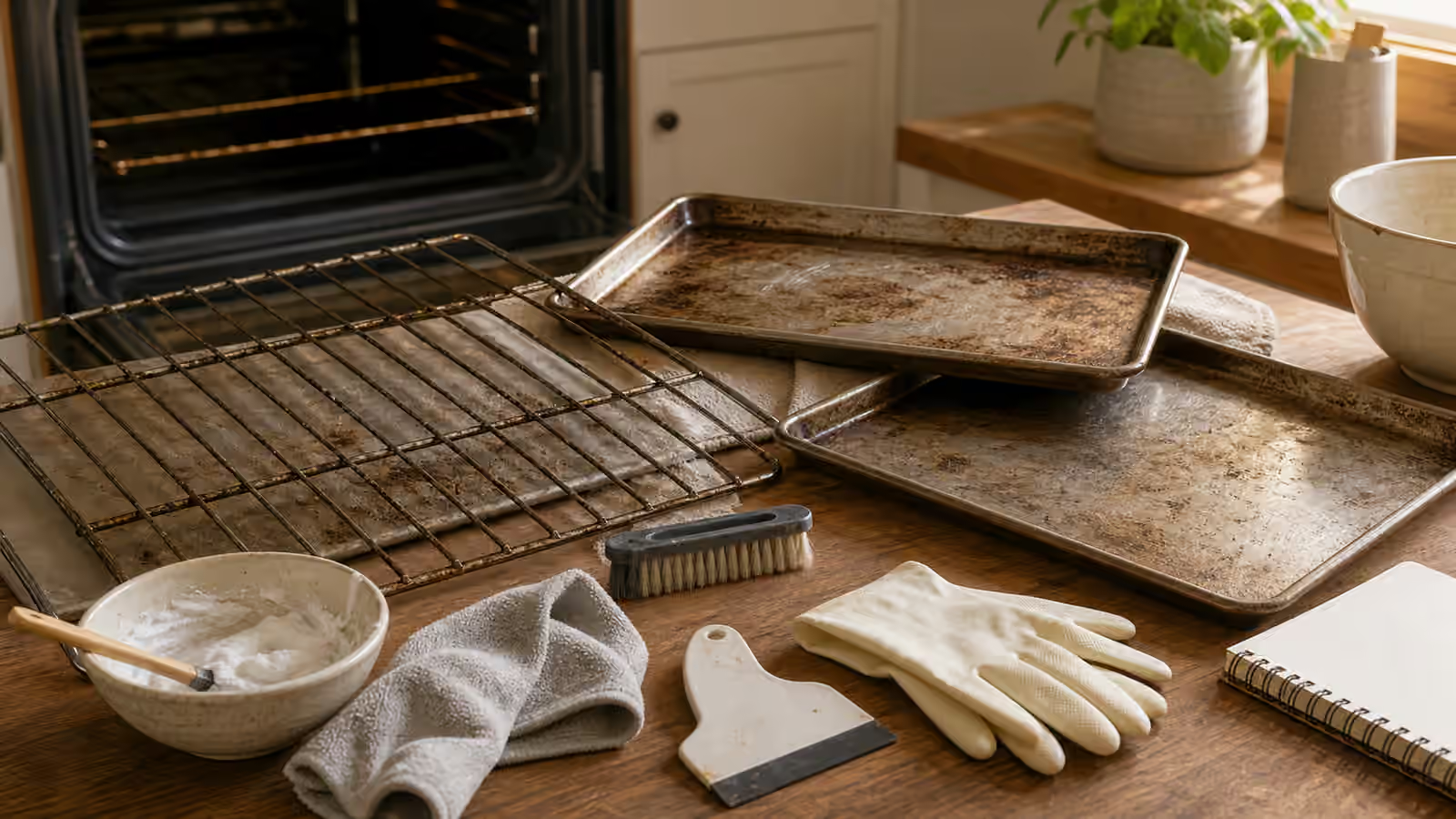
Oven racks and baking sheets collect the kind of wear that looks worse than it is until, suddenly, it is worse than it looks. Brown oil polymerizes into a hard film. Sugar burns into dark patches. Salt and moisture start rust at rack welds and pan edges. Thin sheets twist under heat and never sit flat again. Because these tools are familiar and inexpensive in some kitchens, they often get treated carelessly, but a calm inspection can separate useful seasoning, ordinary discoloration, cleaning neglect, coating damage, and true retirement.
Know what kind of surface you are cleaning
A bare aluminum sheet, stainless rack, coated nonstick pan, dark steel sheet, and enameled tray should not all receive the same treatment. The surface decides the cleaning method. Abrasive pads may be acceptable on some plain metal areas and disastrous on coatings. Long soaks can loosen grime but may invite rust at seams or damage labels, handles, or bonded layers. Strong cleaners can remove grease while leaving residue, discoloring metal, or creating fumes that do not belong near food.
Start by identifying the tool as well as you can. If it came with the oven, look for the oven manual. If it is a branded pan, look for care instructions. The habits from How to Find a Manual Without Downloading Malware are not only for appliances with buttons. They also help when a rack finish or specialty pan has cleaning limits that are easy to miss.
Discoloration is not automatically dirt. A baking sheet that has browned evenly from years of roasting may still bake well. A sticky, gummy film that transfers to your fingers is different. A black patch that flakes into food is different again. The keeper question is not “Can I make this look new?” It is “Is this surface cleanable, stable, food-appropriate, and still good at its job?”
Clean in stages instead of escalating
Let the pan cool fully before washing. Sudden temperature changes can warp thin metal, and hot grease can burn skin. Remove loose crumbs first. Soften stuck food with warm water where the material allows it. Use a nylon scraper or soft brush before reaching for harsher methods. Dry thoroughly, especially around rolled edges, rack joints, and corners where water hides.
Burnt-on oil often needs time more than force. A paste or soak suited to the metal can loosen residue gradually, but it should be tested and rinsed well. If the pan is nonstick, the cleaning path narrows. Scratching a nonstick surface to remove a stain can turn a cosmetic problem into a retirement problem. Nonstick Pans: What Can Be Cleaned and What Is Done is the better companion when the surface is coated or uncertain.
Pay attention to the underside and corners. Many baking sheets look acceptable on the broad cooking surface while the rolled rim hides sticky residue, rust freckles, or trapped crumbs. That hidden grime can smoke later, mark towels, or keep a pan from drying fully. Cleaning the rim is slower than wiping the center, but it is also where you learn whether the pan is merely seasoned from use or starting to break down at the places your hand grabs every time.
For plain stainless or steel racks, rust deserves attention at the earliest stage. Light rust on an exterior rack edge may be cleanable, dried, and monitored. Rust that flakes, spreads at welds, or appears on surfaces that touch food or cookware changes the decision. The metal judgment in Light Rust on Everyday Tools carries over, with a kitchen-specific caution: anything that contacts food, heat, and repeated washing needs a higher standard than a garden tool handle.
Warping is a performance issue
A warped baking sheet can still roast vegetables, but it may be poor for cookies, delicate pastry, or anything that depends on even contact. Some pans pop in the oven and flatten again. Others twist permanently. Warping can make oil run to one corner, cause uneven browning, or make the pan unstable when pulled from the oven. That instability matters because hot fat and a rocking pan are not cosmetic problems.
Before retiring a warped sheet, change its role honestly. It might become a drip tray under a plant, a messy craft tray, a liner for low-stakes freezer work, or a pan reserved for tasks where flatness does not matter. Do not keep it in the main baking stack if it regularly disappoints you. A tool that requires a mental warning every time you use it belongs in a different role or out of the kitchen.
Racks have their own performance issues. A rack that no longer slides smoothly may be dirty, bent, or damaged. Clean the side rails and the oven wall contact points according to the oven manual. Do not oil oven rack contact points unless the instructions specify an appropriate product, because heat, smoke, and residue can create new problems. If a rack is bent enough to spill cookware or jam in the oven, stop treating it as a cleaning issue.
Do not let the self-clean cycle make the decision for you
Self-cleaning oven cycles run very hot and can discolor, strip, warp, or damage racks and pans if the instructions do not support leaving them inside. Some oven manuals tell you to remove racks. Some racks lose their smooth sliding finish after high heat. Baking sheets can darken or twist. The promise of an effortless reset is tempting, but the cost can be permanent.
If the oven itself is dirty, separate appliance cleaning from pan cleaning. The oven cavity, racks, trays, liners, and drip areas may have different instructions. Do not improvise with foil on oven floors, mystery liners, or aggressive cleaners around heating elements. Appliance boundaries from Small Appliance Care Without Opening the Case apply in spirit: clean the accessible surfaces you understand, and stop before cleaning becomes appliance repair.
Add it to the Save Log
Record which pans are plain metal, coated, warped, rusty, sticky, or reassigned. Note the cleaning method that worked and the one you will not repeat. If a sheet warped after a specific use, write down the temperature pattern or sudden cooling that preceded it. If a rack rusted after a long soak, the note may save the next rack.
Use this guide with Stainless Steel Stains, Rainbowing, and Burn Marks for metal discoloration judgment, Nonstick Pans for coated surfaces, Clean First for restrained cleaning escalation, and The Repair Cost Rule when a pan’s sentimental value, replacement cost, and daily usefulness no longer point the same way.