Luggage fails under deadlines. A wheel that only clicked on the bedroom floor becomes a dragging corner at the station. A telescoping handle that needed one extra tug refuses to retract in a line. A zipper with one missing tooth spreads open after the bag is packed tight. Travel pressure makes small damage more expensive because the object is loaded, moving, and far from your tools. A keeper checks the bag before the trip, not after the first failure.
Test It Loaded, But Not Overstuffed
An empty suitcase lies. Wheels roll better, seams sit calmer, handles pull easier, and zippers close without real pressure. Put a realistic load in the bag and move it across the surfaces you can test: smooth floor, threshold, rug edge, and a short lift. Listen for clicking, scraping, wobble, and asymmetry. A wheel that spins freely in the air may bind under weight. A handle that rises cleanly without load may twist when the bag is heavy.
Do not overstuff the bag during the test. Overpacking is one of the fastest ways to turn a tired zipper or seam into a trip failure. If the bag only closes when someone kneels on it, the zipper teeth, fabric, sliders, and stitching are being asked to serve as a clamp. The best luggage repair may be moving some weight to a different bag.
Wheels Are Wear Parts When The Design Allows It
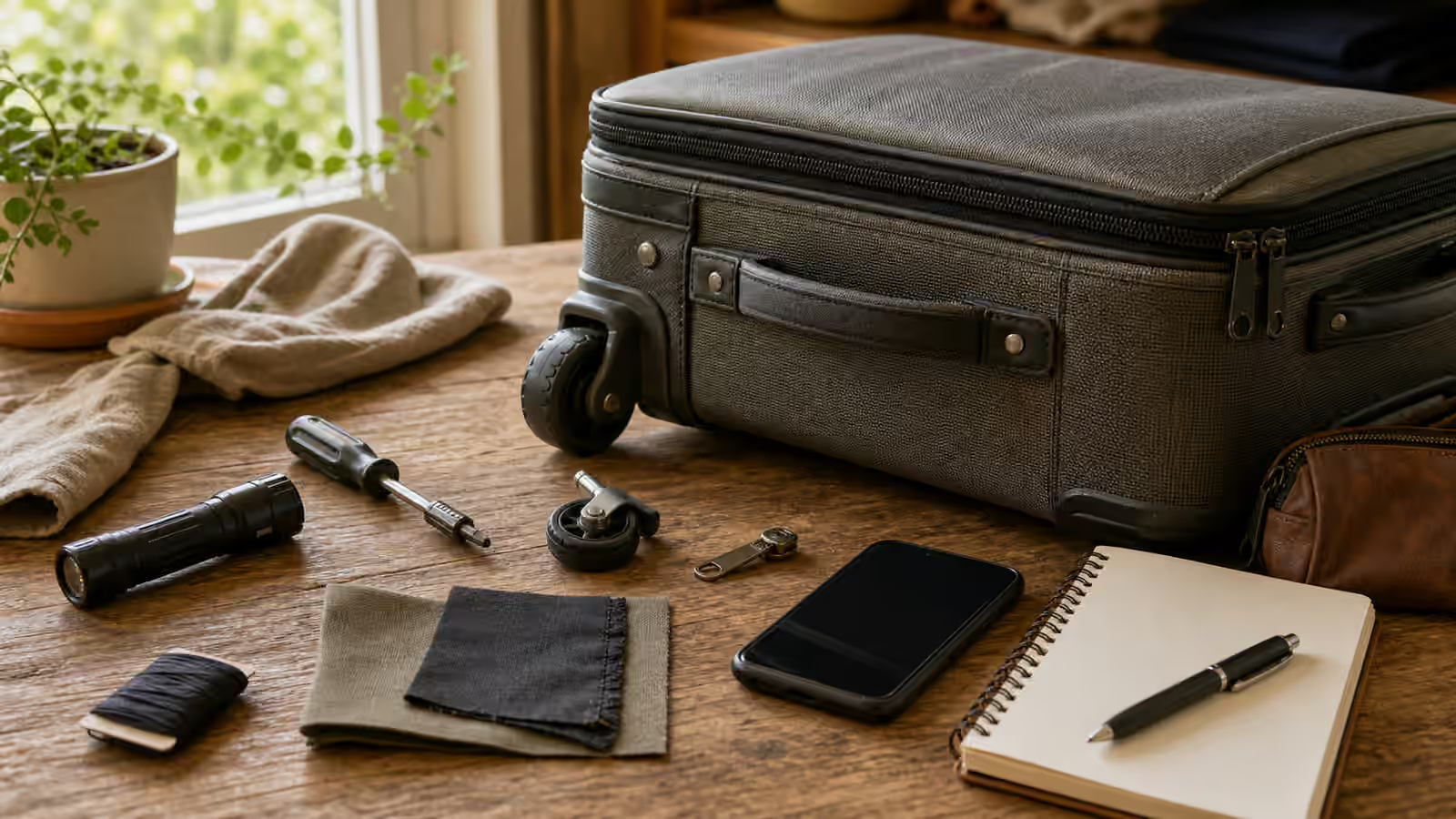
Many rolling bags use wheels that can be replaced, but the path varies widely. Some have exposed screws. Some hide fasteners under liners. Some use rivets or molded assemblies that are not beginner-friendly. Before ordering parts, photograph the wheel, bracket, screw pattern, axle, and any model label. Measure only after you have looked for exact parts. A wheel that is close in diameter but wrong in width or axle shape can rub, wobble, or overload the remaining hardware.
Hair, thread, grit, and small stones can bind a wheel without requiring replacement. Clean what you can reach safely. Avoid forcing blades near the axle in a way that cuts plastic, gouges rubber, or injures you. If a wheel housing is cracked, the problem may not be the wheel itself. A fresh wheel in a broken corner can fail quickly. That is when Plastic Cracks, Snapped Tabs, and Stress Whitening becomes relevant to a travel bag.
Telescoping Handles Need Alignment
A telescoping handle can stick because the tubes are dirty, bent, overloaded, or misaligned. Wipe exposed rails and inspect for dents, grit, or loose screws. Do not flood the handle with oil. Excess lubricant can attract dust, stain clothing, or migrate inside the bag. If the handle works only at an angle, one rail may be bent or the internal latch may be failing. Forcing it may turn a repairable annoyance into a jammed handle that will not retract.
Handle repair is also a comfort decision. A bag with one bad wheel and one unreliable handle is no longer a simple inconvenience. It changes how the load moves through your shoulder, wrist, stairs, transit, and crowded spaces. The Repair Cost Rule should count that strain, not only the price of a replacement caster.
Zippers And Seams Fail Differently
A suitcase zipper can stick from dirt, fabric caught in the teeth, a tired slider, missing teeth, poor alignment, or overpacking pressure. Clean the path and inspect before pulling harder. If the zipper splits behind the slider, the slider may be worn or the teeth may be damaged. If teeth are missing near a corner, the repair may need a luggage repairer or tailor with the right hardware. The related zipper habits in Zipper Problems: Stuck, Split, Missing Pull, or Broken Teeth apply, but luggage adds load and public timing.
Seams deserve a separate look. Loose threads on a decorative edge may not matter. Broken stitching where a handle attaches, a strap anchors, or a corner carries weight matters a great deal. A quick hand stitch through heavy luggage fabric may look satisfying while failing under the first lift. For load-bearing seams, a tailor, cobbler, or luggage repairer is often the right path. The same is true when the fabric has torn around the stitches rather than the thread simply breaking.
Patch For Containment, Not Denial
Small fabric scuffs, pinholes, and lining tears can often be patched well enough to prevent snagging or losing small items. The repair goal should be honest. A patch on the inside lining can keep socks from sliding into the shell. A patch on the outside can slow fray. It does not restore a crushed corner, broken wheel mount, or handle anchor. When a patch becomes a disguise for structural failure, the trip is carrying hidden risk.
If you are close to departure, choose the calmest reliable option. That may mean using a different bag, distributing weight, booking a repair after the trip, or buying a replacement before stress narrows your choices. A rushed airport repair with tape and hope is rarely better than a slower decision made at home.
Make A Pre-Travel Bag Note
After each trip, write a short Save Log note while the experience is fresh. Did a wheel chatter on rough pavement? Did the handle stick at one height? Did rain enter through a seam? Did the zipper snag in the same corner? Add photos before putting the bag away. Then remove dirt, dry damp areas, empty pockets, and store the bag without crushing the wheels or handle.
That note turns luggage from an emergency object into a maintained object. It also teaches your buying criteria. Replaceable wheels, standard screws, strong handle anchors, repairable fabric, and a realistic size may matter more than a clever pocket layout.
Related Keepers Guild Guidebooks
Read this with Zipper Problems: Stuck, Split, Missing Pull, or Broken Teeth for zipper triage, Backpack Strap Repair and When the Stitching Needs a Pro for load-bearing seams, How to Ask for a Repair Quote when a shop needs photos, and How to Find Replacement Parts Without Buying the Wrong Thing before ordering wheels or handles.