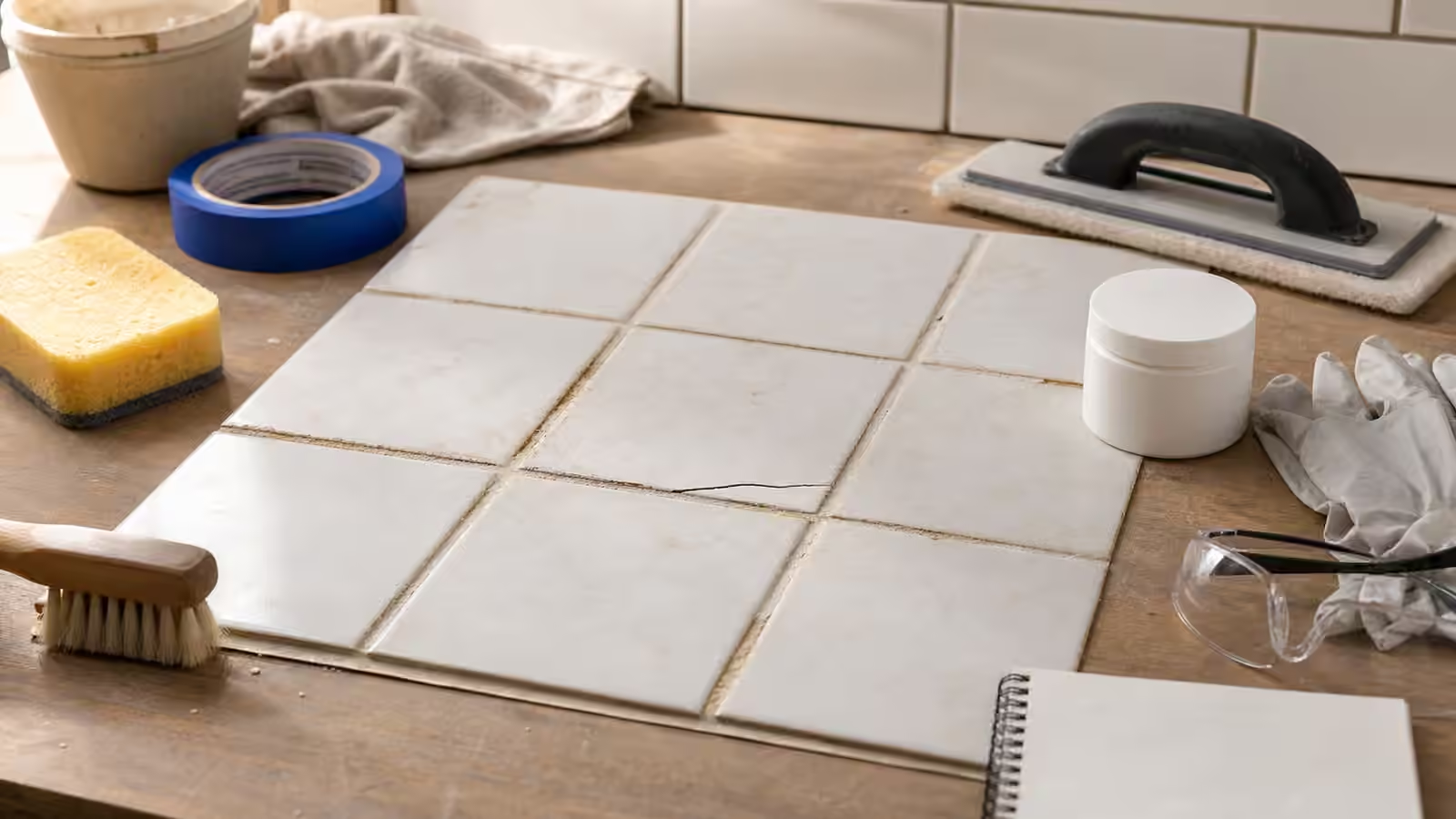
Grout looks like the background of tile, but it is often the first visible record of water, movement, cleaning habits, and age. A dark line may be surface dirt. A pale crumbly gap may be worn grout. A hairline crack may come from normal movement, poor installation, or a tile that is no longer well bonded. Treating every mark as a cleaning problem can push water deeper or wear away material that was already thin. Treating every crack as a major failure can send you into needless demolition. The keeper move is to read the pattern before choosing the tool.
Read the pattern first
A single stained grout line near a stove, entry, or shower niche may be ordinary soil. A grid of dark grout along the lower shower wall may point to soap residue, mildew pressure, or slow drying. A crack around the edge of a room may reflect movement where two surfaces meet. Missing grout in a busy floor path may be abrasion. A loose tile with cracked grout around it is not just a grout problem. It is evidence that the tile assembly is moving or losing bond.
Start the way The 10-Minute Triage starts: name what changed. Did the grout darken after a leak, cleaning product, heavy use, or new humidity? Did the crack appear near a doorway, tub edge, counter, or floor transition? Does the grout feel hard, sandy, rubbery, powdery, or hollow beside a tile edge? Does pressing gently on nearby tiles reveal movement or sound changes? You are not diagnosing a wall cavity. You are deciding whether this is a cleaning task, a maintenance task, a repair task, or a stop condition.
Do not scrape aggressively just to see what happens. Grout is softer than tile and easy to damage with metal tools, harsh abrasives, and impatient pressure. If the line is already shallow, scrubbing can turn a stain into a gap. A soft brush, mild cleaner suitable for the tile, and patience reveal more than a knife tip. If the tile itself is natural stone, handmade, glazed delicately, or unknown, avoid acidic cleaners and abrasive pads until the material is identified.
Clean before you seal
Sealer is not soap. It cannot make dirty grout clean, and it can trap residue if applied to a soiled line. Cleaning comes first, but it should be matched to the tile and grout. Mild detergent, warm water, a soft brush, and careful drying are often enough to decide whether the issue is surface dirt. For stubborn soap film, mineral deposits, grease, or mildew pressure, the cleaner choice depends on the material and location. The “clean first” habit from Clean First applies, but grout adds one warning: never assume the tile surface tolerates the chemical because the grout seems to.
Ventilation and drying matter in bathrooms and kitchens. Grout that stays damp gathers soil faster and can support repeated surface growth. A fan, squeegee habit, door gap, or drying towel may be more effective than stronger cleaner. If a shower corner darkens again quickly after careful cleaning, look at airflow, standing water, failing caulk, cracked grout, and whether the surface is drying between uses. Bathroom Caulk: Clean, Dry, Reseal, or Stop? is a useful companion because caulk and grout have different jobs. Caulk belongs at movement joints; grout belongs between tiles that are meant to stay fixed relative to each other.
Do not mix cleaners. That rule is not decorative. Grout lines are small, enclosed paths where residue can remain. Mixing products can create dangerous fumes or damaging reactions, and even non-dramatic mixing can leave films that attract more dirt. Rinse according to the cleaner’s directions, dry fully, and judge under good light.
Cracks and missing grout are repair clues
Cracked grout asks why the joint moved. A small isolated crack in a dry, low-risk area may be a simple regrout candidate if the tile is solid. A repeated crack in the same place means the joint is moving. A crack at a tub, counter, wall corner, or floor transition may mean grout was placed where flexible sealant belonged. A crack spreading across multiple tiles, especially with loose tile or soft substrate, needs a different level of attention.
Missing grout lets water, dirt, and grit enter places they should not. On a kitchen backsplash, a small missing spot may be mostly cosmetic until repaired. In a shower, missing grout can be more serious because water exposure is constant and the hidden assembly matters. Grout itself is not the only waterproofing in a properly built shower, but damaged grout can still increase water movement and conceal deeper trouble. If you do not know how the shower was built and the damage is more than tiny surface wear, stop and get qualified advice before treating the line as a weekend patch.
Loose tile changes the story. If a tile clicks, rocks, sounds hollow compared with neighbors, or has cracked grout around its edges, regrouting the joint may only hide the symptom. The bond may be compromised, the substrate may be moving, or moisture may be involved. The repair path may involve removing and resetting tile, correcting the underlying cause, or replacing a failed section. That is not the same as whitening grout.
Sealing and regrouting with realistic expectations
Sealing can help some cementitious grout resist staining, but it does not make a shower waterproof, fix cracks, bond loose tile, or stop movement. Some grout types do not require the same sealing approach, and some tile surfaces can be stained by careless sealer. If you seal, test the process in a small area, keep sealer off surfaces that may be affected, wipe residue promptly as directed, and let it cure before heavy use. The goal is maintenance, not a shiny coating.
Regrouting small areas can be reasonable when the tile is sound, the damage is local, and the location is low risk. Remove loose material carefully, avoid gouging tile edges or waterproofing layers, clean the joint, and match grout type and color as closely as practical. Color matching is harder than it looks because old grout has aged, stained, and been cleaned differently from new material. A perfect visual match may not be realistic. In a visible area, a professional quote may save more frustration than a patch that always catches your eye.
Add it to the Save Log
Record the room, surface, date, pattern, cleaning method, whether any tile moved, and whether the grout returned to normal after drying. Add photos before and after cleaning. If you seal or regrout, record the product family, color, cure time, and where the leftover material is stored. If the line cracks again, that note matters more than memory.
Grout care is humble work. It rewards gentle observation and punishes force. Clean the surface, read the pattern, respect movement and water, and do not use a white line as proof that the assembly is healthy. A small honest repair now is useful. So is recognizing when grout is only the messenger.
Related Keepers Guild guidebooks
Pair this with Bathroom Caulk: Clean, Dry, Reseal, or Stop? , Under-Sink Leak Triage , Wall Repair , Clean First , and When Not to DIY when water, mold, structure, or hidden damage changes the risk.