Reusable food containers fail in quiet, annoying ways. Lids stop matching. Silicone gaskets trap smell. Plastic turns orange after tomato sauce. Corners stay greasy after washing. A lid warps just enough that it no longer seals, but not enough to look obviously broken. The drawer fills with almost-pairs, and the household starts distrusting every container. Good container care is not about making old plastic immortal. It is about knowing what can be cleaned, what can be repurposed, what needs a replacement lid, and what should leave food service.
Match the system before cleaning harder
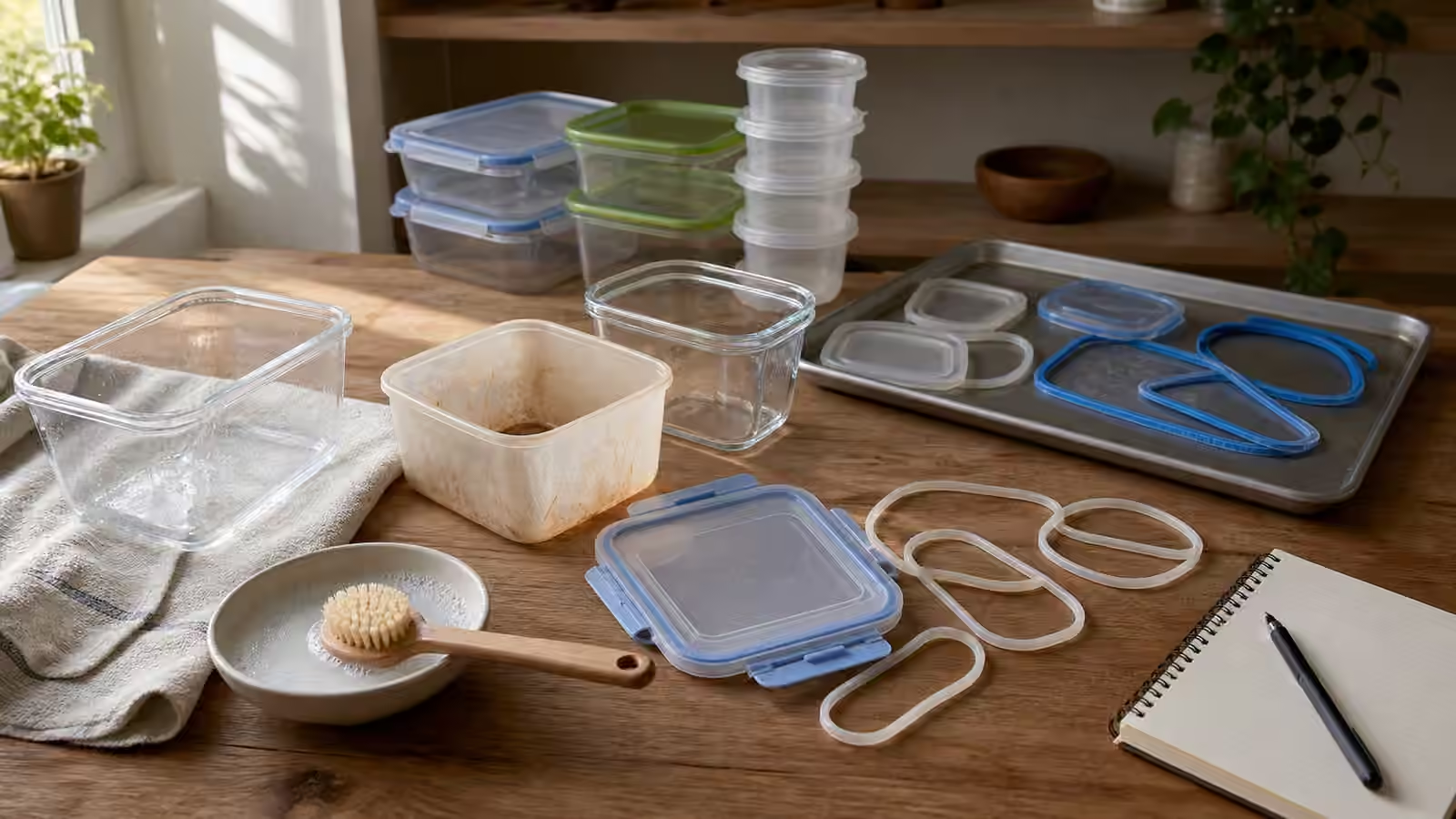
The first problem is often not dirt. It is mismatch. A lid from one container line may almost fit another. A glass base may have two generations of lid that look similar. A takeout lid may sneak into the drawer and waste months of small frustrations. Before deep cleaning, pair every lid with a base. Close it gently. Do not force a lid that strains, bulges, or twists. If the seal depends on bending plastic into submission, the container is already unreliable.
Sort by actual function, not by hope. Some pieces still seal well enough for dry pantry storage but not for soup in a bag. Some lids are fine for refrigerator leftovers but not for transport. Some bases are useful for organizing hardware, craft supplies, or refrigerator odds even after their lids are gone. The keeper decision is to assign honest duty. A container retired from food transport can still hold spare screws from Loose Handles, Knobs, and Pulls or parts from Replacement Parts , as long as it is clearly no longer in food rotation.
Keep unmatched pieces only when a replacement path is realistic. If the container brand sells replacement lids and the base is worth keeping, photograph the underside and measurements before ordering. If there is no model number, no source, and six similar lids already failed the fit test, keeping the orphan is not thrift. It is deferred clutter.
Gaskets hide the real mess
Many leakproof lids rely on removable silicone or rubber gaskets. Those gaskets do useful work, but they also trap oil, sauce, crumbs, and moisture in a narrow channel. A lid can look clean from above and still smell stale because the seal channel never dried. If the gasket is designed to be removed, take a photo first, remove it gently, and clean both the gasket and the groove. Do not stretch it aggressively, cut it with a tool, or reinstall it twisted.
Drying is as important as washing. A gasket pressed back into a wet groove creates a closed damp line. Let parts air dry separately on a towel or rack. Check corners with good light. If a gasket has permanent odor, cracks, stickiness, swelling, or a flattened profile that no longer seals, replacement may be better than repeated soaking. If replacements are not available, downgrade the container’s role instead of pretending it is still leakproof.
Be careful with aggressive deodorizing. Baking soda, sunlight, vinegar, dish soap, and time can all help in the right context, but they do not belong everywhere and they do not reverse damaged material. Strong scents can become another residue. Abrasive scrubbing can roughen plastic, making it hold stains and odors more readily. This is the kitchen version of Clean First : clean with the gentlest method that fits the material and stop before the cleaning method becomes damage.
Stains are not all the same
Tomato, turmeric, chili oil, coffee, and other colorful foods can stain plastic even when the container is otherwise clean. Stain alone is not always a safety problem, but it can be a useful signal. If the surface is smooth, odorless, intact, and manufacturer-approved for continued use, a stain may be cosmetic. If the stained area is scratched, greasy after washing, tacky, melted, or deeply gouged, the issue is no longer color. The surface is harder to clean and easier to distrust.
Glass bases handle staining and odor better, but their lids still age. Plastic lids can warp from heat, dishwashers, microwaves, or being snapped onto hot contents. A warped lid may look acceptable in the drawer and fail only when carried. Test with water over a sink if transport matters. Do not test by putting soup in a backpack.
Odor needs a source. Garlic, onion, curry, fermented foods, and old oil can linger in plastic and silicone. Airing, careful washing, and time can reduce ordinary odor. Persistent sour, rancid, or musty smell after cleaning suggests trapped residue, damaged material, or poor drying. Do not hide it with stronger fragrance. Assign the container to non-food use or retire it.
Heat, freezing, and food-contact retirement
Most container damage comes from asking one object to do every job. Freezer, microwave, dishwasher, hot fat, acidic sauce, and packed lunch transport each stress a container differently. Manufacturer markings matter, but markings wear off and older pieces may be unclear. When in doubt, use a conservative role: refrigerator storage for cooled food, dry goods, or non-food organization rather than heat or transport.
Melted plastic, clouded patches, knife cuts, cracked corners, missing tabs, and sticky surfaces are retirement signs for food use. A cracked lid tab can become a leak. A cracked base can harbor residue. A melted patch can no longer be cleaned like the original surface. Keeping food in a compromised container is not a meaningful save if it makes the next meal less clean or reliable.
For containers used around allergens or strong dietary boundaries, be more conservative. A scratched or odor-retaining plastic container may not be appropriate for shared use where residue matters. This is not a legal or medical claim; it is a household trust issue. If people rely on containers being clean for a specific purpose, use containers that can actually be cleaned and identified.
Make the drawer behave
The maintenance rhythm is simple: pair lids and bases after washing, dry gaskets before assembly, keep only reliable transport containers in the transport area, and move downgraded pieces somewhere else. A drawer full of unclear status wastes time every day. A smaller drawer with honest roles works better.
Record replacement lid sources or container dimensions in the Save Log if the set is worth maintaining. If a particular container line serves the household well, standardizing slowly may reduce orphan lids. If a line keeps warping, cracking, or losing seals under your normal use, The Repairability Checklist Before Buying Anything Durable applies. Buy the future drawer, not only the single container.
Food container care is modest but useful. It reduces leaks, odors, waste, and daily irritation. Clean the hidden gasket, match the lid honestly, respect heat limits, and retire damaged food-contact surfaces without drama. The win is not a perfect drawer. The win is opening it and trusting what you find.
Related Keepers Guild guidebooks
Use Clean First for material-aware cleaning, Cutting Board Care for food-contact retirement thinking, Chipped Dishes and Glassware for kitchen safety judgment, Replacement Parts for lids and gaskets, and The Repairability Checklist Before Buying Anything Durable before buying the next storage set.