Eyeglasses are small machines that live on your face. The hinges fold many times a day, nose pads collect oil and grit, screws work loose, lenses get cleaned with whatever cloth is nearby, and a frame that sat flat last month suddenly tilts. Because glasses are familiar, it is easy to treat them roughly. Because they are important, it is also easy to overrepair them at home. The keeper move is to stabilize what is obviously loose, clean what is safe to clean, and leave optical fit and stressed frames to someone with the right tools.
Work over a soft, contained surface
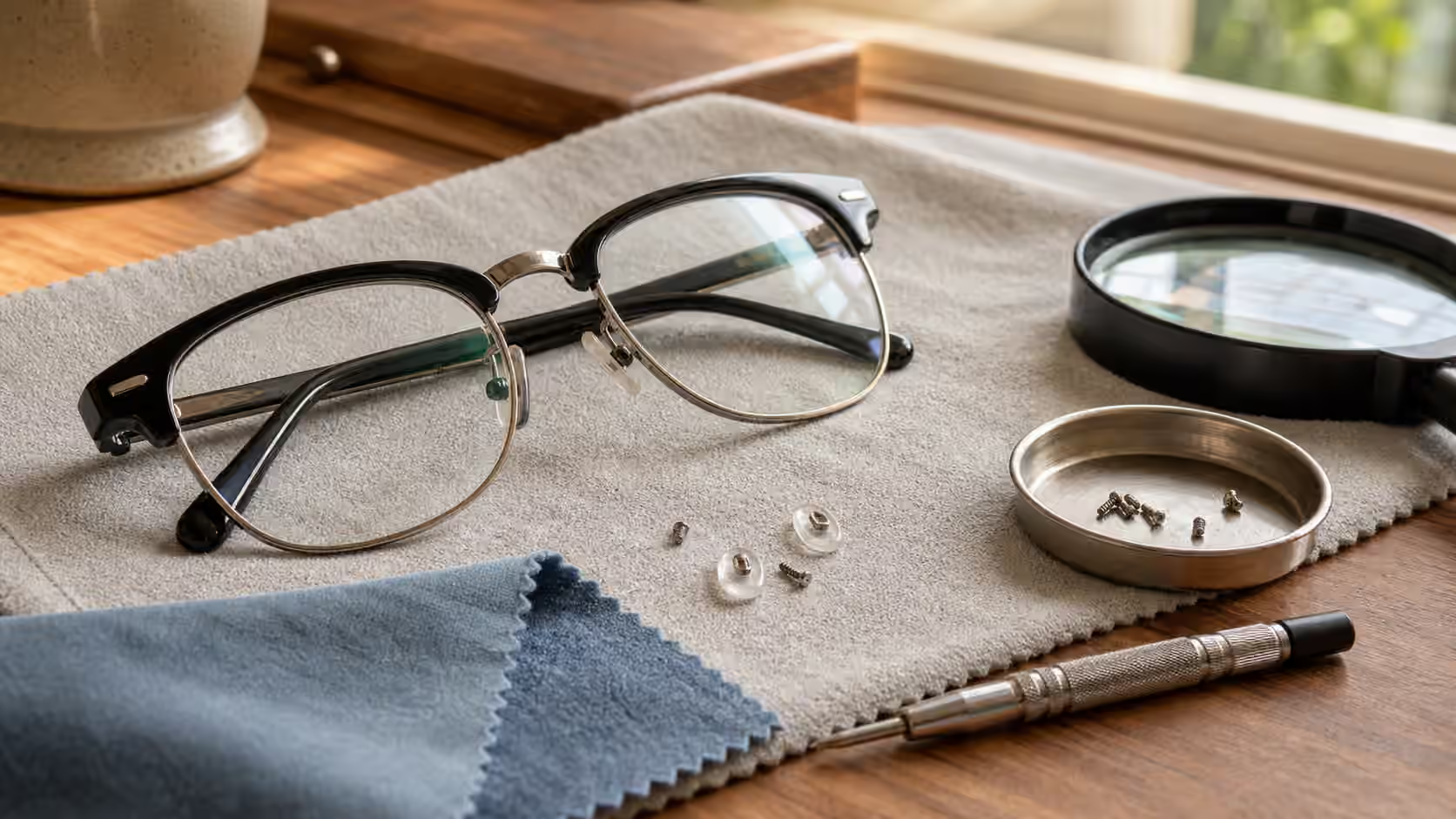
The first mistake with glasses repair is losing the part. A hinge screw can bounce off a counter and vanish. A nose pad screw may be smaller than the crumbs on the table. Work over a soft cloth inside a tray or shallow box. Good light matters more than force. Wash and dry your hands so skin oil does not make tiny parts slippery, and keep the lenses away from grit that could scratch them while you work.
Photograph the glasses from the front, side, and hinge area before changing anything. If one temple sits higher, the bridge looks twisted, or a nose pad points in an odd direction, the photo helps separate fit from failure. The habit from How to Photograph a Problem Before You Take It Apart is especially useful with symmetrical objects because your memory will try to average the two sides.
Do not start by bending the frame. Crooked glasses can come from a loose screw, a bent hinge, uneven nose pads, worn temple tips, warped plastic, or an old adjustment that has drifted. Bending first may hide the evidence and stress a joint that was already weak.
Tighten screws with restraint
A loose hinge screw can make a temple wobble, drift outward, or fall off entirely. Use a precision screwdriver that fits the screw slot or head cleanly. Press straight down and turn slowly. The goal is snug, not crushed. Tiny screws strip easily, and a stripped head can require a repairer to drill, extract, or replace hardware that would have taken seconds to tighten.
If the screw will not stay tight, there may be wear in the hinge barrel, a missing washer, thread damage, or a screw that is not the original size. Do not force a random screw into the hinge because it seems close. It may bind, split plastic, scratch the lens edge, or stop the hinge from folding. A small eyeglasses repair kit can be useful for temporary stabilization, but it is not a guarantee of fit. Replacement Parts applies even at this scale: close-looking parts can still be wrong.
Some people use household products to keep screws from loosening. Be careful. Adhesives and thread products can migrate, cloud lenses, gum hinges, or make later repair harder. If a screw repeatedly backs out, that is information. The better next step may be an optician, not a stronger chemical.
Clean before judging pads and hinges
Nose pads and hinges collect skin oil, dust, cosmetics, sunscreen, and fine debris. A pad can look yellowed or damaged when it is mostly dirty. Clean with lens-safe methods and avoid soaking frames in hot water. Heat can affect coatings, adhesives, plastic memory, and fit. A soft brush, lens cloth, and mild cleaning approach appropriate to the glasses can reveal whether the pad is cracked, hardened, or merely grimy.
Nose pads that screw on can often be replaced if you match the shape and attachment style. Push-in, clip-in, and screw-in pads are not interchangeable. If the pad arm is bent, do not keep bending it back and forth. Metal fatigue is real at tiny sizes. If the pad sits painfully or unevenly, an optician can adjust the pad arms and temple balance together. The pad is only one part of fit.
Lens cleaning is also repair-adjacent. A scratchy shirt, paper towel, dusty cloth, or harsh cleaner can damage coatings faster than daily wear. Rinse loose grit when appropriate, use a clean lens cloth, and store the cloth where it stays clean. The Clean First principle is not about scrubbing harder. It is about matching the method to the material.
Crooked frames are often a fit problem
Set the glasses on a flat surface with the temples open. If one temple floats, the frame may be twisted. Put them on and notice whether one lens sits higher, one pad digs in, or the temples press unevenly. Then stop. Home observation is useful; home reshaping can be risky. Metal frames can crack at solder joints. Acetate and plastic frames may need controlled heat and experienced hands. Rimless and semi-rimless frames depend on precise tension around the lenses.
A simple screw tightening can improve alignment if the hinge was loose. Beyond that, fit belongs with the person who can adjust both sides while watching how the frame sits on your face. This is not a failure of the keeper mindset. It is the same judgment as How to Ask for a Repair Quote : the right helper can preserve the object better than a determined amateur.
If glasses are old, note the pattern of failure. Repeated loose hinges may mean the frame is worn. Green residue on metal pads, flaking coating, cracked lens edges, or brittle temple tips may indicate age and material breakdown. Sentimental frames can sometimes be repaired or fitted with new parts, but not every frame remains safe or comfortable indefinitely.
Keep a tiny care rhythm
Glasses maintenance works best before the screw falls out. Clean the lenses with the right cloth, rinse grit instead of grinding it across the surface, check hinge feel, and look at nose pads when they start to discolor or shift. Store glasses in a case rather than tossing them lens-down on a table or into a bag with keys. Do not leave them in hot cars or under heavy books. Small habits matter because the frame is light by design.
Keep spare nose pads, a properly fitting screwdriver, and a clean cloth only if you can store them neatly. A kit thrown loose in a drawer may scratch lenses or lose its own screws. The Beginner Keeper Kit idea applies here in miniature: own enough to stabilize and observe, not enough to perform every repair.
Add it to the Save Log
Record the frame brand or model if visible, the screw location, whether the hinge stayed tight, the nose pad style, and when an optician adjusted the fit. If a pair is backup eyewear, note its condition before you need it. A spare pair with missing screws is not a spare pair in any useful sense.
Read this with Clean First for material-safe cleaning, Replacement Parts before matching screws or pads, How to Ask for a Repair Quote when an optician is the better path, and The Repair Cost Rule when older frames are close to retirement.