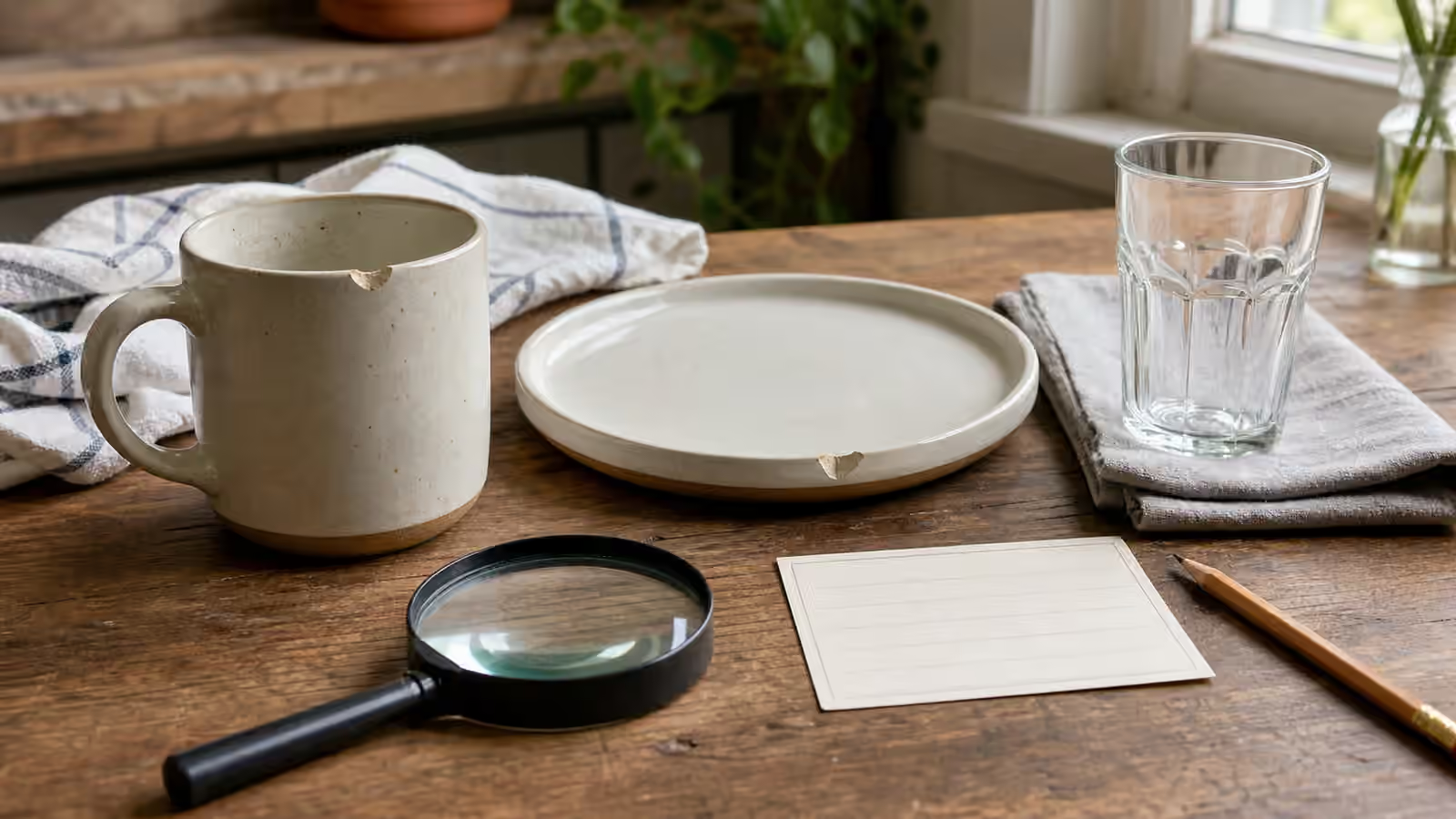
A chipped mug can feel too small to matter. A favorite plate still holds food. A drinking glass with a tiny rim nick may sit in the cabinet for months because no one wants to throw it away. Dishware sits in a difficult place for keepers: it is useful, sentimental, breakable, and often in contact with mouths, heat, moisture, and food. The right question is not how to hide the chip. It is whether the object can safely remain in its old job.
Food Contact Changes The Decision
Many repairs that are fine on a decorative object are not appropriate for a mug rim, bowl interior, cutting surface, or plate edge that touches food. Adhesives, fillers, paints, and coatings may not tolerate heat, dishwashing, acidity, abrasion, or repeated mouth contact. Even when a repair looks neat, it can create a crevice that traps residue or a surface that chips again into food. A dish is not only an object. It is part of eating.
This is why Replacement Parts matters as a mindset. A replacement plate, thrifted match, or changed role can be safer than forcing a damaged item back into service. The keeper choice is not always repair. Sometimes it is retiring the object from food use before it injures someone or makes cleaning unreliable.
Inspect Under Good Light
Wash and dry the item before inspection unless handling it is unsafe. Use bright light and run a cloth, not your finger, gently near the suspect edge. If the cloth snags, assume the edge can catch skin. Look for cracks radiating away from the chip, dark lines under glaze, crazing across the surface, or a ringing sound that has changed. A chip on a thick decorative foot ring is different from a chip on a thin glass rim.
Do not flex, tap hard, or stress-test glassware. Glass can fail suddenly. If you suspect a crack, stop using it. A crack that is nearly invisible can spread under heat, dishwasher cycles, or ordinary handling. A glass that has taken an impact may be weakened even if the damage looks local.
Ceramic Chips Are Not All The Same
A small chip on the unglazed foot of a plate may only affect appearance or shelf feel. A chip on a mug rim touches lips. A chip inside a bowl may trap food or expose porous material. A chip that cuts through glaze on a frequently washed piece can absorb stains and moisture. Crazing, which looks like a network of fine lines in glaze, may be cosmetic on some decorative pieces and more concerning on items used with food, especially if staining appears in the lines.
If the dish is ordinary and the damage touches food or lips, retirement from eating use is often the cleanest decision. If the dish is sentimental, move it to display, a dry catchall role, a plant saucer with a liner, or another use that does not involve food, heat, or a person’s mouth. Make the role explicit so it does not drift back into the cabinet with active dishes.
Glassware Deserves A Lower Tolerance
Chipped drinking glasses, cracked jars used for food, and nicked glass serving pieces carry more risk than many people give them. A sharp rim can cut. A crack can spread. A glass weakened by impact can break during washing or when filled with hot or cold liquid. Smoothing a glass rim at home may remove a sharp point, but it can also create dust, uneven stress, a cloudy edge, or a false sense of safety.
For ordinary glassware, retire it from drinking use when the rim is chipped, the body is cracked, or the base is unstable. If you keep it for non-food use, mark that decision in a way your household will understand. A cracked tumbler holding pencils should not be mistaken for a drinking glass after the next dishwasher unload.
Smoothing Is A Narrow Cosmetic Choice
There are situations where smoothing a rough ceramic foot ring, underside, or non-food-contact edge can protect shelves or hands during storage. Keep that choice narrow. Work wet if using an abrasive rated for the material so dust does not become a breathing hazard, avoid finished food surfaces, and do not pretend a smoothed chip restores strength. The goal is reducing snagging on a retired or low-risk area, not certifying the dish as safe for dinner.
Do not sand lead-glazed, unknown vintage, painted, metallic, or decorated surfaces. Do not sand glass rims for drinking use. Do not glue a handle back onto a mug and return it to hot-drink service unless the piece is decorative only. A mug handle failure can spill hot liquid even when the glue line looked strong on the shelf.
Sentimental Value Can Change The Role
Sentimental dishware does not need to keep its original job to be kept. A chipped bowl from a grandparent can hold wrapped tea bags, keys, sewing clips, or paper notes. A cracked plate can sit on a display stand. A mug with a damaged rim can become a pencil cup after a visible mark keeps it out of drink rotation. The point is to choose a role that respects both memory and use.
Photograph the damage before storing or repurposing the piece. Add a Save Log note that says why it left food service. This may feel formal for one mug, but it prevents the familiar cycle where a damaged item returns to a cabinet because nobody remembers the concern. The Repair Cost Rule is useful here because emotional value can justify keeping, while safety still limits how it is used.
Keep The Active Cabinet Honest
The best dishware repair habit is periodic inspection. When unloading the dishwasher or setting a table, notice new chips before they become normal. Retire damaged items quickly from shared cabinets so guests, children, or tired adults do not use them by mistake. Keep a small box for display-or-repurpose decisions if you need time to think, but do not let that box become a second active cupboard.
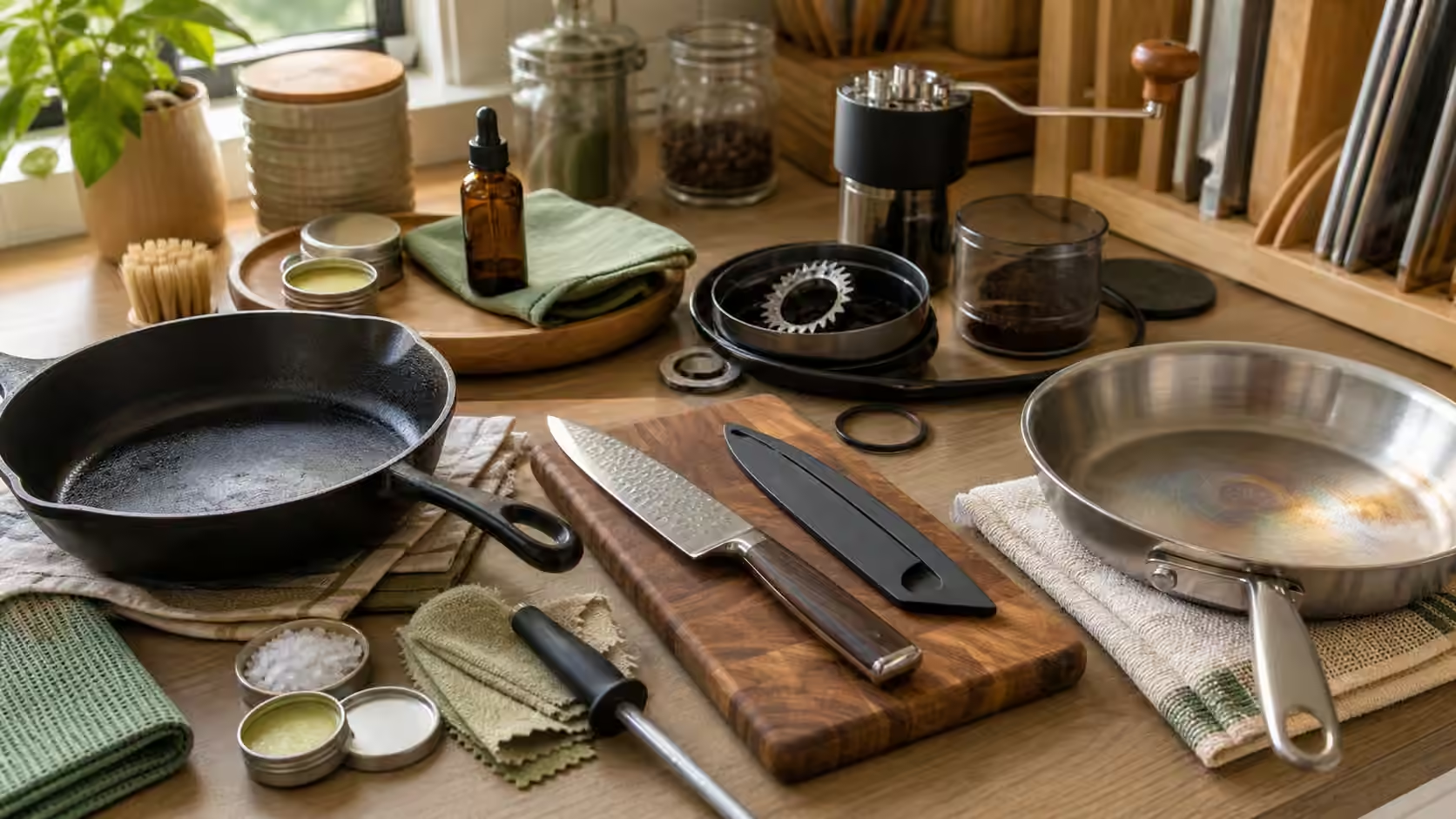
For kitchen objects that can be maintained safely, Keepers Guild has many repair paths. Cast Iron Rescue and Stainless Steel Stains are good examples of objects that often recover through cleaning and care. Chipped food-contact dishware is different because the break itself can create a persistent edge, crack, or sanitation concern.
Related Keepers Guild guidebooks
Read this with The Repair Cost Rule when sentimental value complicates replacement, Replacement Parts when matching a set is safer than forcing a damaged piece back into use, Cutting Board Care for another food-contact boundary, and When Not to DIY whenever a home repair would hide a safety issue instead of resolving it.